in History, Literature | May 18th, 2026 Leave a Comment
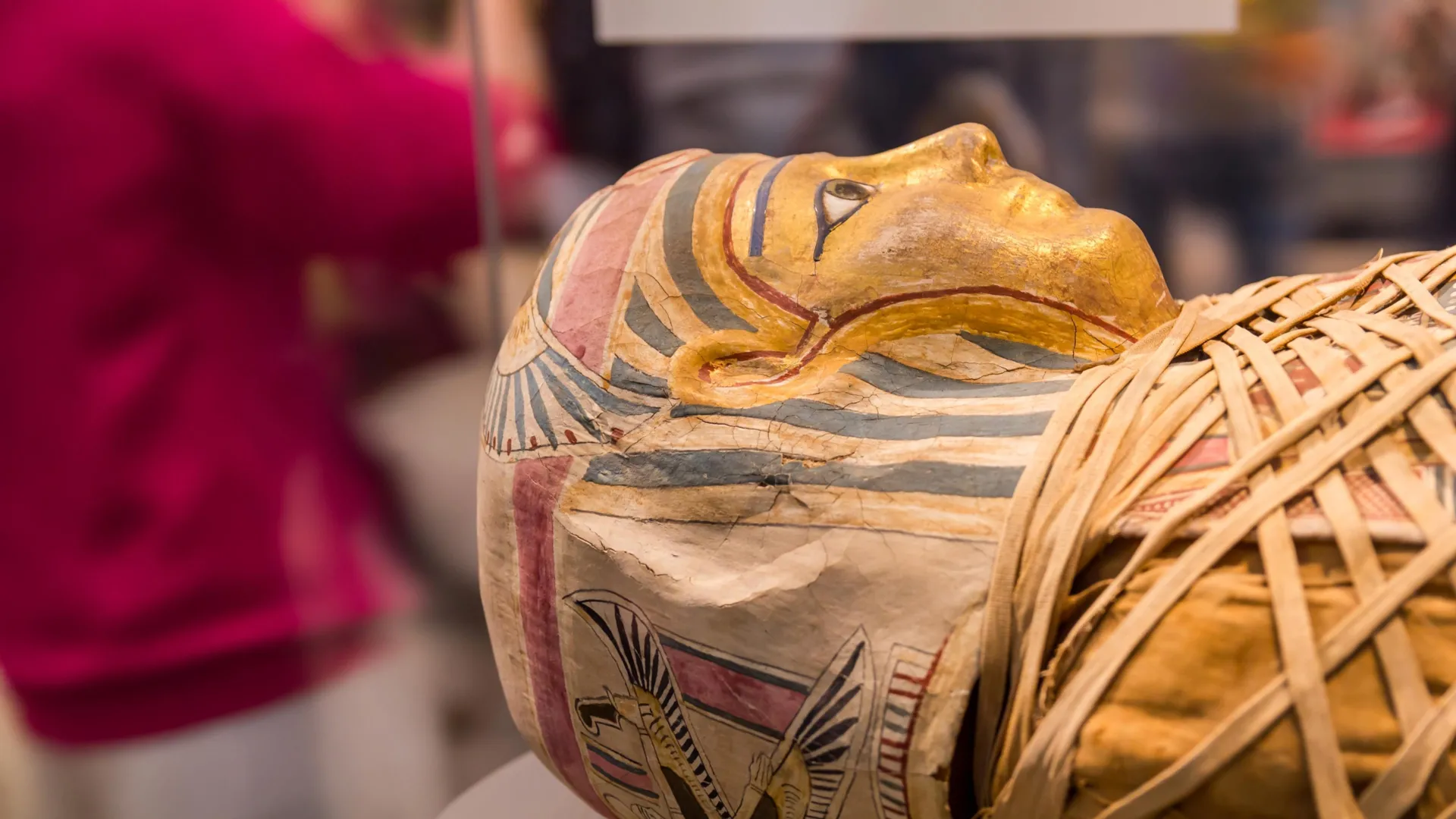
Renaissance Europe admired ancient Rome, ancient Rome admired ancient Greece, and ancient Greece admired ancient Egypt. But the admiration could actually go both ways in that last case, since the two civilizations’ periods of existence overlapped. The Greeks made no secret of their regard for Egypt as a far deeper well of knowledge and wisdom (indeed, much of what we know about ancient Egypt today comes from Greek records), but archaeological evidence shows that the Egyptians, in turn, were hardly dismissive of Greek accomplishment. Many Hellenic texts have been discovered in Egyptian burial sites, but only recently has a Greek literary work turned up packaged with a mummy — and not just any literary work, but pages from Homer’s Iliad.
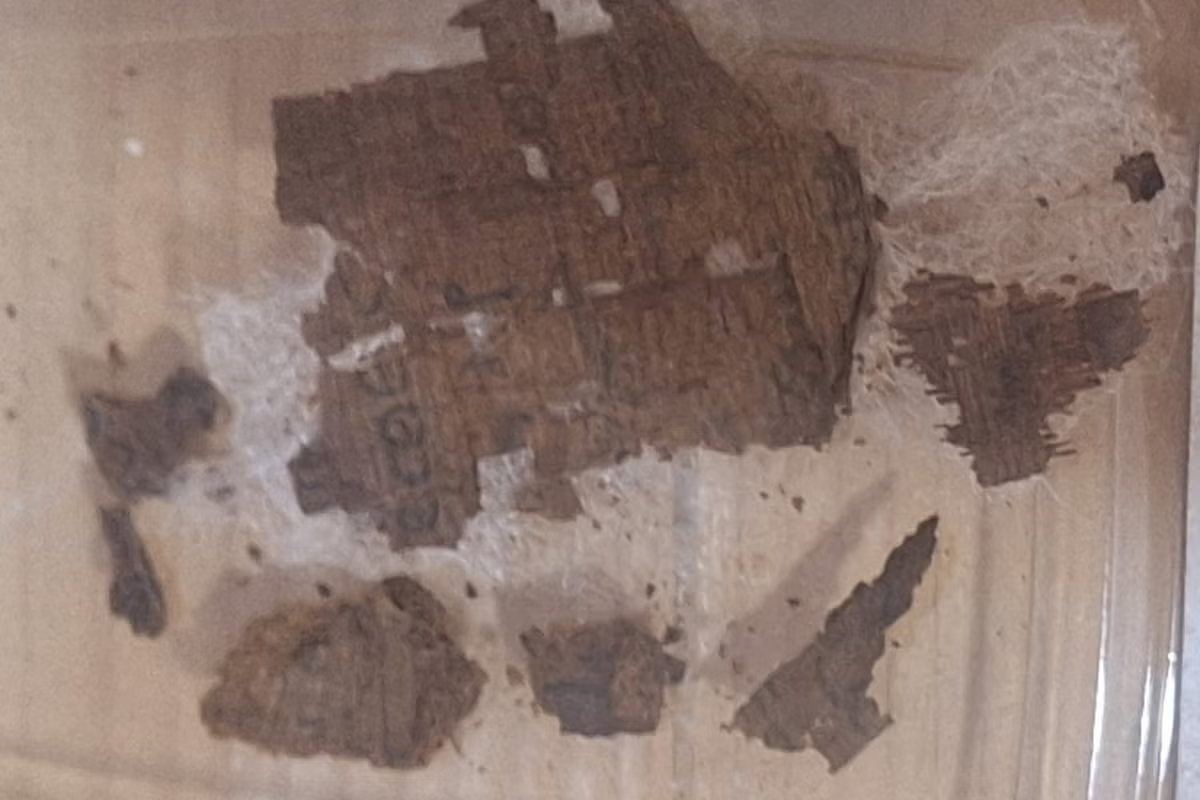
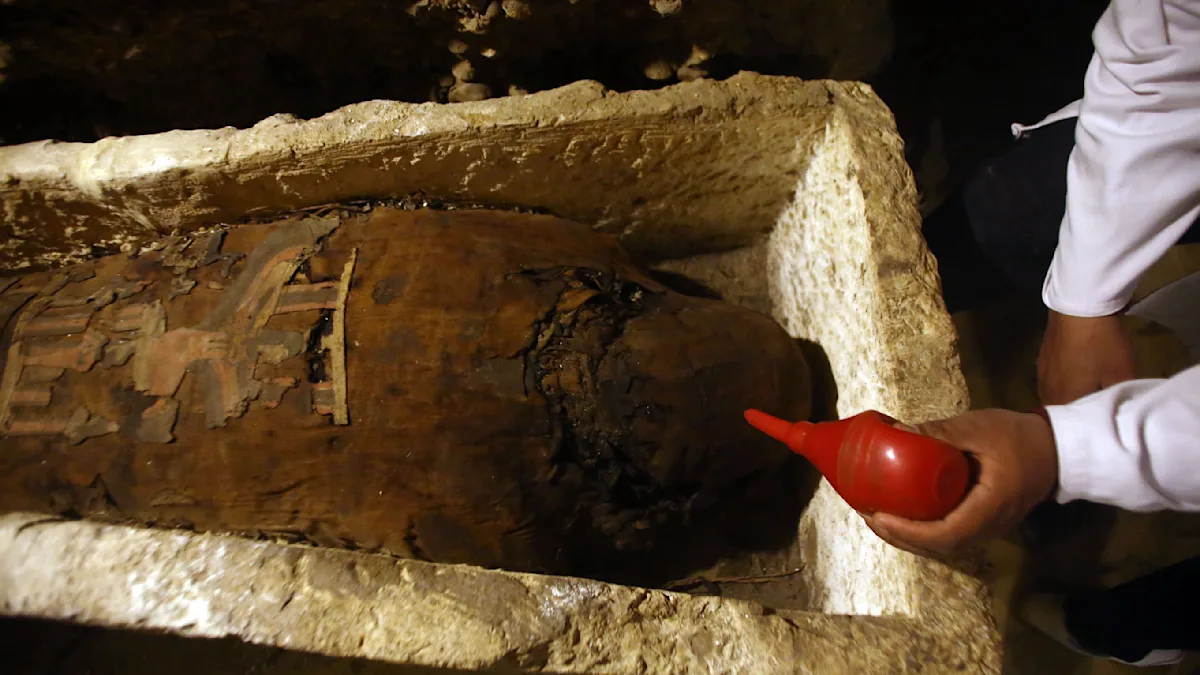
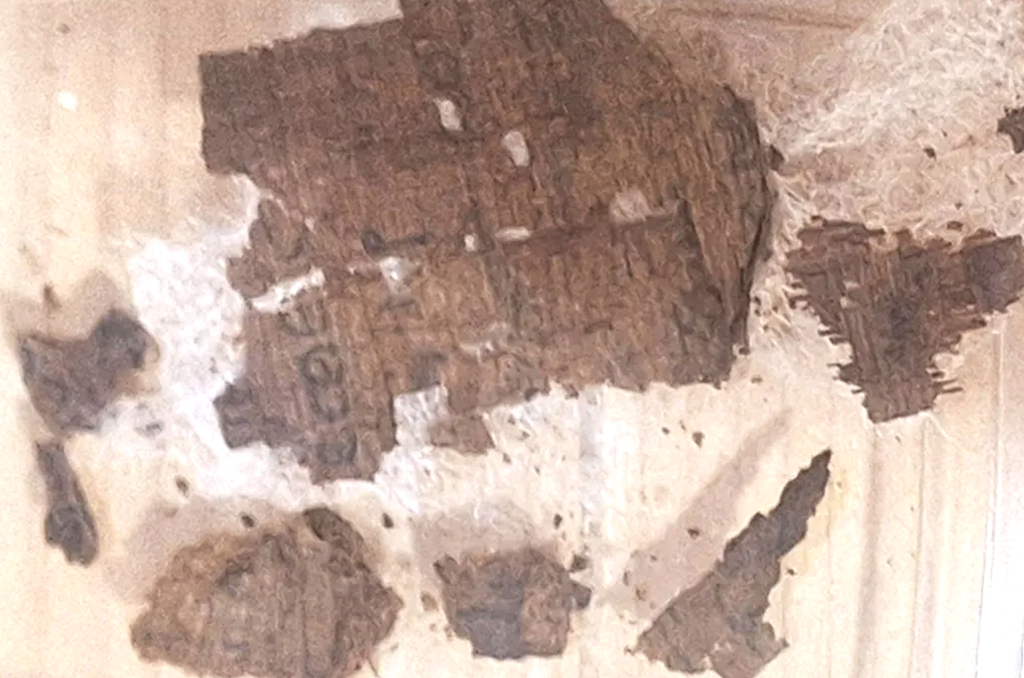
Unearthed from a 1,600-year-old Roman-era tomb in the Egyptian town of Al Bahnasa, the fragment contains lines from Book 2’s epic “catalogue of ships,” which lists all the vessels the Achaean army sends off to Troy. It dates from an era in ancient Egypt, centuries after the reign of the Greek-descended Cleopatra, when “Greek literary papyri may have functioned as a crucial cultural passport,” as the New York Times’ Franz Lidz writes.