Planet One Images / Getty Images
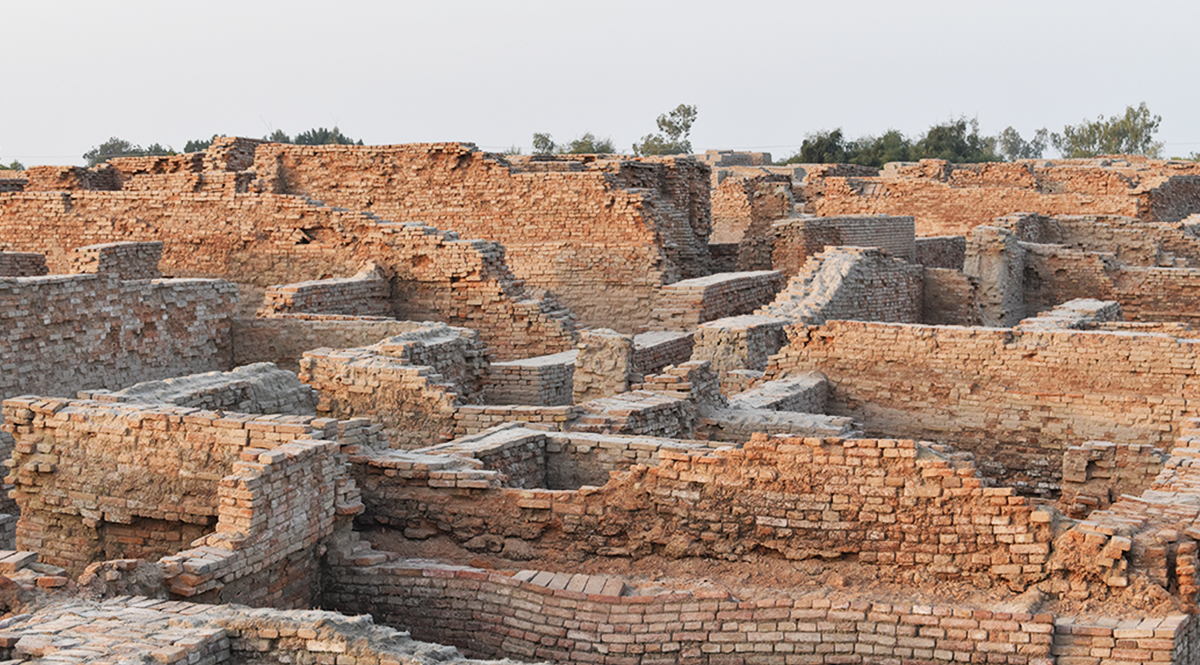
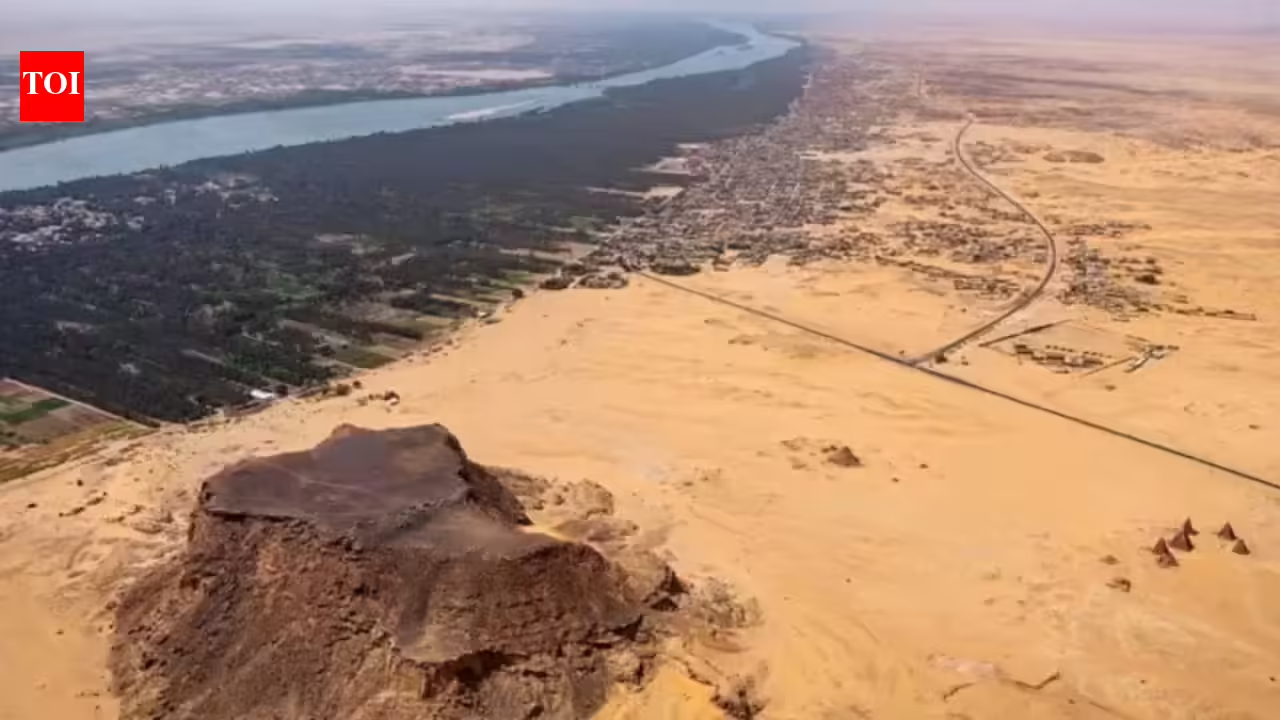
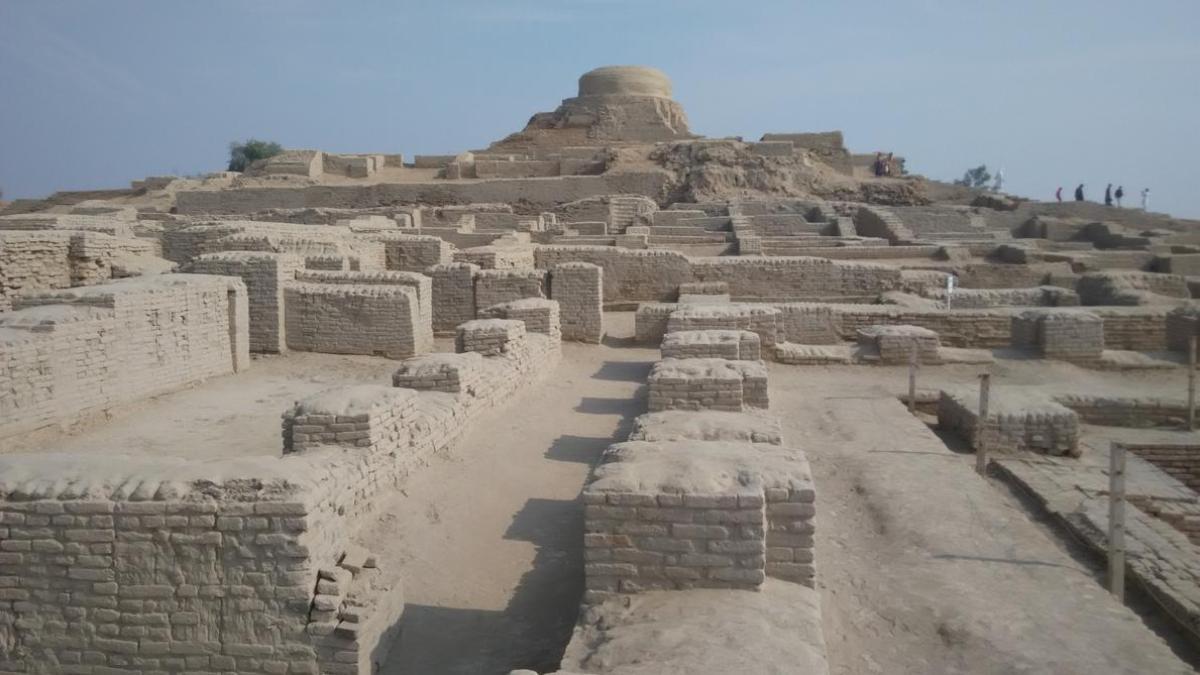
The civilizations that fill history textbooks — Egypt, Rome, Greece, China — occupy that space because their stories were preserved, translated, and absorbed into the Western academic tradition. But for every empire that made it onto the syllabus, dozens more rose, flourished, and disappeared without making the cut. Their cities are still being excavated. Their scripts are sometimes still undeciphered. Their names rarely appear outside specialist journals.
This is not a gap in ancient history. It is a gap in how history has been taught and transmitted. The civilizations in this list were not minor footnotes. Some built cities larger than anything in contemporary Europe. Some developed writing systems independently. Some engineered infrastructure — irrigation networks, road systems, urban planning — that rivals the achievements of better-known cultures. Their absence from mainstream historical consciousness says less about their significance than about which stories got amplified and which got buried, sometimes literally.
The civilizations here span six continents and five millennia. They include a Bronze Age culture in Central Asia that traded with both Mesopotamia and the Indus Valley. A sophisticated society in coastal Louisiana that built the largest earthwork complex in North America thousands of years before Columbus. A Saharan civilization that survived for centuries by engineering underground water systems in one of the most inhospitable landscapes on Earth. A city on the Peruvian coast that was already ancient when the pyramids of Giza were being built.