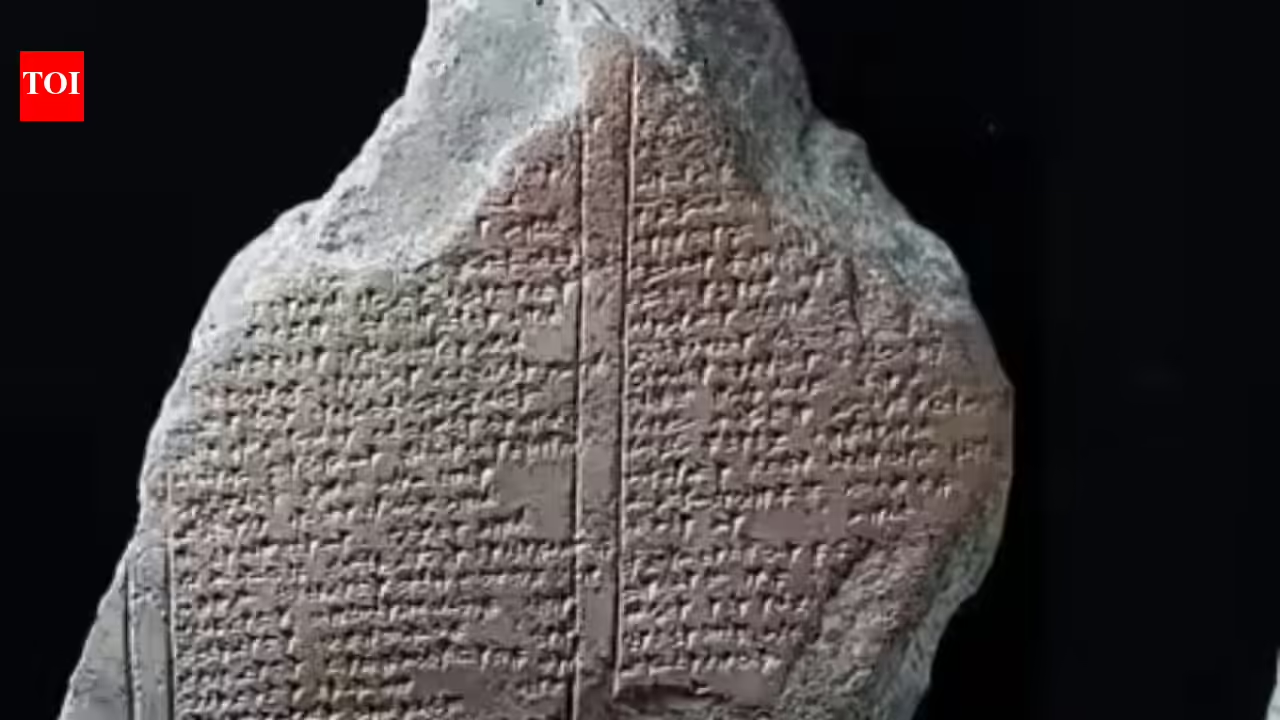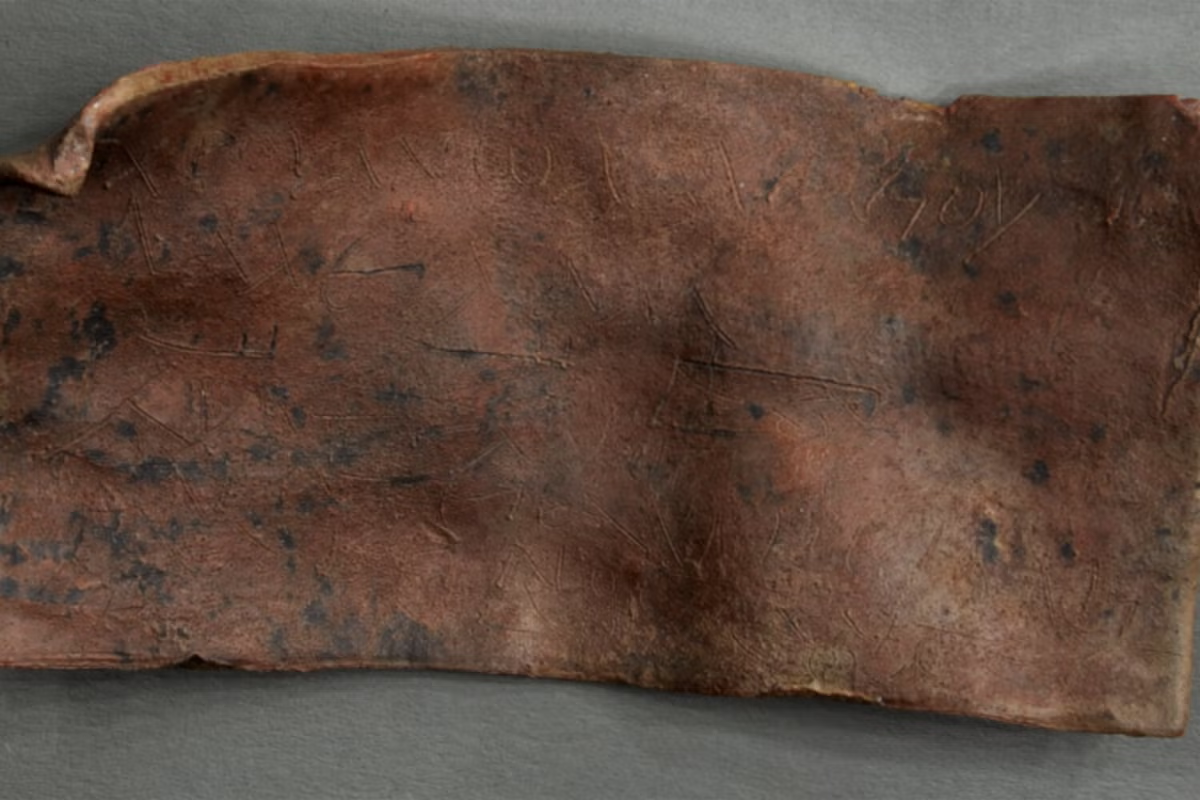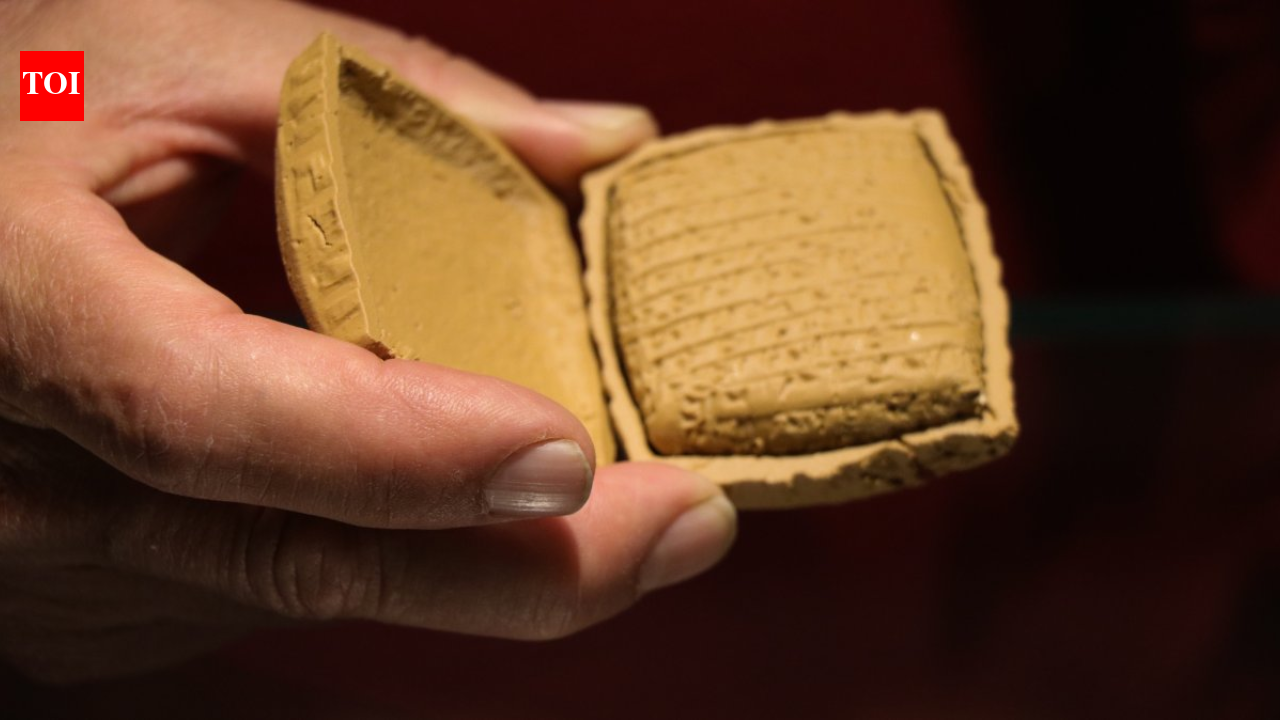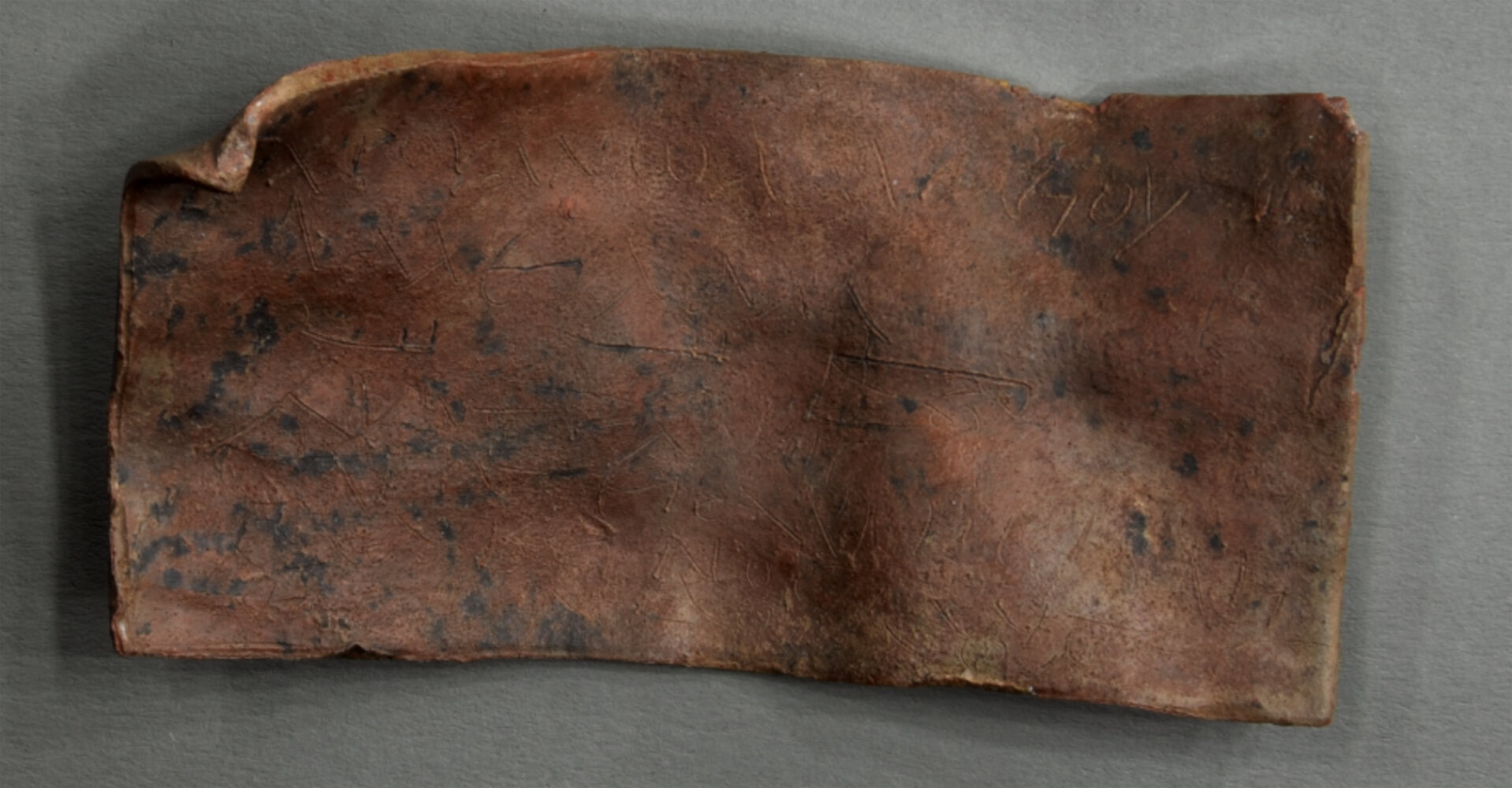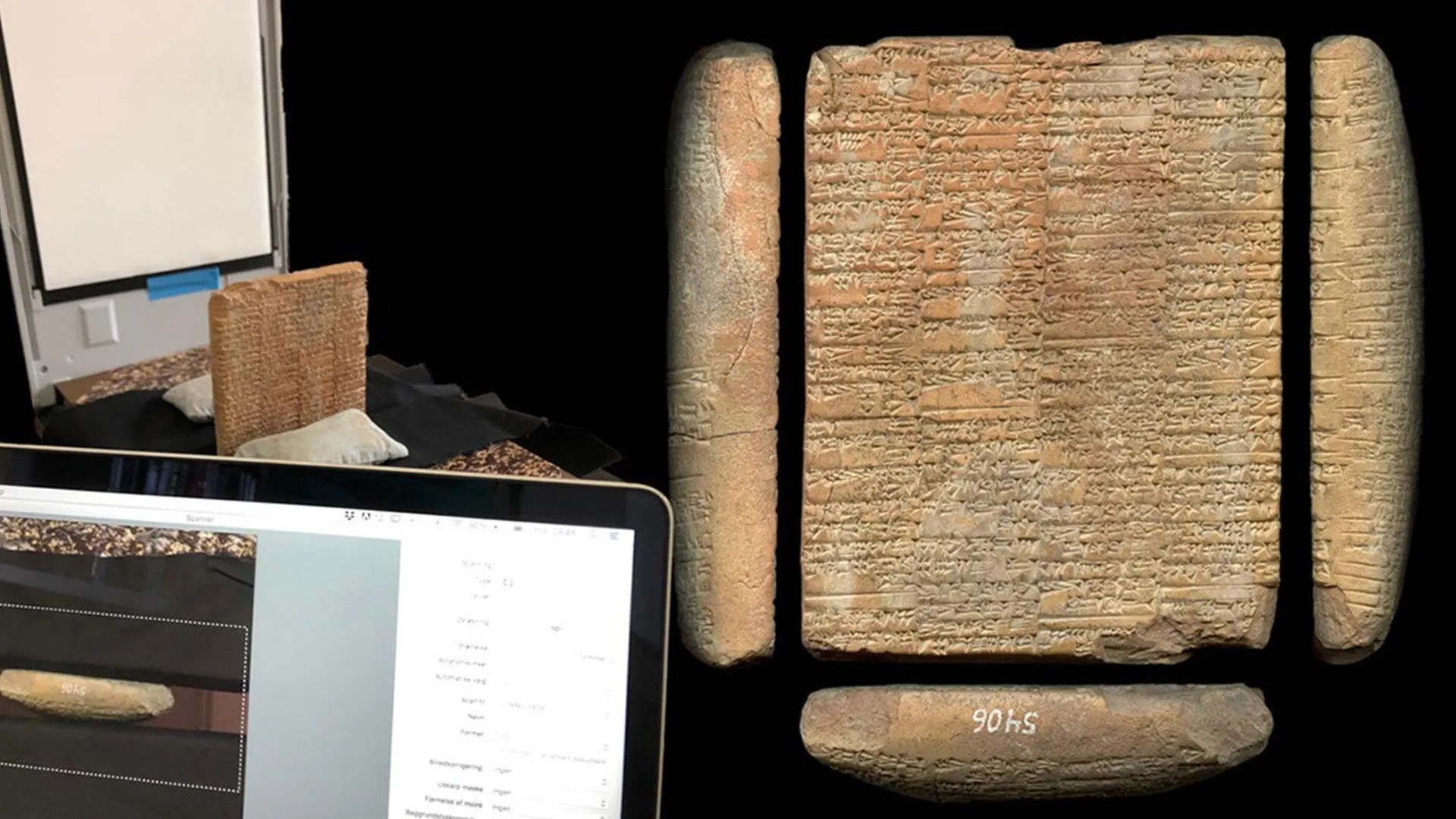
For more than a century, the National Museum has preserved a remarkable collection of clay tablets from some of the earliest civilizations in the Middle East. Many of these artifacts are over 4,000 years old and written in long-lost languages. For decades, they remained largely untouched, but researchers have now deciphered them, uncovering texts that range from magical rituals to royal records and everyday administrative notes.
About 5,200 years ago, people in what is now Iraq and Syria began pressing symbols into clay to record information. This early writing system, known as cuneiform, helped support the rise of complex cities and organized governments by allowing people to track goods, people, and decisions.
Over the past century, the National Museum has assembled a significant collection of these tablets. Until recently, however, they had not been fully studied. Researchers from the museum and the University of Copenhagen have now completed the first comprehensive effort to analyze, identify, and digitize the entire collection as part of the project 'Hidden Treasures: The National Museum's Cuneiform Collection'.
Rare Texts From Ancient Hama
As the team examined the tablets in detail, they found a wide range of content, including letters, accounting records, medical instructions, and magical texts.