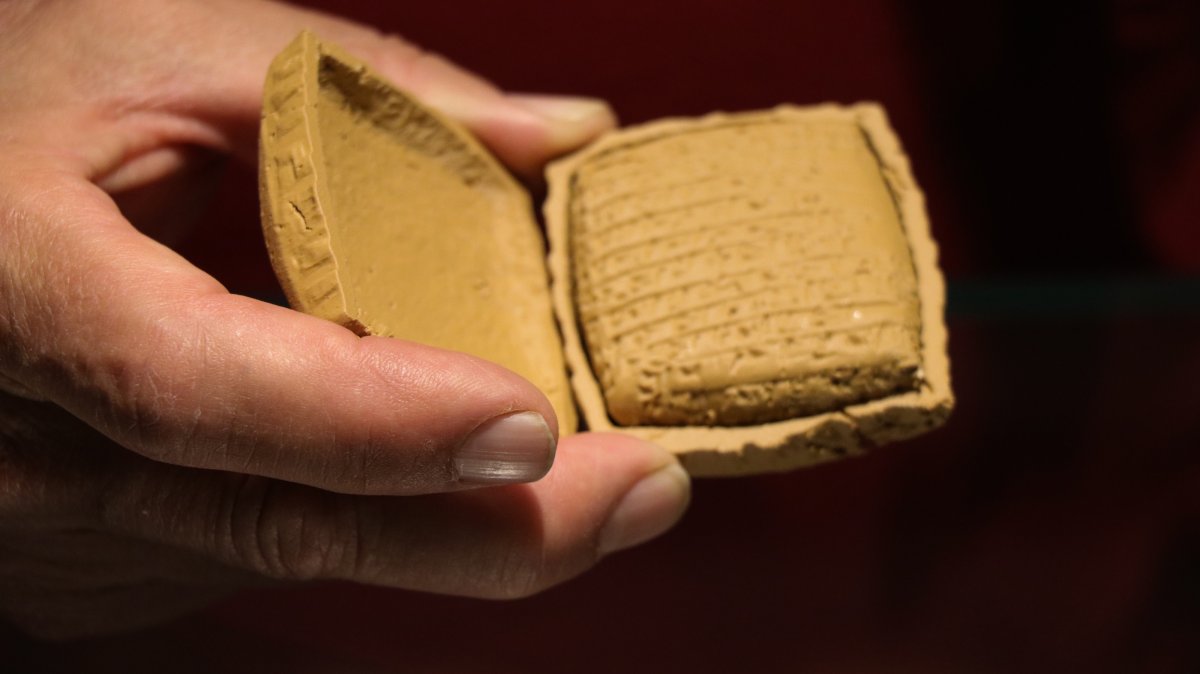
A small clay tablet no larger than a modern handheld document is offering an extraordinary glimpse into the commercial world of Anatolia nearly 4,000 years ago.
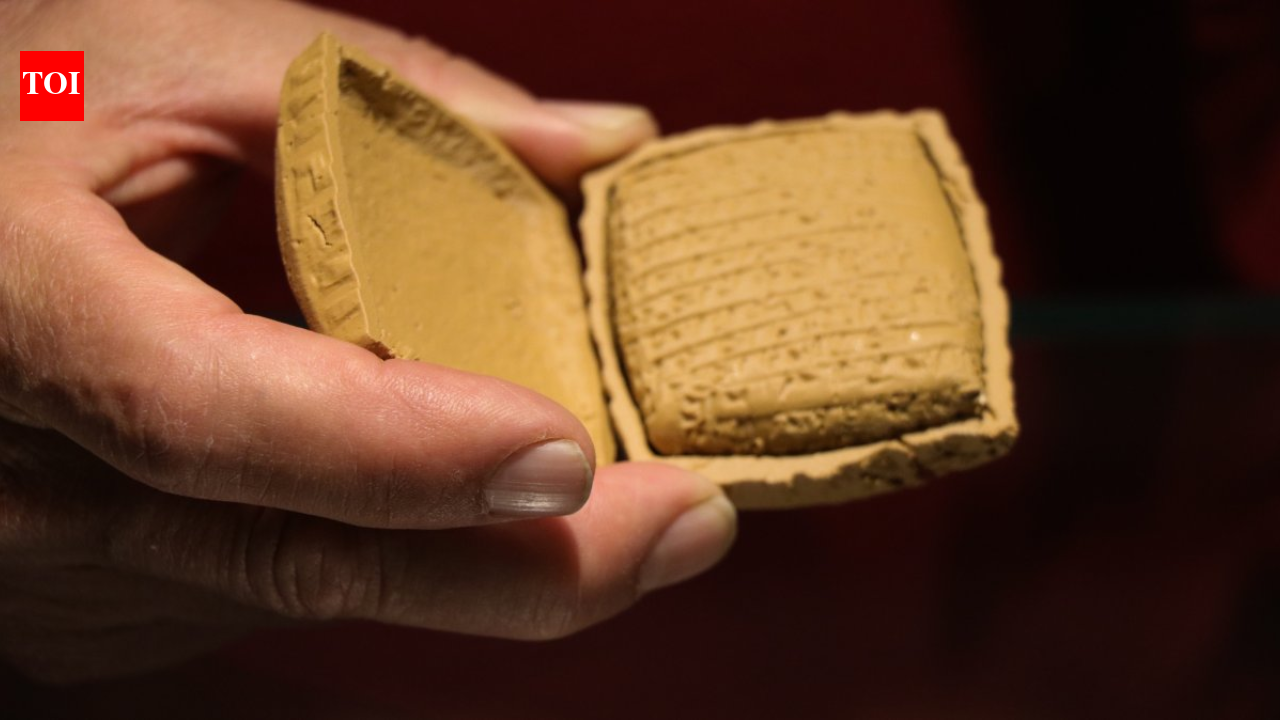
Now on display at the Kayseri Archaeology Museum, the cuneiform tablet remained sealed inside its original clay envelope for millennia.
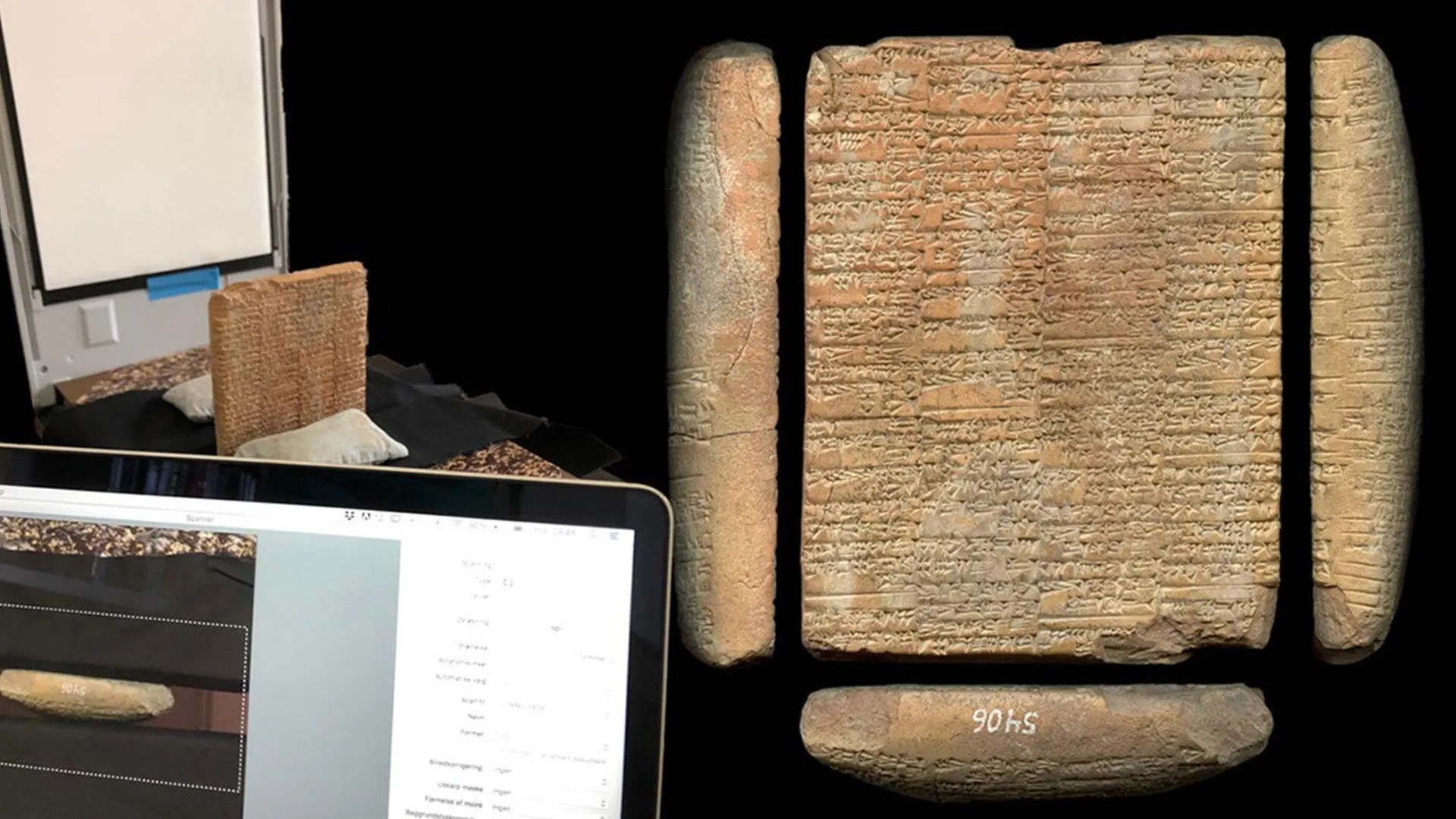
What makes the discovery remarkable is that researchers managed to read its contents without breaking the protective casing, preserving the artefact exactly as it was left by ancient merchants.
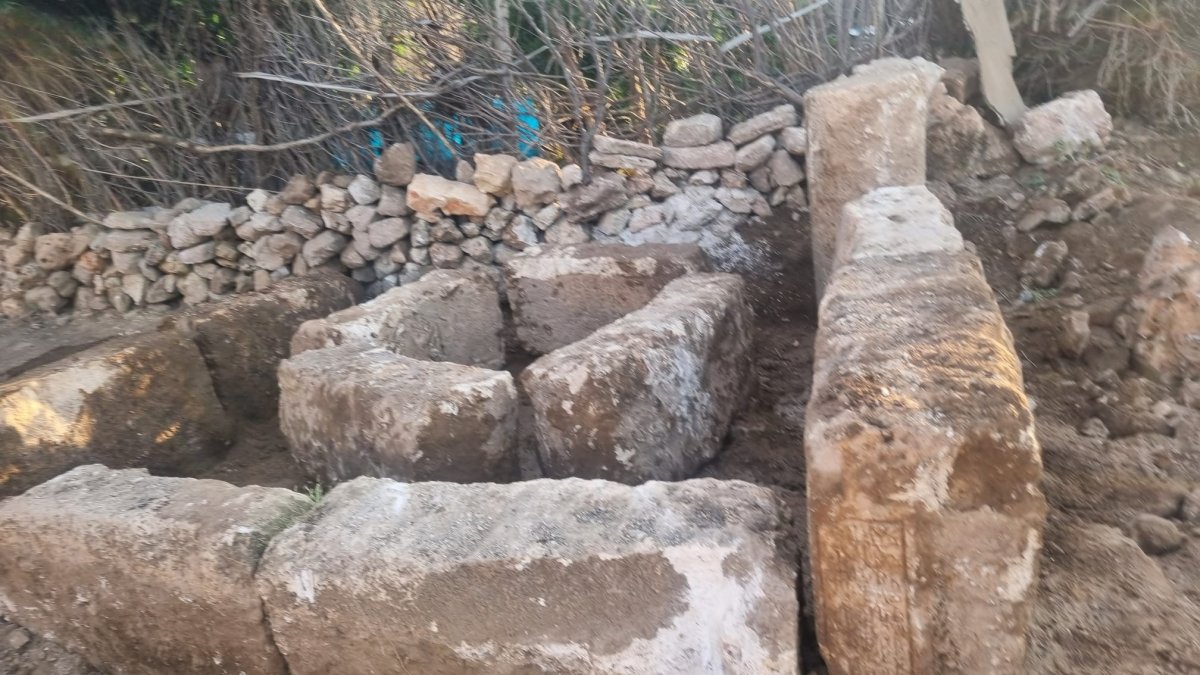
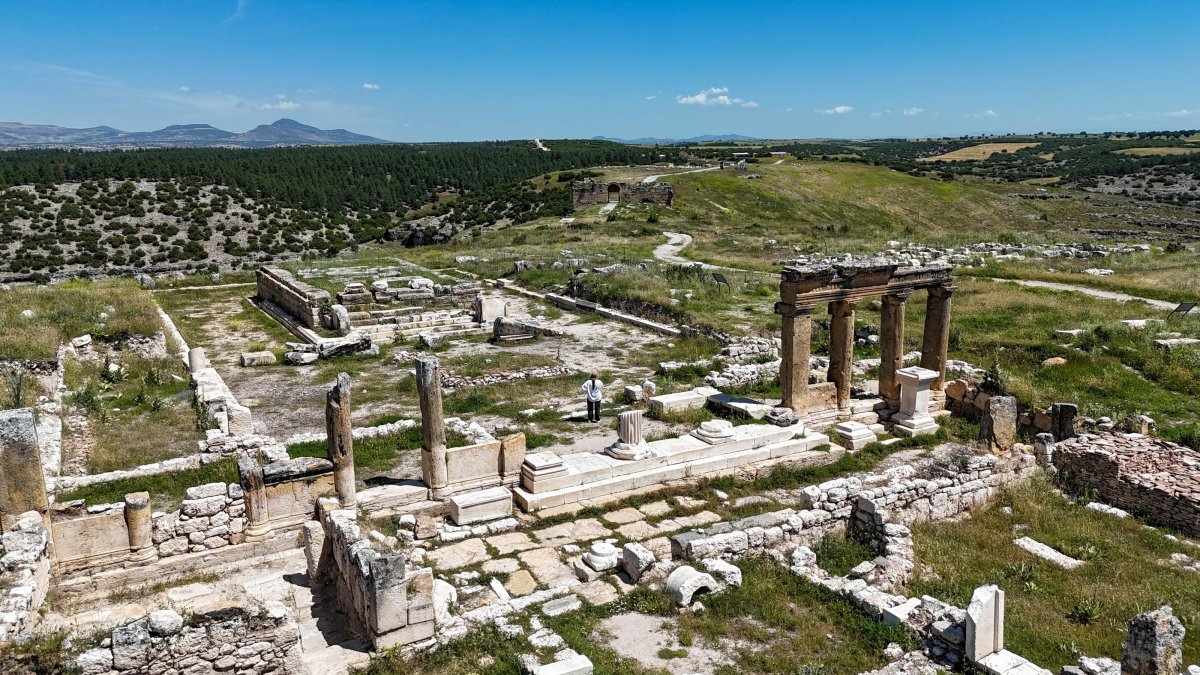
Unearthed at the renowned settlement of Kültepe Kanesh-Karum, one of the earliest centres of organised trade in Anatolia, the tablet records a commercial agreement involving wheat and barley.
The find demonstrates how modern imaging technology is transforming archaeology while revealing the sophistication of ancient business networks that flourished long before the modern age.How scientists read the 4,000-year-old sealed Turkish clay tablet without opening itThe tablet was discovered during excavations at Kültepe Kanesh-Karum, an archaeological site near Kayseri that has yielded more than 23,500 cuneiform documents since excavations began in 1948.