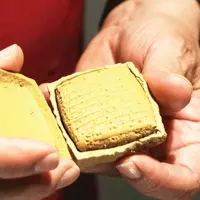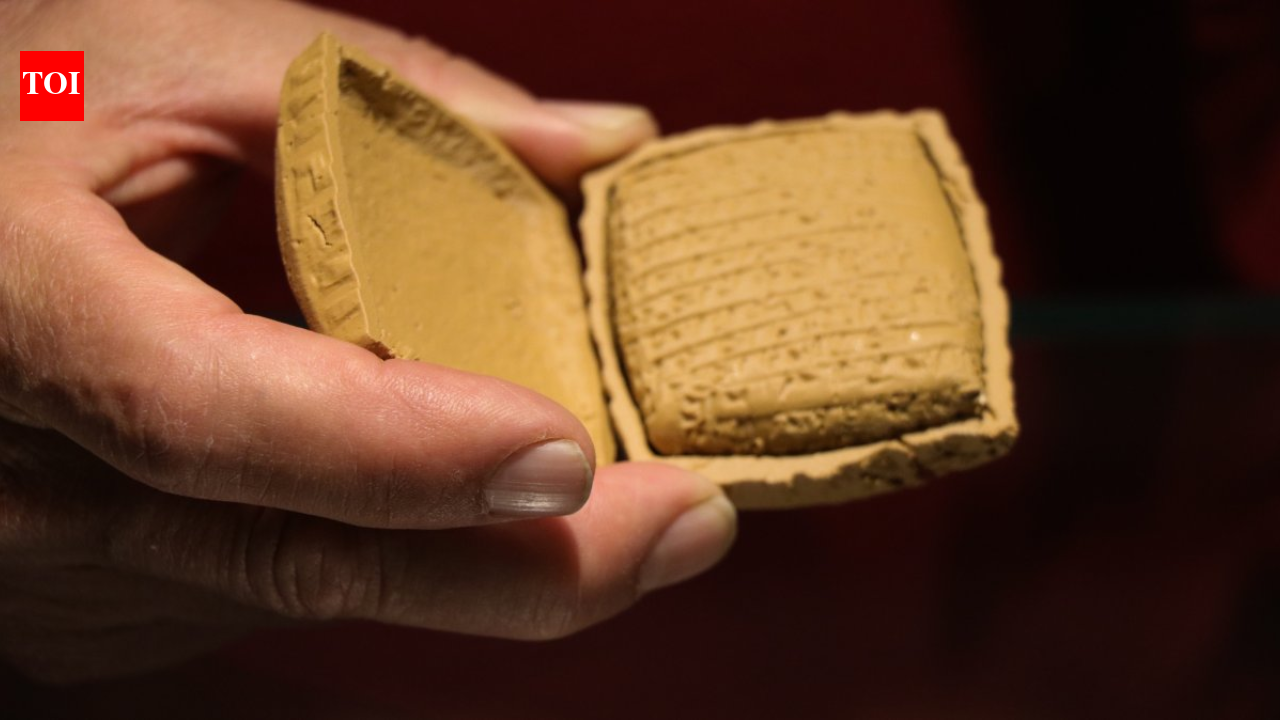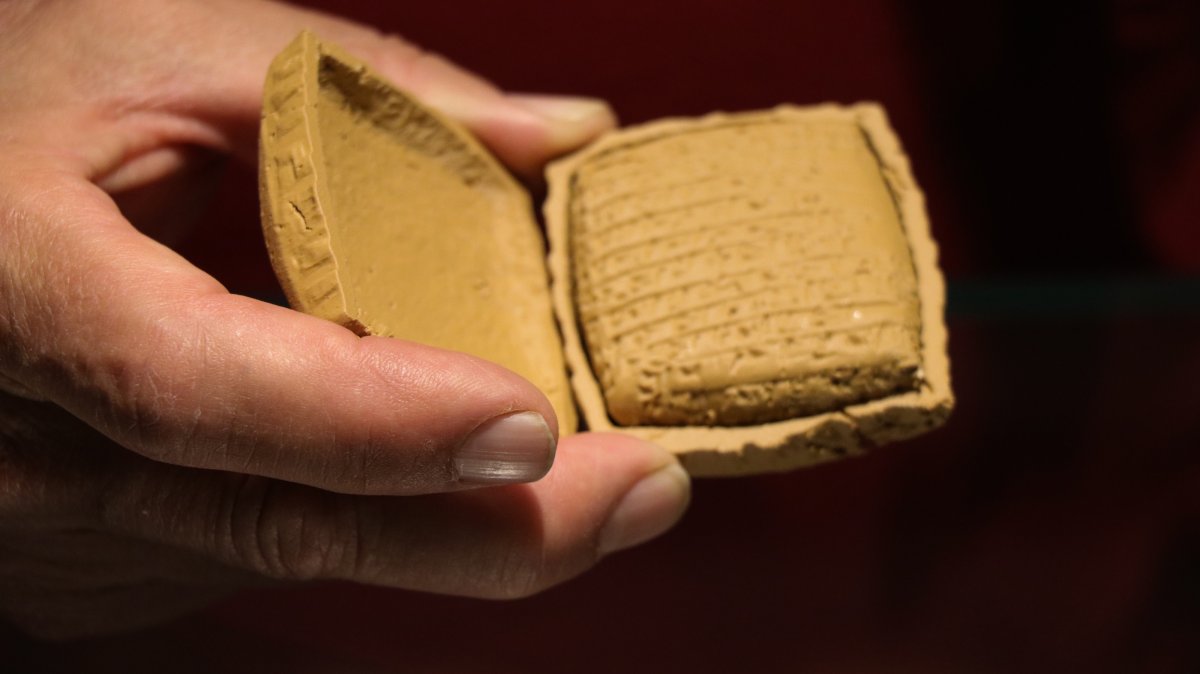
Kültepe Kaniş/Karum Höyüğü excavations in central Türkiye have yielded a 4,000-year-old clay tablet preserved inside a mud envelope, now on display at the Kayseri Archaeology Museum.
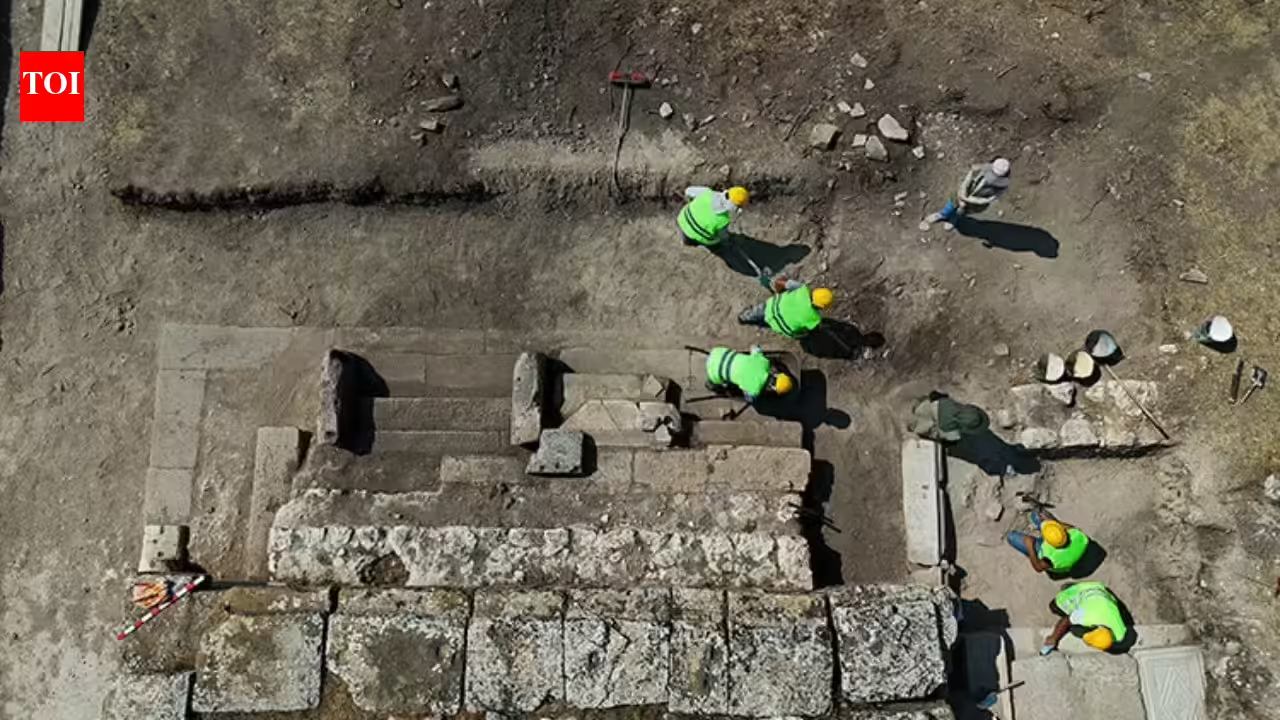
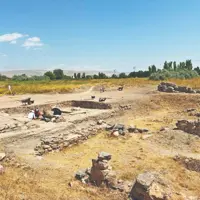
At the site of Kültepe, located about 20 kilometers northeast of Kayseri city center, excavations have been ongoing since 1948. Of the cuneiform tablets recovered there, 28 are exhibited at the museum for visitors.
Among the artifacts displayed at the Kayseri Archaeology Museum is the sealed tablet preserved in a clay envelope. Its cuneiform script was recently deciphered through a joint project by France’s Centre National de la Recherche Scientifique (CNRS) and the University of Hamburg.
Using advanced imaging techniques, researchers read the text without opening or damaging the envelope. The tablet records a commercial agreement involving wheat and barley between Şawidaşu, son of Şarapunuwa, and Enişar.
Fikri Kulakoğlu, an academic at Ankara University and head of the Kültepe excavation team, told Anadolu Agency (AA) that about 23,500 cuneiform documents have been uncovered to date. He said the collection has been inscribed into UNESCO’s Memory of the World Program under the title “Private Assyrian Trader Archives.”