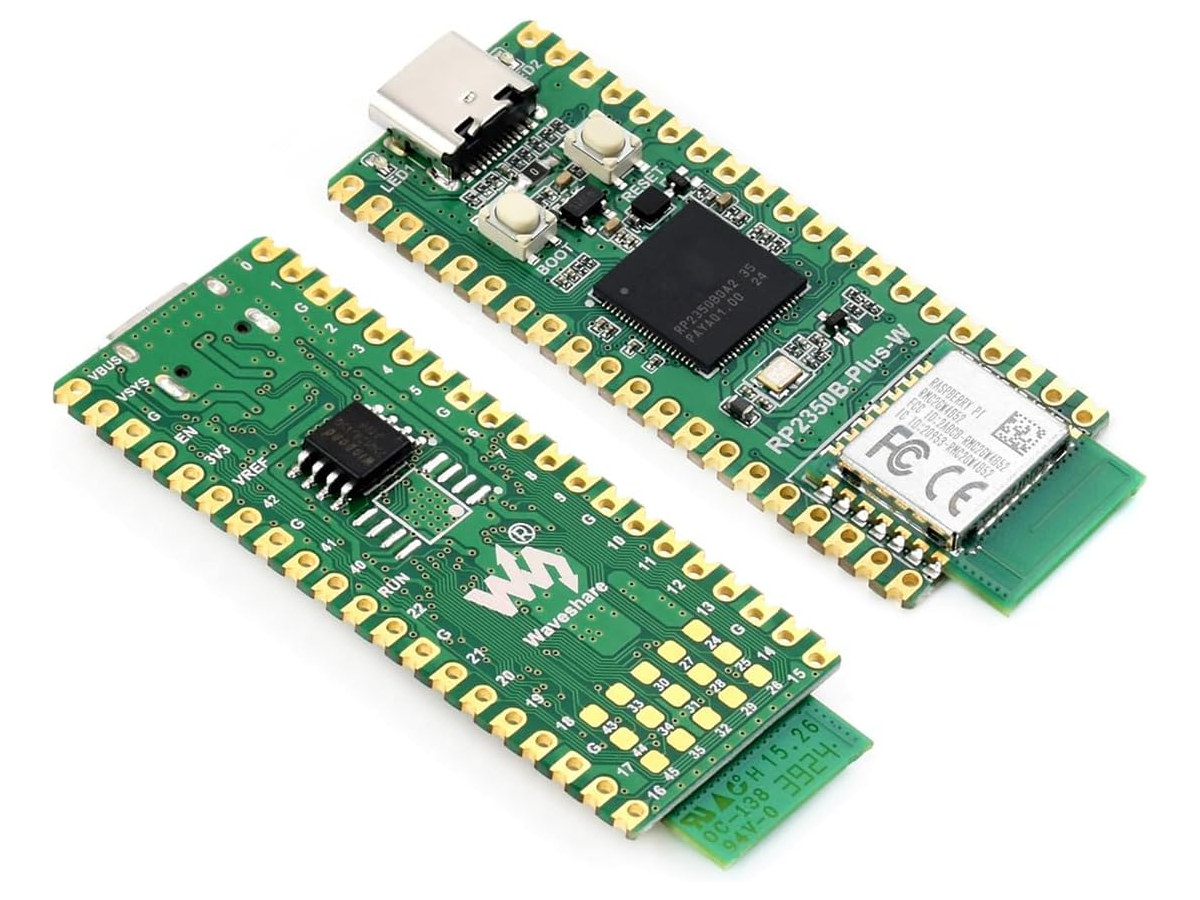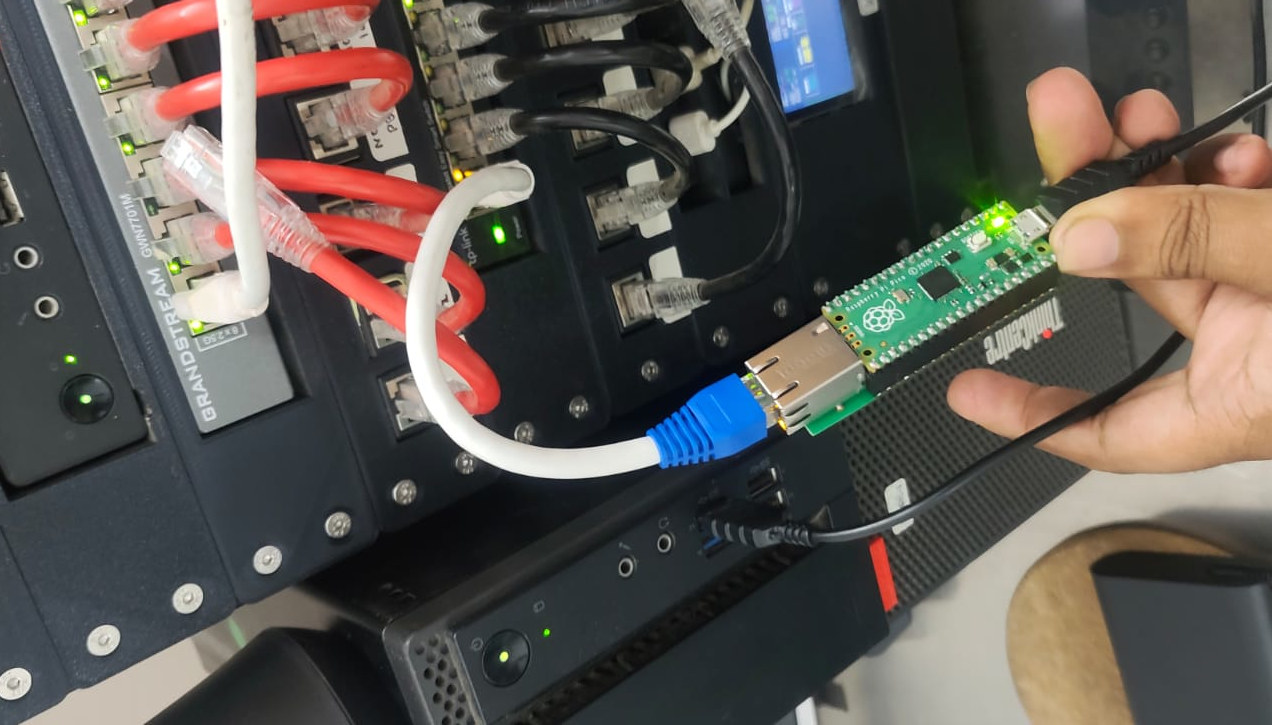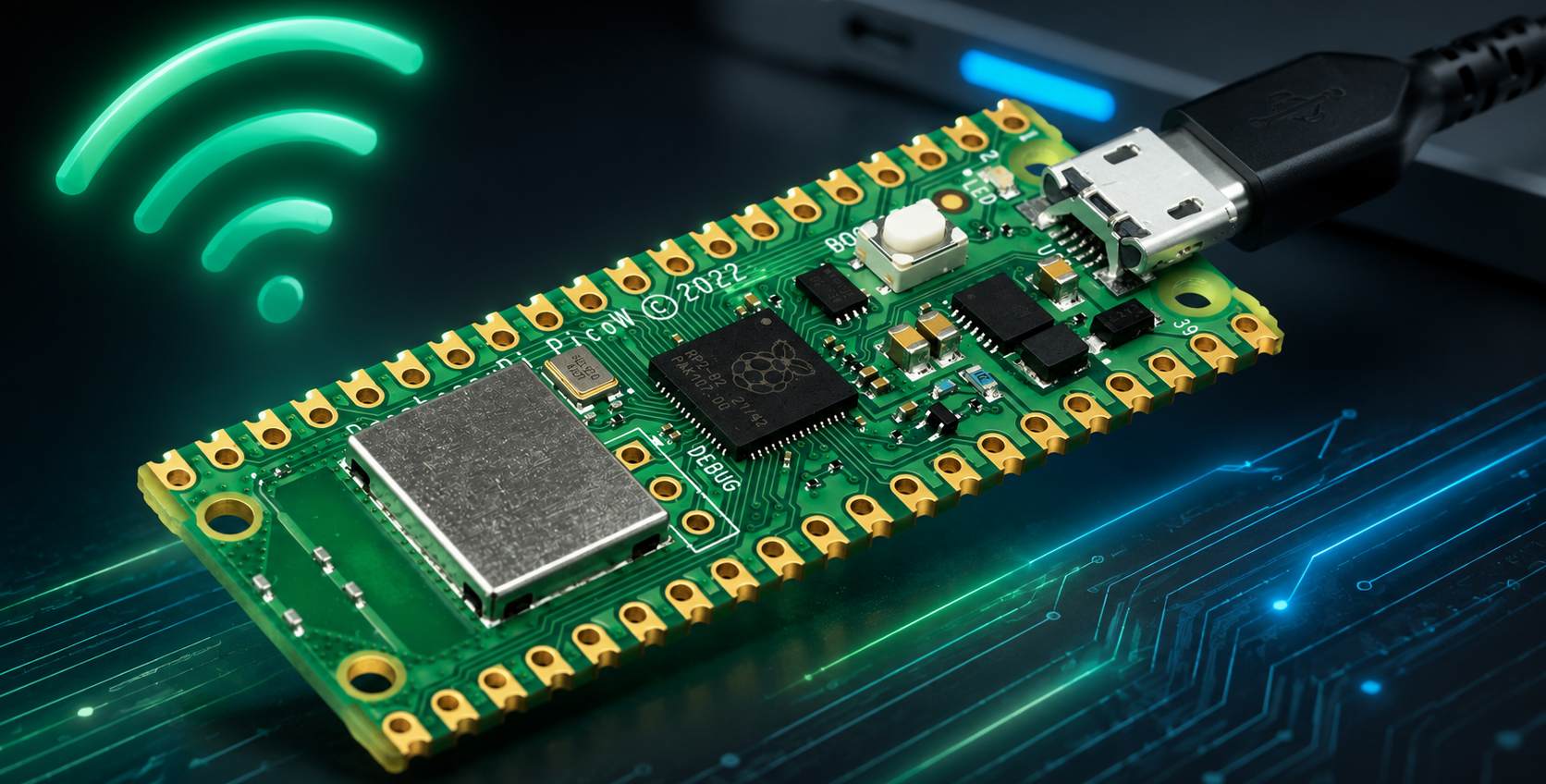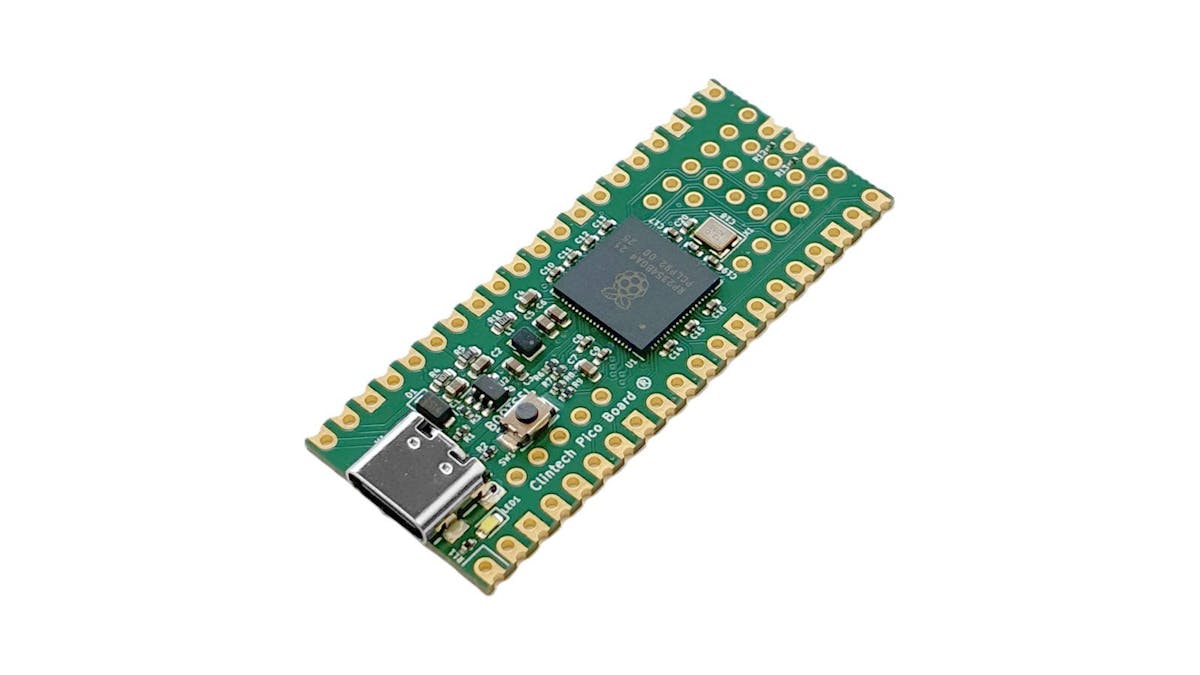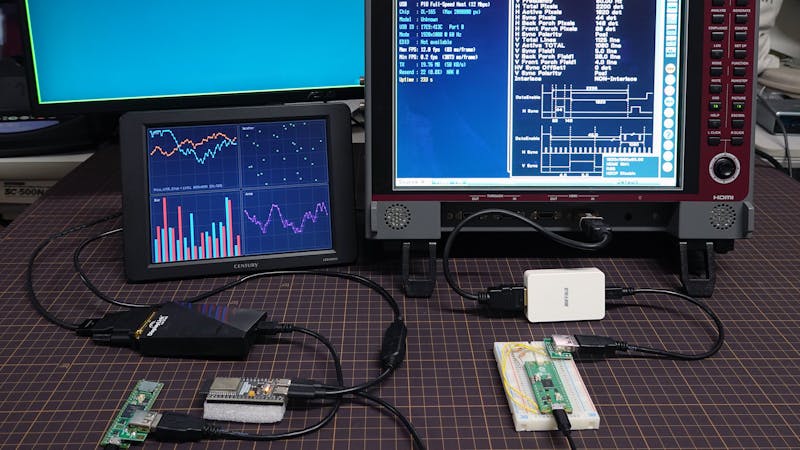
The Raspberry Pico microcontroller is a stunning device that can be employed in several application areas, from reading sensor data, drawing pixels on a screen, and consuming APIs. Its small form factor, enough hardware power, and programmable behavior contribute equally. But did you know that the Pico can be used for hacking as well?
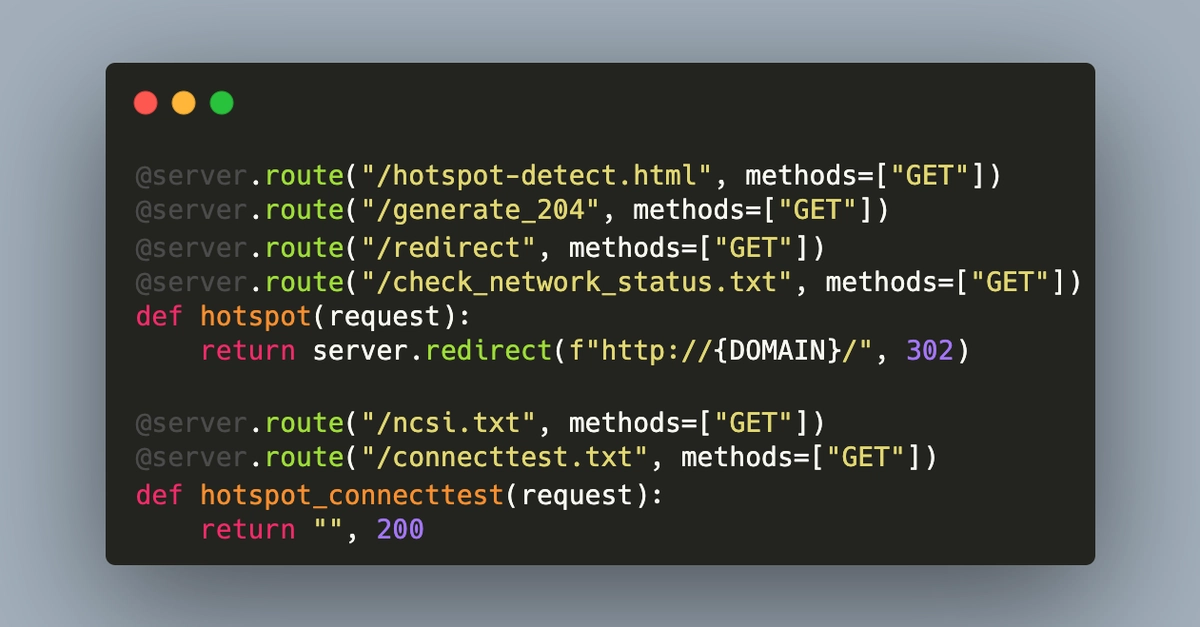
This article shows how to create a captive portal that runs on a Raspberry Pico W. A captive portal is an informal way with which client devices connect to local WiFi with the intention to gain full access to the internet. Since clients connect unsolicited to these portals, and because the user provides some amount of personal information, several exploits can be engineered. Creating a captive portal is surprisingly easy with the right software and the knowledge which clients require which URLs. You will learn both aspects in this article.
This article is for educational purposes only. Only use computers and devices that you own, and be mindful that they can be damaged.
The technical context for this article is MicroPython v1.23.0 and the webserver/webpage templating library phew v0.0.3. The examples should work with newer versions too, but might require some code changes.