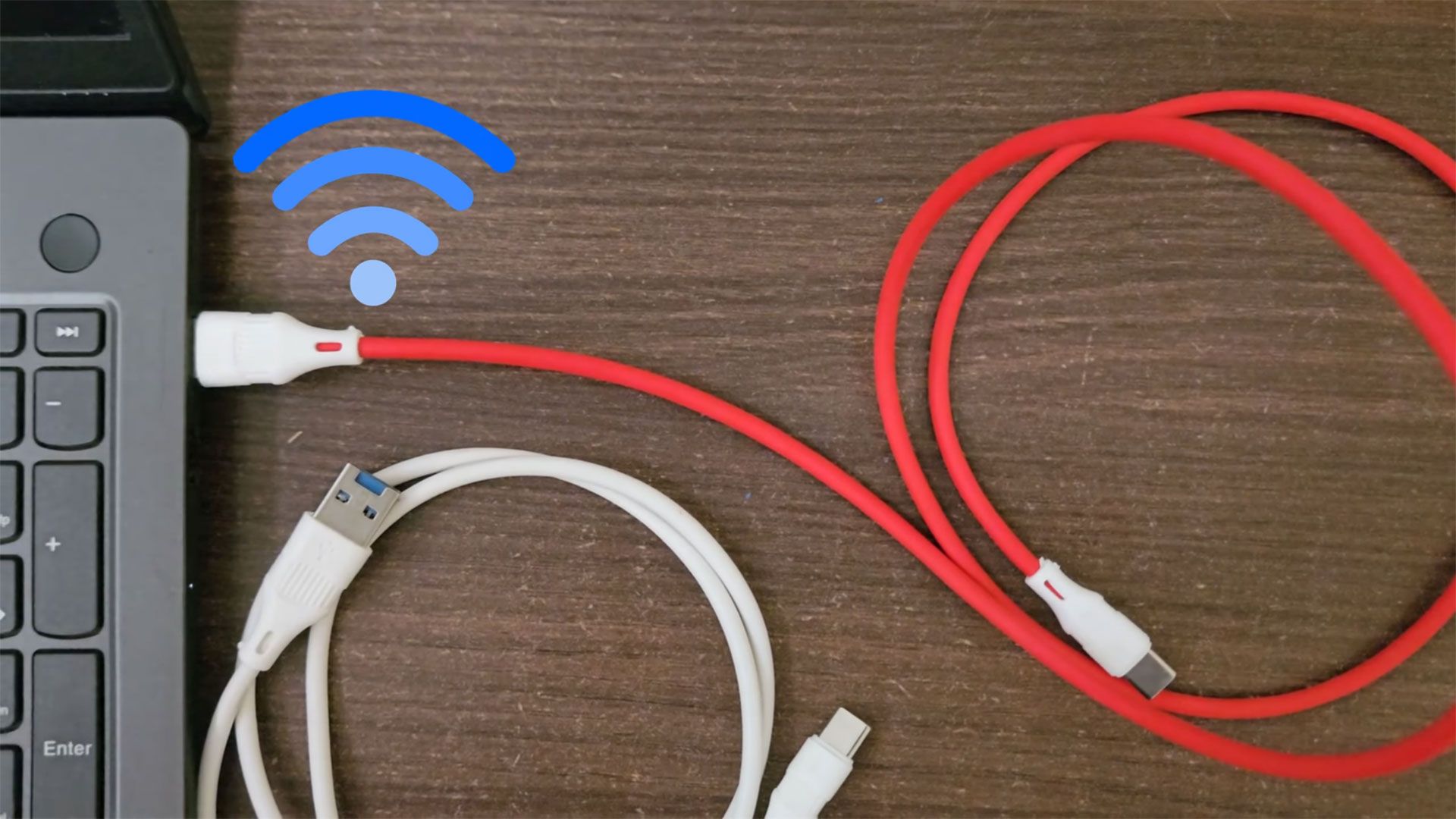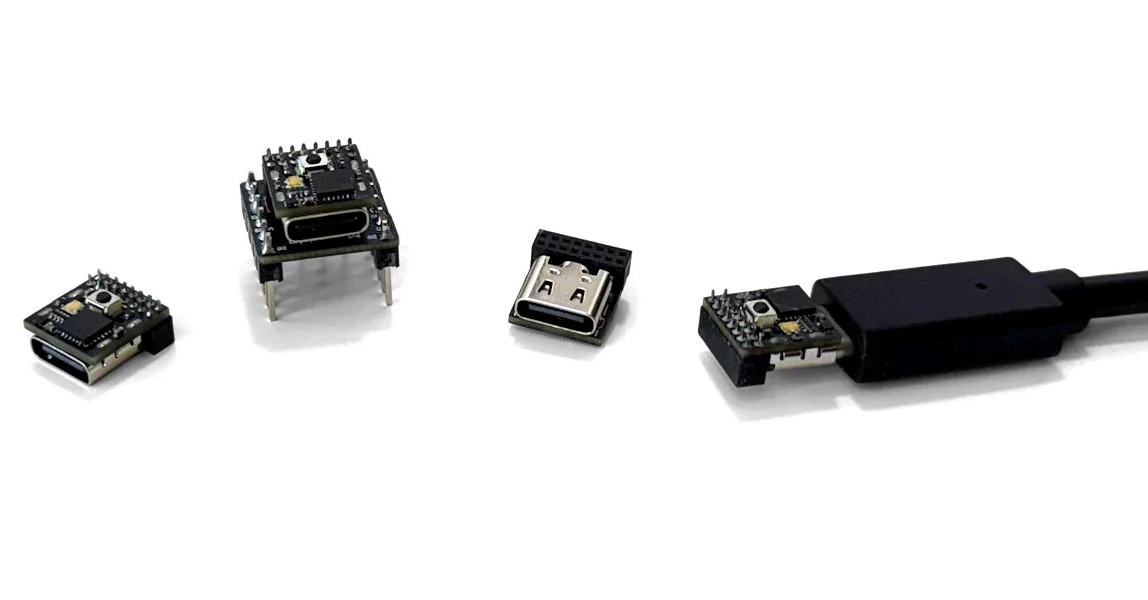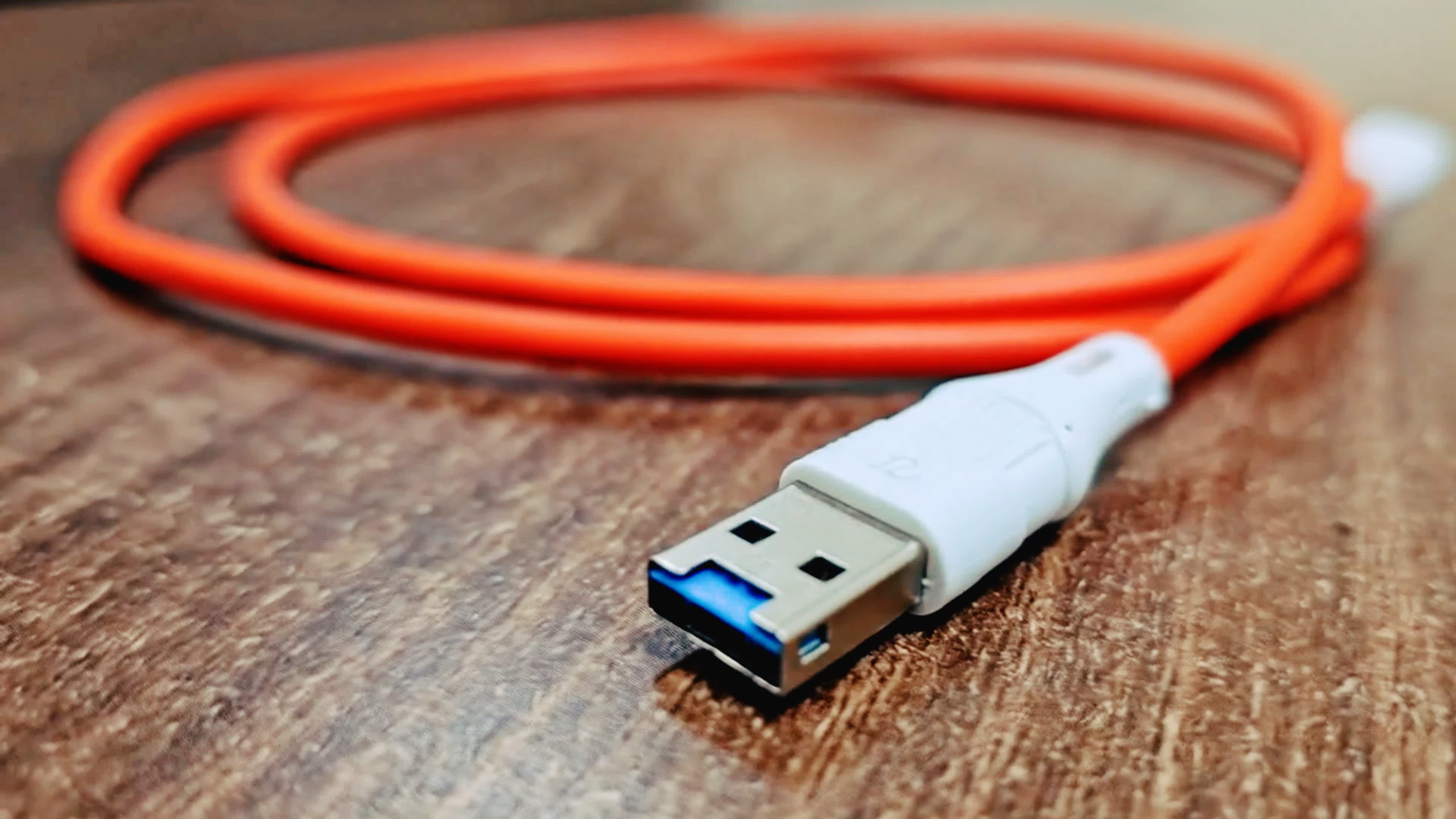
FIRST LOOK: The Hacknect cable conceals inside an ESP32-S3 microcontroller, a chip more commonly found on development boards than tucked inside a cable. By hiding it there, the idea is to turn a simple accessory into a programmable device.
A USB cable is not typically something that raises eyebrows. Most people plug one in and move on. But a Kickstarter device is challenging that assumption by packing a surprising amount of computing power into something that looks completely ordinary.
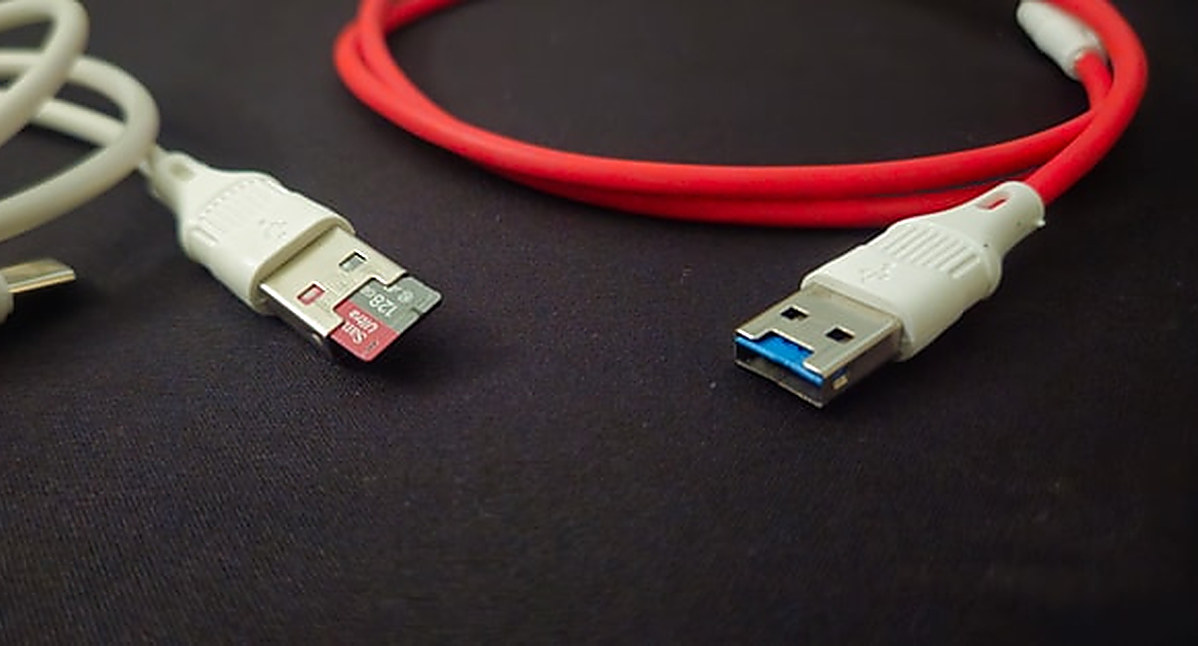
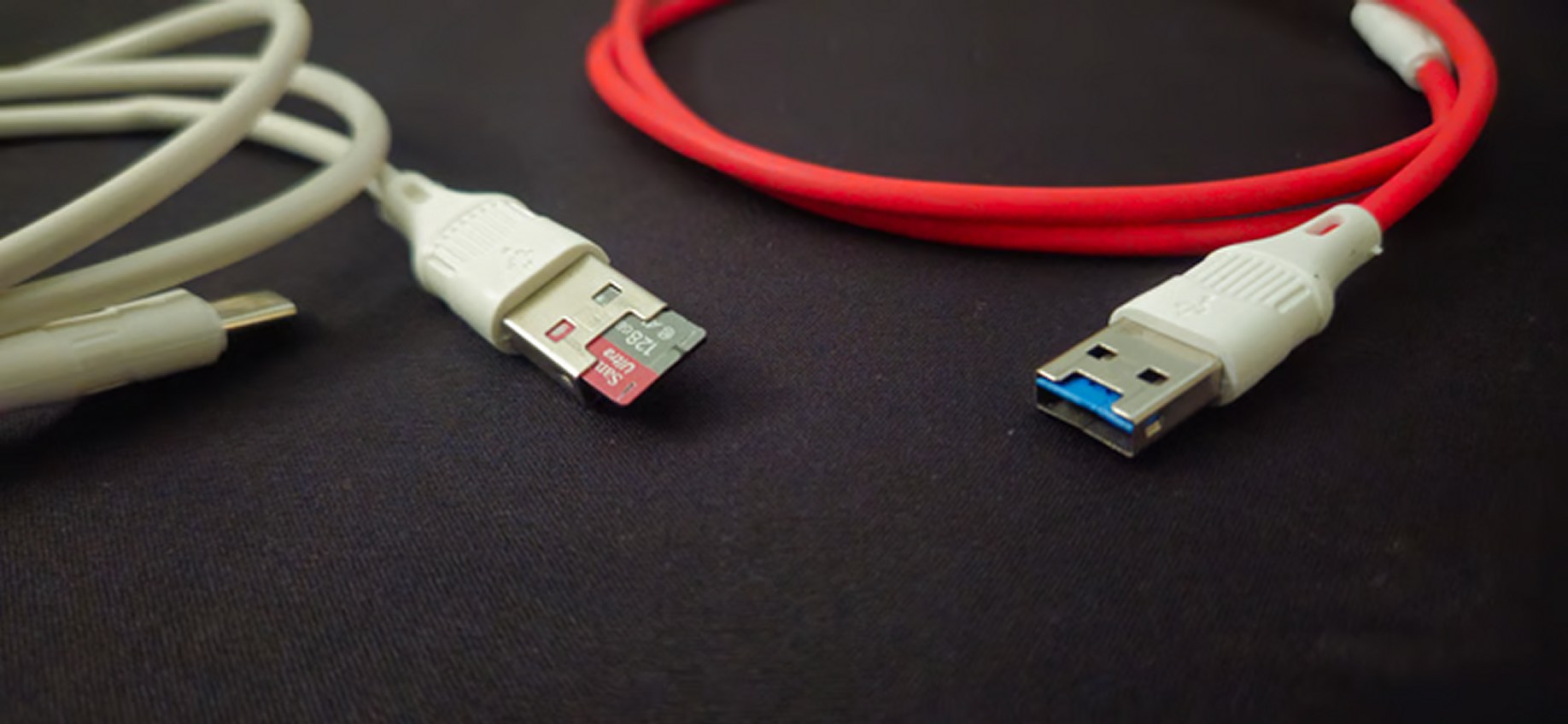
The engineering choice is deliberate. The chip targets AIoT workloads and includes 2.4 GHz Wi-Fi, Bluetooth LE, and well-established software support. It is paired with a microSD slot hidden inside the USB Type-A connector, though nothing about the cable's exterior gives that away.
From a functionality standpoint, Hacknect works in two ways. On the surface, it behaves like a standard USB cable, supporting data transfer and charging. Underneath, it functions as a programmable interface that can interact with connected devices. HID emulation can simulate keystrokes or mouse inputs, effectively mimicking user behavior at the system level.
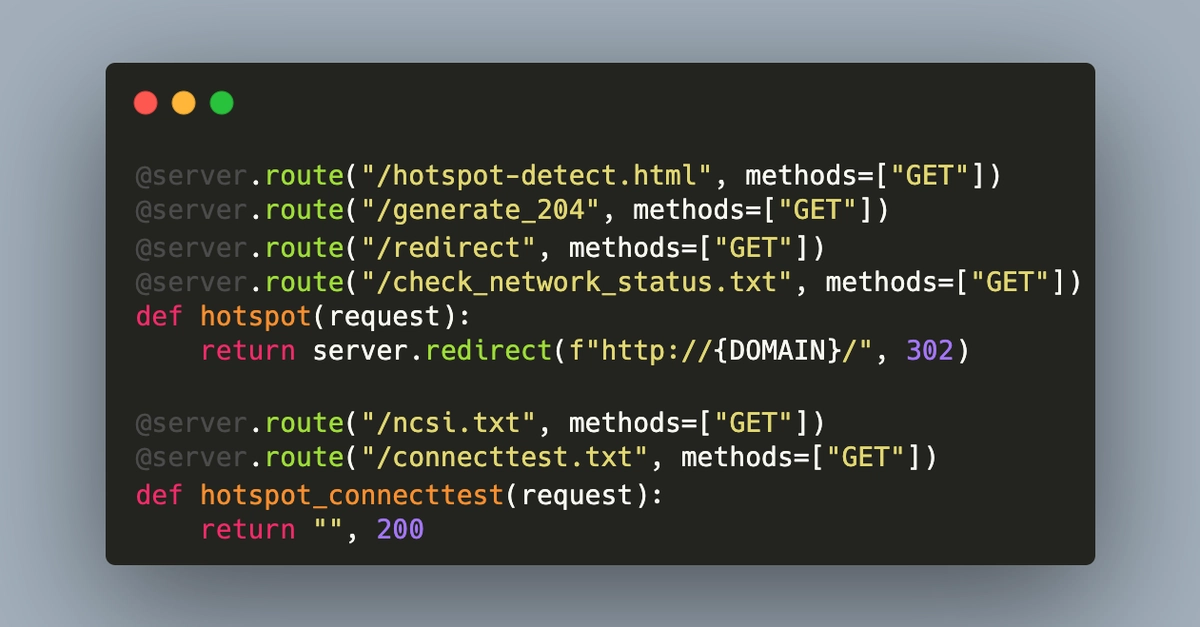
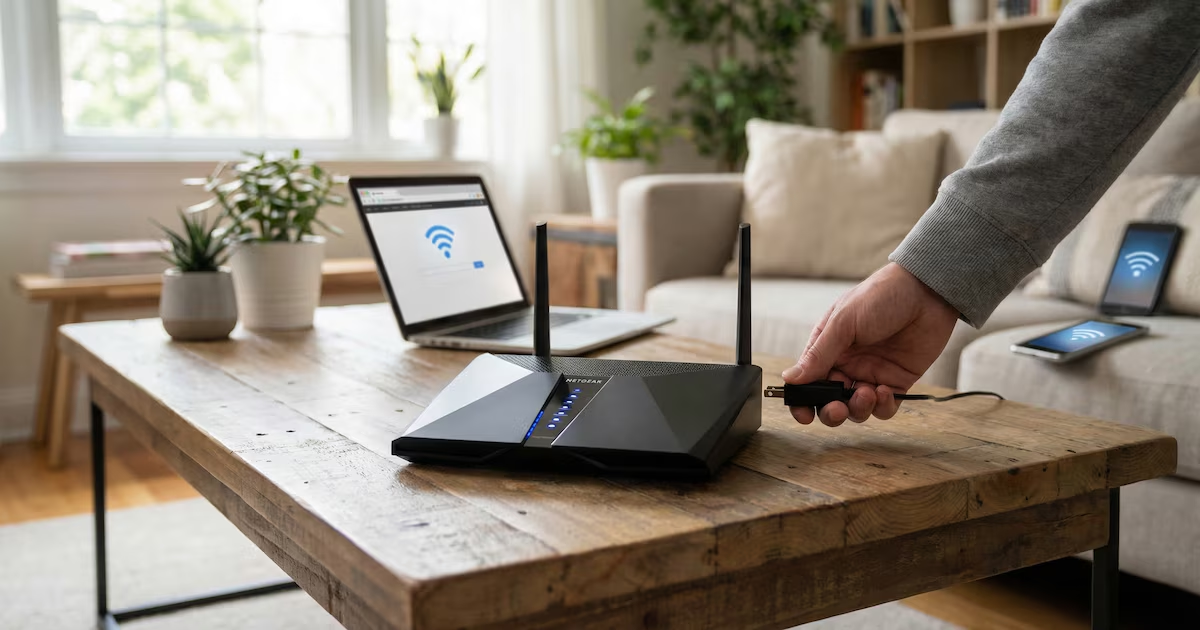
The device is controlled from a browser-based interface. Once connected, users can manage payloads, configure actions, and trigger commands from a phone or computer. Those payloads are stored locally on the microSD card, keeping the system self-contained and portable.