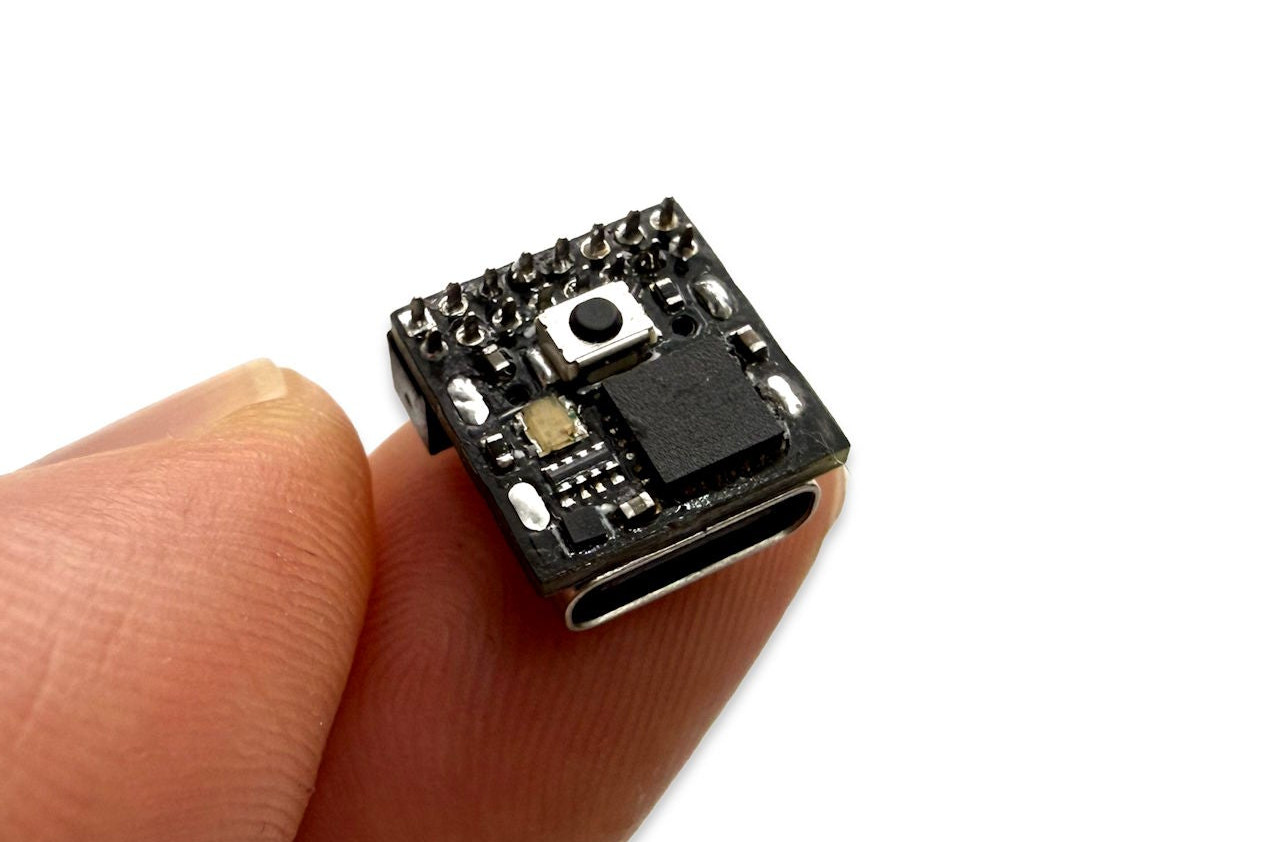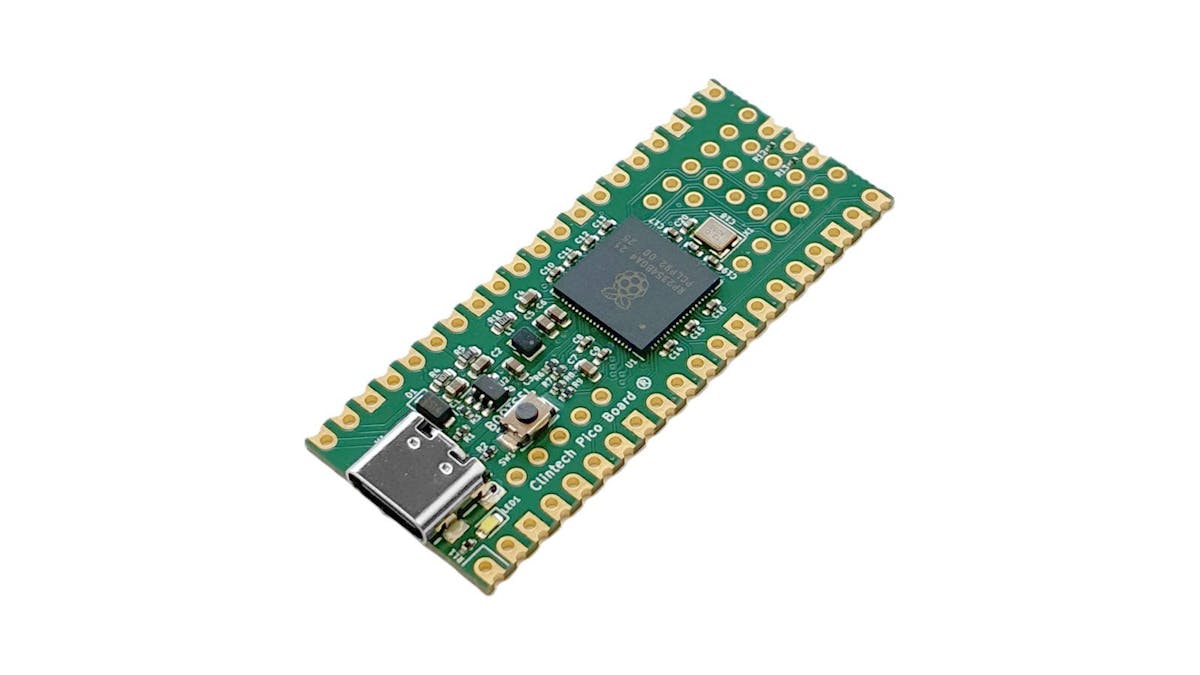
You know the moment. The build is finally coming together, you count your free pins, and the display, the sensors, and the motor driver have already eaten every last one. Anyone who has pushed a Raspberry Pi Pico 2 past a simple blink sketch has smacked into this wall. Clintech's new Pico Board is built for exactly that moment.
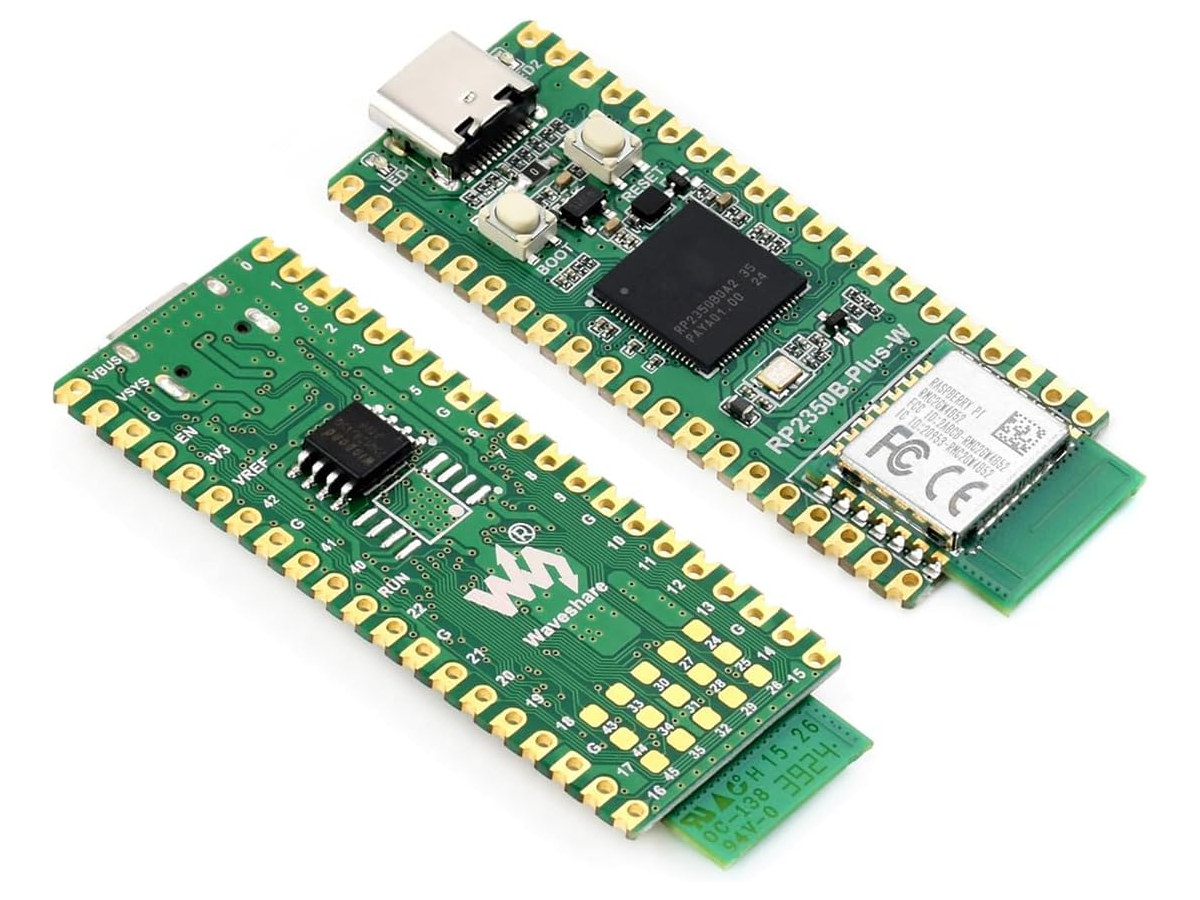
The standard Pico 2 breaks out 26 GPIO pins, which is plenty for a first project but tight once peripherals start stacking up. The catch is that the RP2350 silicon underneath can actually drive up to 48 GPIOs, and the regular board simply never exposes them all. Clintech's Pico Board keeps the familiar Pico 2 shape and pinout but routes every one of those 48 pins to the edge, so you get the chip's full I/O without jumping to a bigger, unfamiliar platform.
Because it holds a 1:1 footprint with the original, it drops straight into hardware you have already designed around the Pico. That makes it a low-friction upgrade instead of a redesign, which is a lifesaver when a thesis prototype outgrows its pin budget the week before the demo.
What's under the hood
The board is built on Raspberry Pi's RP2354B, the in-package-flash member of the RP2350 family. The spec sheet leaves a lot of room to experiment: