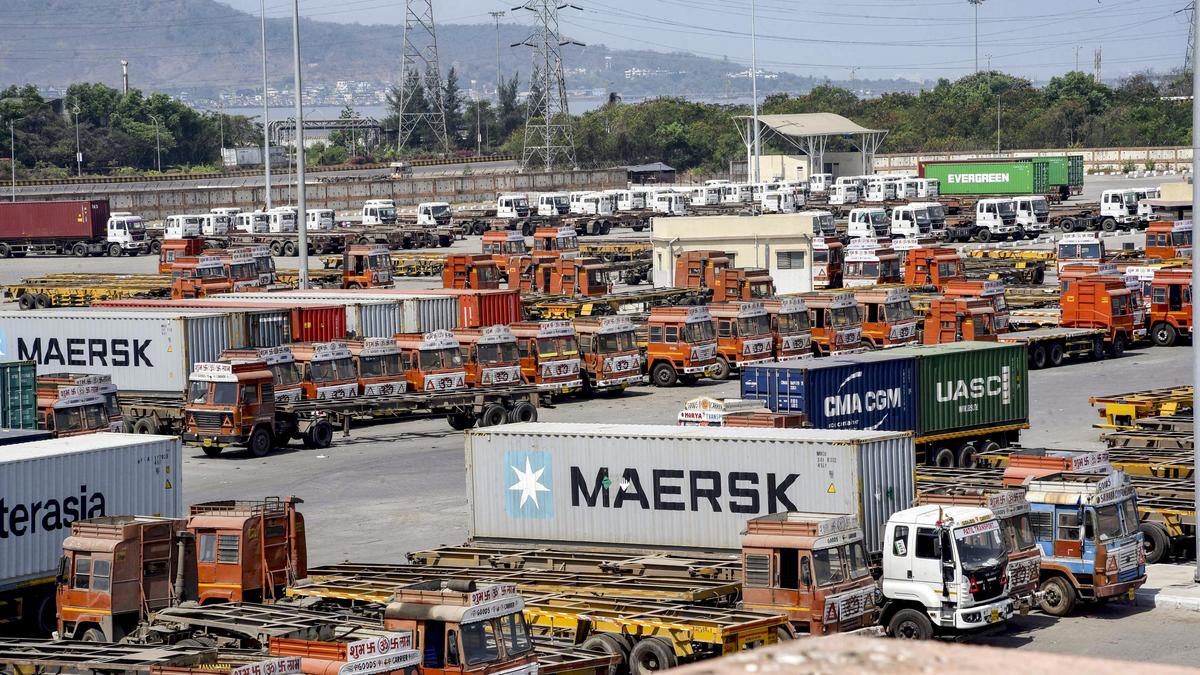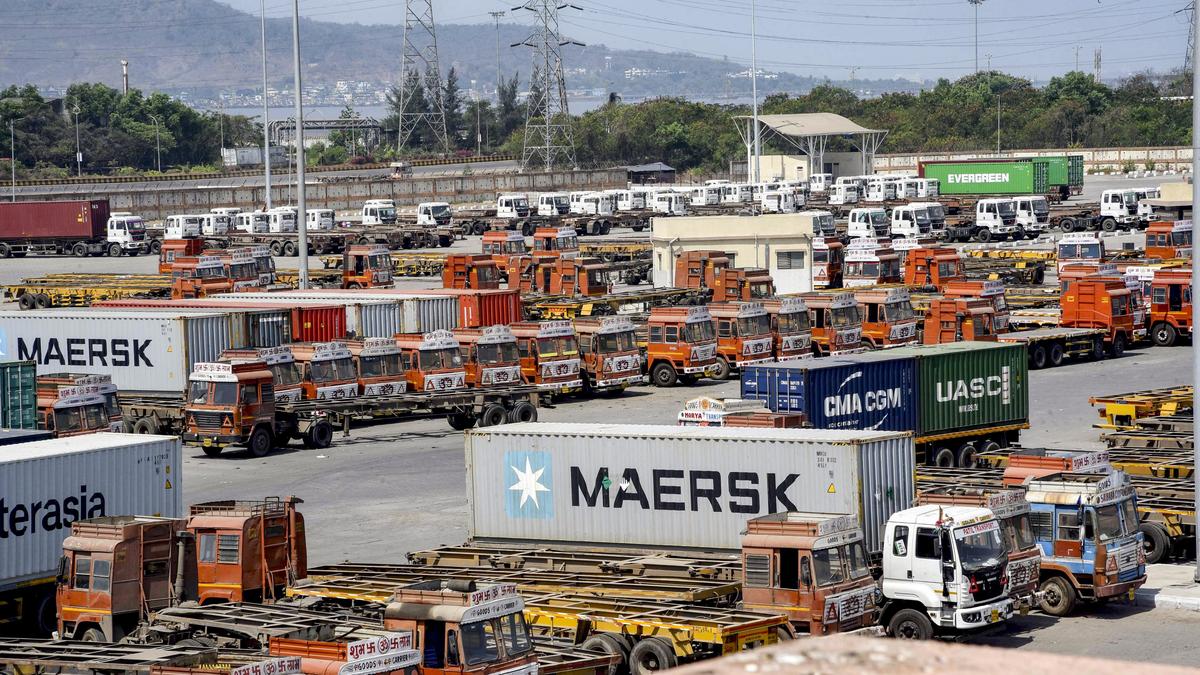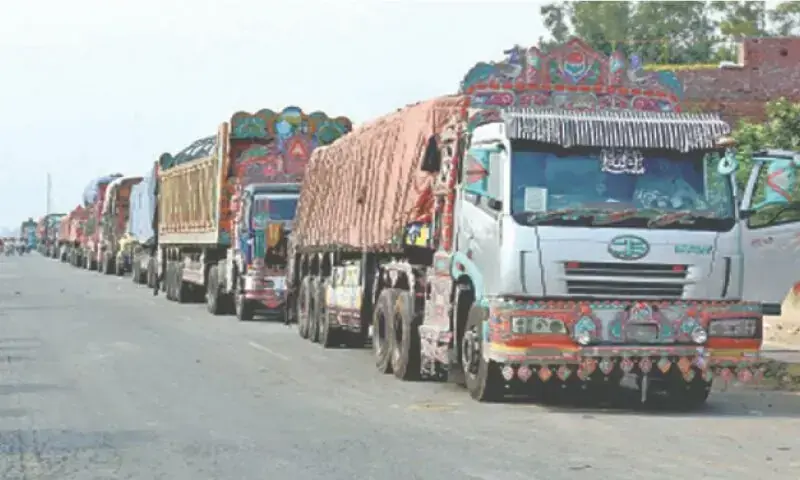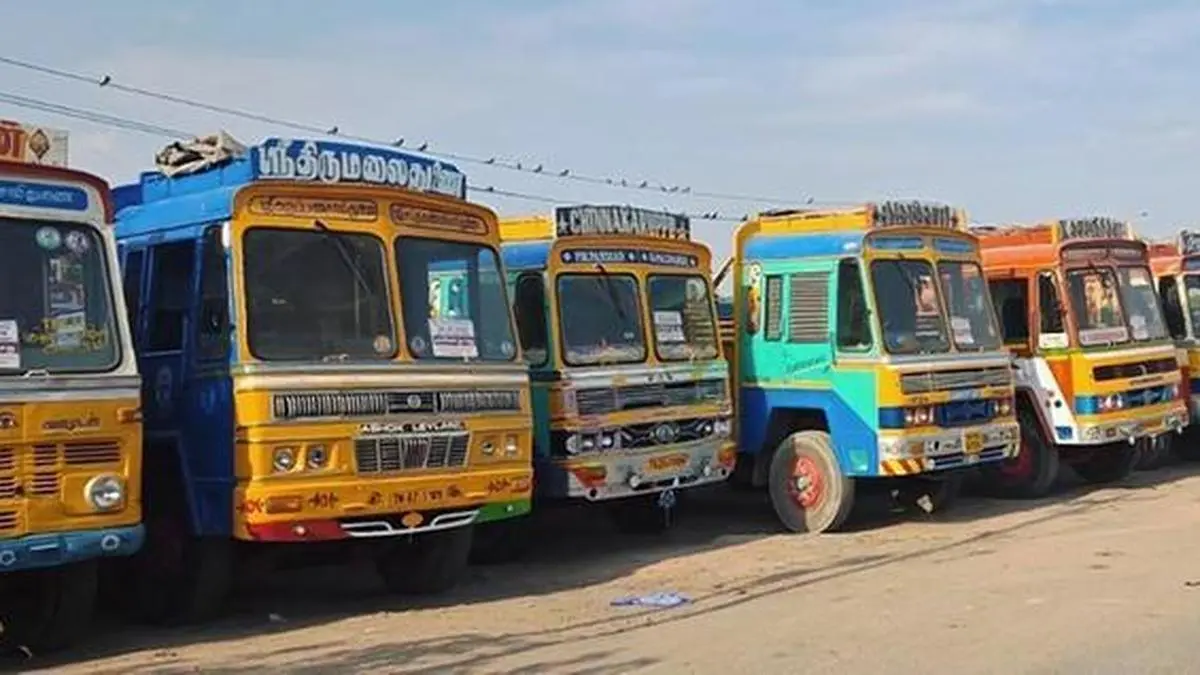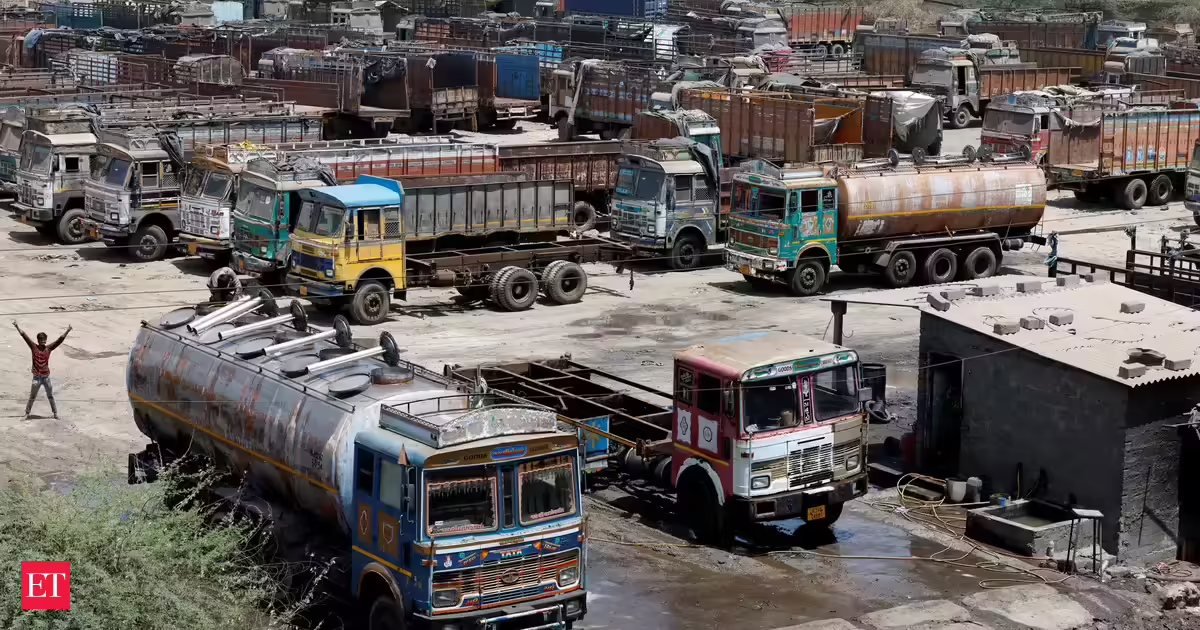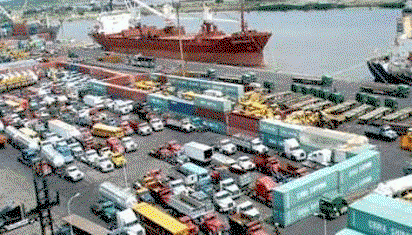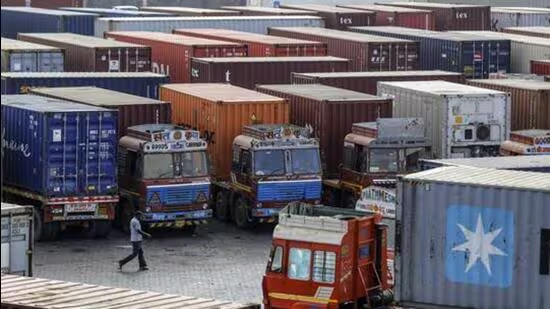
Uran: India’s largest container gateway, the Jawaharlal Nehru Port Authority (JNPA), is staring at another logistics crisis starting Thursday, when transporters and trailer operators will commence an indefinite “stoppage of services” strike against “arbitrary” Lift-On Lift-Off (LOLO) or handling charges levied by Empty Container Yards (ECYs).Image for representation (Bloomberg)“Transporters will no longer pay any LOLO charges or related fees imposed at Empty Container Yards for handling empty containers,” 10 major transporter and trailer operator associations backing the agitation said in a “Notice to Trade” issued on Thursday.Repeated meetings over three years with various stakeholders, including the central government and JNPA authorities, had failed to resolve the crisis, the notice said.The JNPA handles nearly 50% of containerised cargo traffic among India’s major ports, and nearly 20,000 TEUs (Twenty-foot Equivalent Units) of cargo is transported daily via road from the port to different parts of the country.With yard occupancy at the port already hovering at 67%, and rail evacuation accounting for barely a tenth of its daily cargo movement, the agitation could trigger fresh congestion, export delays and supply-chain bottlenecks across western and northern India.‘Unfair charges’At the centre of the dispute are LOLO charges levied by private ECYs for loading and unloading containers onto trailers. More than 70 ECYs and empty depots currently operate in and around the JNPA-Nhava Sheva area.“Transporters are forced to pay thousands merely to lift containers off trailers and place them in storage yards, despite having no role in the transaction,” said Pravin Paithankar, president of the Container Transporters Association of Nhava Sheva-Maharashtra, one of the associations backing the strike. “The importer or exporter should bear these charges. Transporters should not be dragged into this transaction at all.”The issue had remained unresolved for nearly three years despite meetings with union ministers, JNPA authorities and shipping stakeholders, Paithankar said. “But now, we have reached a breaking point.”Sunil Mulik, secretary of the Reefer Container Transporters Welfare Association, another association backing the strike, said the crisis deepened around one-and-a-half years ago, when empty depots started levying LOLO charges even for export container pickups.“It started with ₹590 per container, which has now increased to ₹1,100-1,200, sometimes even ₹1,800. Why should transporters pay these charges? We have no contractual relationship with empty depots,” Mulik said.Transporters were already struggling under rising diesel prices, maintenance expenses, tolls and stagnant freight rates, and LOLO charges levied on export container pickups deepened their woes, Mulik said.Transporter Javed Mehmood alleged drivers faced prolonged delays at container yards while loading and unloading containers.“Drivers are made to wait 8-10 hours just to empty one container. Our turnaround time gets completely disrupted,” Mehmood said. “The delays also worsen congestion outside the port and expose drivers to traffic penalties.”Transport representatives also alleged that some ECY operators were recovering operational costs from transporters because shipping lines were not fully compensating them for container washing, cleaning and repair services.Little elbow roomThe agitation comes at a sensitive time for the JNPA, close on the heels of severe congestion for weeks due to an acute shortage of trailer drivers. Earlier this month, container backlogs at Container Freight Stations (CFSs) reportedly touched nearly 2,500 before reducing to around 450 after corrective measures and extended operations.As of Sunday, daily gate movement had recovered to around 18,196 TEUs, while import-CFS pendency was still estimated at over 40,000 TEUs.According to logistics stakeholders, the JNPA’s yard occupancy is already hovering around 67%, with nearly 1.18 lakh TEUs occupying available capacity of around 1.76 lakh TEUs. Rail evacuation currently accounts for barely a tenth of JNPA’s daily cargo movement, leaving the port heavily dependent on road trailers.JNPA officials and representatives of empty container yard operators did not respond to queries from HT till the time of going to press.
JNPA-linked transporters’ stir from today threatens major EXIM disruption
“Transporters will no longer pay any LOLO charges or related fees imposed at Empty Container Yards for handling empty containers,” 10 major transporter and trailer operator associations backing the agitation said in a “Notice to Trade” issued on Thursday | Mumbai news
617 words~3 min read