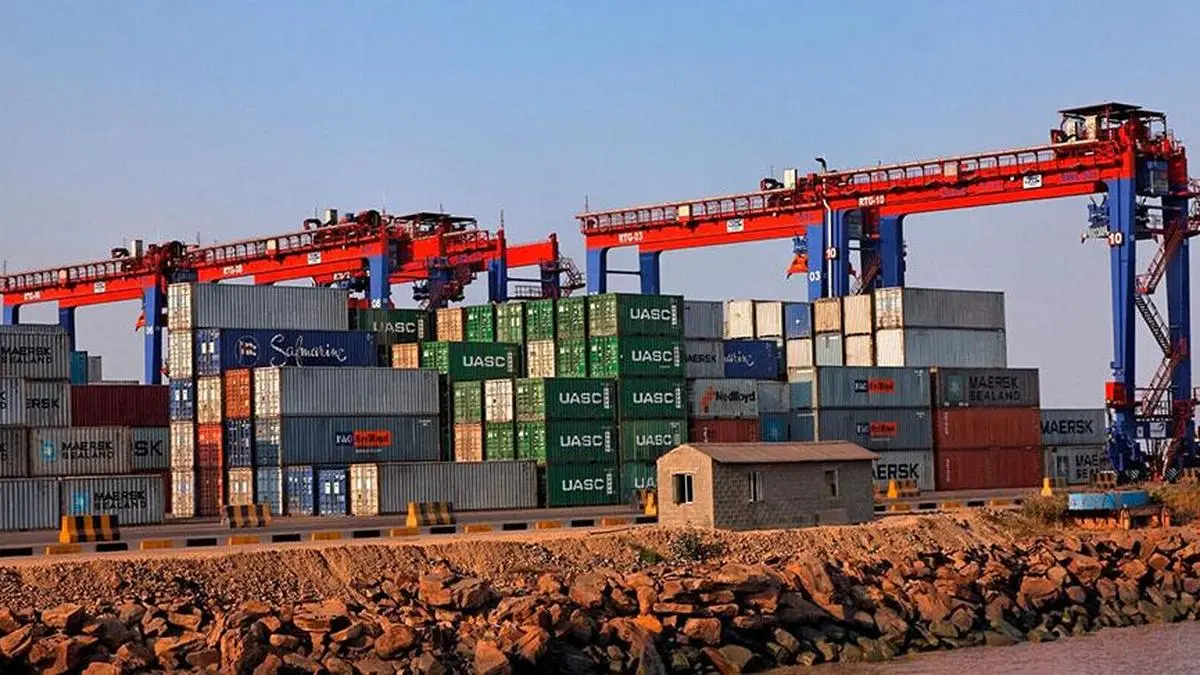
Gujarat Pipavav Port Managing Director Girish Aggarwal
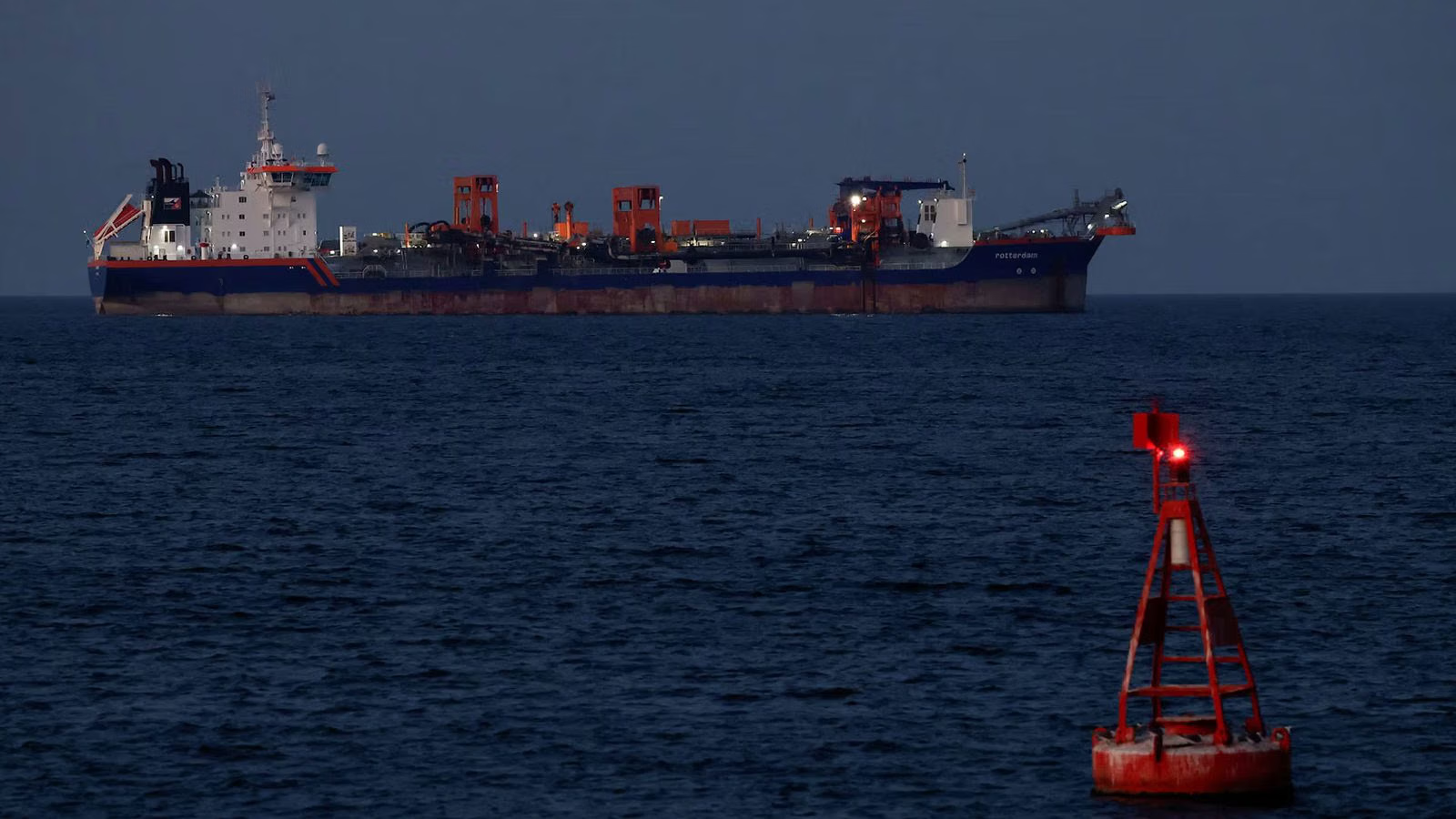
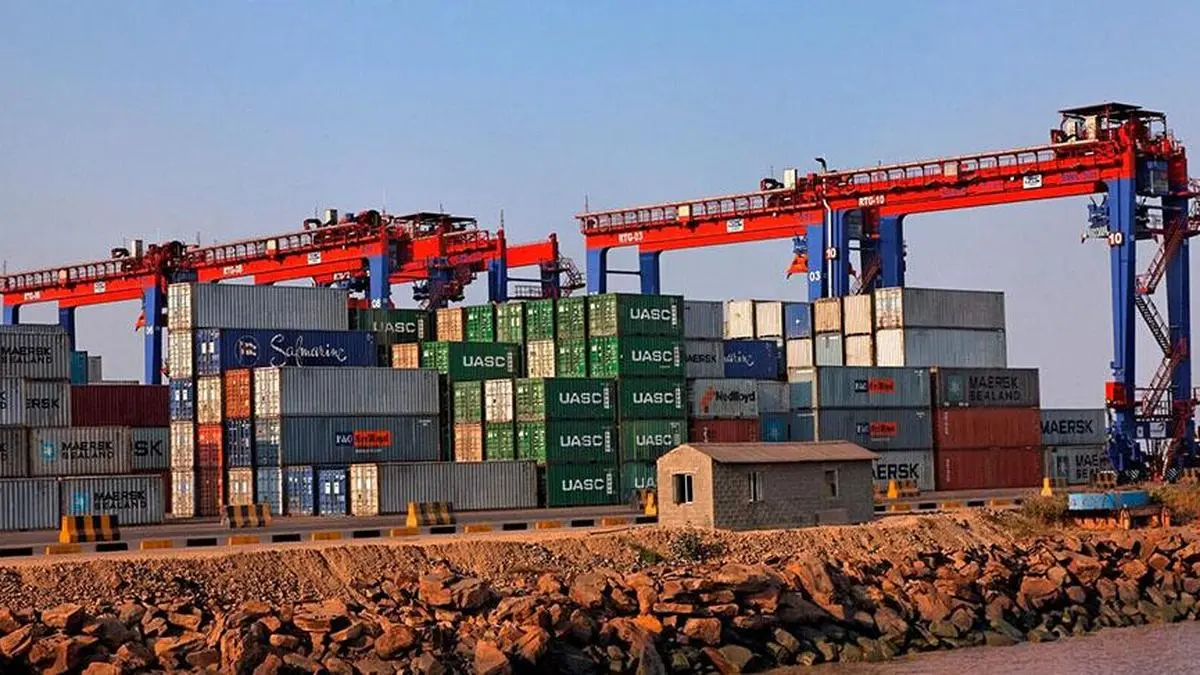
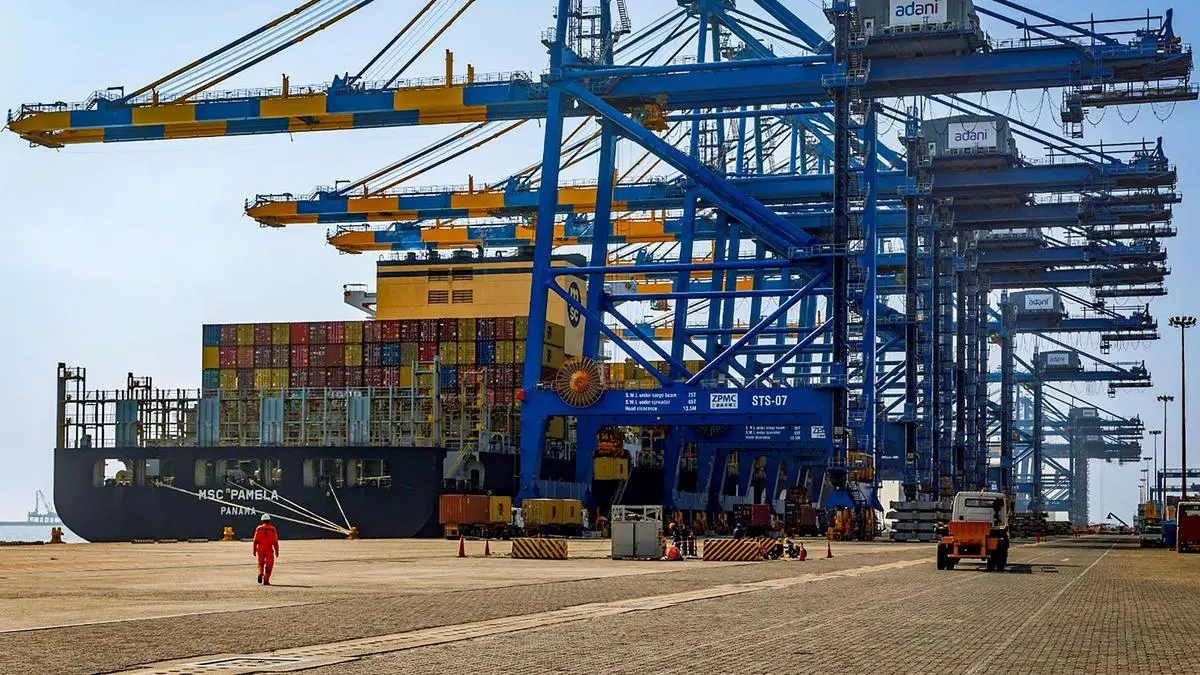
Gujarat Pipavav Port Ltd, operated by APM Terminals, expects a sharp shift in its cargo mix in the June quarter due to the ongoing West Asia conflict, with liquid cargo volumes likely to fall 35-40% and bulk cargo volumes to decline 8-10% sequentially.West Asia disruptions hit fertiliser and LPG cargoThe impact is mainly being driven by disruptions in shipping routes linked to West Asia, which has affected the movement of key commodities such as fertilisers and LPG at its port in Gujarat. “We had seen a disruption of two services in March, out of which one is steadily performing. One service continues to not perform which is the middle-east Maersk service,” Gujarat Pipavav Port Managing Director Girish Aggarwal said on Friday.The disruption was most visible during March and April, particularly in fertiliser and LPG cargo flows. “In terms of fertilisers — which largely comes out of the Middle East — that was a challenge in March and April. But we are seeing fertilisers coming back both urea and other types of fertilisers,” Aggarwal told investors. “LPG which was muted in the months of March and April, we are already starting to see growth in LPG. Now a lot of LPG is starting to come from the US which has a longer travel time compared to the Middle East,” he added.Container volumes expected to grow on new trade opportunitiesDespite the sharp fall expected in bulk and liquid cargo, the company expects container volumes to grow 5-7% in the June quarter, supported by new shipping routes and shifting trade flows. “What we are seeing is there is another opportunity like transhipment, which we are trying to capture,” the MD said. The company has already started handling additional transhipment cargo during April and May, helping offset some of the disruption. “There were certain opportunities we captured in the month of April and May, which is Middle-East transhipment cargo. So that was an opportunity that presented itself to us and we captured it,” Aggarwal said.Container growth is also expected to be supported by Maersk’s new FI2 weekly service connecting Far East Asia with India, which includes Pipavav in its route network.“Maersk has also announced a new service called FI2 starting early July which will start calling Pipavav,” he said. The company said one of the disrupted shipping services has begun stabilising, though the Middle-East Maersk feeder route remains affected.RoRo business remains strongest growth driverEven as trade flows remain uneven, RoRo (car export) continues to be the strongest growth engine for the port. The company expects RoRo volumes to rise 45-50% in the June quarter, driven by strong automobile exports. “In terms of RoRo, while there were some hiccups for a small period of time in March, we continued to perform strongly,” Aggarwal said.On the infrastructure side, the company is expanding capacity to support rising vehicle exports. “The RoRo staging area is on track and will be finished before the end of June,” Aggarwal said. “We are already doing 250,000 cars. We can easily handle 300,000-350,000 cars today,” he added. A new pre-delivery inspection (PDI) facility being developed by NYK Line is expected to further increase capacity to 500,000 units.New liquid jetty project to boost future capacityThe company is also building a three-million-tonne liquid jetty project, expected to be completed by December 2026. “This is a three million tonne jetty. We expect to start with one million tonnes next fiscal,” Aggarwal said.Published on May 29, 2026