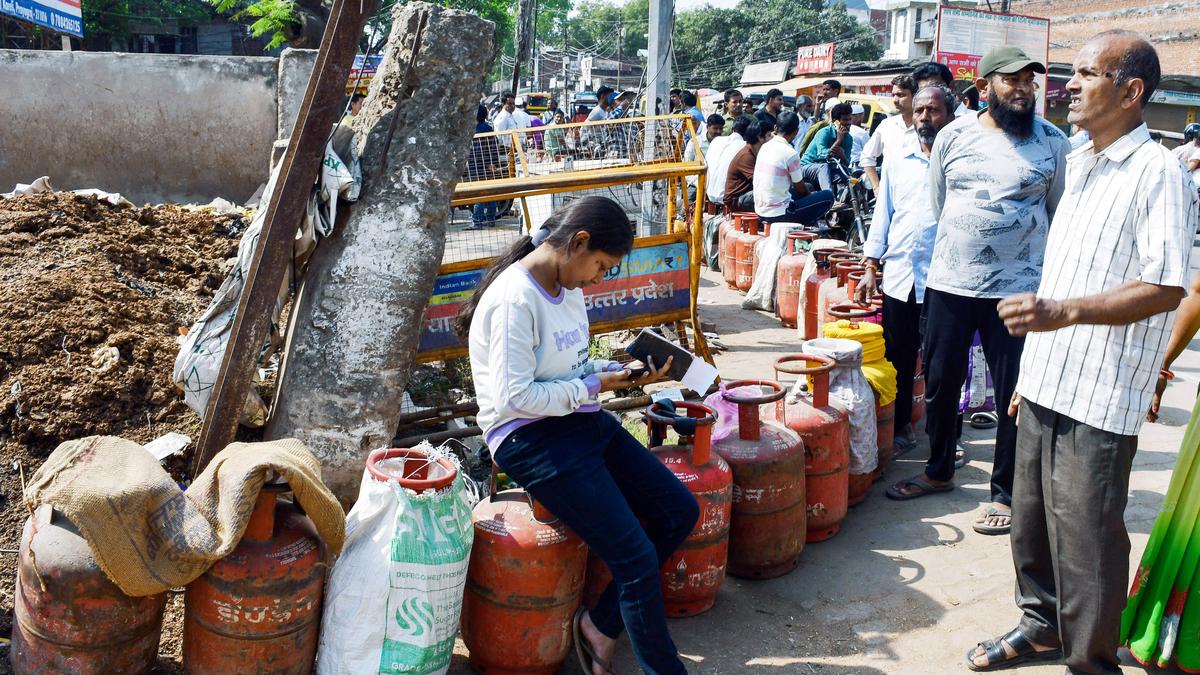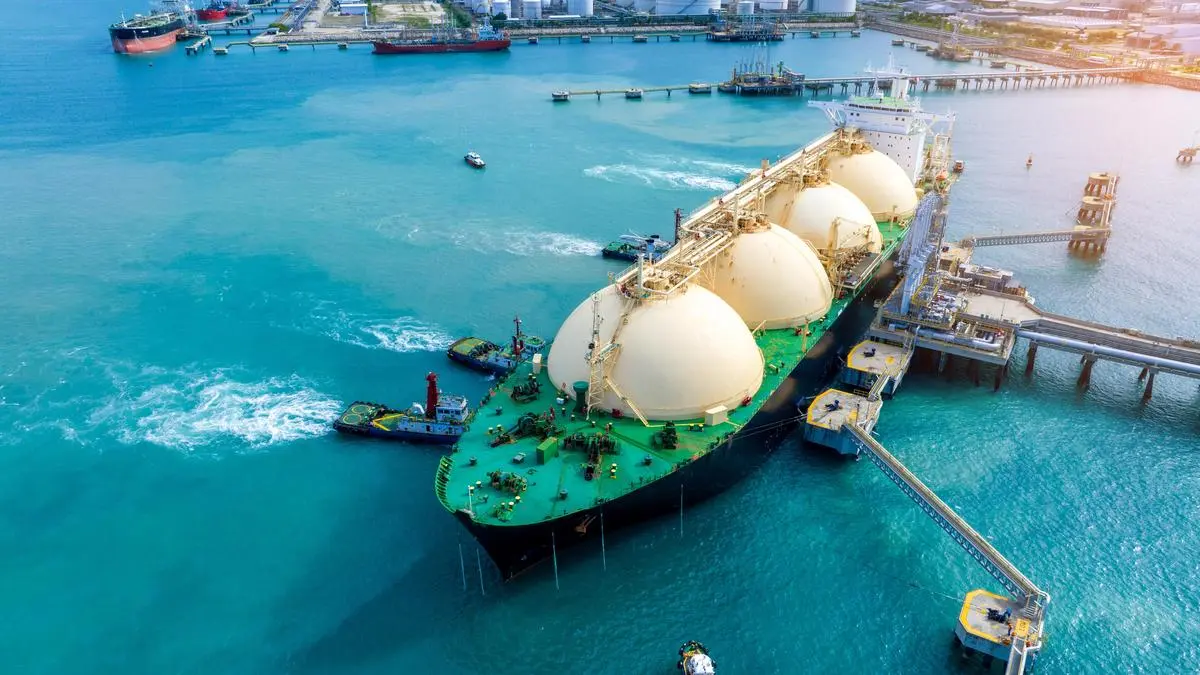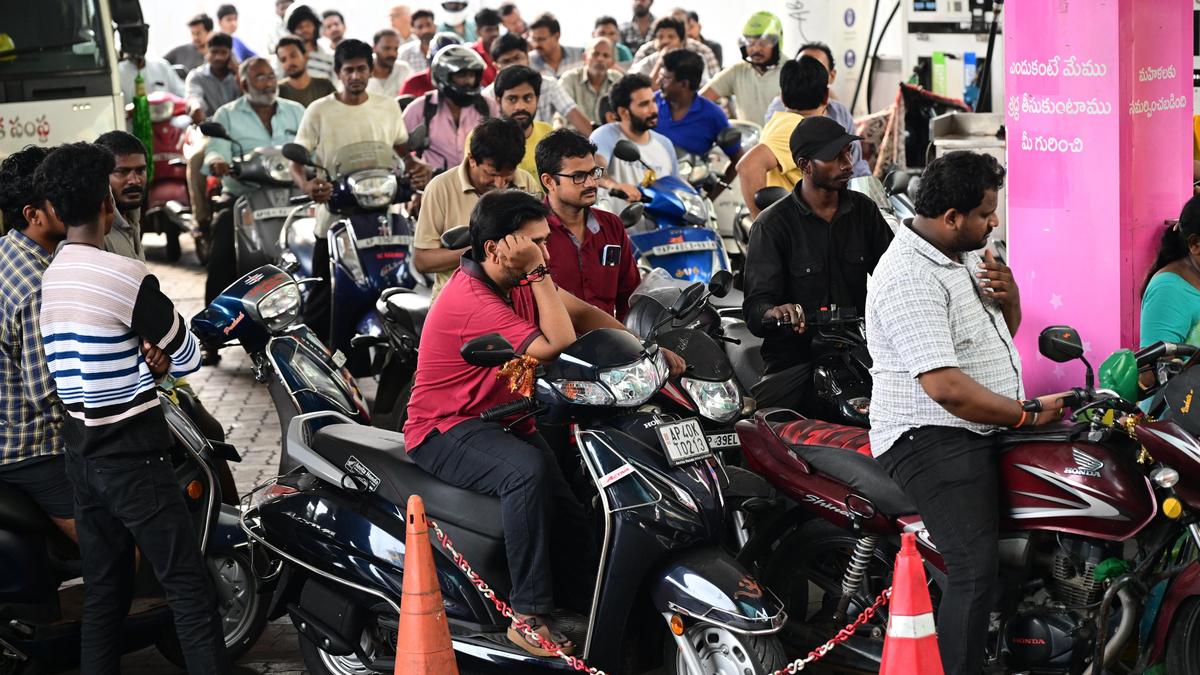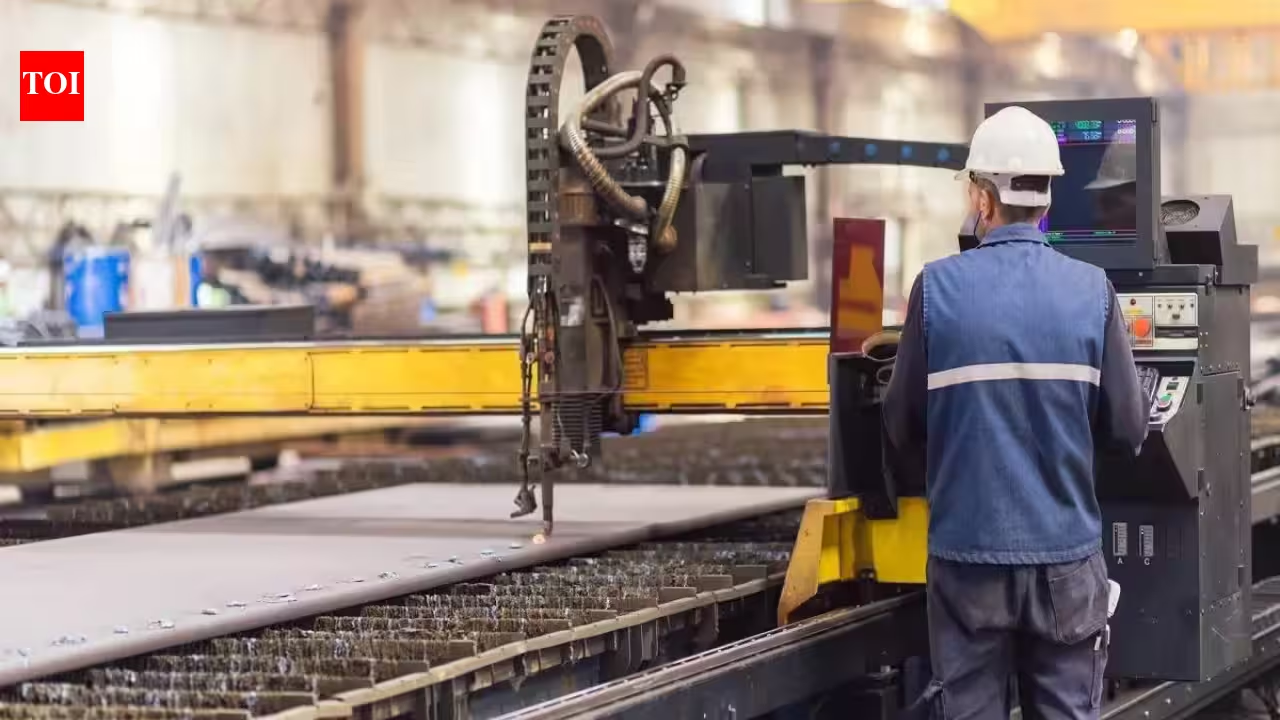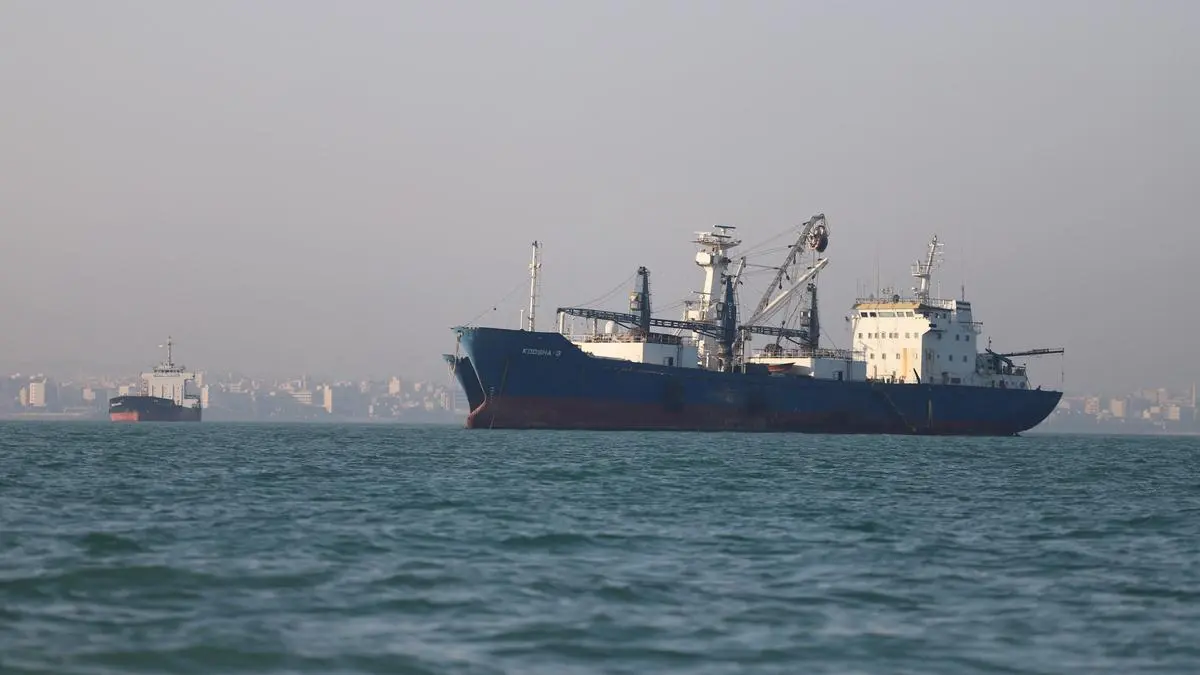
The continued West Asia crisis has thrown the manufacturing sector into disarray, causing significant operational bottlenecks that show no signs of easing. This situation is affecting port operations, shipping activities, container movement, and energy supply — particularly Liquefied Petroleum Gas (LPG). These disruptions are driving costs higher, say industry players, expressing fears about a much bleaker future if conditions do not improve.
Kamal Bali, president and managing director, Volvo Group, noted that geopolitical disruptions and the resulting volatility in fuel and shipping markets were pushing up freight charges and product costs. “We are also seeing cost escalation driven by higher crude prices, along with longer lead times and higher logistics costs due to container shortages, port congestion, and extended transit cycles,” he said.
“We are optimising routing and inventory where feasible, and building contingency plans,’’ Mr. Bali added. He also said the operating environment was unpredictable, with potential for growth and inflationary shocks, although the current situation may seem manageable.
According to Prashant Gokhale, president, Bangalore Chamber of Industry and Commerce (BCIC), continued tensions will not only inflate input prices but also lead to critical shortages that impact production timelines and supply chain continuity.