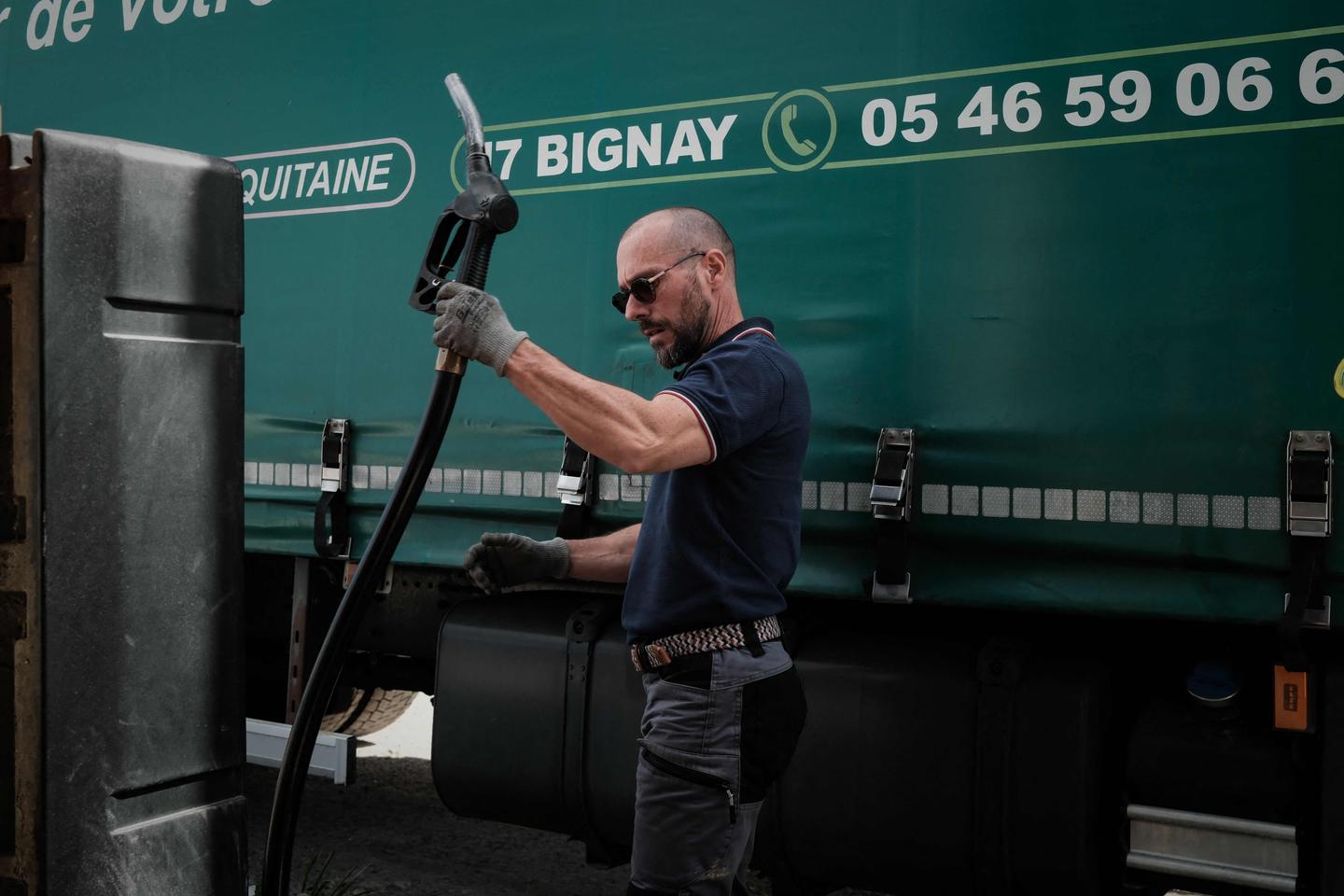
An employee at a road transport company fills up a truck at a depot in Bignay, western France, on March 31, 2026. PHILIPPE LOPEZ / AFP
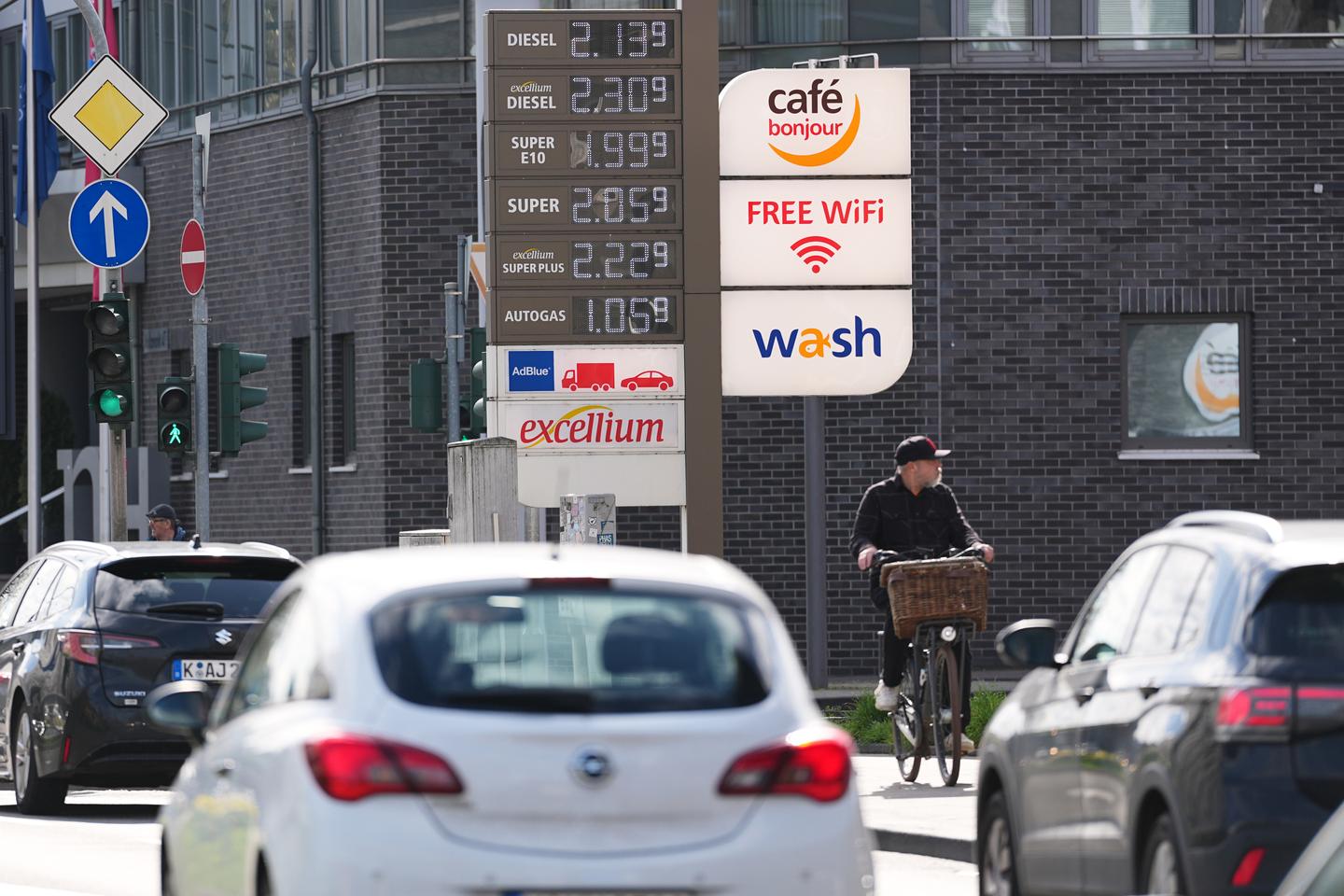
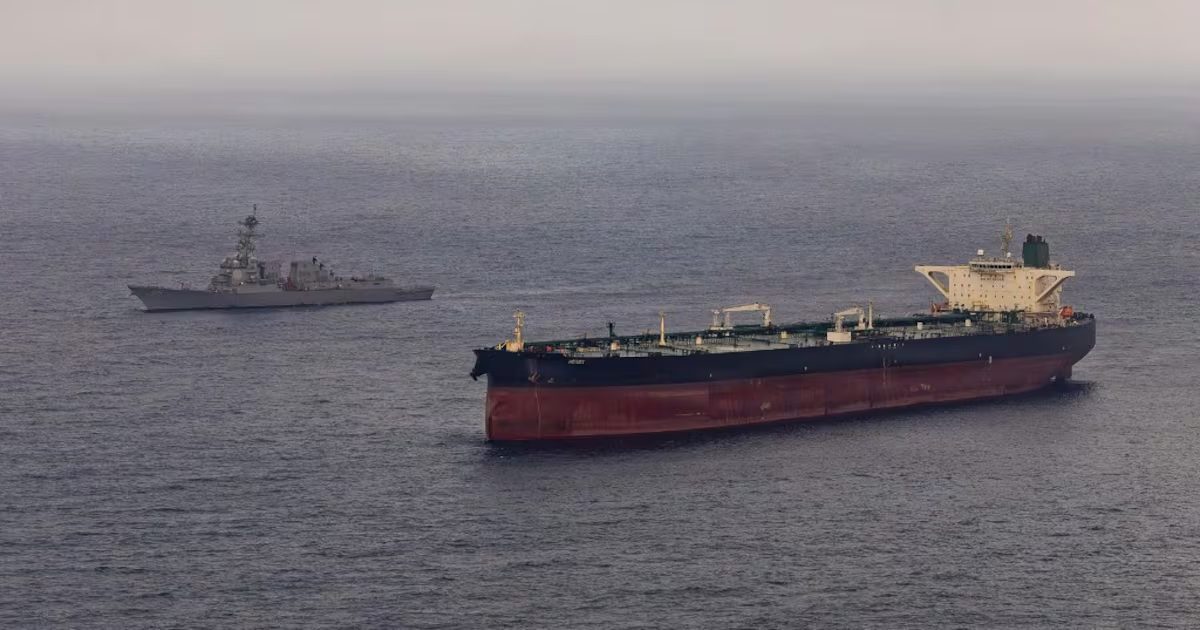
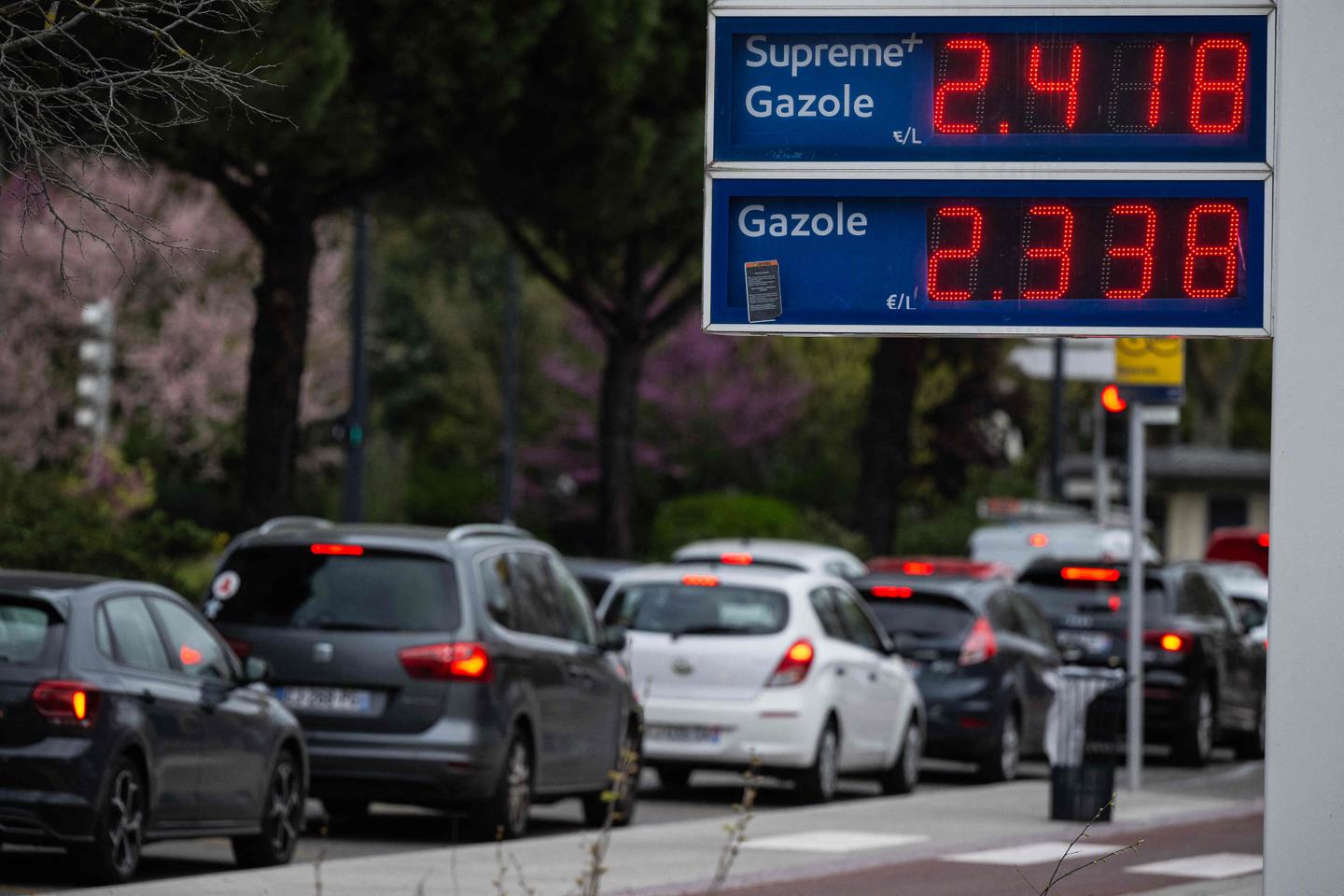
Yet another crisis has struck French industry. After the catastrophes triggered by the Covid-19 pandemic in 2020, followed by the fallout from Russia's invasion of Ukraine in 2022 and then the political instability caused by the Assemblée Nationale's dissolution in 2024, France's industrial sector now faces the repercussions of the Middle East war. Soaring oil and gas prices, difficulties sourcing certain raw materials, disruptions to global maritime traffic: The closure of the Strait of Hormuz and the bombing of strategic sites in several countries across the Arabian-Persian Gulf have started to take a toll on numerous French industries.
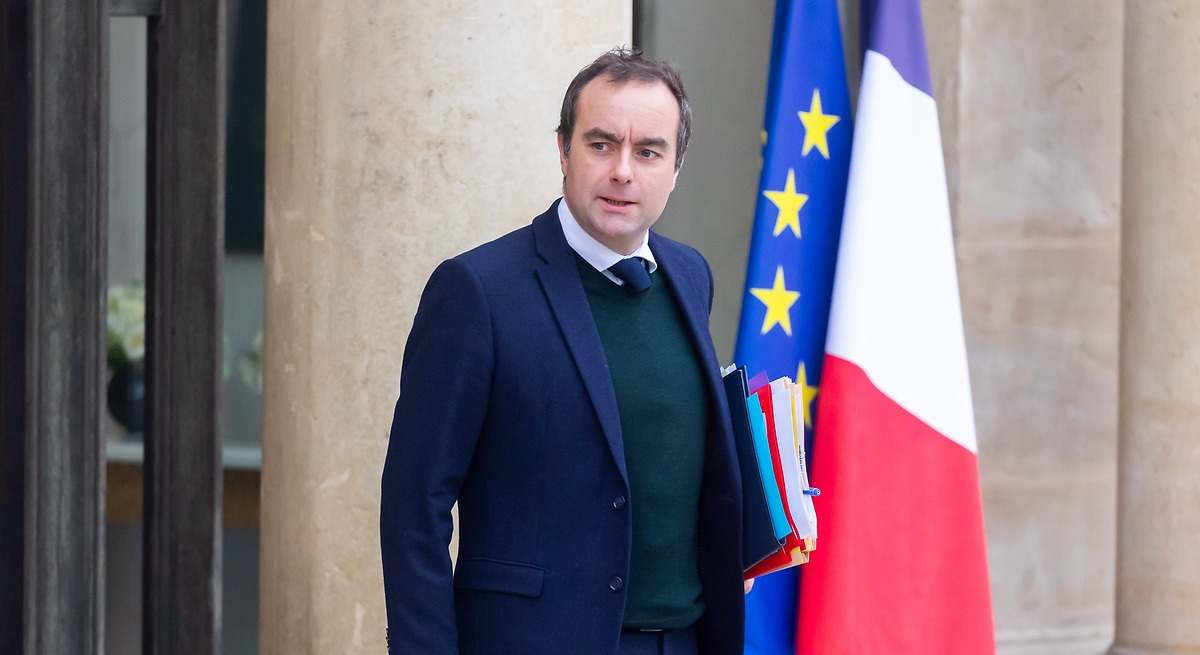
After more than a month of conflict, companies have dismissed the prospect of a short war and are preparing to face the long-term consequences of elevated oil prices, which have stayed above $100 (about €87) per barrel for several weeks. "Stocks of inputs and energy supply contracts have been secured, but serious problems may arise for future orders for several companies if [the conflict] lasts until summer," warned the minister delegate for industry, Sébastien Martin, on Monday, March 30, at the opening of the Global Industrie trade show, held through Thursday in the northeastern Paris suburb of Villepinte.