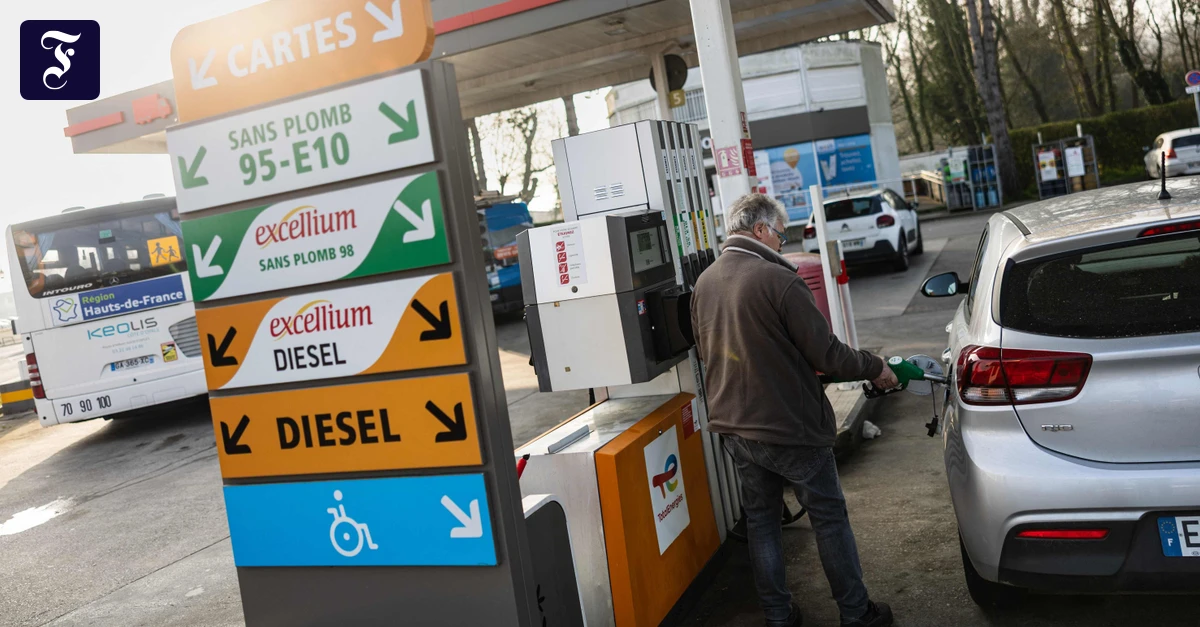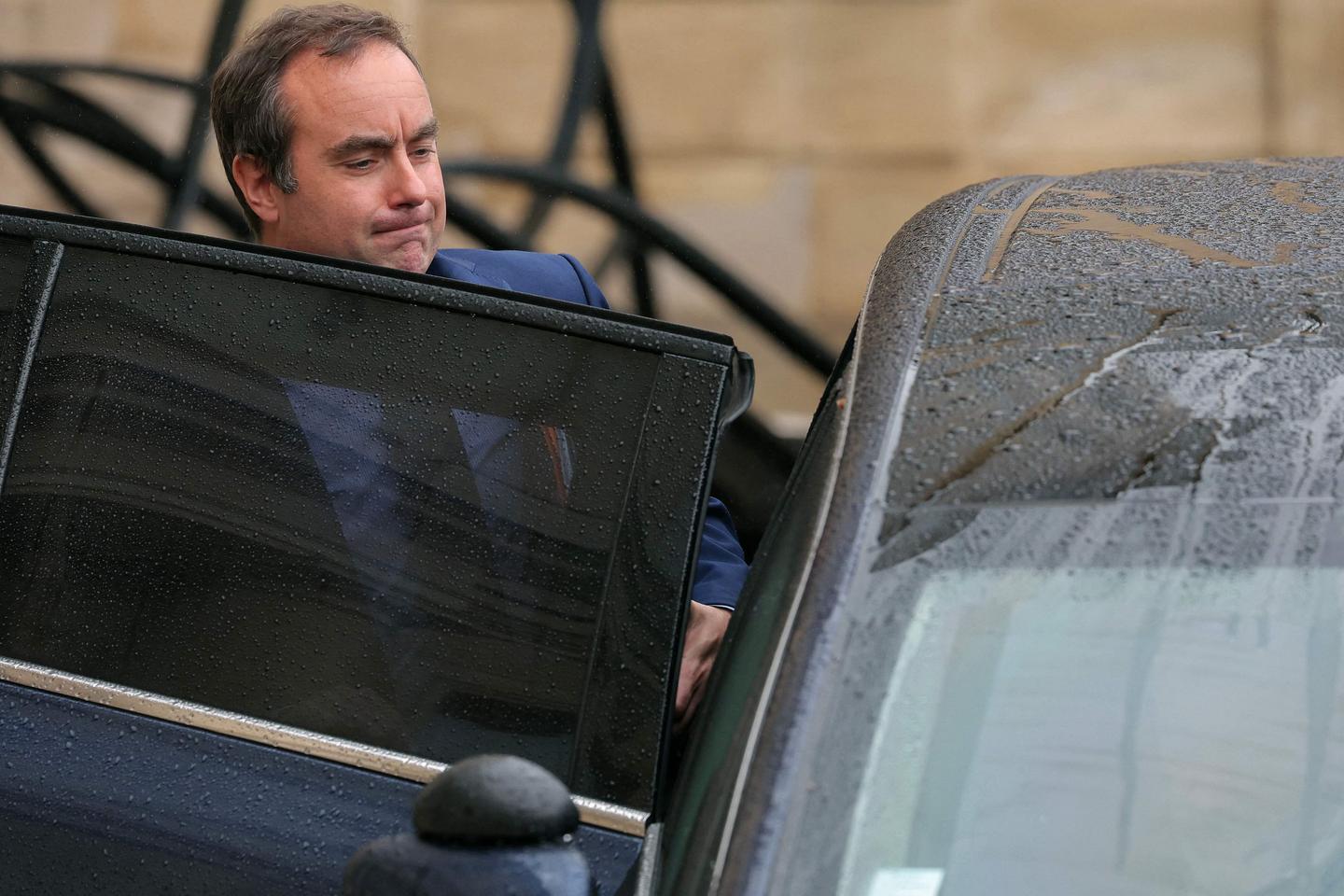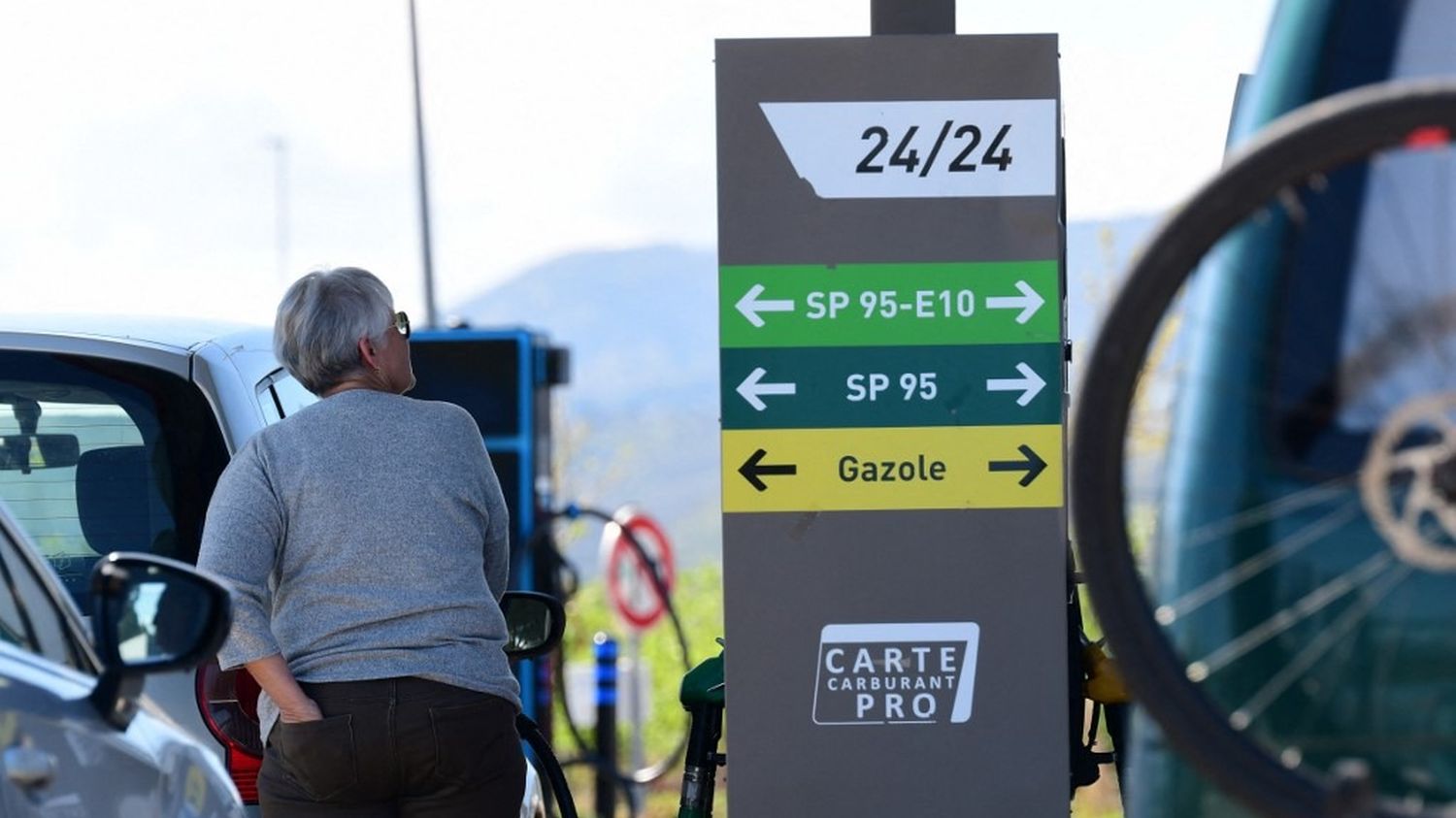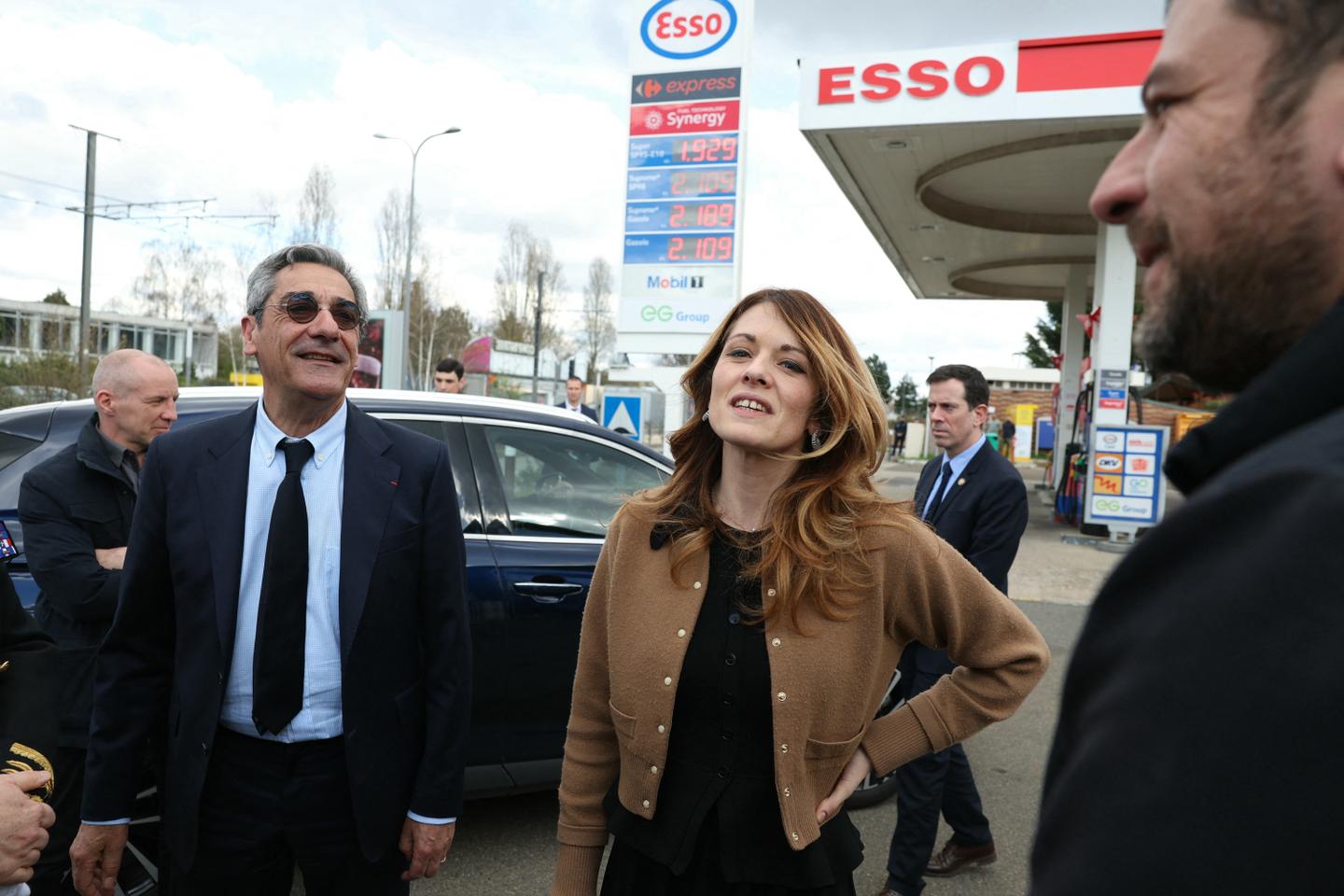
Serge Papin, minister for small and medium-sized businesses, accompanied by government spokesperson Maud Bregeon, at a service station near Versailles, on March 9, 2026. ALAIN JOCARD/AFP
Freeze fuel prices? Lower VAT on gasoline and diesel? Reintroduce subsidies to ease French consumers' energy bills? The answer is no, three times over. Government officials have repeated this since American and Israeli attacks in Iran sent oil and gas prices soaring, pushing the price per barrel well above $100 (about €86). Despite mounting political pressure, the government says it is not considering a new "price shield" such as the one introduced in 2021-2022.
It is "too early" to talk about subsidies for fuel purchases, reiterated Maud Bregeon, the minister delegate for energy and government spokesperson, on RTL radio on Monday, March 9. As for lowering VAT or excise taxes on petroleum products, it was simply "inconceivable" in her view, she said on March 4. "Reducing VAT to 5.5% on all energy products would cost €17 billion," Bregeon specified on Monday, ruling out that option. The far-right Rassemblement National (RN) estimates the cost at €12 billion, focusing on fuel, heating oil and gas.
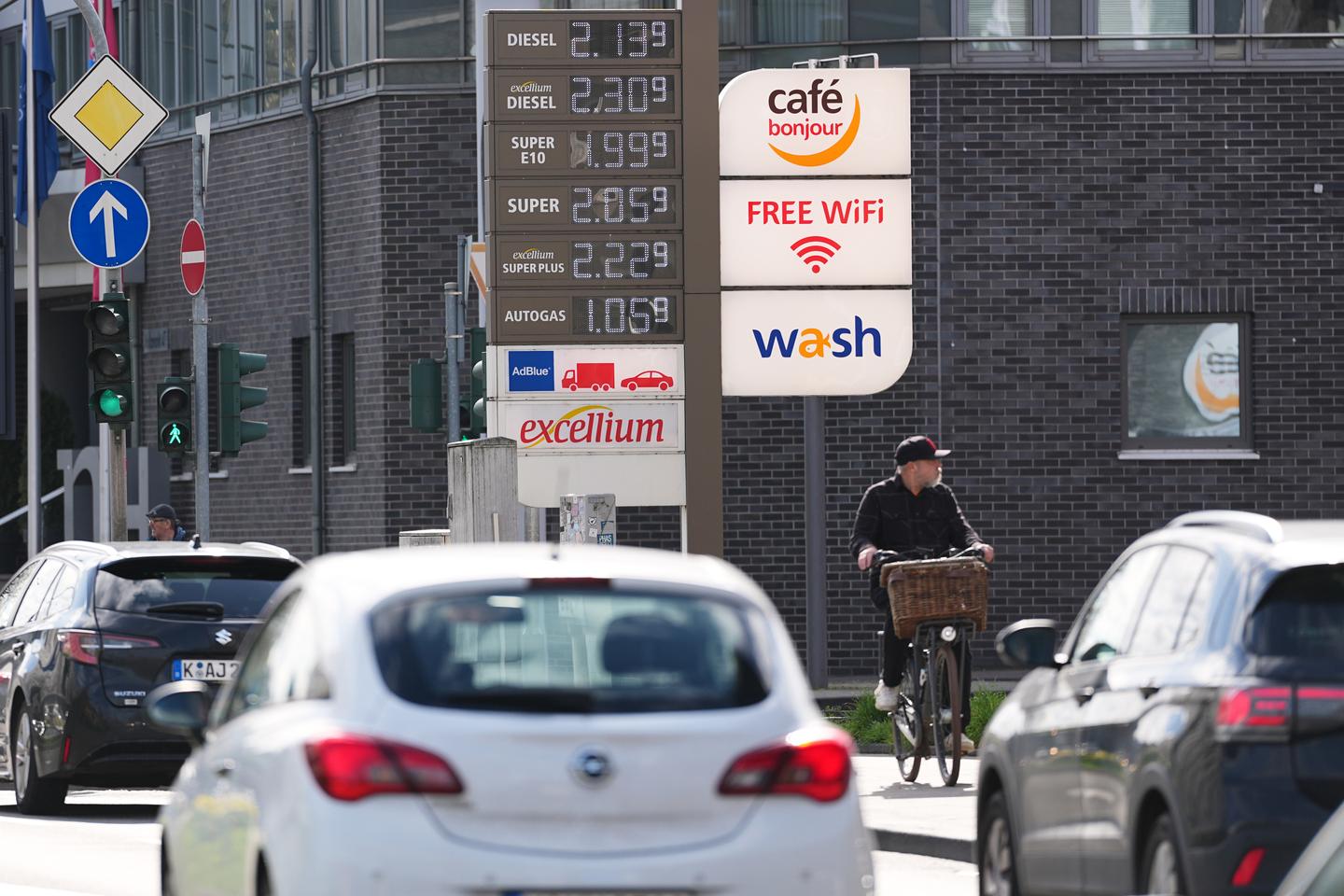
For the time being, the government's response to the surge in hydrocarbon prices is limited to two measures. First, tighter controls at gas stations, to prevent "abusive price hikes at the pump," as stated by Prime Minister Sébastien Lecornu on Sunday. Some 500 of the country's 10,800 stations – 4.6% – are to be checked over three days to ensure listed prices match those actually charged. To help calm markets, France also announced on Monday that it is considering, along with other G7 nations, drawing from its strategic oil reserves.