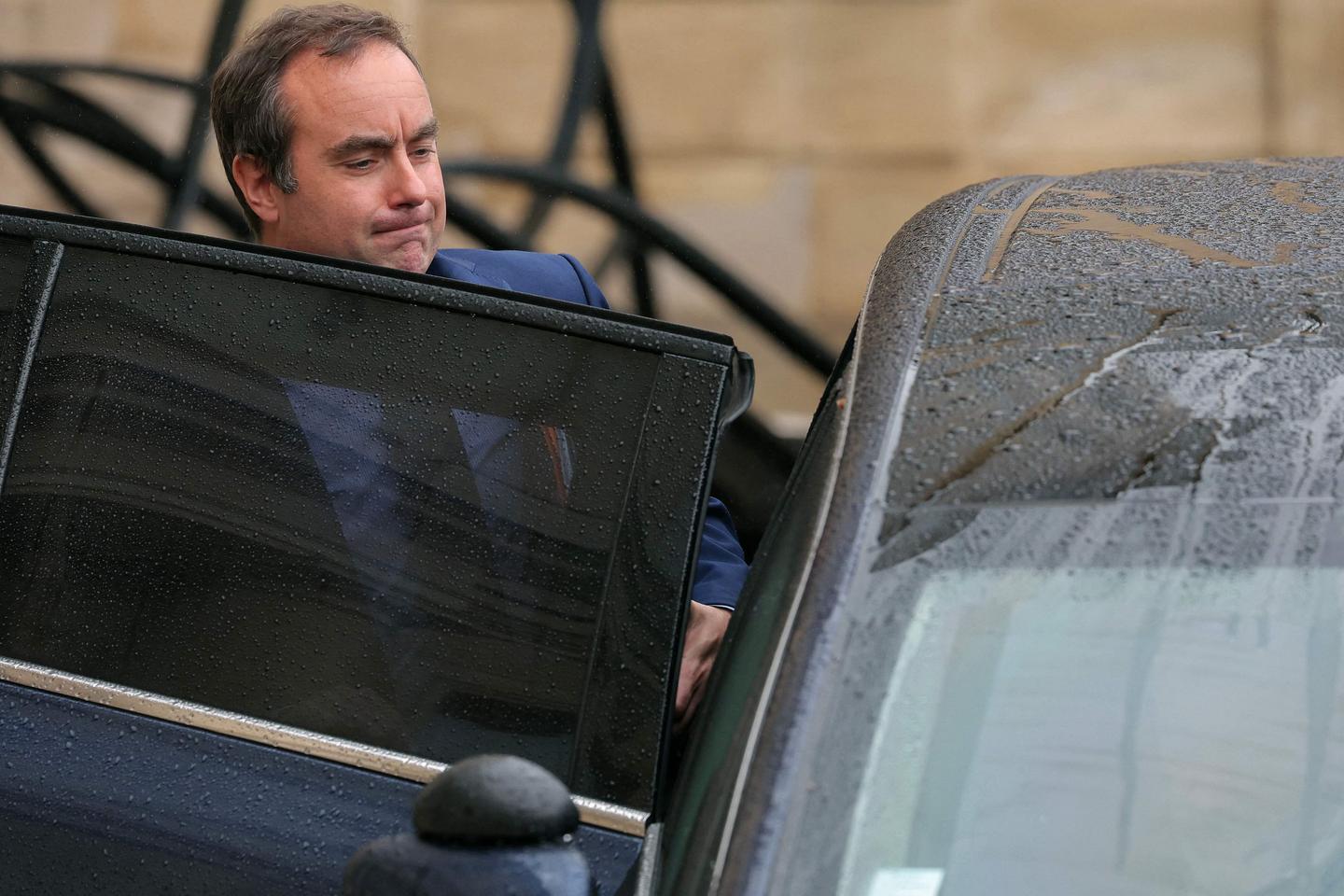
Prime Minister Sébastien Lecornu at his office, in Paris, on March 11, 2026. THOMAS SAMSON/AFP
The pressure had become too great. French Prime Minister Sébastien Lecornu, after being urged by several political parties to step in and shield consumers from a potential oil shock triggered by the war in Iran, outlined an initial action plan on Wednesday, March 11. He discussed several measures in a cabinet meeting, all aimed at easing the situation's difficulties at no cost to the state, and particularly a cap on service station profit margins. The government still holds out hope that the international crisis will end quickly, and that it might not need to make decisions that could be more painful for its finances.
The first part of the plan aims at calming the oil market by releasing a portion of France's national crude oil reserves. On Wednesday, International Energy Agency (IEA) member countries agreed to gradually release 400 million barrels of oil from their strategic reserves onto the market. France said it would participate in this move, the scale of which has no precedent since the IEA was founded in 1974.
Subscribers only
IEA's release of 400 million barrels is unprecedented, but its effectiveness is debated