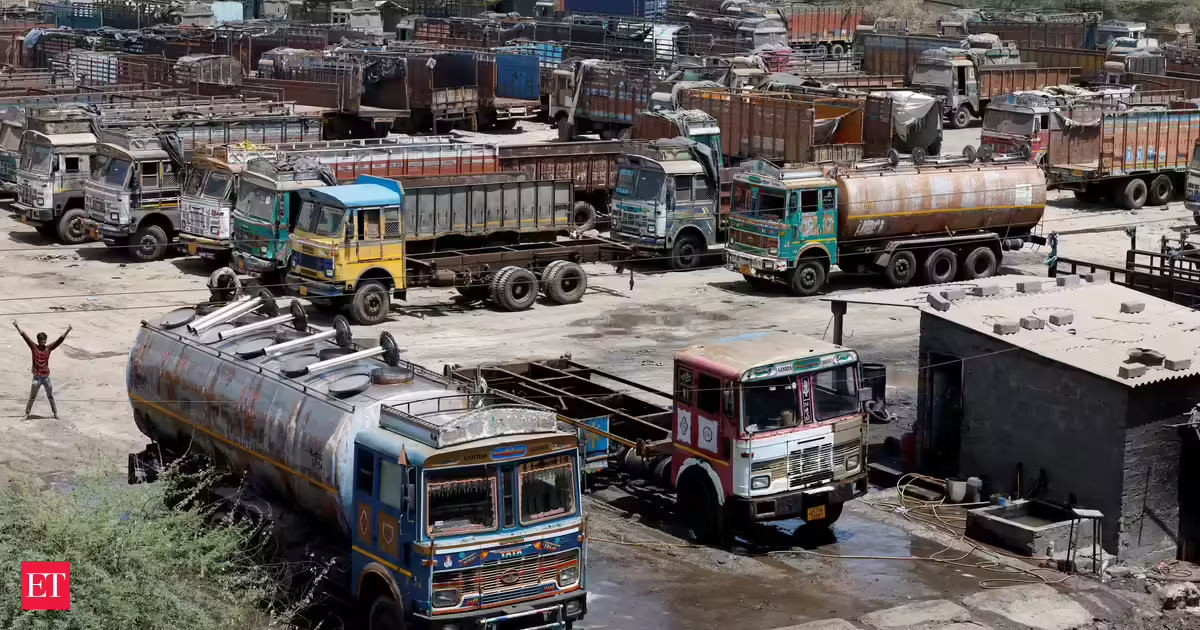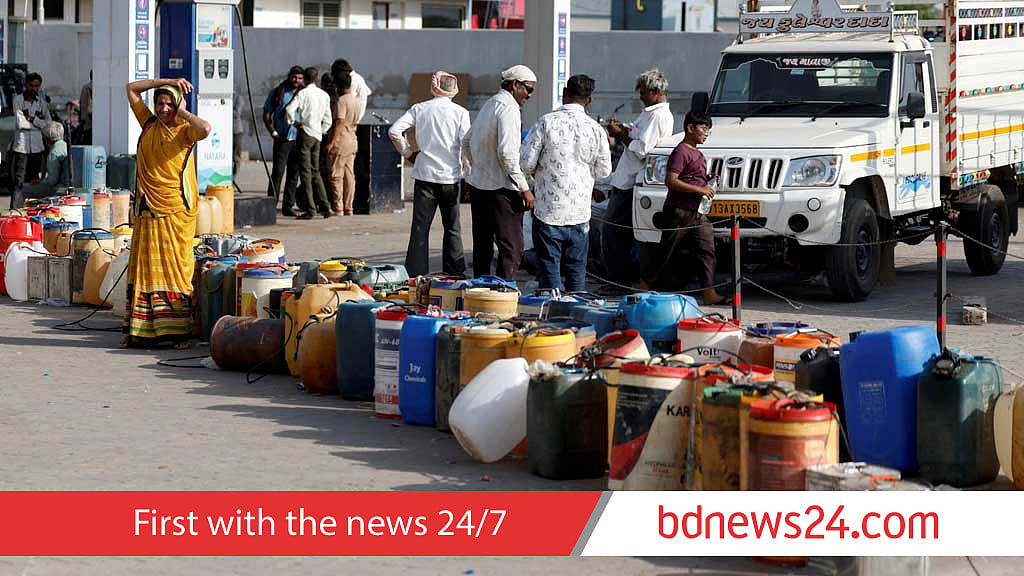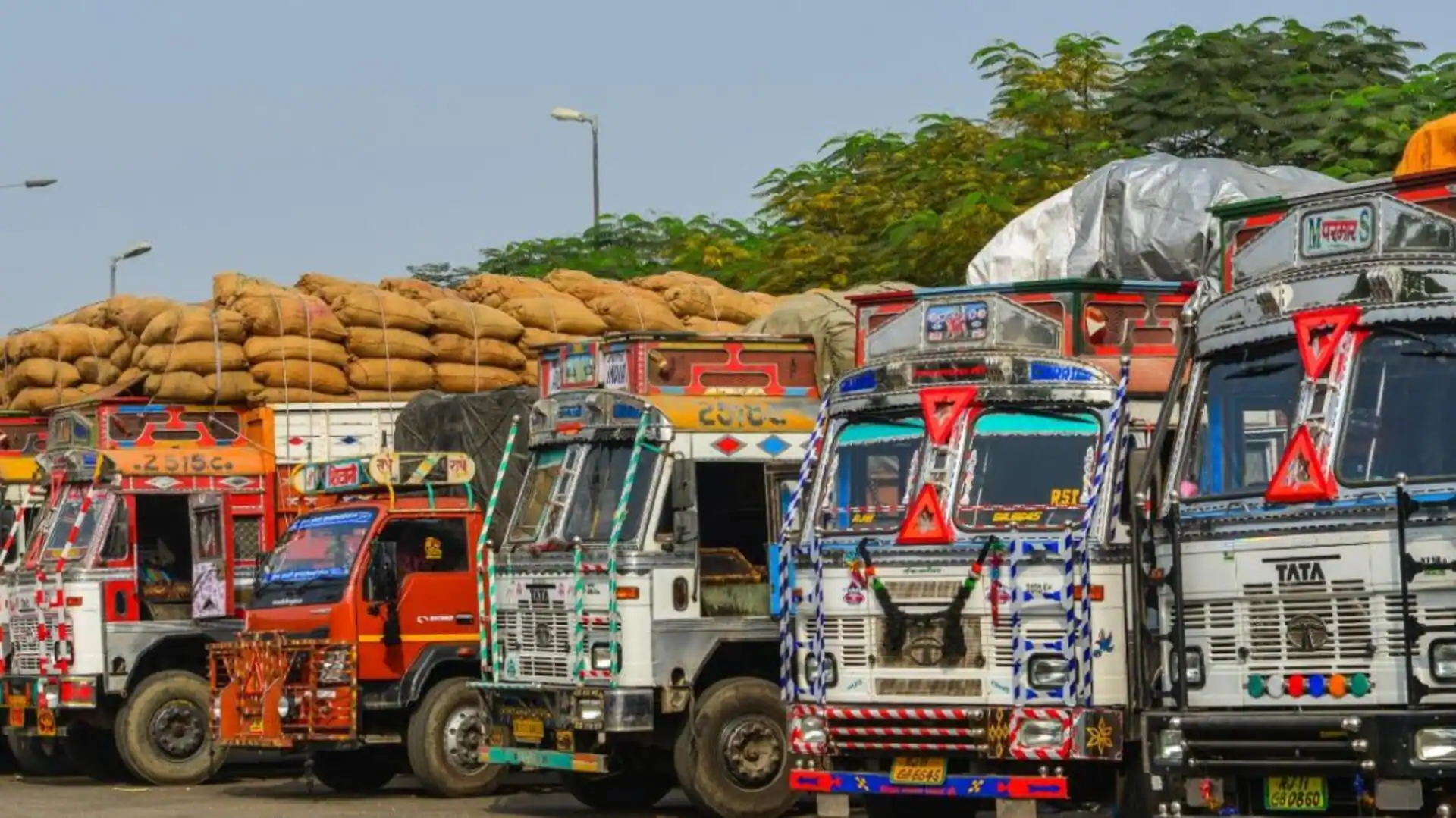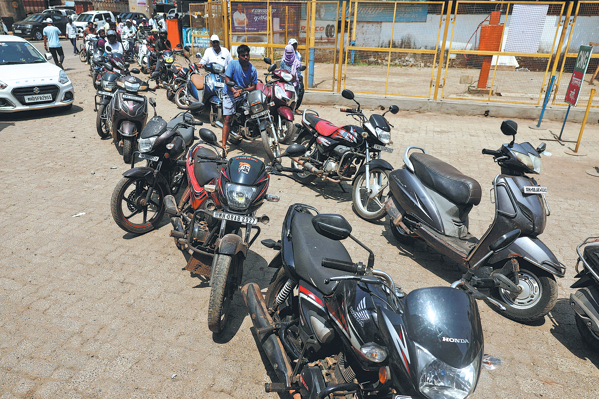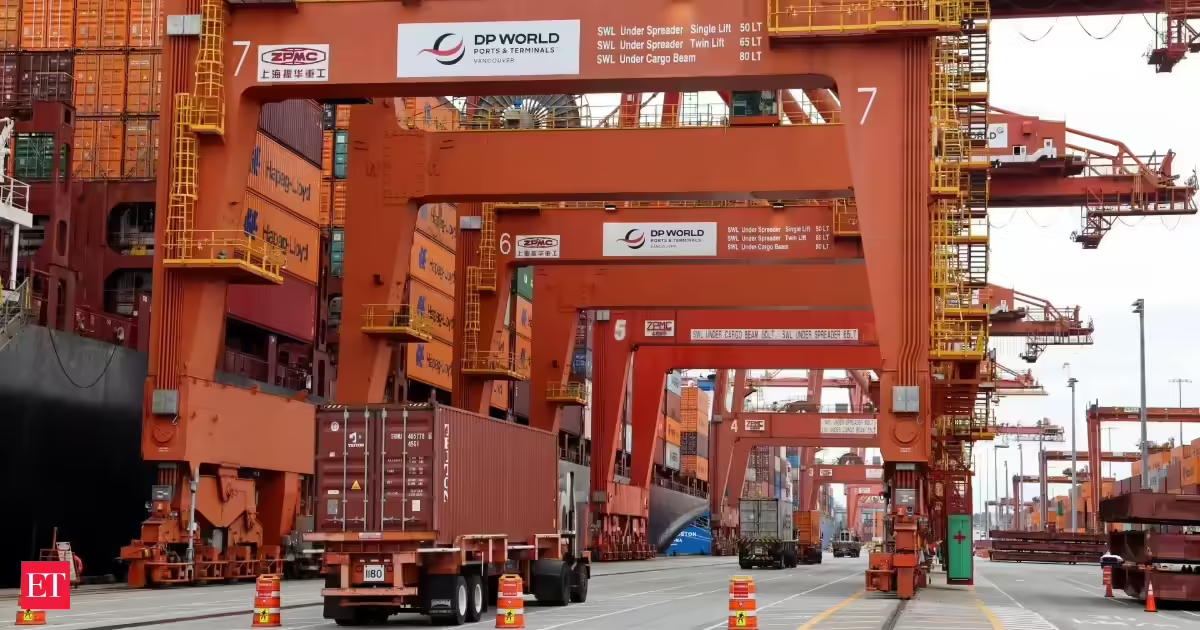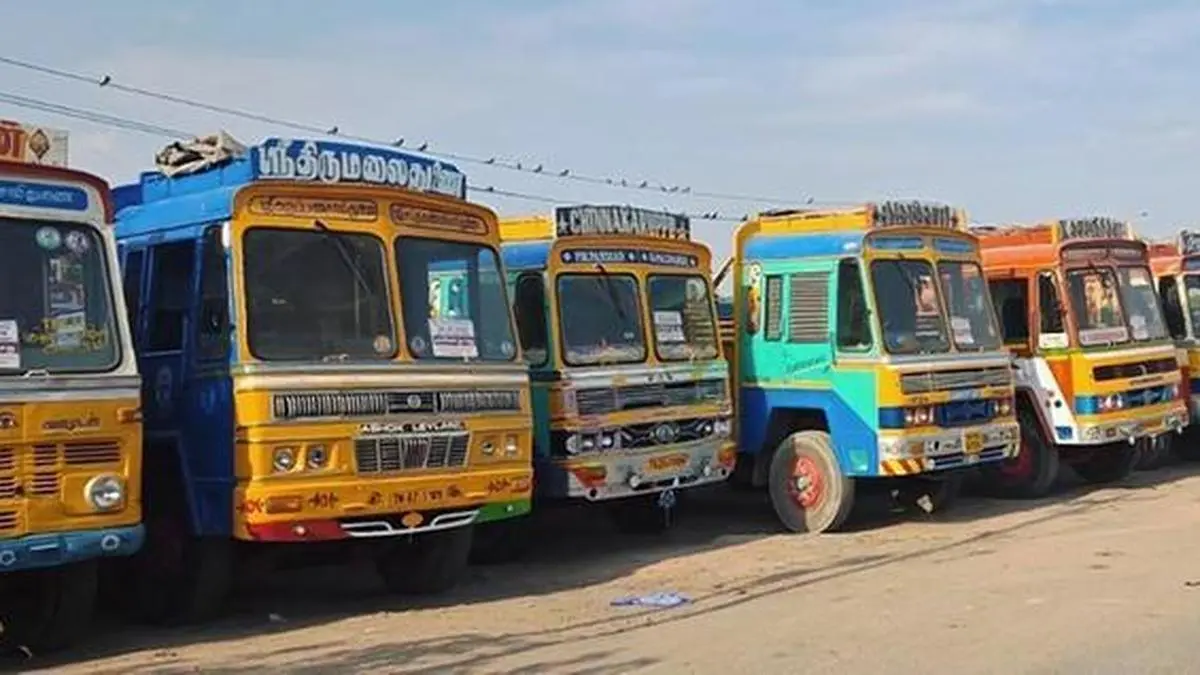
Diesel rationing across Gujarat and Maharashtra is beginning to disrupt India’s freight movement network, with transporters reporting long fuel queues, reduced truck availability and slowing cargo movement at key ports and industrial corridors.The disruption has already hit container movement linked to Mundra and Kandla ports, while rising freight costs are starting to squeeze MSMEs, manufacturers and agricultural supply chains across western India.India’s western freight corridors are facing mounting disruption as diesel rationing across Gujarat and Maharashtra slows cargo evacuation from key ports, cuts truck availability and raises logistics costs for MSMEs and agricultural traders, signalling that the fuel disruption is beginning to spill into the broader industrial economy.Transporters servicing Mundra and Deendayal (Kandla) ports said several fuel stations have started restricting diesel sales to as little as 50 litres per truck, far below the nearly 200 litres required for long-haul freight movement, forcing drivers to queue for hours, search across multiple stations and increasingly avoid interstate assignments.The disruption has already reduced container movement in the Kandla-Mundra belt from nearly 5,000 containers a day to roughly 1,000, according to industry associations.The resulting shortage of trucks is now affecting manufacturing supply chains and MSMEs across industrial belts linked to Pune, Nashik, Jalgaon and Buldhana, with spot freight costs on some routes rising nearly 30% within days as operators attempt to offset fuel delays and operational uncertainty.Industry executives said the disruption is being driven less by an outright shortage of diesel and more by a widening gap between industrial and retail fuel prices that has redirected bulk commercial demand toward public retail pumps.International crude volatility linked to geopolitical tensions in West Asia has reportedly pushed industrial diesel prices to ₹125-145 per litre, while retail diesel prices at public sector fuel stations remain around ₹95 per litre. The resulting ₹30-40 per litre gap has prompted fleet operators, buses and industrial buyers to increasingly rely on retail pumps instead of direct commercial procurement channels.Transporters said public sector oil marketing companies had allocated diesel supplies to retail outlets based on historical consumption patterns and were unprepared for the sudden surge in demand from heavy commercial vehicles.Port Corridors Under PressureThe disruption has become particularly severe across Gujarat’s port-linked logistics network servicing Mundra and Kandla ports, two of India’s busiest export-import gateways.Drivers are spending hours moving between fuel stations or detouring into nearby towns such as Gandhidham to secure smaller fuel top-ups, leading to congestion, delivery delays and lower fleet utilisation.The operational stress has become so acute that transport associations have urged shipping lines and corporate clients to avoid penalising operators for delayed deliveries, warning that the sector is effectively operating under force majeure-like conditions.MSMEs Face Freight Cost SurgeThe impact is now spreading deeper into manufacturing and MSME supply chains across western India. Industrial corridors linked to Pune, Chakan and Nashik are reporting lower truck availability as drivers increasingly avoid routes where fuel access remains uncertain.The resulting vehicle shortage has sharply increased spot freight rates across industrial and agricultural routes. Industry estimates suggest transportation costs on some routes in the Nashik-Mumbai-Pune belt have risen from around ₹1,100 per tonne to ₹1,400-1,500 per tonne within days.Transport bodies have also started implementing Fuel Adjustment Factor (FAF) mechanisms under which freight rates automatically rise with increases in diesel prices above pre-defined baselines.Beyond diesel costs, transporters are also grappling with higher AdBlue prices, rising tyre costs and increased toll charges, further intensifying pressure on freight economics.The strain is proving especially difficult for MSMEs, many of which lack the balance-sheet strength available to larger corporates that can negotiate dedicated fuel arrangements or temporarily absorb logistics shocks.Agriculture Supply Chains TightenAgricultural logistics networks have also started feeling the impact of the diesel disruption. In Maharashtra, transport bottlenecks linked to Lasalgaon, the country’s largest wholesale onion market, have reduced truck movement toward Navi Mumbai’s Vashi APMC market, tightening supplies and pushing up wholesale prices.Industry bodies said daily onion truck arrivals at Vashi have fallen from nearly 110 vehicles to around 70-80 vehicles as transporters avoid long-distance movement amid uncertainty over fuel availability. Wholesale onion prices have consequently risen from ₹10-12 per kg to nearly ₹15 per kg within days.In several rural districts across Maharashtra, long queues involving tractors and commercial vehicles waiting for diesel have become increasingly common, occasionally leading to tensions at fuel stations.Industry executives warned that unless diesel availability stabilises quickly across key freight corridors, the disruption could spill deeper into manufacturing schedules, agricultural supply chains and regional inflation, turning what began as a fuel pricing imbalance into a broader logistics crisis.More Like ThisPublished on May 26, 2026
Diesel rationing hits truck movement, slows cargo across ports, industrial corridors
The disruption has already hit container movement linked to Mundra and Kandla ports, while rising freight costs are starting to squeeze MSMEs, manufacturers and agricultural supply chains across western India
754 words~3 min read