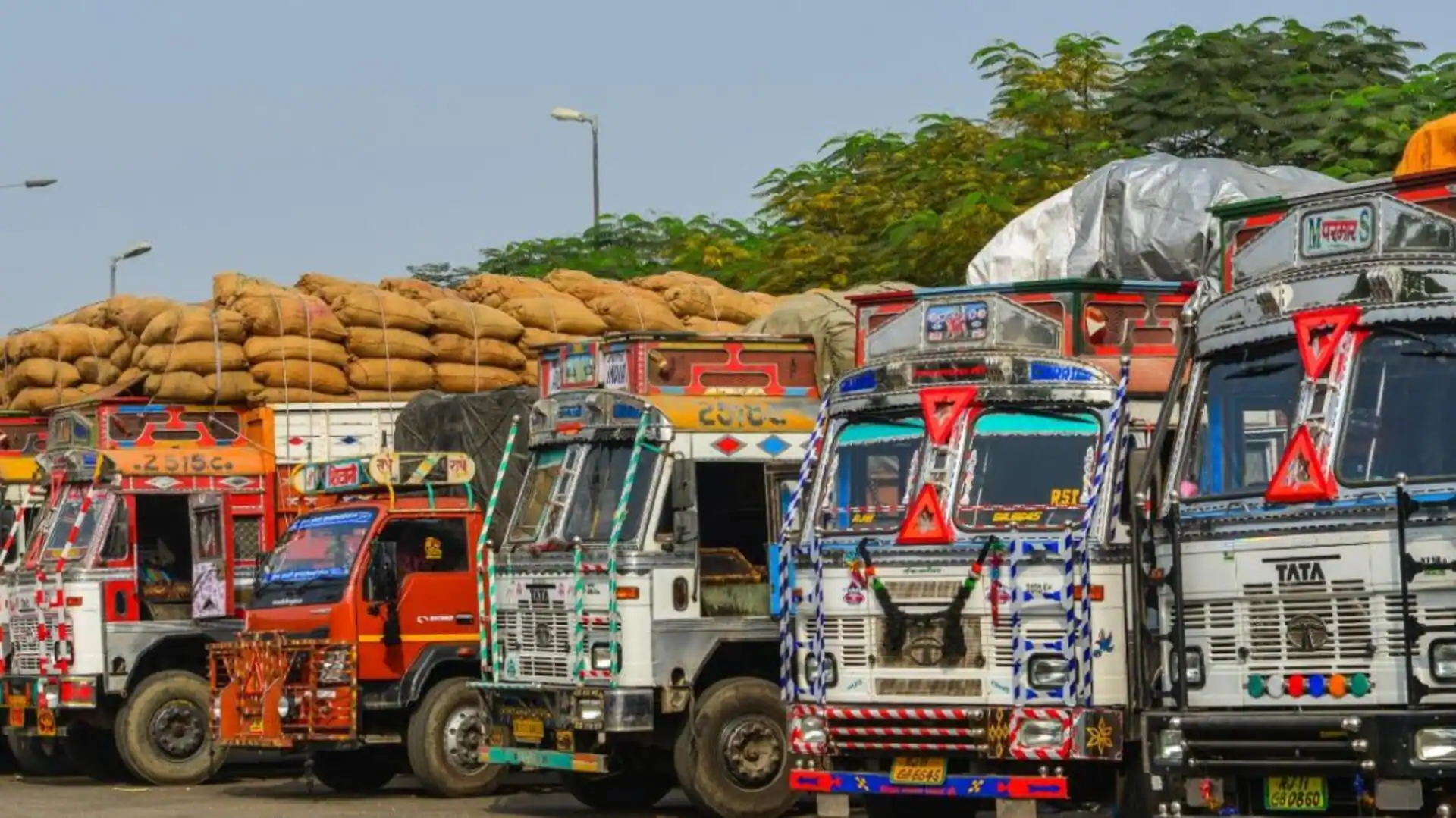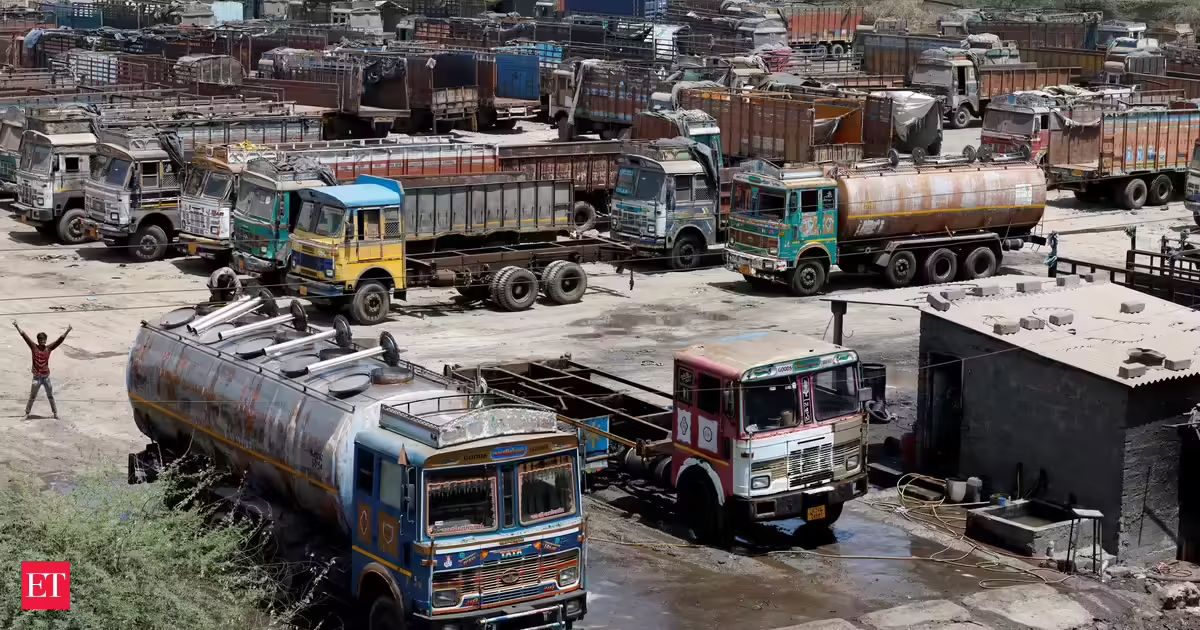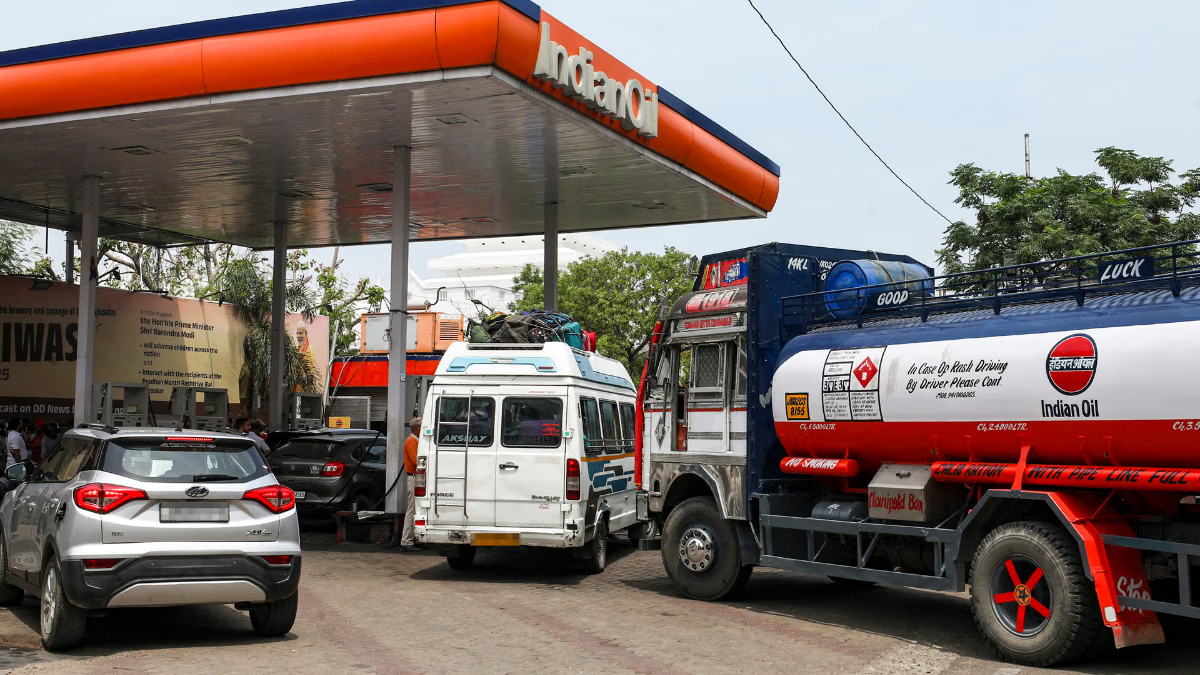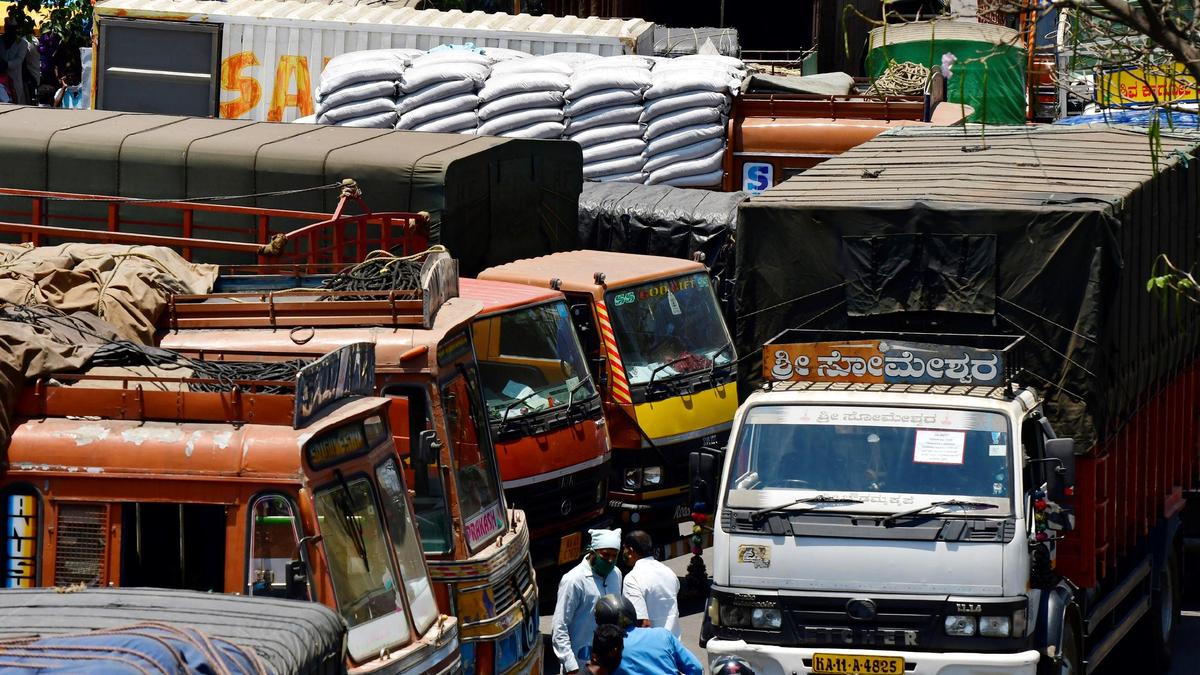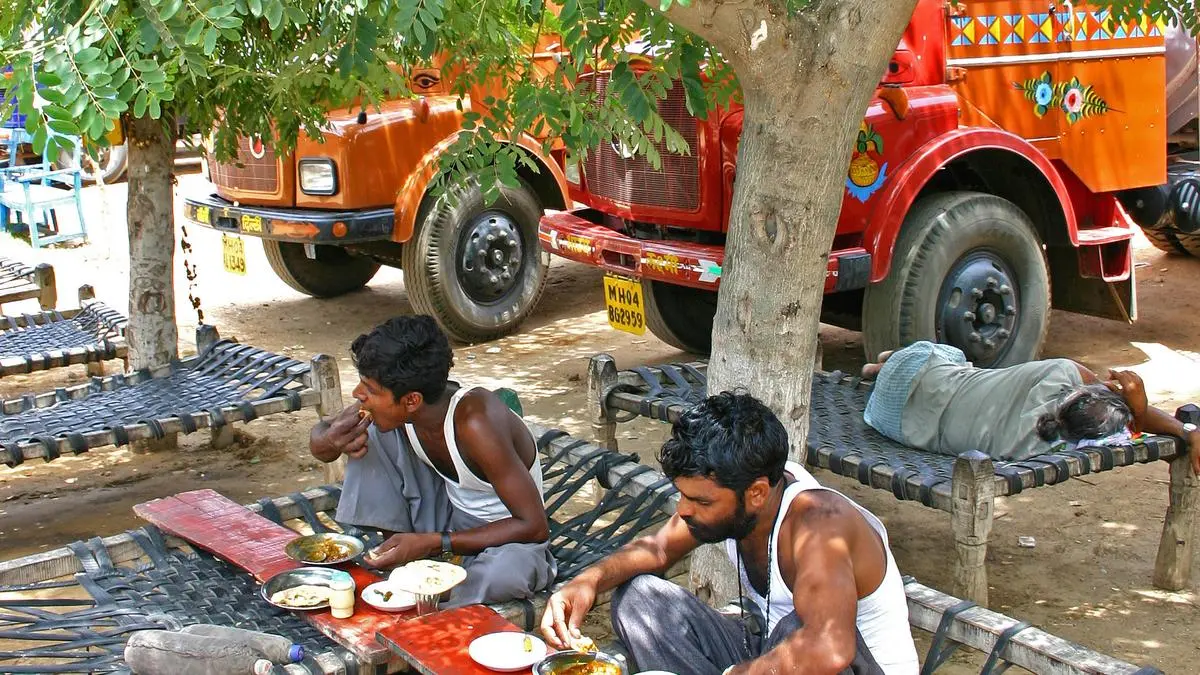
India’s transport sector is staring at a full-blown operating crisis as collapsing freight rates, sharply rising diesel prices, fuel supply disruptions and a steep fall in cargo availability affecting truckers, with industry bodies estimating that nearly 25-30% of the country’s active trucking fleet is now either off the roads, stranded or facing severe operational delays.The stress is intensifying at a time when freight markets were already weakening. CRISIL’s latest freight assessment showed softer freight realisations across major trucking routes due to weak manufacturing cargo movement and excess fleet availability, while fleet utilisation levels also softened entering April amid uneven freight demand and disruptions linked to the West Asia conflict.A significant portion of the current “idle” fleet reflects transit idling rather than trucks permanently parked at depots, with vehicles stranded for 12-36 hours along highways because retail fuel pumps are either rationing diesel supplies to commercial vehicles or temporarily running dry while awaiting replenishment.Operators said thousands of trucks are parked along bypasses, service roads and logistics yards because weak cargo availability and fuel uncertainty have made several trips commercially unviable.India’s active freight network consists of roughly 8-9 million commercial vehicles, including nearly 4.5-5 million medium and heavy trucks that form the backbone of interstate cargo movement. The crisis has intensified after the fourth diesel price hike in 10 days pushed cumulative increases to nearly ₹8 per litre since May 15, even as freight demand remains weak and fleet availability stays elevated, limiting transporters’ ability to pass on higher operating costs.“Freight rates are depressed, diesel prices are rising every few days, fuel availability itself is becoming uncertain in some corridors, and carrying loads in parts of the market have fallen by almost half,” said a transporter associated with the All India Motor Transport Congress (AIMTC). “If this continues for another 60 to 90 days, more than 30% of India’s trucking community risks getting wiped out.”The stress is becoming most visible among small fleet operators owning fewer than five trucks, where industry estimates suggest idling rates have climbed to nearly 30-35% as operators choose to temporarily ground vehicles rather than run trips at a loss.“The impact is now moving beyond transporters and becoming a national supply-chain issue. Vehicle movement is slowing in several regions, operating losses are rising, and stress is building across manufacturing, imports, exports and movement of essential commodities. If transport economics collapse, the wider economy will inevitably feel the pressure,” said Bal Malkit Singh, Advisor and former president of AIMTC.Ports, industrial belts hitThe disruption is becoming concentrated around industrial belts, logistics hubs and export-import corridors.Transporters linked to the Kandla-Mundra container ecosystem said daily truck movement has collapsed from nearly 5,000 vehicles a day to roughly 1,000 currently, implying that almost 80% of normal trucking activity in the corridor is either stalled or severely disrupted.Fleet operators in Rajkot, Marathwada and adjoining industrial regions across Gujarat and Maharashtra said movement of trucks carrying coal, machinery and engineering goods has sharply weakened, with operations in some clusters falling to nearly 25% of normal levels.Transporters said the volume of available cargo has drastically shrunk amid slowing industrial dispatches, weaker export-import movement and uncertainty caused by the West Asia conflict.Diesel rationing spreadsTransporters said the crisis is no longer limited to rising diesel prices, with localized shortages and pump-level rationing disrupting long-haul movement across parts of Maharashtra, Gujarat, Haryana, Uttarakhand and some north-eastern states.A Chandigarh-based transporter told businessline that several pumps in parts of Haryana and Uttarakhand have started restricting diesel sales to roughly 100-150 litres per truck, forcing drivers to make repeated refuelling stops and increasing transit delays.
India’s trucking sector faces crisis amid diesel price hikes and fuel shortages
India's trucking sector faces a crisis due to rising diesel prices, fuel shortages, and declining freight demand, risking economic impact.
863 words~4 min read