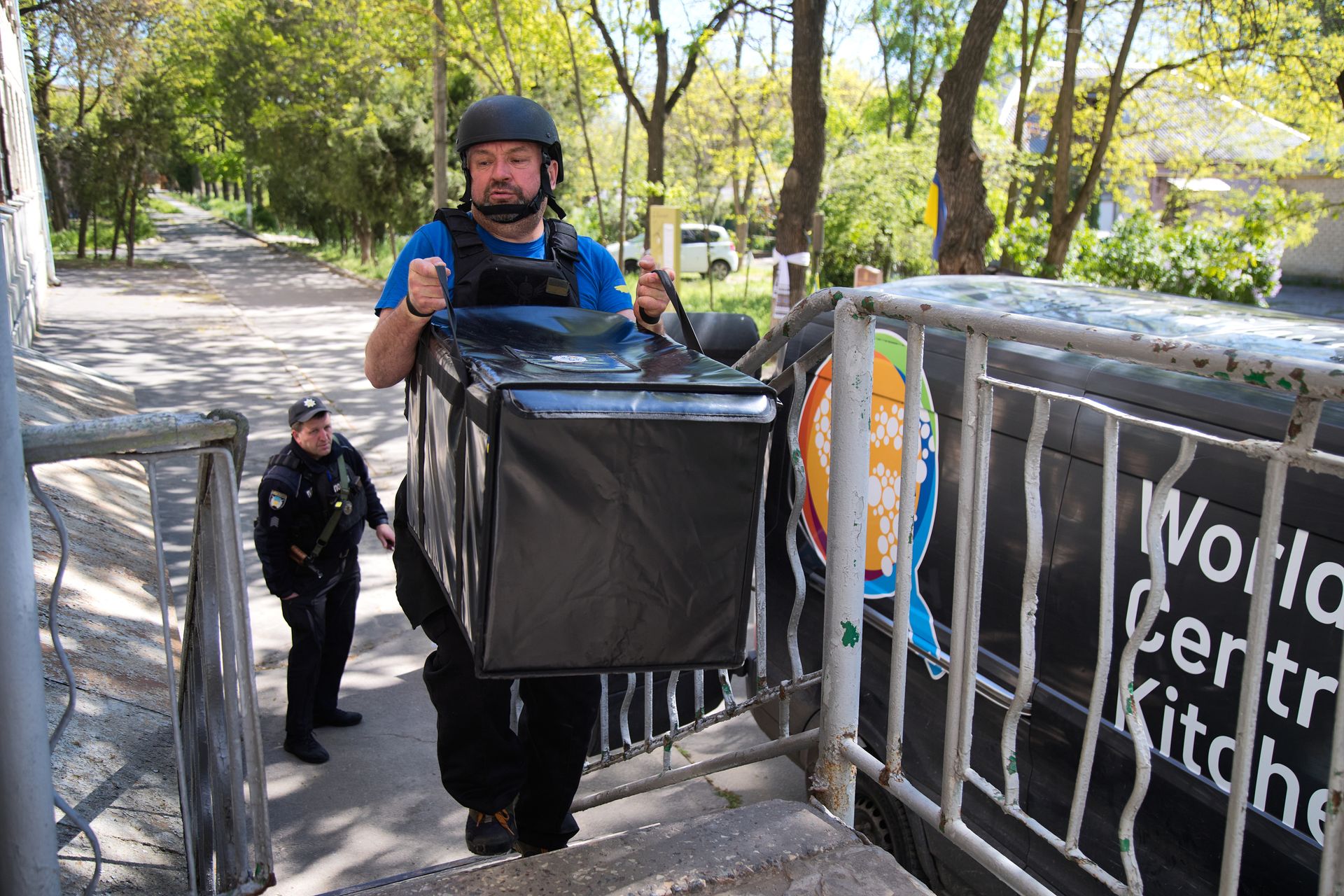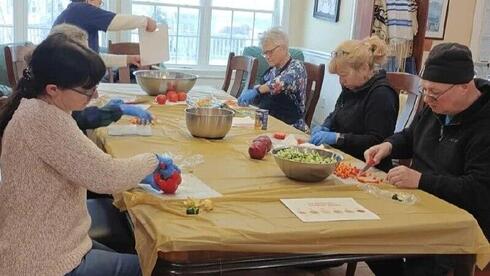
Kitchen of Kindness replaces soup-kitchen lines with discreet home delivery, mobilizing local volunteers to cook kosher meals for the elderly, the ill and families in crisis Related TopicsWelfare offices and soup kitchens have operated for decades in much the same way: one central kitchen, giant pots of food and a long line of people waiting for a meal. But in recent years, a different kind of need has emerged.Many otherwise ordinary people, often unknown to welfare authorities, suddenly find themselves in acute temporary hardship because of illness, old age, loneliness or an unexpected family crisis. For them, going to a soup kitchen is not really an option. The emotional barrier is simply too high.3 View gallery Volunteers with the “Kitchen of Kindness” initiativeThat is the gap the “Kitchen of Kindness” initiative was created to address. Founded by Chabad’s global headquarters in memory of Rabbi Moshe Kotlarsky, who led the movement’s worldwide network of emissaries and died about two years ago, the project has quickly expanded to dozens of cities worldwide.The initiative model looks less like a traditional charity operation and more like a modern service network. Instead of building costly food distribution centers, Chabad’s central headquarters in New York provides local Chabad houses around the world with a ready-made operating kit: uniform branding, recipe books, digital systems for managing volunteers and websites for registration. From that point on, the project is run by the local community.In major cities around the world, Chabad houses use their existing kitchens. Once a week, they hold concentrated cooking days, bringing in neighborhood volunteers, from businesspeople to teenagers and students. Together, they cook and bake high-quality kosher meals, which are then packed to catering-level standards.3 View gallery Female volunteers with the initiativeThe major innovation is the absence of a physical line. Meals are not handed out on site. Instead, they are delivered discreetly and directly to the homes of registered recipients, including elderly people living alone, patients recovering at home and families sitting shiva.The direct delivery system helps remove the stigma and allows people who would never set foot in a soup kitchen to receive the help they need. To make the gesture more personal, volunteers also add a handwritten note to each meal package.“Most of the volunteers who come to cook in London, Paris or New York are local residents who simply want to help,” said Rabbi Menachem Kotlarsky of Chabad’s global headquarters. “Many of them are not part of the religious core of the Jewish communities at all. The kitchen becomes a neighborhood social center.”3 View gallery Volunteers prepare food as part of the “Kitchen of Kindness” initiativeThe model allows Jewish communities worldwide to create fast, independent support systems without waiting for government budgets or outside assistance. Chabad plans to continue introducing the system in dozens of additional countries, offering what it sees as a modern, efficient and dignified alternative to the old welfare model.Comments
No lines, no stigma: Chabad kitchens deliver kosher meals home worldwide
Kitchen of Kindness replaces soup-kitchen lines with discreet home delivery, mobilizing local volunteers to cook kosher meals for the elderly, the ill and families in crisis
482 words~2 min read