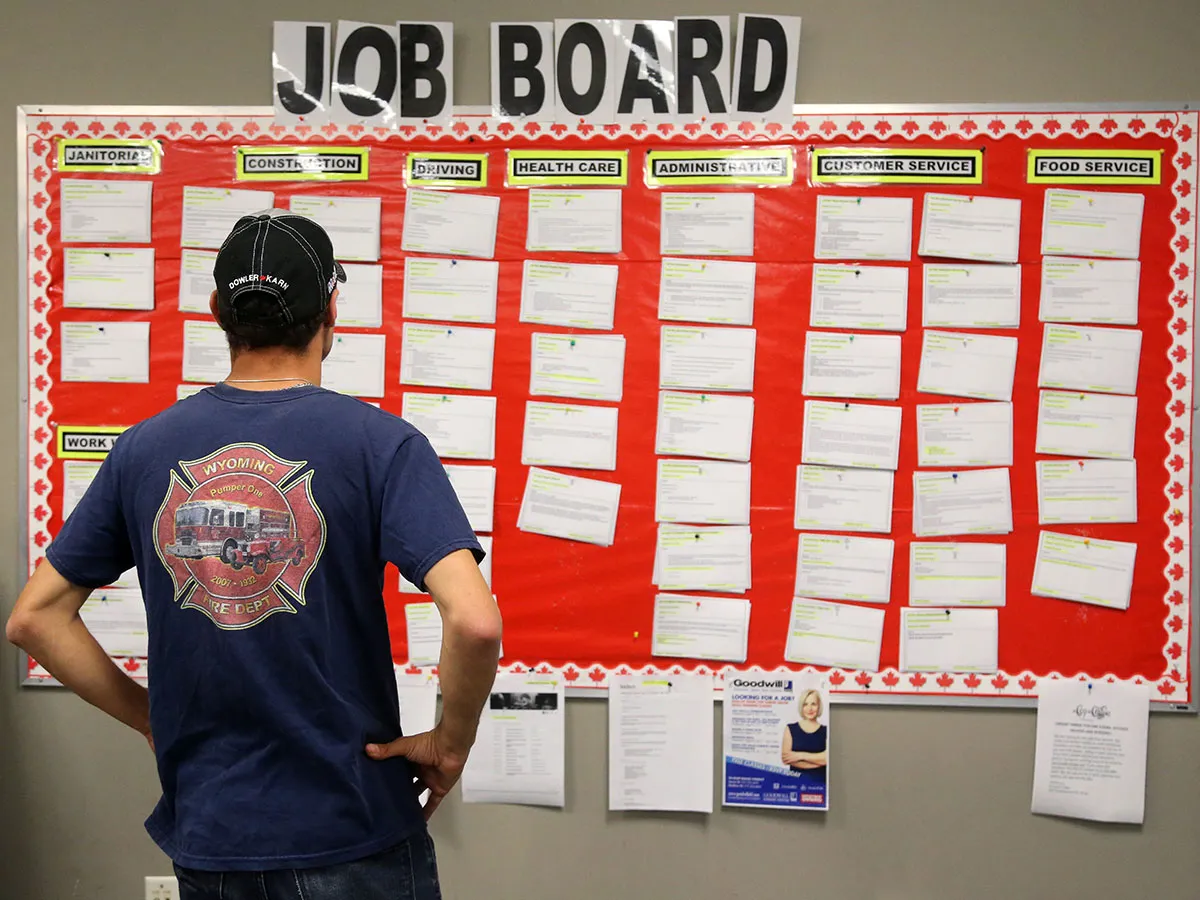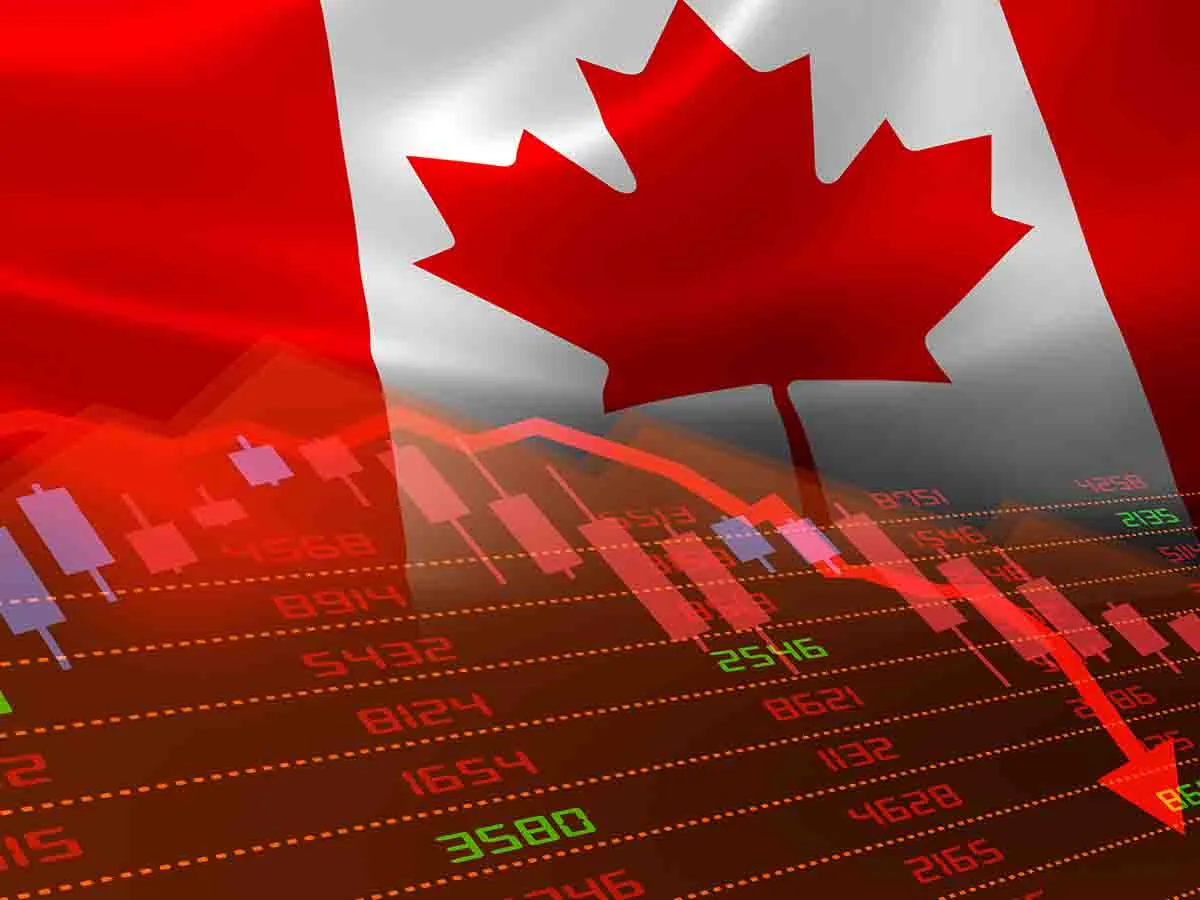
Skip to Content News Archives Economy Energy Oil & Gas Renewables Electric Vehicles Mining Commodities Agriculture Real Estate Mortgages Mortgage Rates Finance Banking Insurance Fintech Cryptocurrency Work Wealth Smart Money Wealth Management Investor Personal Finance Family Finance Retirement Taxes High Net Worth FP Comment Executive Women Puzzmo Newsletters Financial Times Business Essentials More Innovation Information Technology FP500 Podcasts Small Business Lives Told Tails Told Shopping Financial Post Store Obituaries Place a Notice Advertising Advertising With Us Advertising Solutions Postmedia Ad Manager Sponsorship Requests Classifieds Place a Classifieds ad Working Profile Settings My Subscriptions Saved Articles My Offers Newsletters Customer Service FAQ News Economy Energy Mining Real Estate Finance Work Wealth Investor FP Comment Executive Women Puzzmo Newsletters Financial Times Business Essentials HomeNewsPosthaste: Canada 'stands out' on this economic surprise index — just not in a good wayString of disappointing data makes nation underperformer on world stageLast updated 21 minutes ago You can save this article by registering for free here. Or sign-in if you have an account."Economic data in Canada has stumbled out the gate so far in 2026," including year-to-date jobs losses and several employment misses compared with analyst expectations, National Bank of Canada said. Photo by Ronnie Chua /Getty ImagesSubscribe now to read the latest news in your city and across Canada.Exclusive articles from Barbara Shecter, Joe O'Connor, Gabriel Friedman, and others.Daily content from Financial Times, the world's leading global business publication.Unlimited online access to read articles from Financial Post, National Post and 15 news sites across Canada with one account.National Post ePaper, an electronic replica of the print edition to view on any device, share and comment on.Daily puzzles, including the New York Times Crossword.Subscribe now to read the latest news in your city and across Canada.Exclusive articles from Barbara Shecter, Joe O'Connor, Gabriel Friedman and others.Daily content from Financial Times, the world's leading global business publication.Unlimited online access to read articles from Financial Post, National Post and 15 news sites across Canada with one account.National Post ePaper, an electronic replica of the print edition to view on any device, share and comment on.Daily puzzles, including the New York Times Crossword.Create an account or sign in to continue with your reading experience.Access articles from across Canada with one account.Share your thoughts and join the conversation in the comments.Enjoy additional articles per month.Get email updates from your favourite authors.Create an account or sign in to continue with your reading experience.Access articles from across Canada with one accountShare your thoughts and join the conversation in the commentsEnjoy additional articles per monthGet email updates from your favourite authorsSign In or Create an AccountorCanada may stand out on the global economic surprise index, but it’s for posting poor results, say National Bank of Canada economists.“Disappointing economic data is not a global phenomenon right now,” Taylor Schleich and Ethan Currie said in a note on Tuesday. “Canada stands out as an underperformer among major economies, particularly against the United States.”New York-based Citigroup Inc. operates the economic surprise indexes, which measure data surprises against market expectations. A positive reading means numbers have come in ahead of expectations, while a negative one means they have missed expectations.Breaking business news, incisive views, must-reads and market signals. Weekdays by 9 a.m.By signing up you consent to receive the above newsletter from Postmedia Network Inc.A welcome email is on its way. If you don't see it, please check your junk folder.The next issue of Posthaste will soon be in your inbox.We encountered an issue signing you up. Please try againCanada on Tuesday was at minus 88.2, a big drop from a positive reading of around 100 at the end of last year. The U.S., where labour and retail data have recently come in better than expected, was at 43.7, making for the biggest gap on the index between the two neighbours in four years.National Bank’s economists aren’t surprised by Canada’s poor showing.“Economic data in Canada has stumbled out the gate so far in 2026,” they said, citing year-to-date jobs losses and several employment misses compared with analyst expectations.For example, the country has shed more than 110,000 positions since the start of the year. Economists forecasted the economy would add 10,000 jobs in May, but it lost almost 18,000.The biggest miss of the year, however, came in March, when the economy lost 84,000 positions versus forecasts of it adding 10,000.But Canada’s recent poor showing on Citi’s index isn’t its worst. That came in late 2022, when its score fell to its lowest level of nearly minus 150 because the economists said the Bank of Canada “was bludgeoning the economy with rate hikes” due to rising inflation, partly spurred by an energy supply shock after Russia declared war on Ukraine.Canada’s economic numbers were worse in the latter part of 2022, but the economy had been spitting out positive inflation surprises and momentum was building prior to the Bank of Canada rate hike campaign, they said.The economic echoes of today — an oil supply crisis and inflation worries — are similar, but Schleich and Currie wonder whether geopolitics or bad economic surprises hold more sway on the outlook for interest rates.There have been times when geopolitical events have pushed economic data to the sidelines in terms of the interest rate path, they said. For example, Canada produced some stronger-than-expected numbers in early 2025, but markets focused on the threat posed by U.S. tariffs.The Bank of Canada continued to cut interest rates throughout 2025, taking them to 2.25 per cent from 3.25 per cent at the start of the year as it tried to diminish the effect of Donald Trump’s tariff war.Geopolitics also took centre stage in the early days of the oil crisis, the pair said. But they said the poor economic surprises Canada is producing these days will probably hold more sway over what happens with interest rates.As evidence, they pointed to yields on five-year Government of Canada bonds, which are falling relative to U.S. Treasury yields, and is consistent with weak/disappointing economic data in Canada.They also expect more “sluggishness” ahead for the economy, especially given the Canada-U.S.-Mexico Agreement negotiations loom large as a threat.“When it comes to the economic and inflation environment in 2026, this time is different, allowing the Bank of Canada to take a more patient policy approach,” they said. Sign up here to get Posthaste delivered straight to your inbox.The Business Development Bank of Canada says a strained venture capital market and continued reliance on foreign capital is making it harder for homegrown startups to expand and is putting economic sovereignty on the line.“Canada is exceptionally good at creating innovative companies. Where we fall short is helping them scale and stay here,” Geneviève Bouthillier, executive vice-president BDC Capital, said in a statement on Tuesday.“The heavy reliance on foreign capital to fill that gap … has implications for Canada’s ability to retain ownership, decision-making and long-term value. This is now an economic sovereignty issue.” — Yvonne Lau, Financial PostRead the full story here.U.S. Trade Representative Jamieson Greer is in Mexico City today to kick off bilateral talks ahead of the Canada-United-States-Mexico-Agreement review.CANSEC 2026, billed as Canada’s leading defence, security and emerging technology event, opens in Ottawa. Keynote speakers include Defence Minister David McGuinty and Industry Minister Melanie Joly.Today’s data: U.S. MBA mortgage applications, ADP weekly employment change, Richmond Fed manufacturing index and business conditions, Dallas Fed services activityEarnings: Bank of Nova Scotia, Bank of Montreal, National Bank of Canada, EQB Inc., Davids Tea, Coveo Solutions Inc.Alberta-based couple Andrew, 55, and Amanda, 40, are parents to two children under the age of 10. With a net worth of about $7.2 million, Andrew wants to know if he can afford to retire. Keep reading here to find out more.Interested in energy? The subscriber-only FP West: Energy Insider newsletter brings you exclusive reporting and in-depth analysis on one of the country’s most important sectors. Sign up here.Are you worried about having enough for retirement? Do you need to adjust your portfolio? Are you starting out or making a change and wondering how to build wealth? Are you trying to make ends meet? Drop us a line at wealth@postmedia.com with your contact info and the gist of your problem and we’ll find some experts to help you out while writing a Family Finance story about it (we’ll keep your name out of it, of course).Want to learn more about mortgages? Mortgage strategist Robert McLister’s Financial Post column can help navigate the complex sector, from the latest trends to financing opportunities you won’t want to miss. Plus check his mortgage rate page for Canada’s lowest national mortgage rates, updated daily.Visit the Financial Post’s YouTube channel for interviews with Canada’s leading experts in business, economics, housing, the energy sector and more.Today’s Posthaste was written by Gigi Suhanic with additional reporting from Financial Post staff and Bloomberg.Have a story idea, pitch, embargoed report, or a suggestion for this newsletter? Email us at posthaste@postmedia.com.Bookmark our website and support our journalism: Don’t miss the business news you need to know — add financialpost.com to your bookmarks and sign up for our newsletters here Join the Conversation This website uses cookies to personalize your content (including ads), and allows us to analyze our traffic. Read more about cookies here. By continuing to use our site, you agree to our Terms of Use and Privacy Policy.
Posthaste: Canada 'stands out' on this economic surprise index — just not in a good way
Canada slumped to a four-year low on the economic surprise index, 'standing out as an underperformer' especially against the U.S. Read on.
1,549 words~7 min read