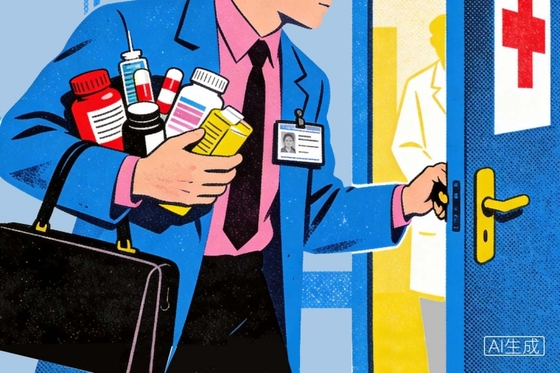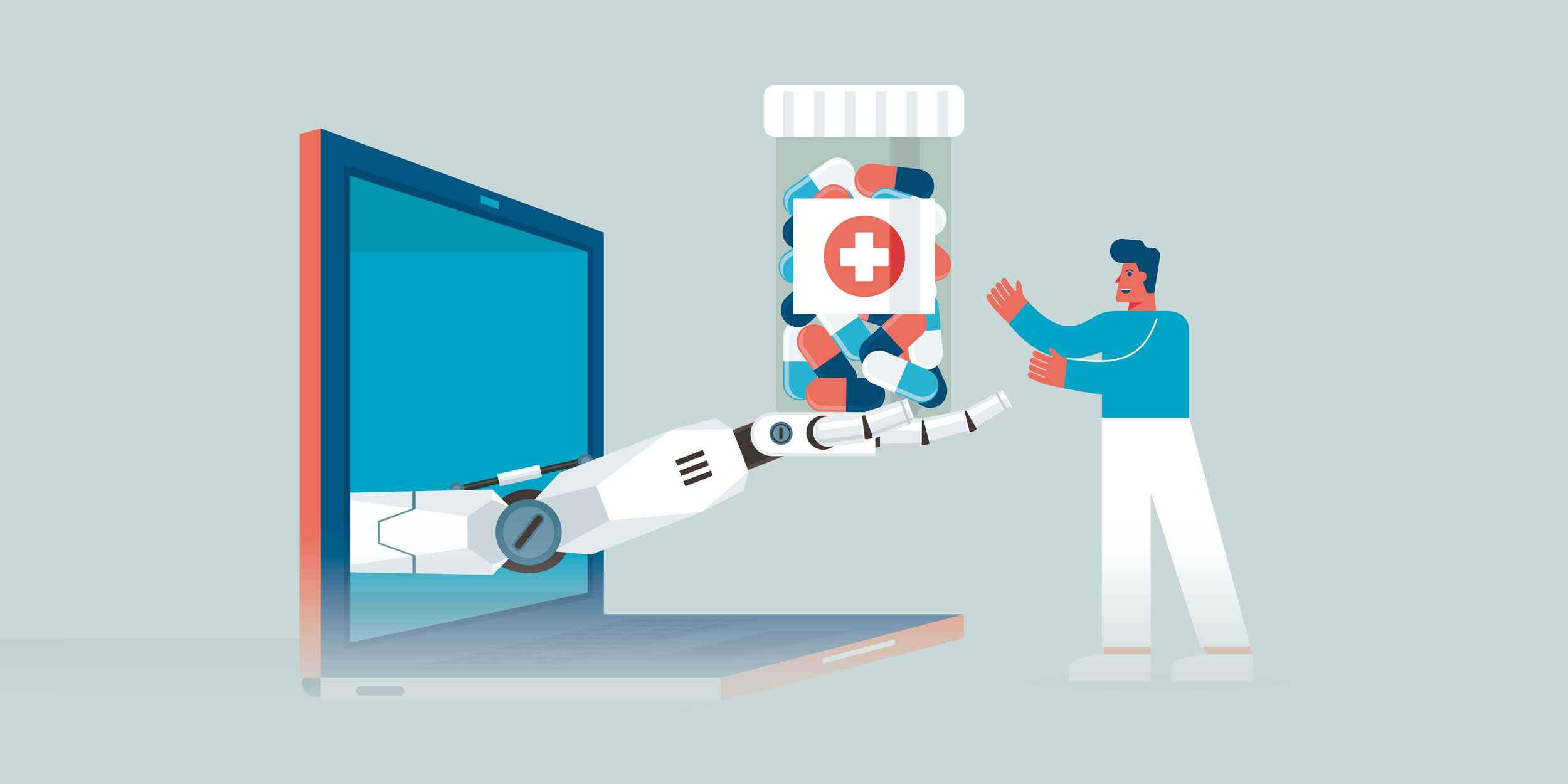
China has unveiled new guidelines regulating online prescription drug sales, tightening oversight of real-name authentication, pharmacist accountability, and minors’ access to drugs.Released by the National Medical Products Administration (NMPA) on Monday, the guidelines mandate that online drug sales may only be completed upon presentation of a prescription issued by a licensed physician. Buyers must also provide their name, ID number, and contact information for verification by the platforms. In addition, platforms cannot use AI to review, approve, or renew prescriptions, and the reuse of prescription codes is prohibited.In China, many prescription drugs are available for purchase on online platforms, including Meituan Medicine, Taobao Flash, and JD Health. Identity and symptom verification have been required since the country’s first drug e-sales regulations took effect on Dec. 1, 2022. However, platform monitoring and compliance have been ongoing issues, with buyers circumventing restrictions, such as by reusing old prescription codes. China’s online drug retail market surpassed 80 billion yuan (roughly $12 billion) in 2025. The new guidelines impose stricter requirements on platforms, which must now audit merchants, monitor drug listings, and report illegal activities to local authorities, said NMPA official Lin Changqing. Lin added that retailers will be suspended for serious violations, but didn’t specify for how long.Drug retail platforms must also warn minors of drug safety risks, inform them that purchasing prescription drugs requires guardian consent, and that purchases must occur under pharmaceutical guidance.To prevent drug abuse, online retailers must not entice consumers to purchase drugs for purposes other than treatment through any means, including short videos and livestreaming promotions.While the new guidelines are not formal laws, they make existing laws on online pharmaceutical sales more enforceable. According to industry officials, non-compliance will now be much easier for regulators to identify, prove, and penalize. Huang Xiuxiang, a former pharmaceutical industry official in the central Hunan province, told domestic media that although the new guidelines are not formal laws, they are related and complementary to existing laws and regulations. As such, they will help to address industry malpractice such as instant prescription issuance, AI-based prescription review, inducement of minors to purchase drugs, and the publishing of misleading prescription information online. Editor: Marianne Gunnarsson. (Header image: VCG)
China Tightens Online Pharmacy Rules on AI Use and Prescriptions
The country aims to curb abuses in obtaining prescription medication online — a practice that has become easier with the rise of pharmaceutical e-commerce platforms.
363 words~2 min read