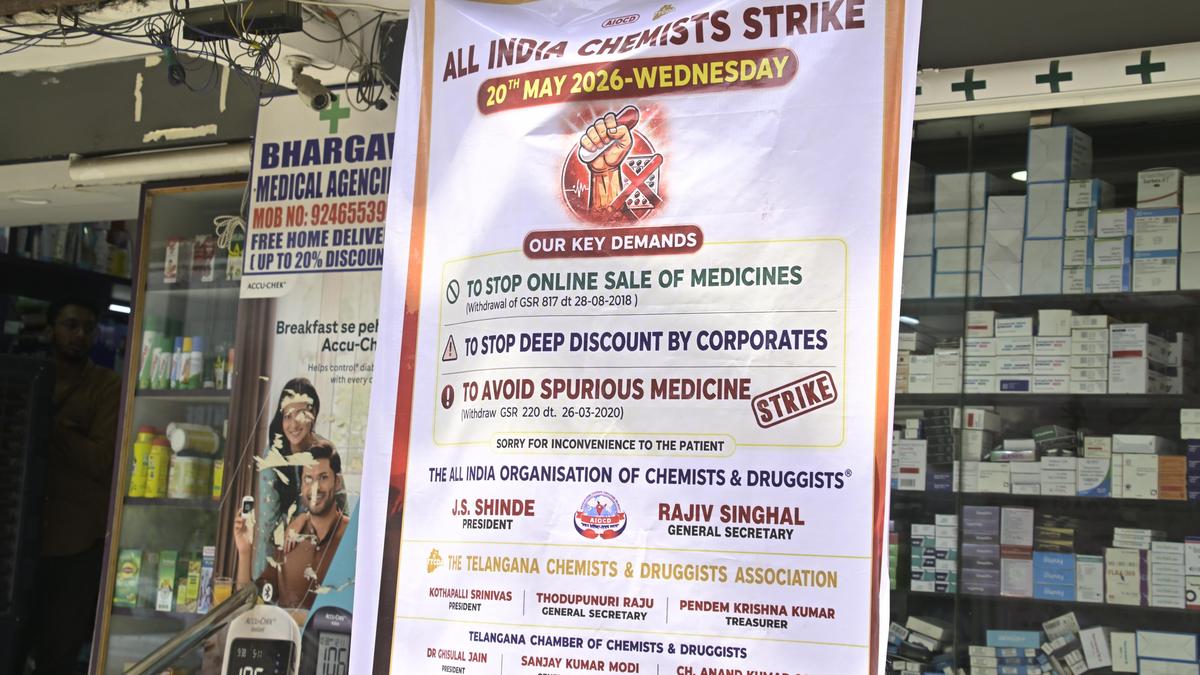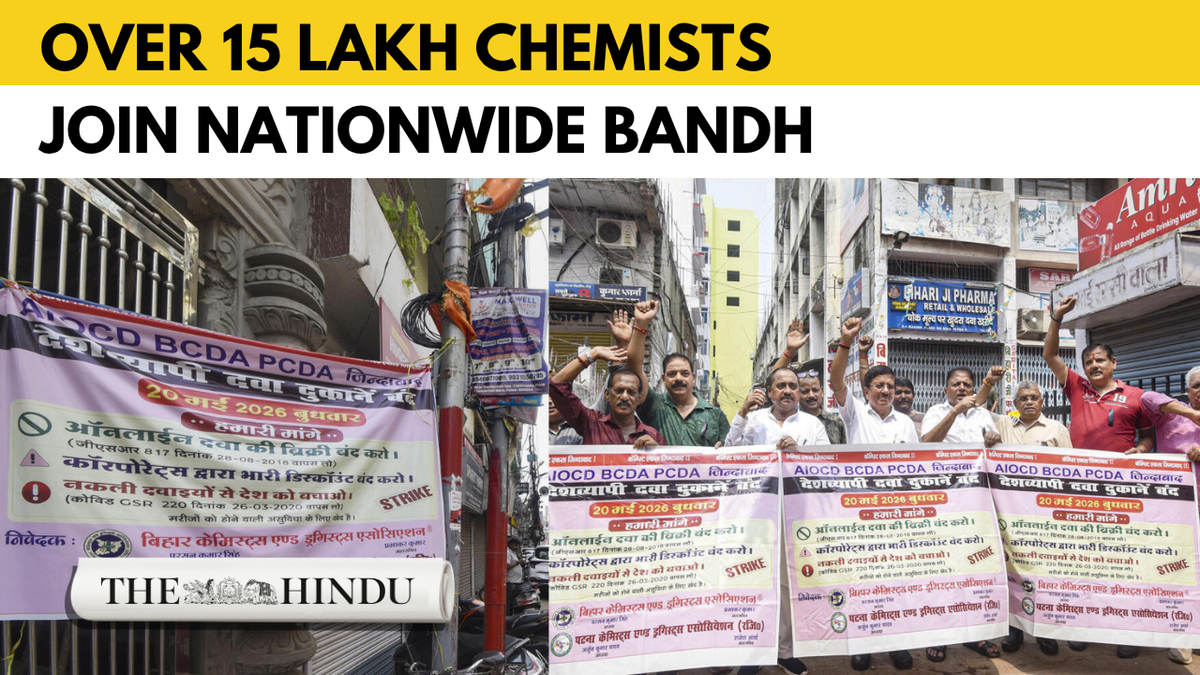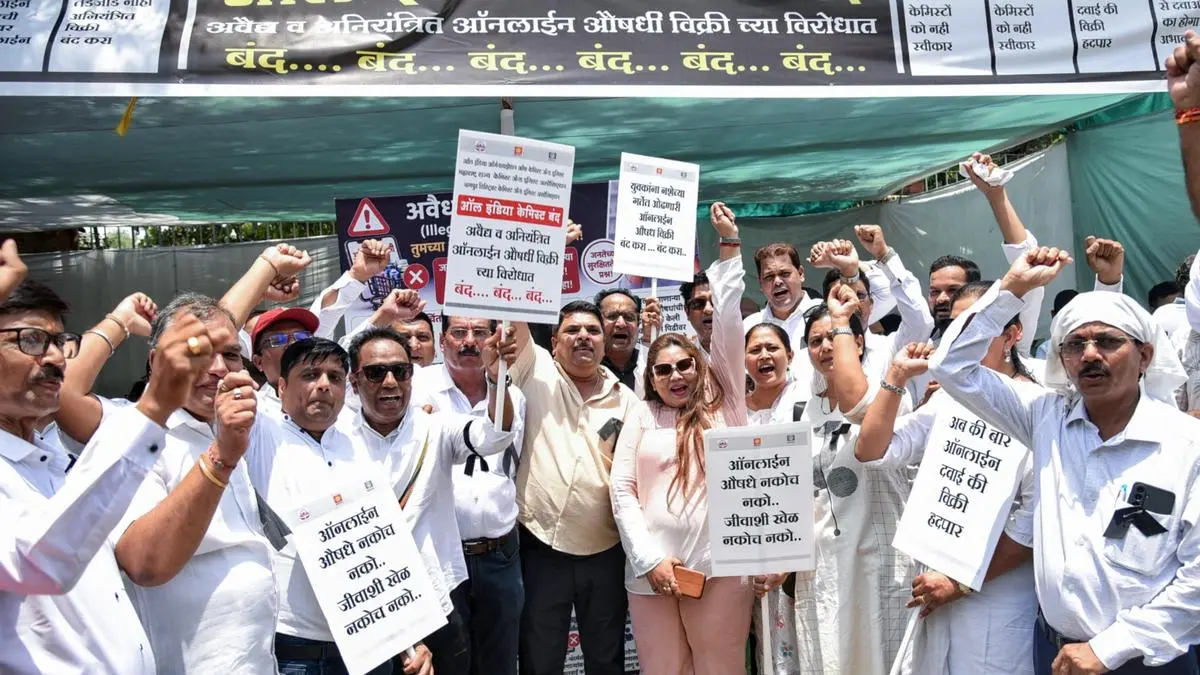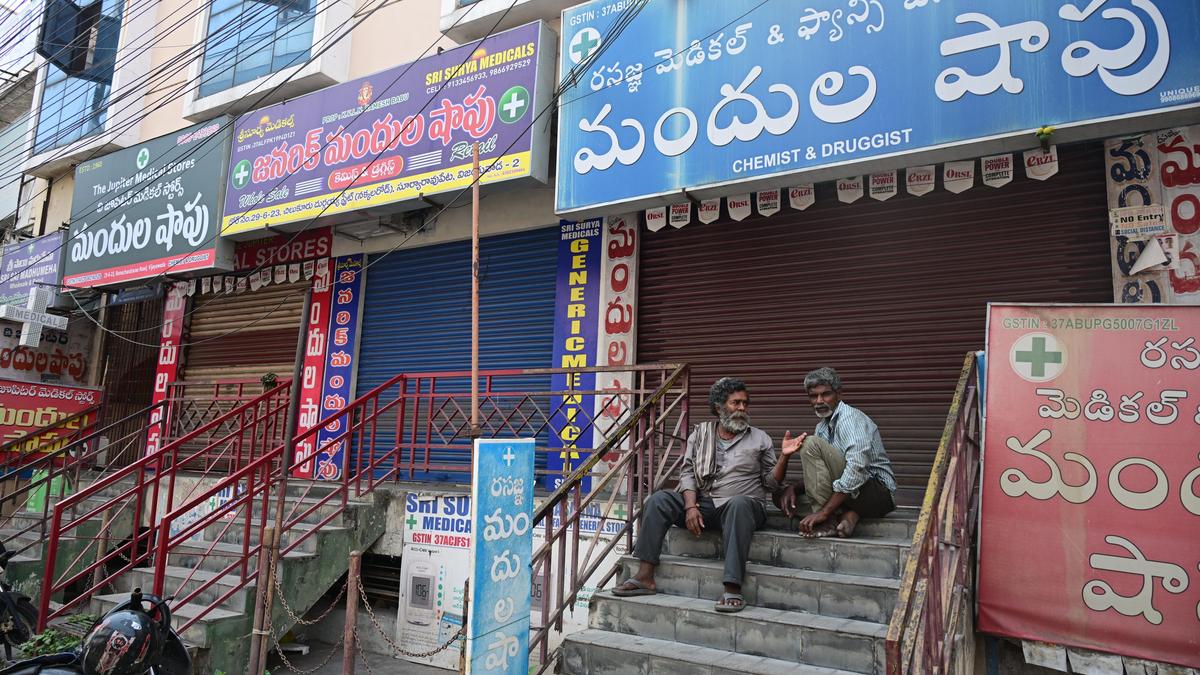
The neighbourhood chemists recently downed shutters for a day, responding to a call from an apex association representing local pharmacists. They were protesting against the presence of online pharmacies and the “predatory” practices that threatened the livelihoods of retail chemists, the association said.While some see the offline-online chemist standoff as a turf war, the issue has been festering for at least 10 years now — reinforcing the need for a long overdue regulatory framework.It’s one thing to sell garments or electronics online, but quite another selling life-saving medicines from such platforms, caution multiple voices from the retail trade. Doctors red-flag a system where some fellow doctors give online prescriptions, calling attention to a multi-layered healthcare issue in dire need of a regulatory resolution.Offline chemist stores are governed by the Drugs and Cosmetics Act, among other laws, and mandated to abide by rules on matters ranging from storing and dispensing of medicines to margins offered to distributors. No deep discounts are possible, say chemists, contrasting this with the offers on online channels.In its white paper on online pharmacies, the Indian Medical Association recognises that they may offer convenience, but at a price. There are “no well-defined dedicated laws for online pharmacies”, the IMA observes, outlining concerns on storage, distribution, potential misuse of habit-forming medicines and data privacy (use of scanned prescriptions). IMA former President RV Asokan says the sanctity of the prescription is lost. There are laws covering online consultation — what can and cannot be done, he says, but not so with online pharmacies. Doctors aligned to these organisations issue online prescriptions, but what if the patient’s condition has worsened or they need a different medicine, he asks.A 2018 notification governing online pharmacies has lapsed, raising questions on the very legitimacy of e-pharmacies, industry insiders point out, as the issue passes through multiple courts. Some online pharmacy representatives explain that they are a “marketplace” — supplying medicines from legitimate chemists, on doctor prescriptions and through safe delivery practices.‘Higher standards’Countering the contentious issues raised, Rahul Guha, Managing Director and Chief Executive Officer of digital healthcare platform API Holdings, the parent company of online pharmacy PharmEasy, says, “PharmEasy is a platform that directs the order to retail chemists who, by the way, are fully compliant with the Drugs and Cosmetics Act... (we) have a higher standard of compliance because nothing is dispensed without a prescription. Everything is ABDM (Ayushman Bharat Digital Mission) integrated... there is no risk to the patient.” Stating that online players follow distribution rules like offline chemists, he points out that retail chemists, too, deliver medicines home.Further, organisations like his offer a “value proposition” to the customer in terms of multiple services (diagnostics, doctor consultation and so on), which a standalone chemist may not be able to offer, he says. As for online prescriptions, he clarifies that the doctors are registered practitioners and issue prescriptions under their name, and do so with responsibility. Other representatives at online pharmacies did not respond or declined to comment on the issues raised.Predatory pricingRepresenting over 12 lakh chemists, the All India Organisation of Chemists and Druggists (AIOCD), which called the recent day-long strike, has long demanded “a level-playing field”. “Large corporate entities are disturbing market balance through deep discounting. While margins on essential medicines are fixed by the government, these entities are creating unfair competition. This is threatening the survival of small chemists in rural and semi-urban areas, which will ultimately destroy the accessible medicine supply system,” the AIOCD said in submissions to authorities, including the Prime Minister.Regulatory ambiguitiesDr Sujit Paul, Group CEO, Zota Healthcare — the parent of generic drugs pharmacy DavaIndia — underlines the need for a physical “hyperlocal” store. A pharmacy or anything related to medicines is “sensitive”, he says, and cannot have a “warehouse model” like an apparel business. (DavaIndia has offline and online presence.)A warehouse model must have more checks built in to ensure the right medicine is sold. There are regulatory ambiguities, and hence the repeated stand-offs, he explains.Paul questions whether companies dealing with medicines have a “bandwith” in healthcare. “It is not (a) grocery business. There are ways to handle medicines.” A marketplace means an aggregator model, which works with electronic gadgets, “you don’t risk your health for that,” he says, questioning the sourcing, storage and distribution.
E-pharmacies: The missing regulatory prescription
E-pharmacies face scrutiny over regulatory gaps, deep discounts, and online prescriptions, raising concerns for local chemists and patient safety.
739 words~3 min read