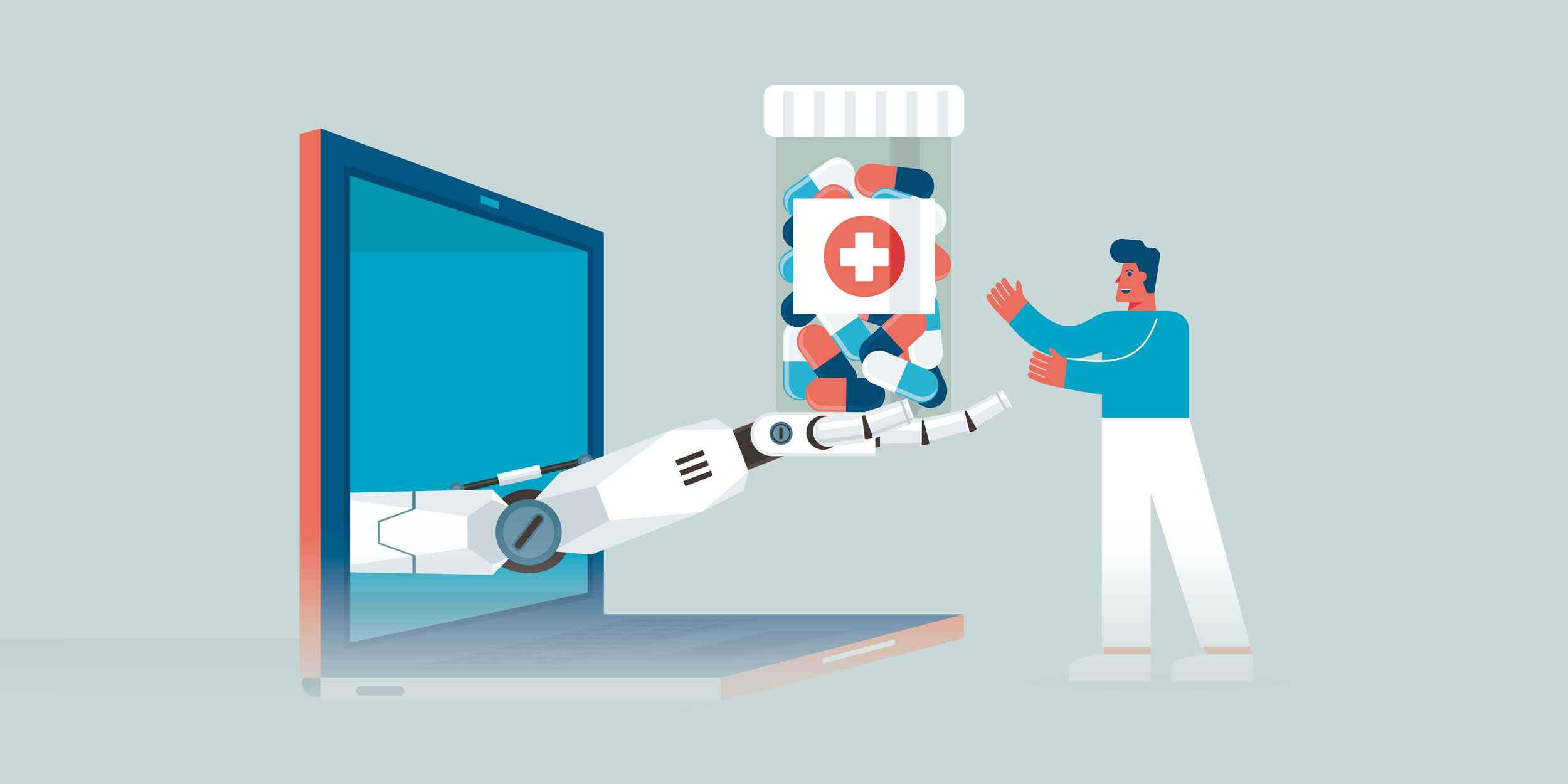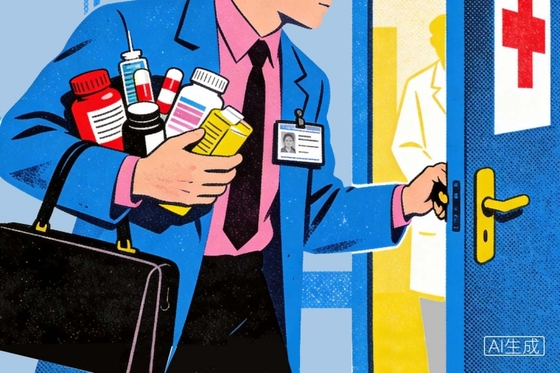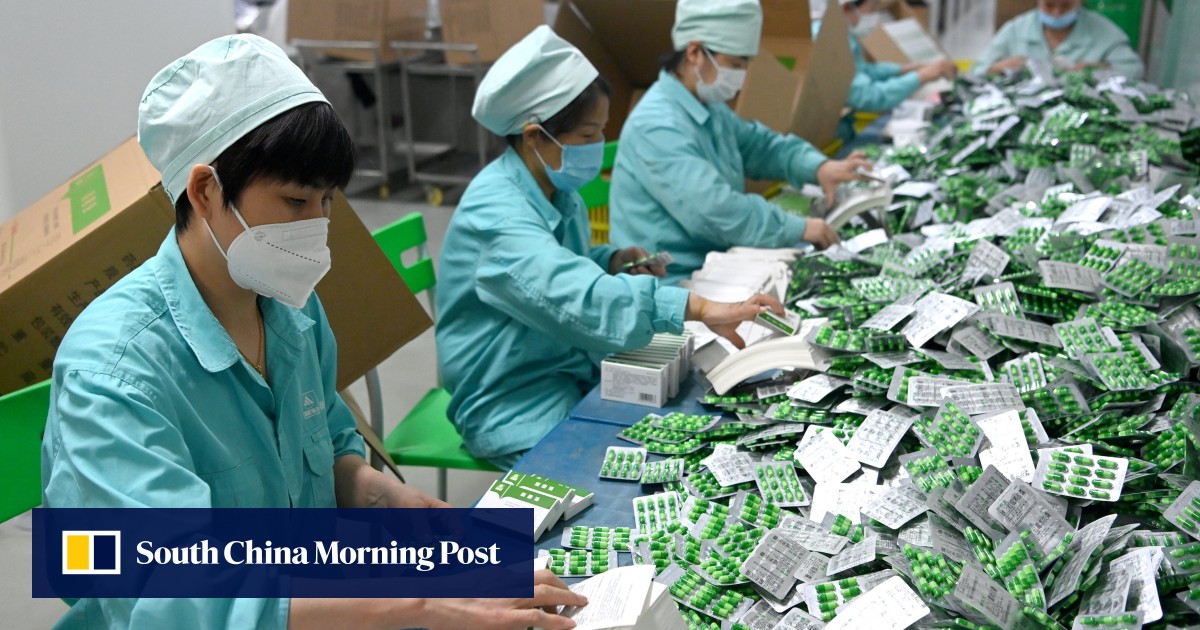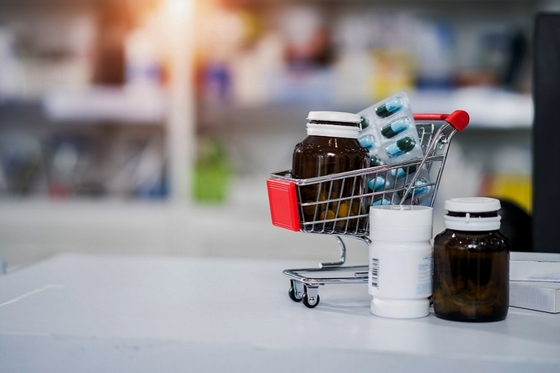
1. China’s drug regulator, the National Medical Products Administration, has issued new compliance guidelines for online prescription-drug sales, tightening oversight of a rapidly expanding market that has become a key channel for patients seeking branded and innovative medicines. The guidelines were released on Monday, nine months after a draft was published for public comment in September 2025. [para. 1][para. 2]2. The final version removed one of the draft’s most contentious provisions — a recommendation to cap each prescription reviewer’s workload at 300 prescriptions per day. Instead, the regulator said companies should keep daily review volumes within a “reasonable range.” [para. 3]3. China banned online prescription-drug sales about two decades ago. The policy began loosening in 2019 with a revised Drug Administration Law, and in 2022 rules took effect allowing online sales under conditions such as real-name prescriptions, pharmacist guidance, and verification of authentic prescription sources. [para. 4]4. The market has grown rapidly. Data from Zhongkang CMH shows China’s B2C online drug market reached 38.5 billion yuan ($5.68 billion) as of July 2025, up 5.6% year-on-year, while the O2O market reached 25.42 billion yuan, up 30.8%. Growth has been driven by expanding medical-insurance payments for online drug purchases and e-commerce platforms’ role as launch channels for innovative and originator medicines. [para. 5][para. 6]5. Regulators say problems have emerged alongside the boom. The NMPA stated that some platforms and retailers have incomplete compliance systems and recurring violations in prescription-drug sales. Huang Xiuxiang, former secretary-general of the Hunan Pharmaceutical Distribution Industry Association, noted that first-visit prescriptions have often been issued too casually by internet hospitals, reflecting lax enforcement and overly convenient access. [para. 7][para. 8][para. 9]6. The core of the new guidelines is prescription review. Online retailers must sell prescription drugs only on the basis of a valid prescription. Before a review is completed, companies may not display drug instructions or information on functions, indications, usage, or dosage. Reviews must be conducted by licensed pharmacists and cannot be delegated to other personnel or artificial intelligence. [para. 12][para. 13][para. 14]7. Retailers must refuse to fill prescriptions in cases including forged or altered prescriptions, serious irrational drug use, or drugs prohibited from online sale. Companies must strengthen risk assessments for off-label prescriptions, prescriptions beyond the issuing institution’s scope, large or repeated same-drug purchases by one account, and irregular prescriptions. [para. 15][para. 16]8. The guidelines bar companies from encouraging excessive or irrational drug use. Online retailers cannot provide prescription drugs through quizzes, prize-linked sales, free drugs, gifts, pickup cards, redemption codes, or bundling with other goods. They also may not induce purchases via short videos, livestream promotions, or private-channel sales. [para. 17][para. 18]9. Third-party platforms must build quality-management systems, standardize prescription circulation and review, and provide medication guidance. They must use technology to identify and block AI-generated and fake prescriptions. Platforms must strengthen merchant checks and ensure displayed prescription-drug information is truthful, accurate, and lawful. Key risks to identify include unlicensed operations, counterfeit medicines, sales beyond scope, and unapproved imported drugs. [para. 19][para. 20][para. 21][para. 22]10. Industry participants reacted to the guidelines. Huang said the release ahead of China’s midyear 618 shopping festival could push platforms to strengthen pharmacist teams and drug-quality controls, creating challenges for smaller platforms reliant on low-price competition. Zeng Shixin, a longtime observer of direct-to-patient pharmacies, said the model of relying on internet hospitals to cheaply supplement prescriptions will end, and over the next two to three years prescription sources will depend more on genuine offline visits and internet diagnosis. [para. 24][para. 25][para. 26]11. Zeng noted that drugmakers are likely to accelerate compliance in distribution channels, while leading companies may build in-house compliance-review teams and connect drug traceability codes. Huang said retail pharmacies could benefit as the raised online threshold eases pressure from customer diversion and fair competition concerns. For patients, the requirement that drug instructions not be displayed before prescription review may suppress impulsive demand and increase reliance on pharmacist consultations. [para. 26][para. 27][para. 28]12. Implementation remains uneven. A Caixin search found some e-commerce platforms still displaying indications for prescription drugs, and verification of reported medical conditions was limited. Huang said the key is smooth implementation, suggesting platforms may need to add steps like real-name verification at purchase and informed-consent forms. The NMPA said it would continue strengthening supervision, including integrating online and offline oversight and tightening information-display requirements. [para. 29][para. 30][para. 31]AI generated, for reference only
China Tightens Rules on Online Prescription Drug Sales
New compliance rules require licensed pharmacists to review prescriptions and limit drug information shown before approval, raising the bar for online platforms
726 words~3 min read