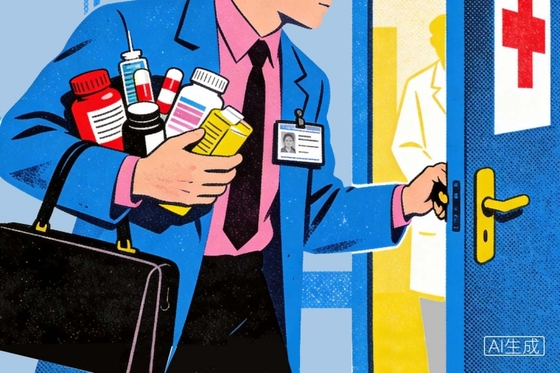
1. China is implementing strict new regulations on pharmaceutical sales to combat corruption and kickbacks in healthcare [para. 1]. On May 7, seven agencies including the National Medical Products Administration (NMPA), Ministry of Public Security, and National Health Commission issued the Pharmaceutical Representative Management Measures, effective August 1, to standardize promotion and promote orderly industry growth [para. 2].2. The rules revise a 2020 trial version, defining drug companies' duties for hiring, registering, and managing representatives, hospital interactions, and agency oversight [para. 3]. Concurrently, a May 1 judicial interpretation by the Supreme People’s Court and Procuratorate targets healthcare for anti-corruption, lowering bribery prosecution thresholds by 50% to impose criminal liability [para. 4].3. Professor Deng Yong at Beijing University of Chinese Medicine notes the measures redefine representatives as academic promoters, not salespeople, banning sales tasks, prescription tracking, and payments to sever sales-compensation links [para. 5]. While not fully eradicating corruption rooted in pricing, insurance, and funding issues, they provide deterrence [para. 6].4. With enforcement like corporate liability tracing, bans, and penalties, the rules will reduce bribery and shift to academic promotion [para. 7]. Historically, representatives acted as salespeople tying bonuses to volumes, fostering 30% kickbacks on drug prices; e.g., pre-insurance PD-1 drugs at 40,000 yuan ($5,888) yielded 3,000-4,000 yuan doctor kickbacks, with top reps generating 1-2 million yuan monthly [para. 9][para. 10][para. 11].5. Bribery hid in conferences and fees; high-prescription doctors got paid speaking gigs or luxury trips, many canceled in 2023 sweeps [para. 12][para. 13]. New rules limit reps (requiring associate degrees in relevant fields) to sharing info, aiding rational use, and feedback collection [para. 14].6. All reps must register nationally for unique IDs; companies submit data with guarantees, reps sign compliance; over 2,000 firms registered 116,000 reps, public verification starts Aug. 1 [para. 15][para. 16][para. 17].7. Nine prohibitions ban prescription tracking, conditional gifts/sponsorships, kickbacks, treatment interference, and efficacy exaggeration [para. 19]. Companies can't hire bribery convicts, condone acts, or assign sales quotas [para. 20], aligning with court rules tracing liability to firms [para. 21].8. Deng praises boundary definitions and accountability boosting anti-corruption [para. 22]. Hospitals must register promotions; staff can't accept tied benefits or join company events [para. 23].9. Sanctions include activity restrictions, hospital access limits, procurement bans, credit downgrades, blacklists, and transfers to police/discipline agencies [para. 24][para. 25].10. Enforcement challenges persist: hidden bribes via fees/consulting, third-party shifts, resource limits [para. 26]. Systemic reforms needed beyond crackdowns for fair compensation [para. 27]. Overall, measures advance governance for fair healthcare [para. 28]. (Word count: 498)AI generated, for reference only
Beijing Rolls Out Sweeping Crackdown on Pharmaceutical Kickbacks
A coalition of seven government bodies has issued sweeping measures to ban sales quotas for drug representatives and trace bribery liabilities directly to pharmaceutical companies
418 words~2 min read