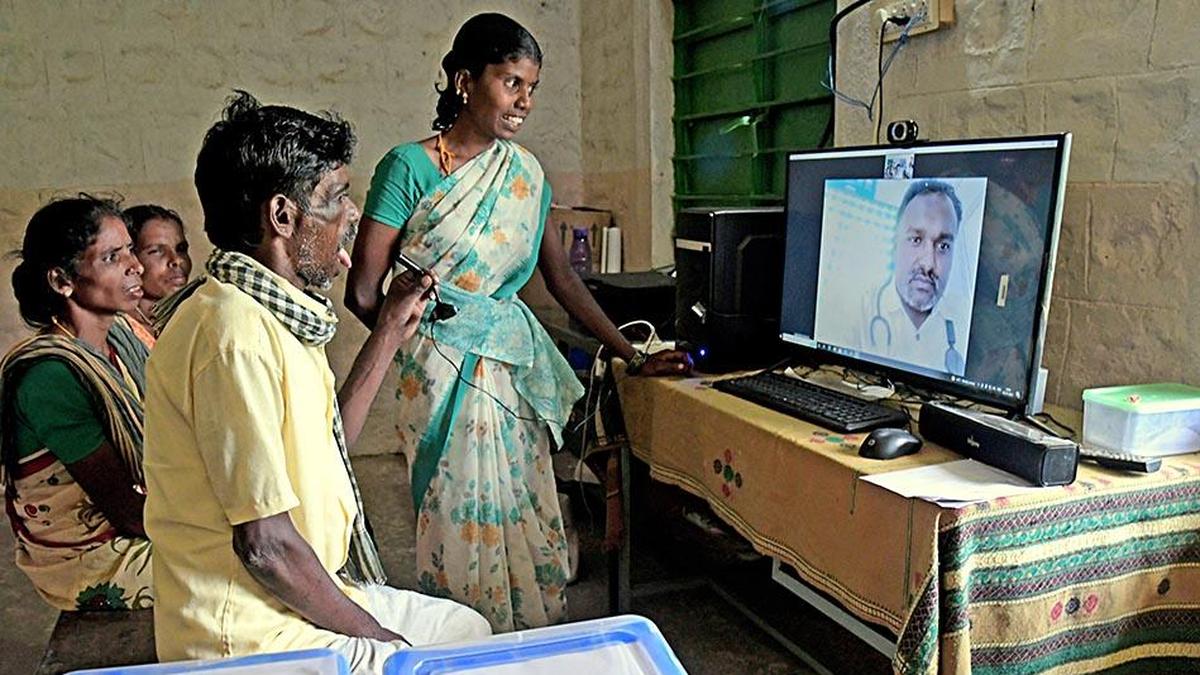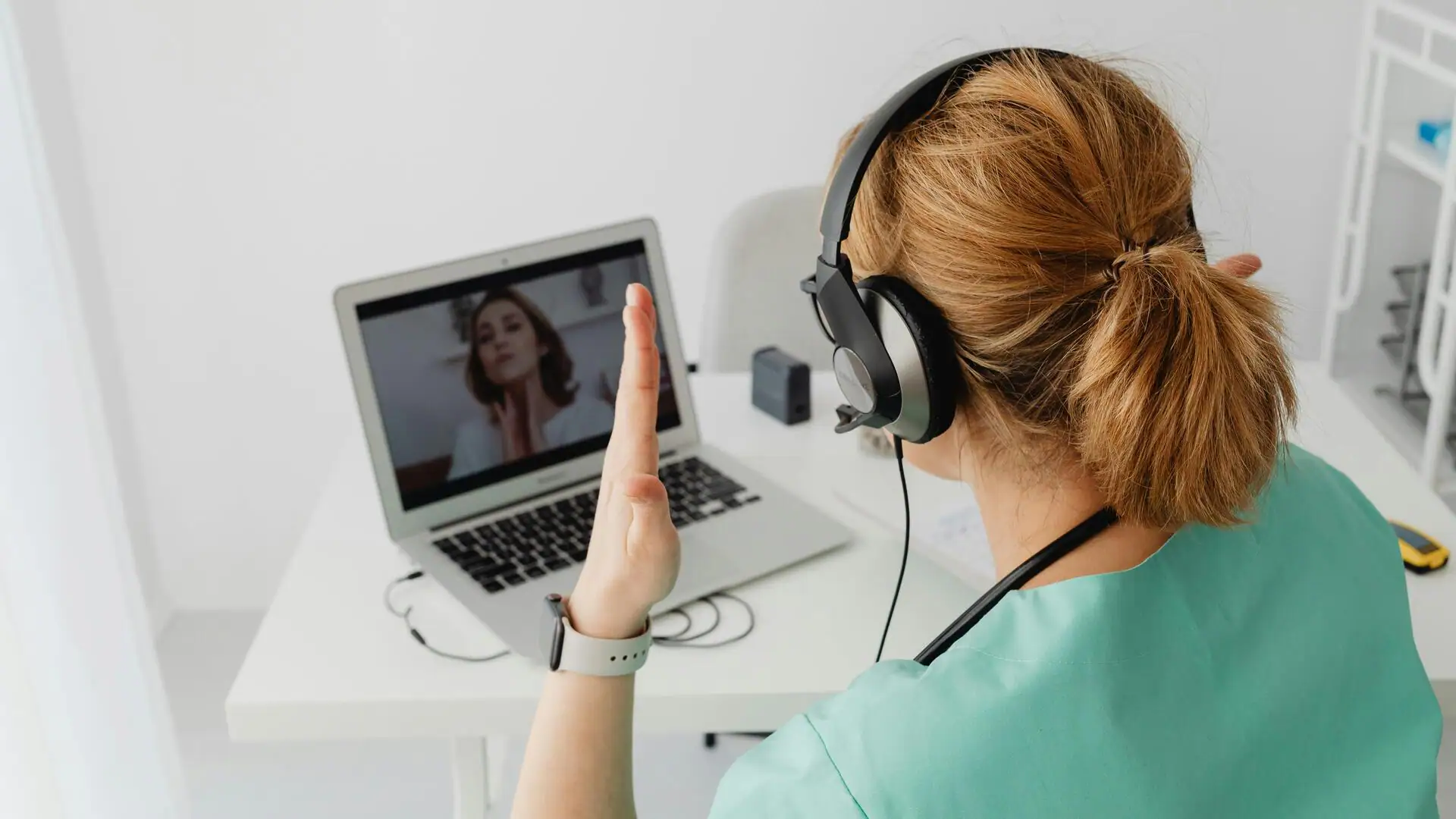
Telepharmacy allows licensed pharmacists to review prescriptions, supervise dispensing, and counsel patients without standing inside the same building. For many communities, that arrangement keeps medication access steady when distance, staffing shortages, or limited business hours interrupt usual care. Patients still need accurate labels, interaction screening, and time for questions. This model aims to preserve those safeguards while making pharmacy support more accessible, especially where local options remain limited.
How it works
At the local site, a technician receives the prescription, prepares the medicine, and sends images and patient details to a pharmacist for review. Patients who want a clearer sense of that process can use this telepharmacy guide, which explains verification, counseling, and privacy steps in plain language before pickup or delivery is completed.
Why access improves
Travel distance remains a serious barrier for many patients, especially older adults, caregivers, and people with limited transportation. Telepharmacy helps keep pickup points open in small towns, clinics, and underserved neighborhoods. Shorter trips can mean fewer delayed starts, fewer missed refills, and better continuity for long-term treatment plans that depend on regular medicine use.