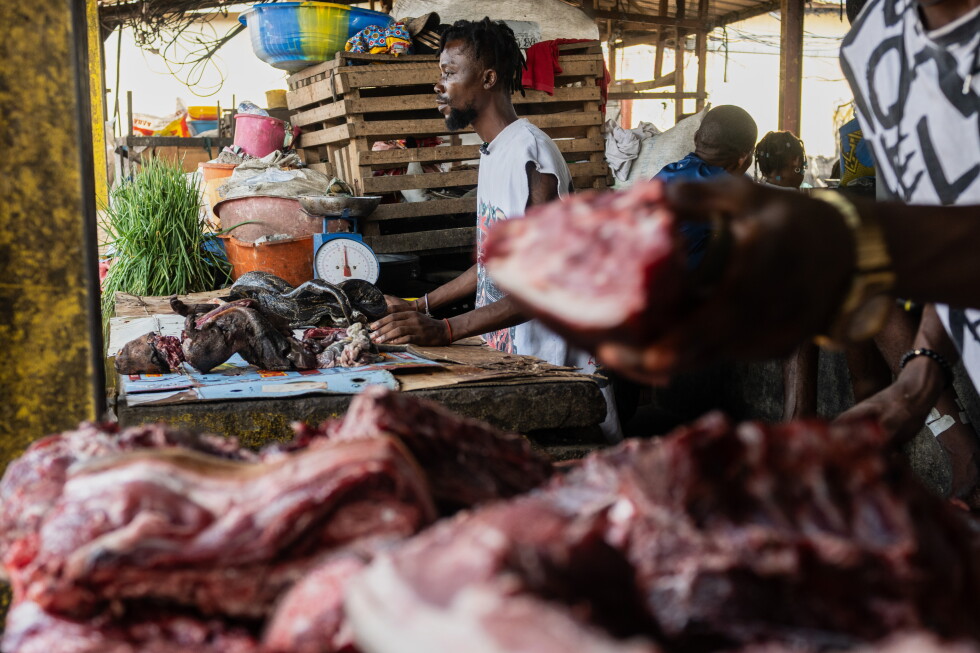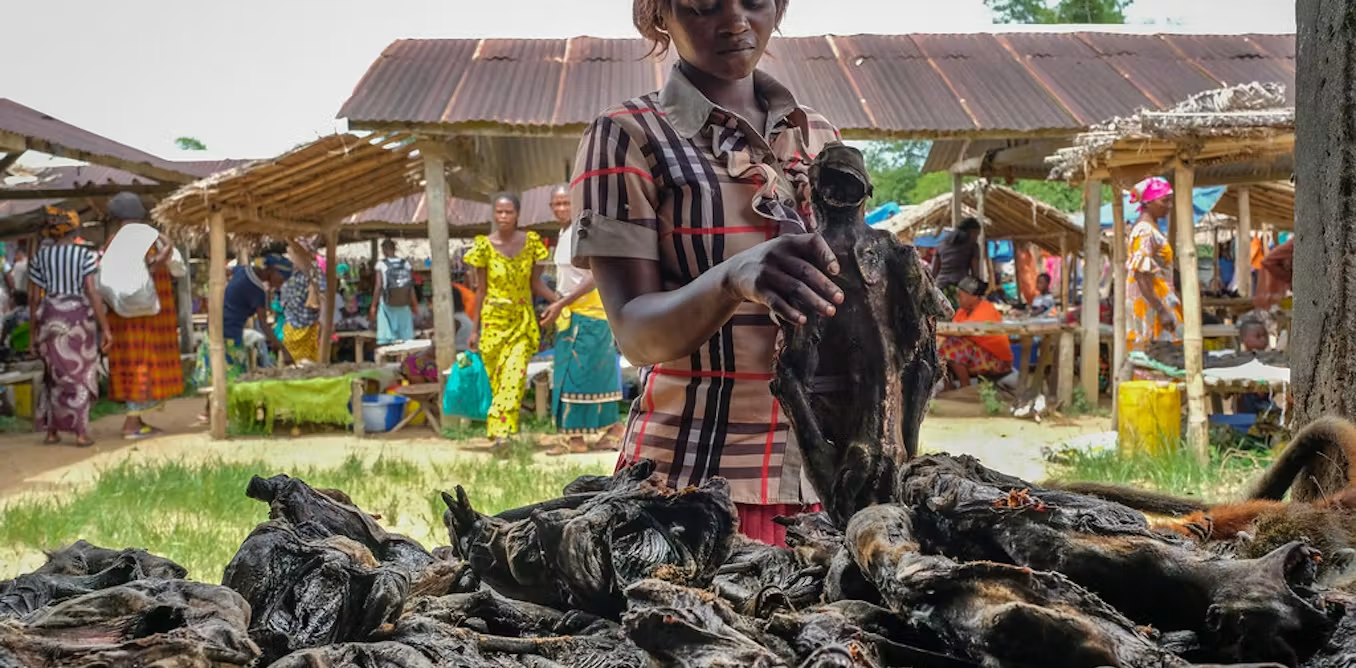
Millions of people in central Africa rely on wild meat for their nutrition, especially in rural areas around the Congo rainforest, the second largest tropical rainforest in the world. Here, meat from domestic animals is scarce due to poor national transport infrastructure, livestock diseases and lack of forage. As a result, wild meat and freshwater fish are the main animal foods and provide the proteins and micro-nutrients needed for a healthy diet.
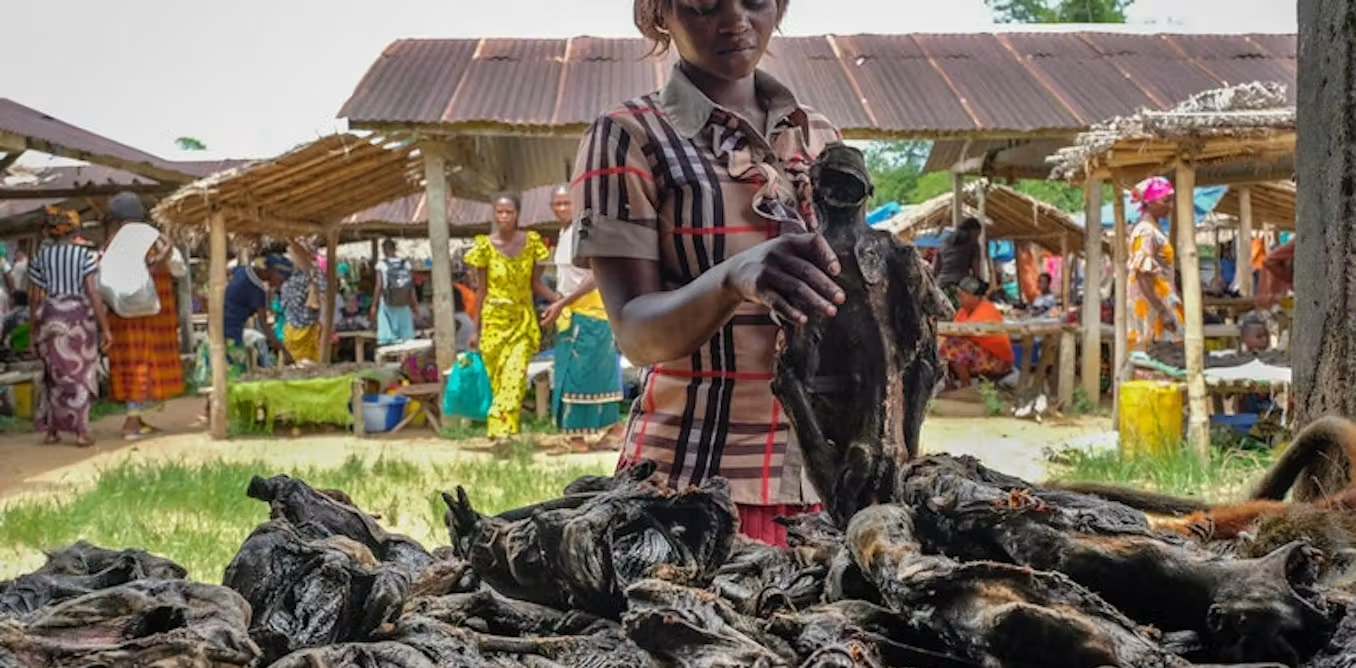
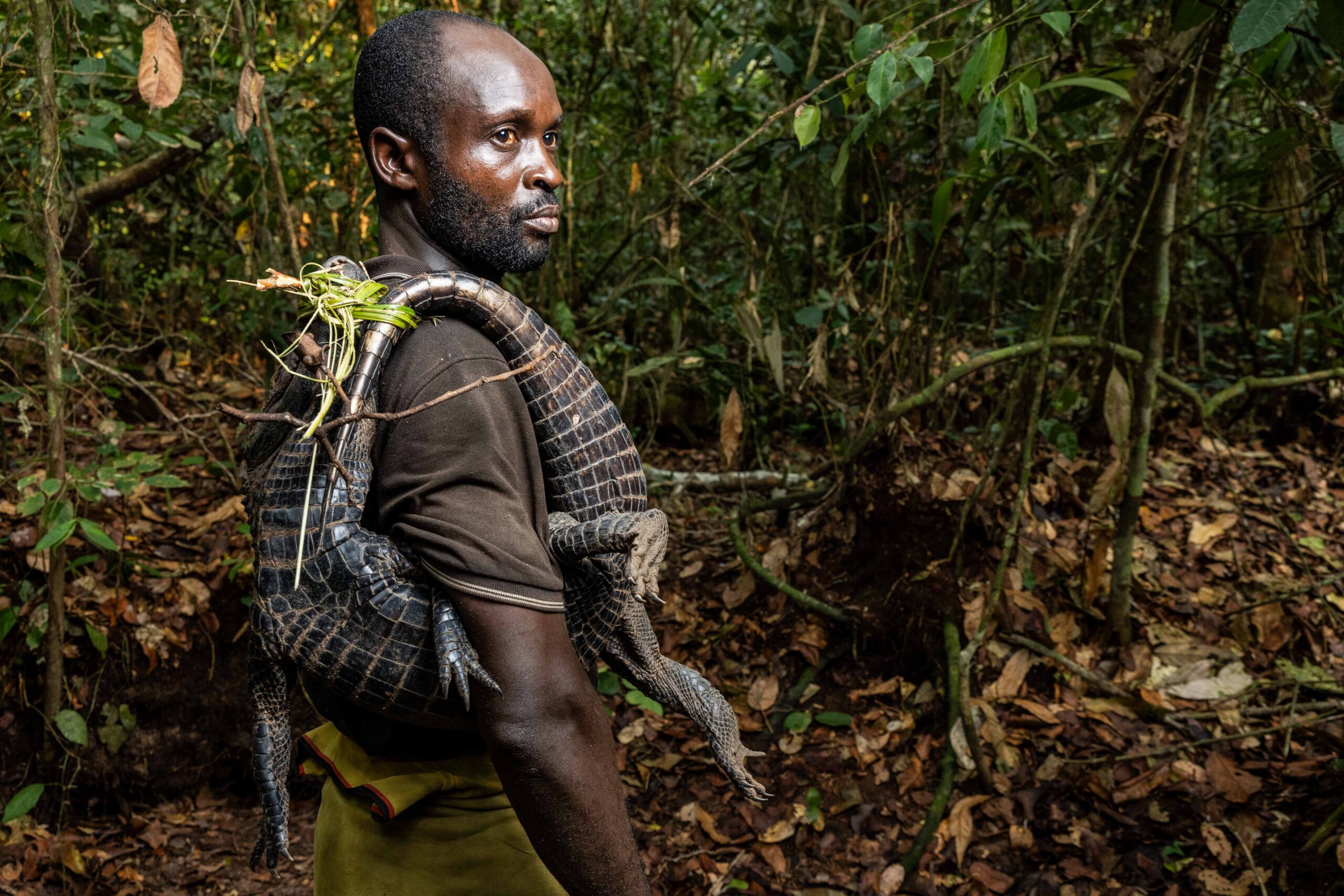
At the same time the growing demand for wild meat coming from a growing urban population provides an economic opportunity for rural hunters. In the past 20 years, the proportion of wild meat sold on average by subsistence hunters in sub-Saharan Africa increased from 34% to 72% of their catches. In essence, hunters used to sell about a third of their catches, but today they sell almost three quarters of their catches.
As a conservation biologist, I am interested in understanding the factors influencing the viability of wildlife populations, finding a balance between wildlife conservation and people’s livelihood. In a recent paper, I examined the extent of wild meat consumption in central Africa together with 45 colleagues from 33 institutions from 12 countries. Using data from over 12,000 households from 252 locations, we found that for rural people, wild meat accounts for 20% of the recommended daily protein intake. This compared with 13% and 6% for those living in towns and cities, though our modelling suggests this is growing.