AP, KINSHASA
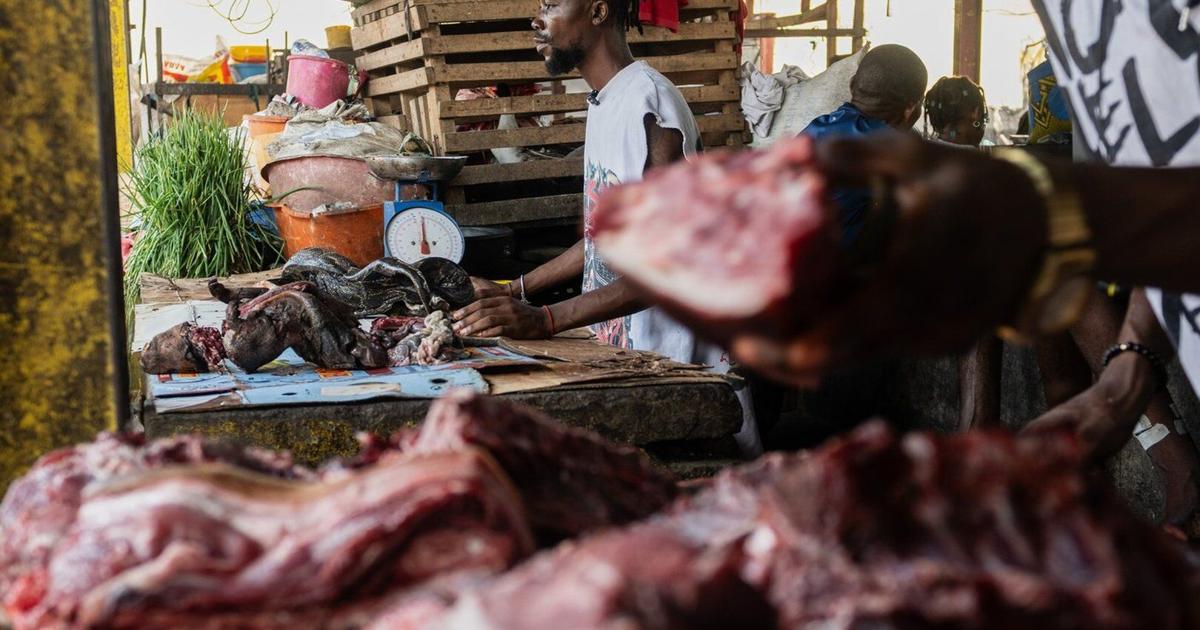
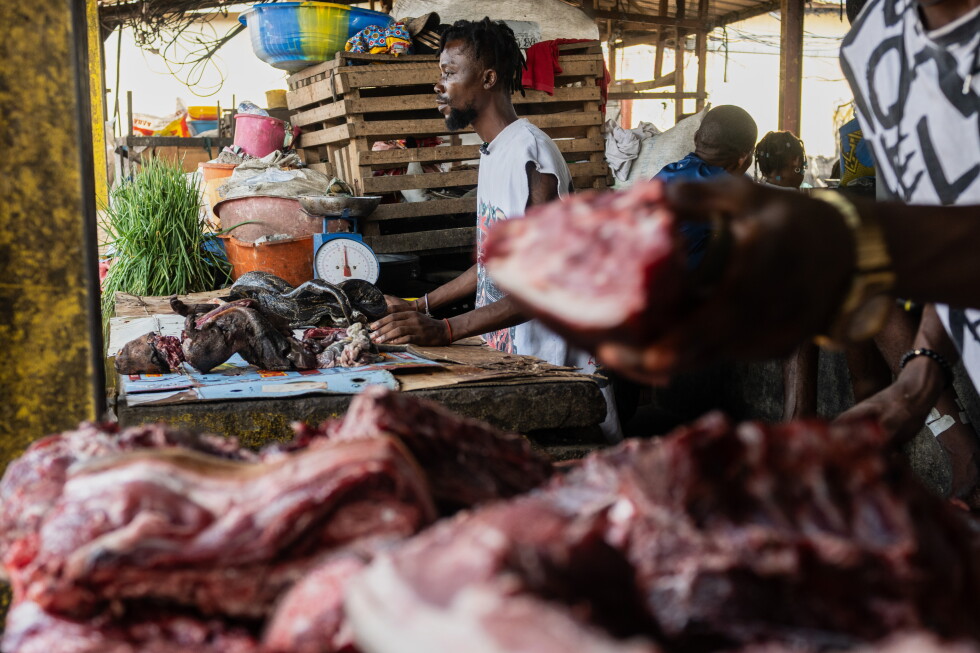
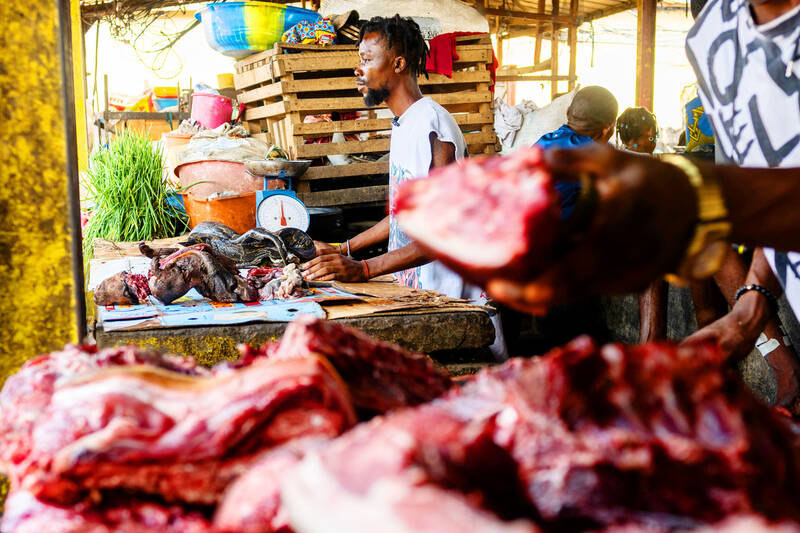
The vendors of wild meat at the sprawling Masina Market in Kinshasa do not always display their goods openly. Customers must ask for whatever they are looking for, whether it is a giant swamp rodent or the severed parts of an antelope.Others occasionally sell in the open, such as the women who preside over impossibly large baskets of squirming caterpillars at the market.For many in the Democratic Republic of the Congo (DR Congo) and elsewhere in Central and West Africa, wild meat is a craving and a key part of the cultural milieu. Even a disease as punishing as Ebola has failed to stem demand for wild meat from the Congo Basin.
Vendor Guyva Mputu displays bushmeat for sale at Masina Market in Kinshasa on April 9
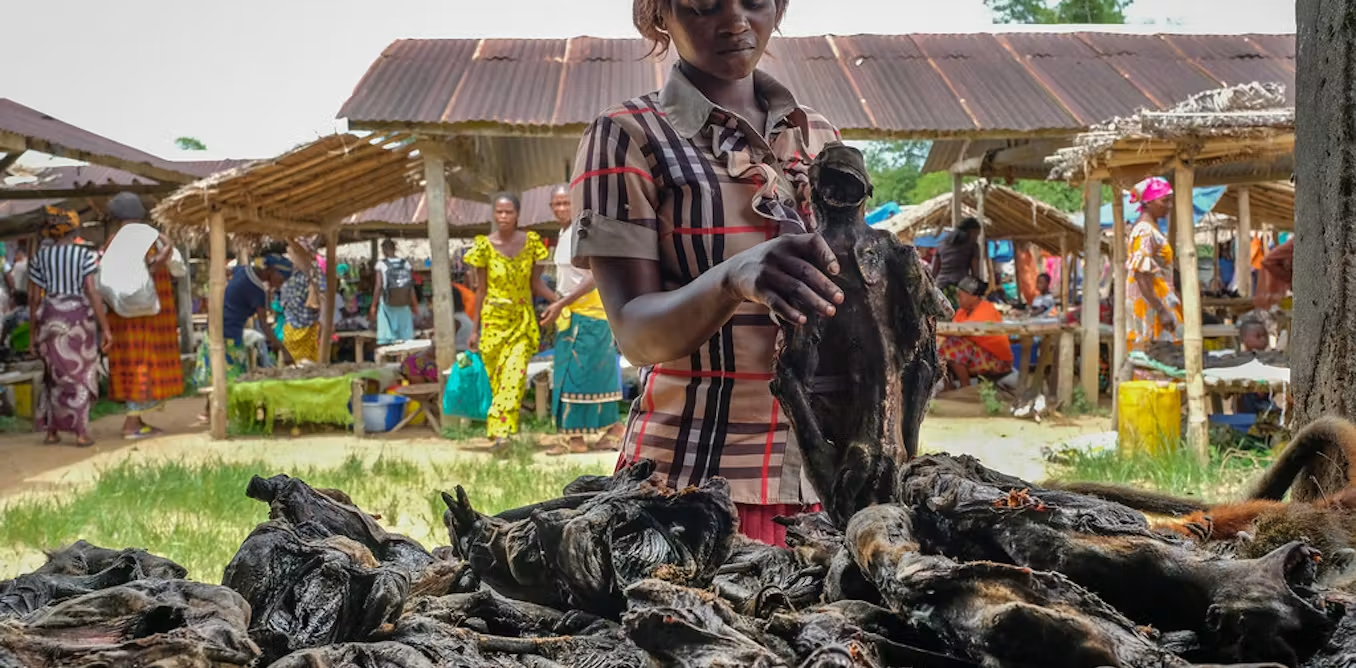
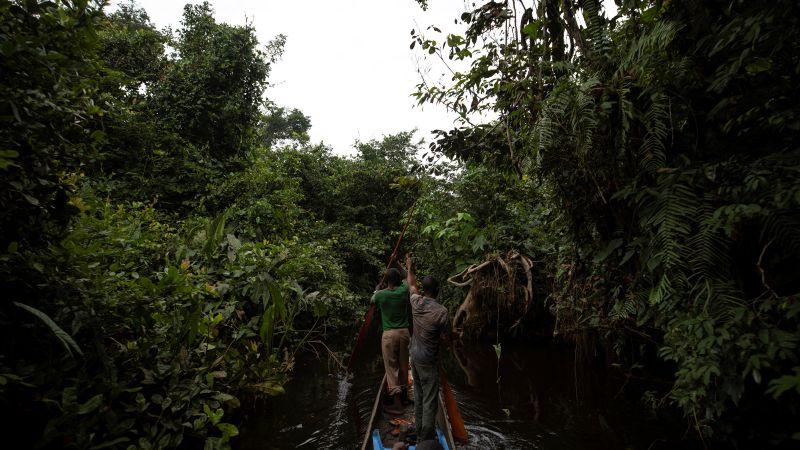
The Basin is rich in all kinds of wildlife, from great apes to serpents — both of which are hunted for their meat. One consequence for locals is exposure to zoonotic diseases such as Ebola.Although Ebola is generally not spread by food, cases in Africa have been associated with hunting, butchering and processing meat from infected animals, the US Centers for Disease Control and Prevention has said.
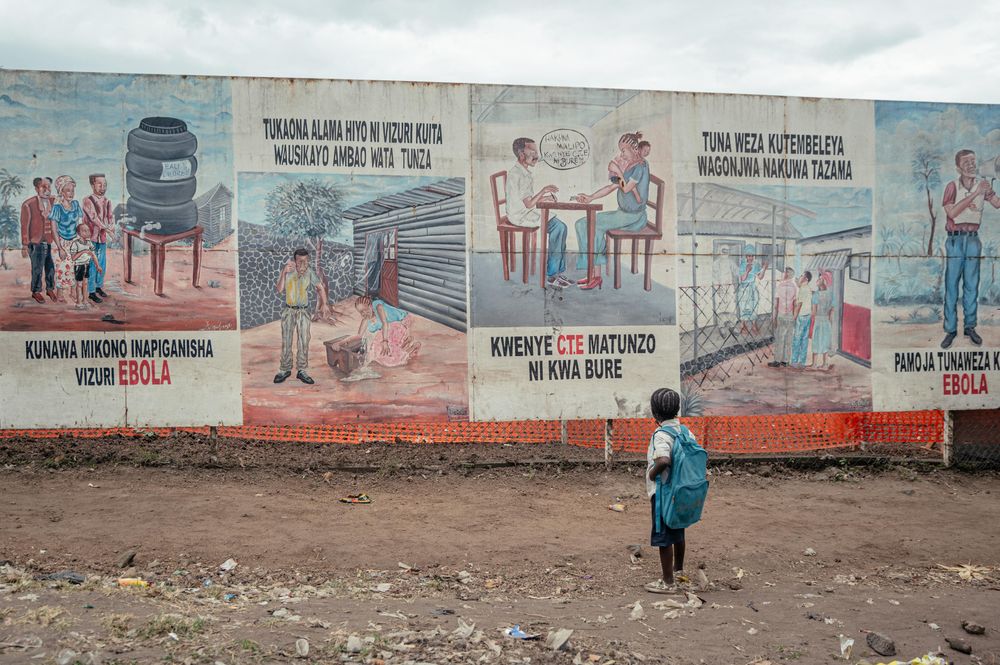
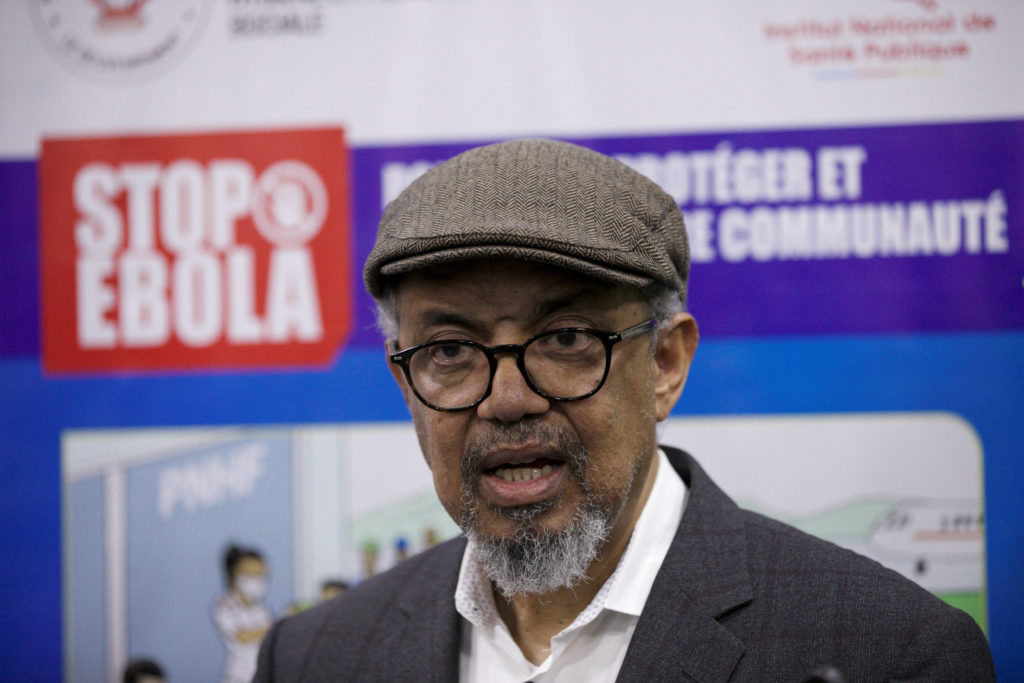
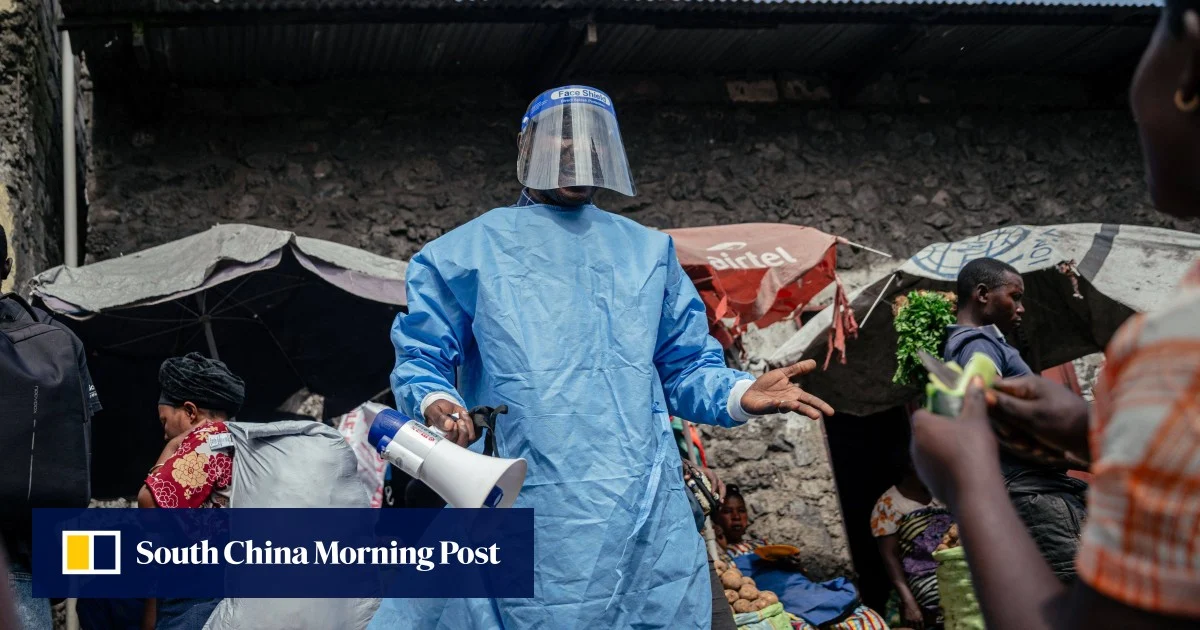
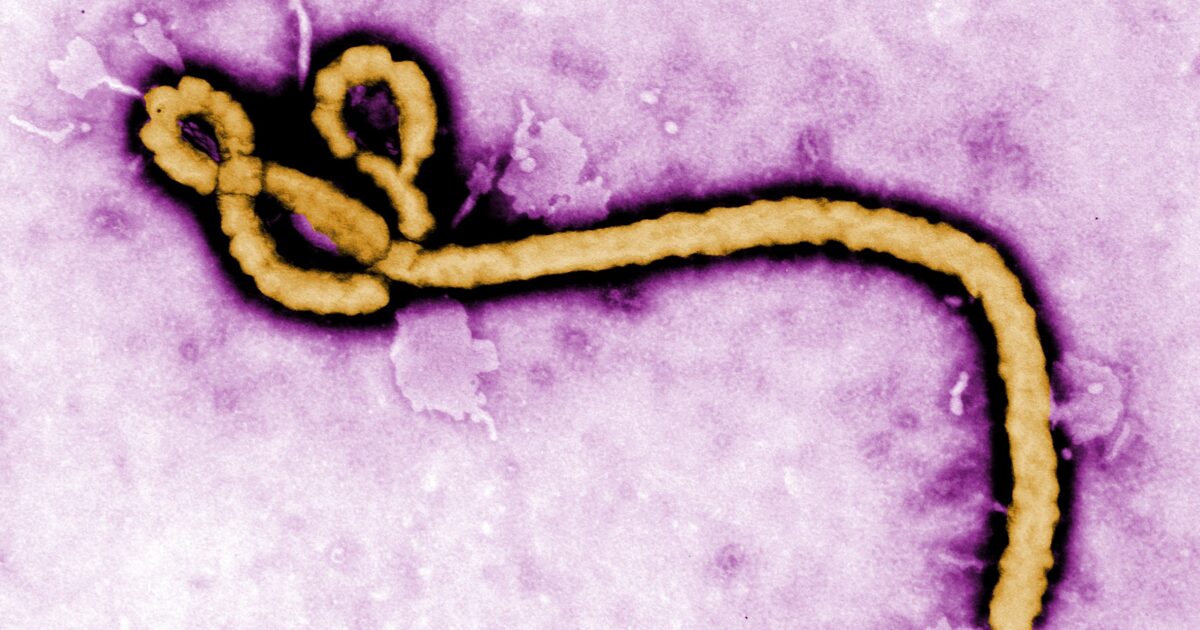
“Once there is human, animal and environment interface, we have these kinds of outbreaks on a frequent level,” said Tolbert Geewleh Nyenswah, director of Pandemic Prevention, Preparedness and Response at the Africa Centers for Disease Control and Prevention. “And this is why one health approach in dealing with virus outbreaks is important, because we still interact with the bats, and our hunters are still killing monkeys, and we are close to the environment.”The Congolese government has confirmed more than 1,000 suspected cases, with at least 220 deaths, since it declared an Ebola outbreak on May 15. Outbreaks are believed to start with the virus spilling over into humans from an infected animal such as a fruit bat. These cross-species infections often happen when people handle and eat wild meat, experts said.However, since Ebola outbreaks happen only sporadically in communities that regularly eat wild meat, some people “don’t believe the linkage” and others are “totally ignorant” of the health threat from eating wild meat, said microbiologist Misaki Wayengera, who advises Uganda’s Ministry of Health on epidemics.Animal-to-human spillovers of Ebola are rare, but “their consequences are nonetheless disastrous,” said the Food and Agriculture Organization — which studied the Ebola risk stemming from the eating and handling of wild meat after West Africa’s epidemic.Once Ebola has infected one person, the virus then spreads through close contact with sick or deceased patients’ bodily fluids, such as sweat, blood, feces or vomit. Health workers without sufficient protective gear are seen as highly vulnerable.The current outbreak in eastern DR Congo is caused by the Bundibugyo virus, a rare type of Ebola that has no approved medicines or vaccines.While Congolese authorities have prohibited hunting endangered wildlife, including great apes sent to the brink of extinction by poachers, there is no blanket ban on the wildlife trade and illegal hunting persists for totemic creatures such as the bonobo.Many in and around the Congo Basin have wild meat as their primary source of animal protein. The yearly extraction rate of wild meat from the Congo Basin is estimated at 4.5 million tonnes, the Center for International Forestry Research said.Viande de brousse, as wild meat is known in French, is a popular food, even served in trendy restaurants. Public health campaigners need to step up education campaigns on how Ebola starts and is spread among communities that face recurring outbreaks, Conservation Through Public Health founder Gladys Kalema-Zikusoka said.People need to be told that “eating meat from an unknown source, or a dead animal, is a no-no,” Kalema-Zikusoka said. “It’s a very cultural thing.”Some fruit bats are believed to be natural hosts of the viruses that cause Ebola, according to the WHO. Yet, bats are known to be a delicacy in many parts of Central and West Africa. The soup of a roasted fruit bat is highly sought after, as are the parts of a wide range of monkeys.In Kinshasa’s Masina Market, before the latest Ebola outbreak, traders said they sold antelope, rodent and snake meat sourced from the Congo Basin.They said they long ago stopped selling the meat of monkeys, possible reservoirs of the Ebola virus.One vendor, Guyva Mputu, was selling python, whose frozen flesh started to steam in the humid weather.Another, Charles Ntanga, wielded a flywhisk to swat flies that settled on the rancid carcass of a giant rodent, with a kilogram going for about US$17.