Professor Roula Inglesi-Lotz and Dr Jessika Bohlmann’s call for a more coordinated and community-driven energy transition in South Africa is challenged by a deeper structural reality, according to former Acting Group Chief Executive of Eskom Matshela Koko. Writing in response, Koko argues that South Africa’s looming coal plant retirements are driven largely by legal compliance deadlines and infrastructure limitations that better governance alone cannot solve.
Professor Roula Inglesi-Lotz and Dr Jessika Bohlmann write in these pages that the central question facing South Africa's energy transition is not whether the country is moving fast enough, but whether it is moving together.
It is an elegant reframing, and on the importance of timing, sequencing and community trust, they are right. But the argument contains a silent assumption that requires scrutiny before it can responsibly guide policy — the assumption that better coordination would make the transition feasible.
The evidence suggests it would not. Not on its own.
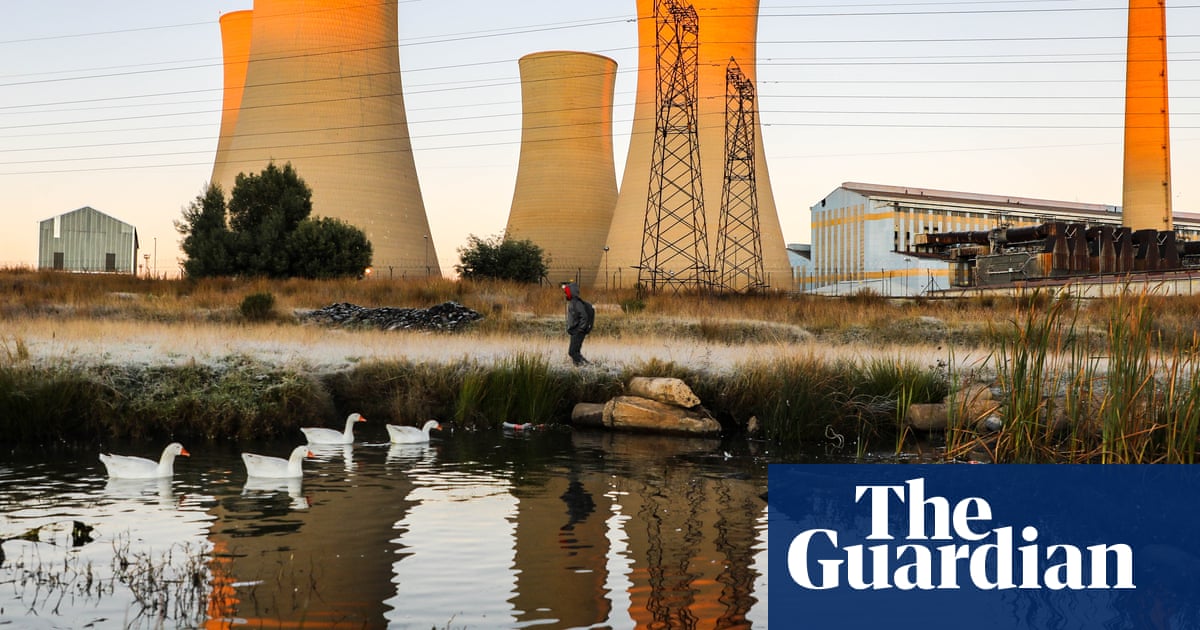
South Africa's coal retirements are not a policy choice being implemented too quickly. They are, in substantial part, legally imposed. The Minimum Emission Standards compliance deadlines under the National Environmental Management: Air Quality Act require 8.4 GW of coal-fired generation to retire by 1 April 2030. The Minister of Forestry, Fisheries and the Environment's March 2025 determination substantially closed the flexibilisation window that Eskom had sought. A further 1.15 GW departs with the Cahora Bassa import contract expiry. These are not levers that improved institutional alignment can adjust. They are enforcement deadlines.