The country wants to cut greenhouse gas emissions without destroying livelihoods, but progress is slow – and the residents of a small town are in the crosshairs
C
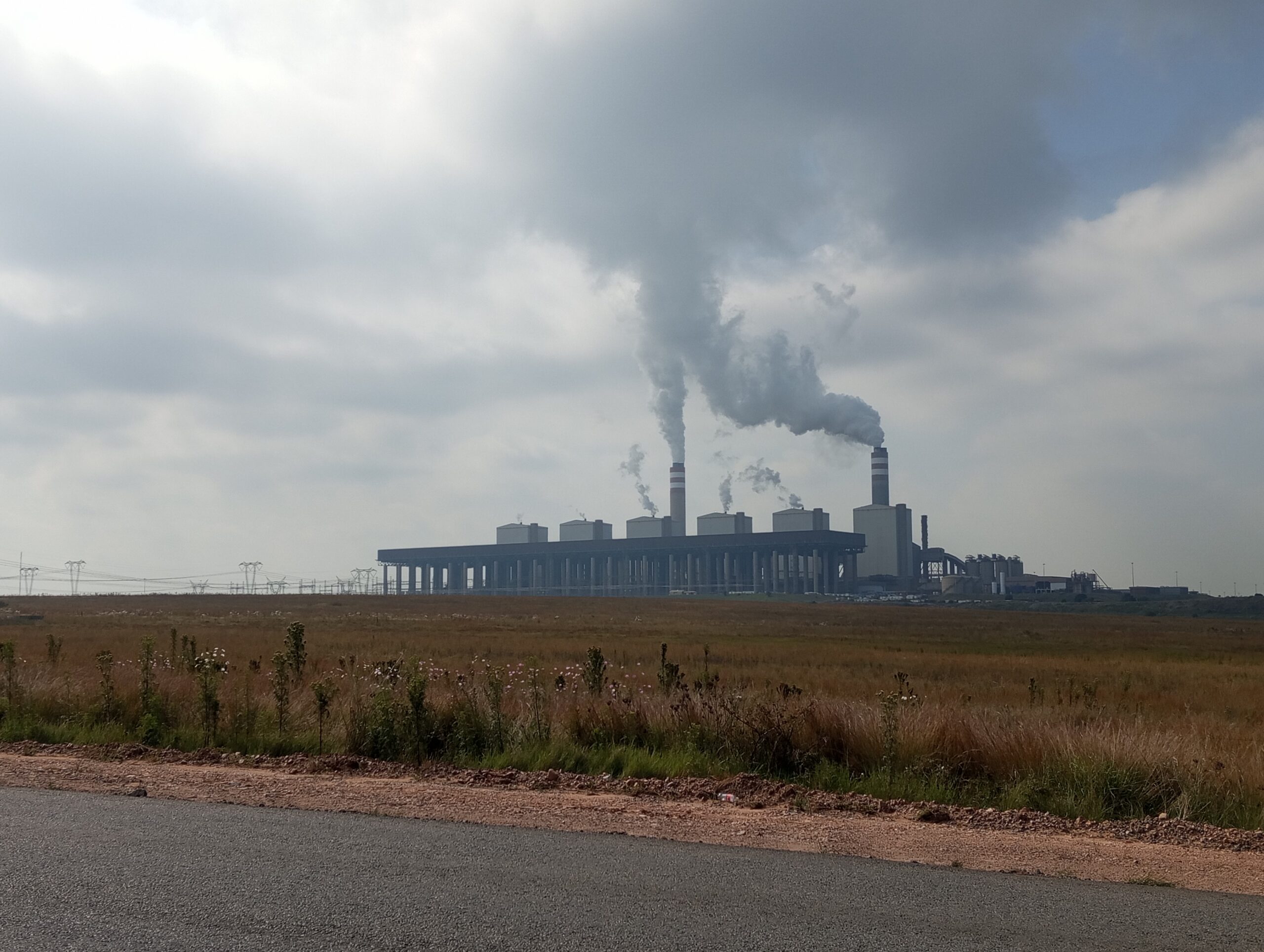
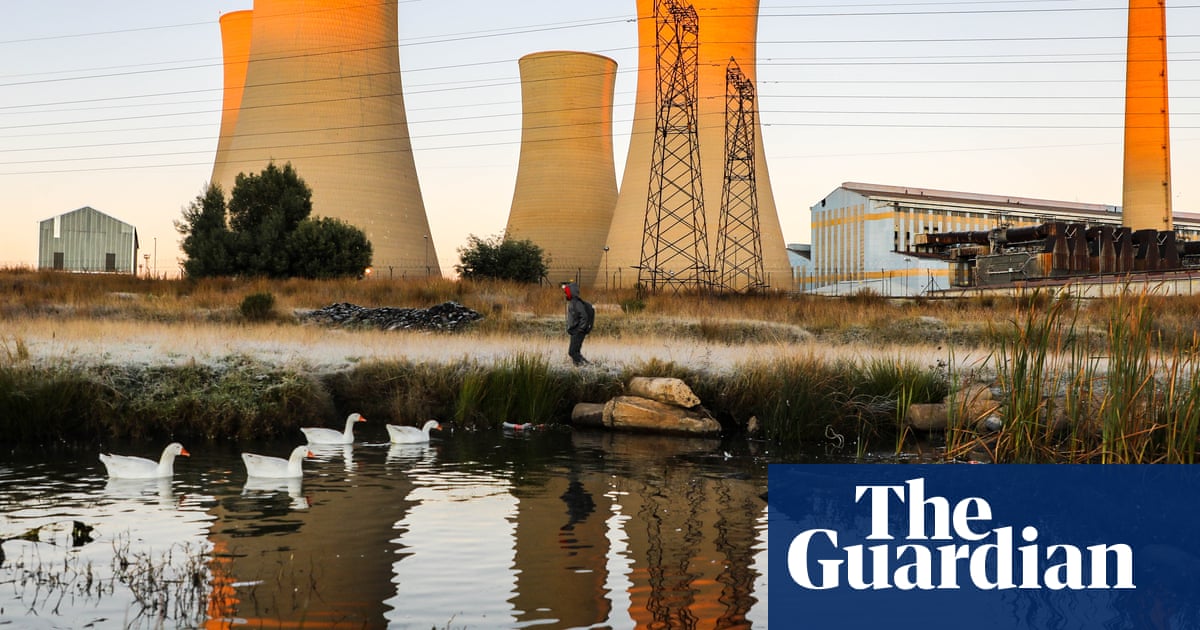
ooling towers and smokestacks still loom over the single-storey houses of Komati, but the winter sky is clear: smoke hasn’t billowed from the vast concrete chimneys of the South African town’s power station since it stopped burning coal in 2022, 61 years after its inauguration.
While the state power company Eskom didn’t fire any permanent employees, the end of coal generation and earlier job losses in nearby mines have fuelled doubts in the small town and wider coal belt that there are any benefits to South Africa’s “just energy transition” to renewable power.
Opposite Komati’s supermarket on a Thursday afternoon, unemployed people of all ages sat by the roadside. “We are just sitting here, waiting for anything, maybe a company car that will come by and say they are looking for people,” said Busiswe Ndebele, who was a mine plant attendant for five years until she was fired while pregnant in 2022.