See more This is Money on Google - save us as a Preferred SourceBy JOHN-PAUL FORD ROJAS, DEPUTY BUSINESS EDITOR Updated: 22:53 BST, 26 May 2026
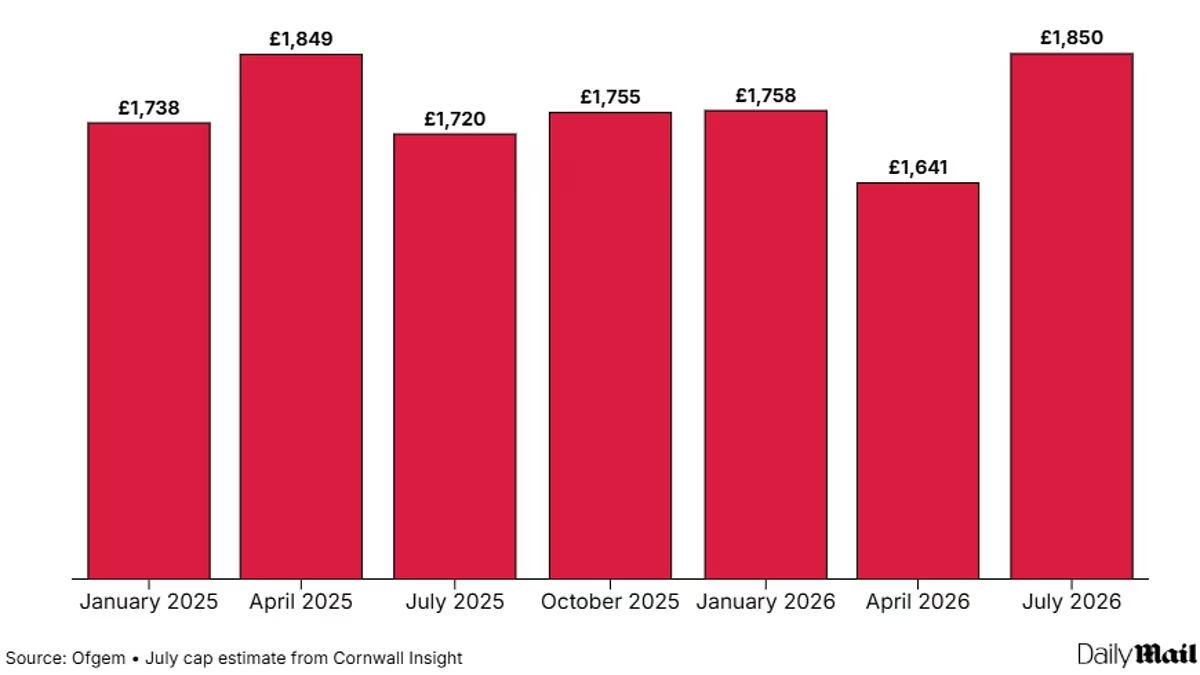
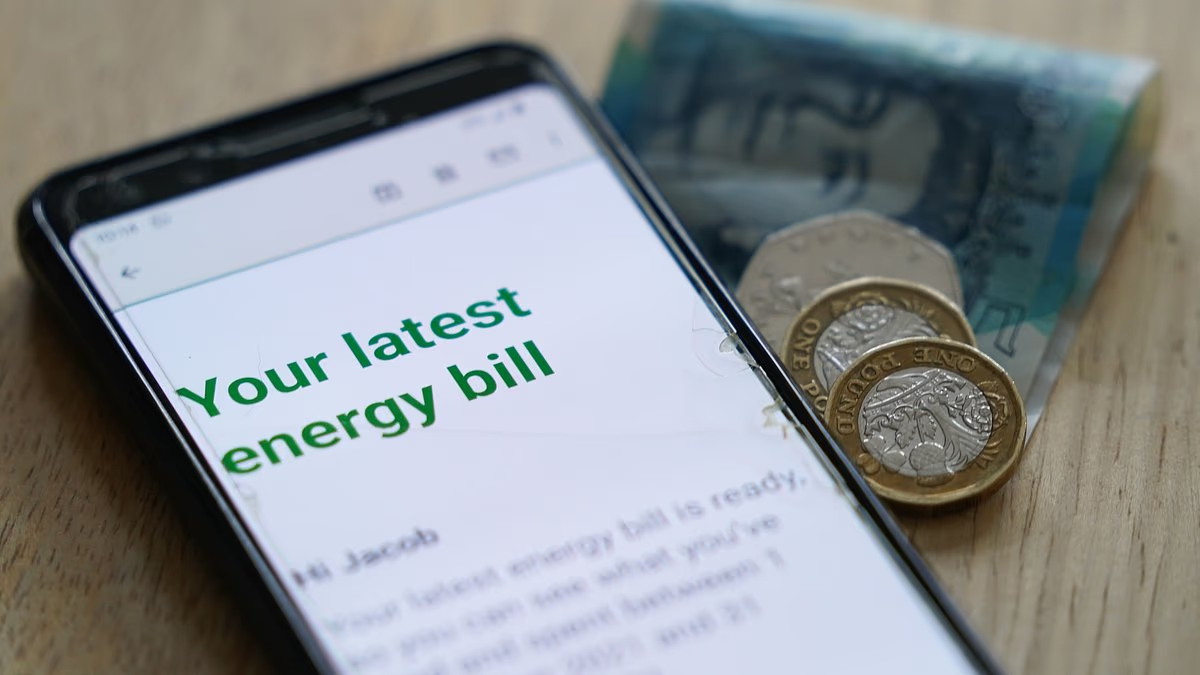
Families being squeezed by rising prices face a fresh blow today as the energy regulator is set to announce a £200 rise in annual bills.The Ofgem announcement on the energy price cap will be the latest painful consequence of Donald Trump's Iran war, which has choked off oil and gas supplies from the Middle East.Cornwall Insight analysts predict the increase means average annual energy bills will climb to £1,850 from July 1, up 13 per cent from the current level of £1,641.Cost of living pressures are mounting due to the Middle East conflict, adding to the already-high levels of inflation under Labour.Yesterday, an income tracker compiled by Asda showed the cost of essentials grew at a faster pace than earnings for working-age families for the third month in a row in April.The report said: 'Given that price growth is expected to pick up significantly later this year, purchasing power is likely to come under further pressure.' Ofgem will announce the cap for energy tariffs from 1 JulyJoin the discussionShould families be expected to shoulder higher energy costs because of conflicts overseas?What's your view?Consumers are already struggling with higher petrol and diesel prices as a result of the war but energy had so far been held back as tariffs are capped by Ofgem.Yesterday, Brent crude oil's price per barrel spiked above $100 (£74) as hopes of a peace talk breakthrough faded amid US strikes on Iran.Food prices are also expected to climb as fertiliser supplies are blocked from the Strait of Hormuz, through which a fifth of the world's oil and gas usually passes but which has been closed since early March.It comes after Rachel Reeves last week revealed measures to cut the cost of living, but no support for domestic energy costs.And even when the strait reopens, experts warn that knock-on effects of the closure will continue to be felt for months.It came as DIY retailer B&Q yesterday revealed a 4 per cent fall in sales at the start of this year amid the tough consumer backdrop as well as bad weather.Inflation pressures have been mounting since the start of the war, which is also expected to cause a slowdown in overall growth.And while last month, inflation eased back to 2.8 per cent, the Bank of England has warned that it could surge past 6 per cent if the conflict drags on.