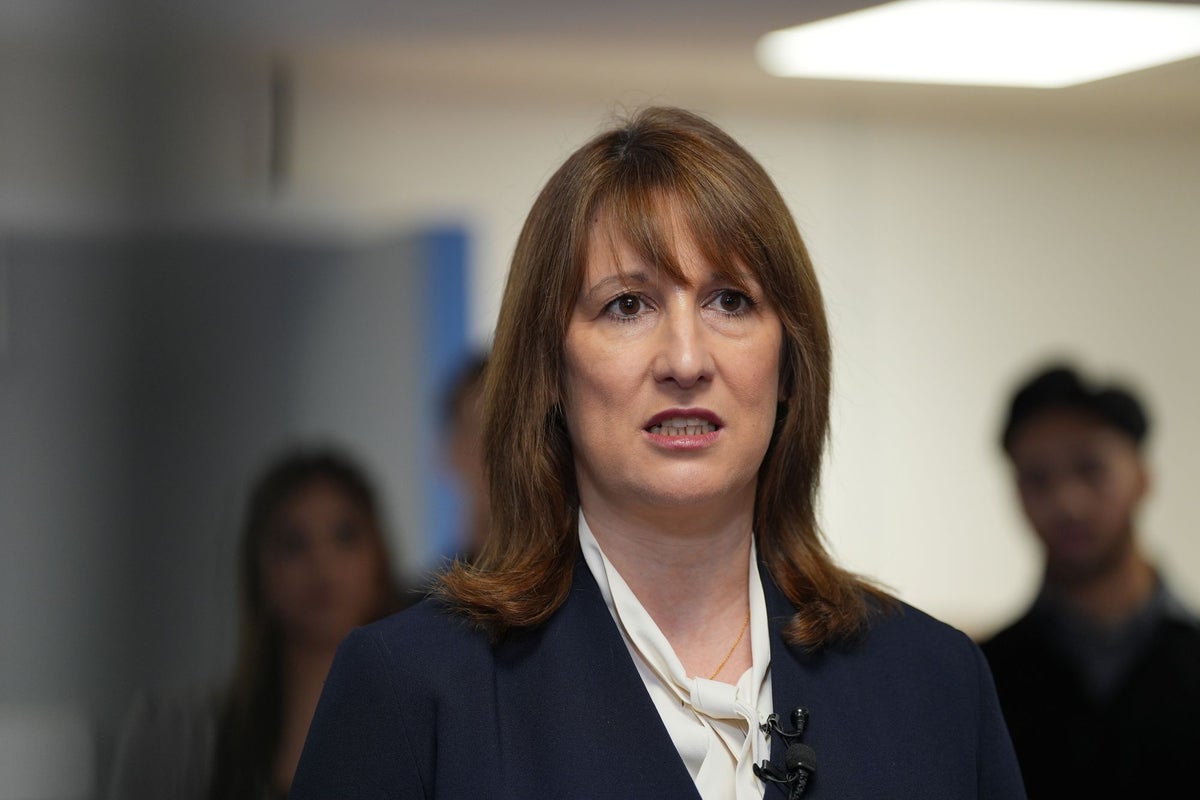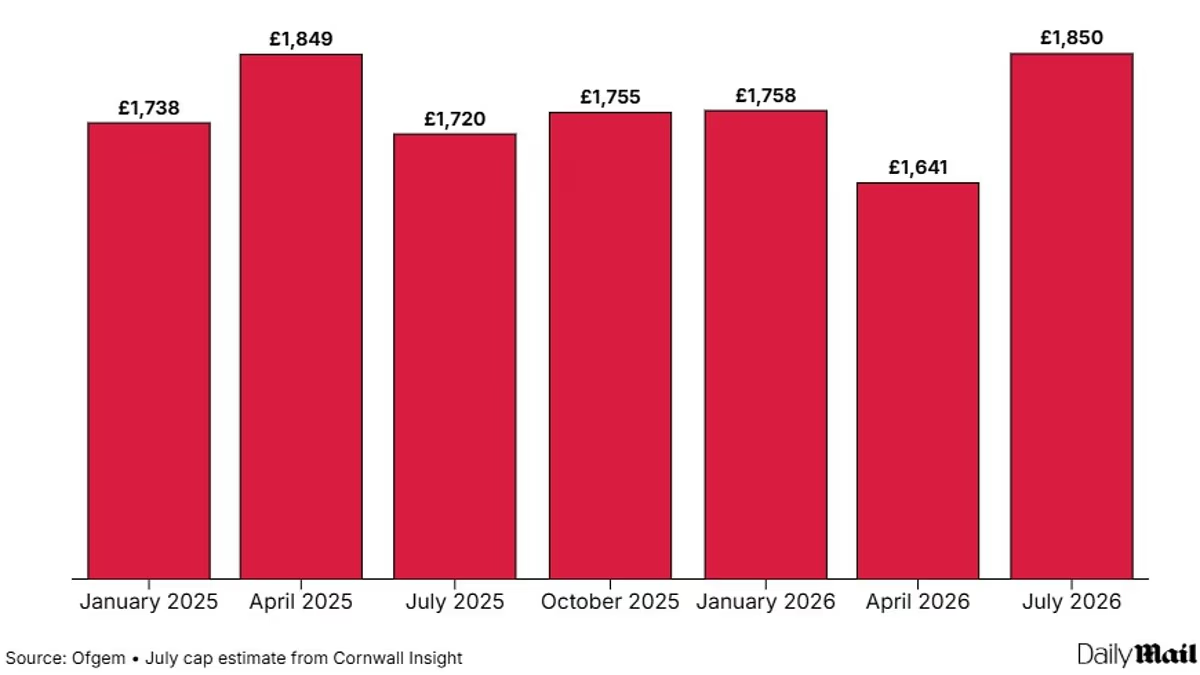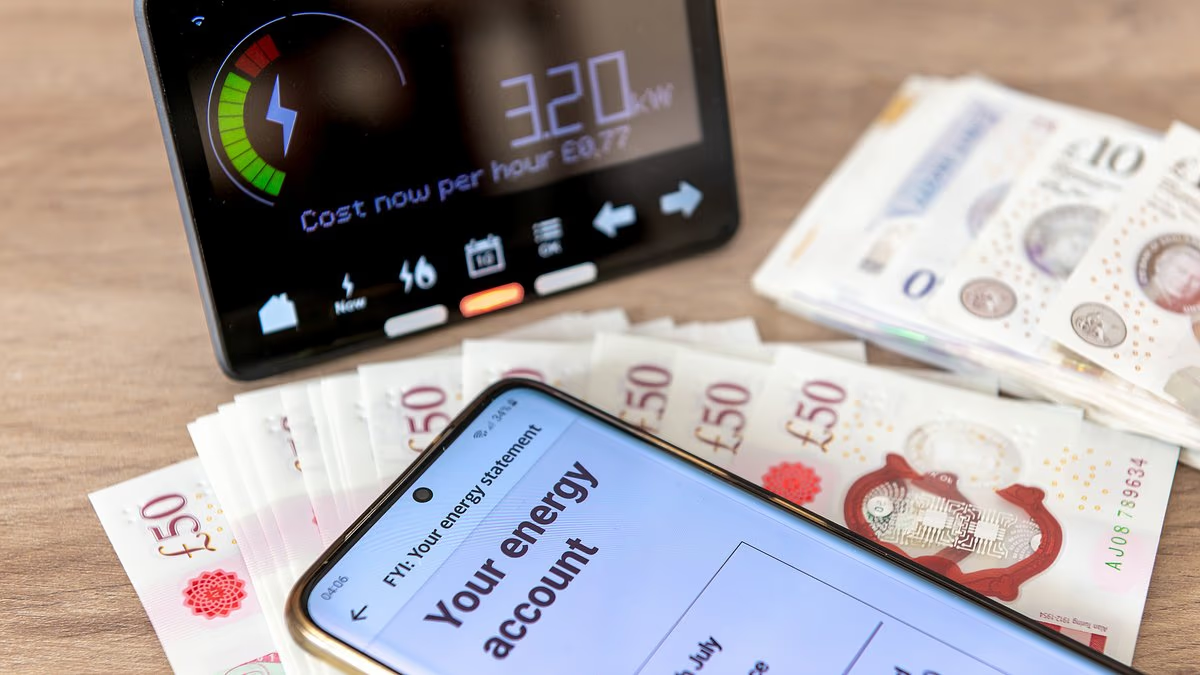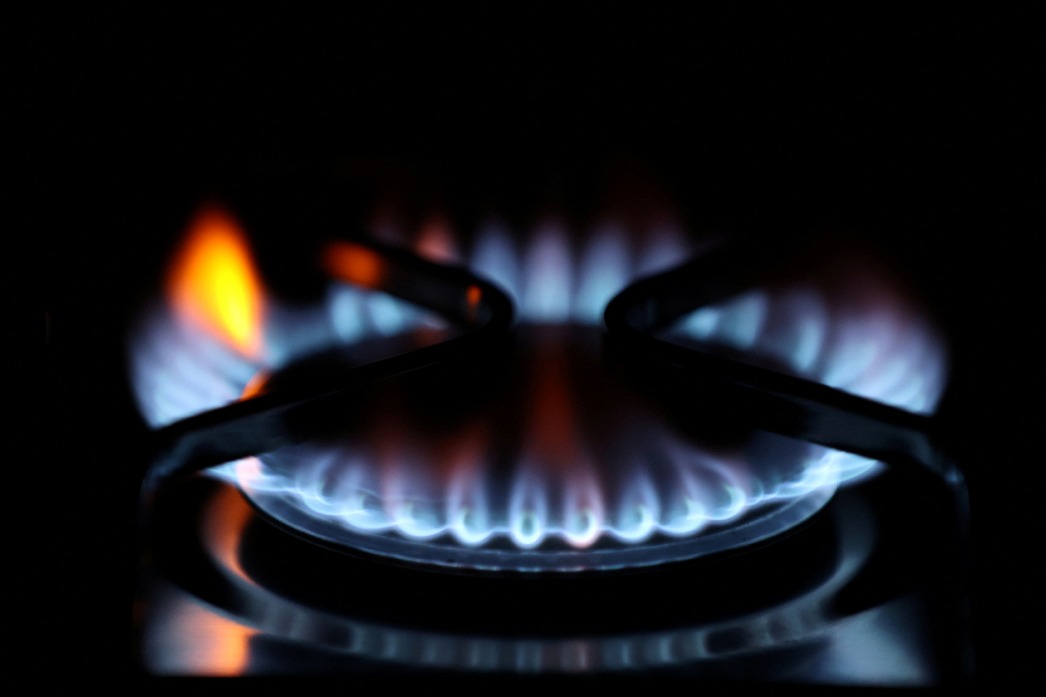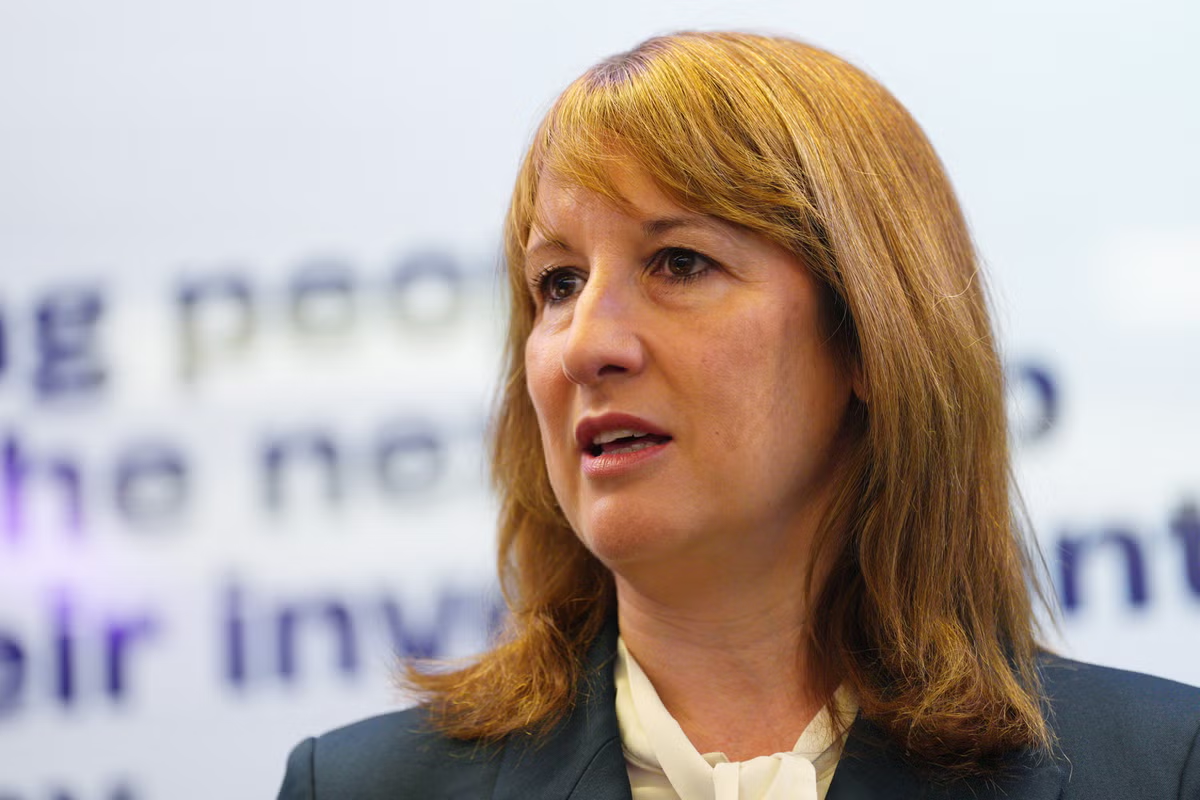
Rachel Reeves has been urged to act immediately to save the poorest from the impact of rising energy bills this winter caused by Donald Trump’s war in Iran.The regulator Ofgem announced its price cap would rise by 13 per cent from July 1, meaning a typical household now faces an annual energy bill of £1,862, up £221 on current levels. But experts forecast costs will rise even higher in October, driven by the ongoing conflict in the Middle East, with a warning that bills will not come down quickly even if the war ends.The chancellor stopped short of any immediate energy measures in her long-anticipated cost-of-living plan last week, although she has indicated she wants to offer targeted rather than universal support “to those who need it most”. Chancellor Rachel Reeves is facing pressure over rising energy bills (Carl Court/PA) (PA Wire)Simon Francis, co-ordinator of the End Fuel Poverty Coalition, warned that rising prices meant households getting into more debt and “pensioners whose summer is already overshadowed by the winter ahead”. “The government cannot wait until September to act,” he said. Gillian Cooper, director of energy at Citizens Advice, said that one of the “key tools to help people through this – the energy debt relief scheme – keeps being delayed” as she called on the Treasury to put it in place “as soon as possible”. Experts Cornwall Insight said its first energy bills forecast for October to December puts the cap at £1,899 per year, a 2 per cent rise on the July figure, just as temperatures fall and energy usage rises.Dr Craig Lowrey, from Cornwall Insight, said its predictions were “already pointing to a further rise” landing just as people start to turn their heating back on for winter.“A lot of people assume that if the conflict in the Middle East ended tomorrow, prices would return to their pre-conflict levels fairly quickly. However, that may be overly optimistic. The damage to infrastructure, the disruption to supply chains and the erosion of market confidence will not unwind overnight, and the impacts could be felt in bills for longer than many expect.” He added that while things can shift “households should not be banking on lower bills later in the year” and that it was clear that “some form of short-term support will be needed” from Ms Reeves.The energy price cap is forecast to rise again later this year (Getty/iStock)Jonathan Marshall, principal economist at the Resolution Foundation think tank, called on ministers to “use the coming months to prepare a scheme that is targeted at vulnerable households, temporary in order to rein in costs, and timely so that it’s ready for when the temperature drops”.He added that Ms Reeves was right to have resisted pressure to act earlier, in order to save her “fiscal firepower in case the price cap rises further in the winter”.That view was echoed by Jonathan Portes, economics professor at King’s College London and the former chief economist at the Cabinet Office, who told The Independent, he agreed that Ms Reeves should target support for the poorest and those on low incomes later in the year. But he called on the government to be “much clearer in saying ‘Trump’s reckless war is making us all poorer. We will protect the vulnerable but the rest of us are going to take a hit’”. Ned Hammond, deputy director of customer policy at Energy UK, which represents firms, said the scale of the rise in the price cap “will already be a concern for millions” but such worries will be magnified if bills remain at this level – or higher – over the winter months. Ofgem chief executive Tim Jarvis blamed continued volatility in global energy markets, which he said had led to higher wholesale gas prices, “driven by ongoing conflict in the Middle East”. Donald Trump’s Iran war is being blamed for rising prices (Getty)Energy Secretary Ed Miliband said the price cap rise “because of a war we did not choose is deeply unwelcome news” on top of ongoing pressure on household living costs. Last week as she outlined “cost of living” measures designed to ease the impact of President Trump’s war in the Middle East, Mr Reeves confirmed a fuel duty cut and helped those who need their vans and cars for work, by raising the tax free mileage rate for the first time in 15 years. She also unveiled free bus travel over the summer holiday for children and said she would remove tariffs on 100 food items, including biscuits and baked beans. The price cap refers to the default tariff applied when a customer has not signed for a fixed-rate deal.It sets a maximum price per unit of gas and electricity, meaning households only pay for the amount of energy they use.
Reeves urged to ‘act now’ to save poorest from pain of rocketing winter energy bills
Donald Trump’s Iran war is blamed for continued volatility in global energy markets, which has led to higher wholesale gas prices
797 words~4 min read