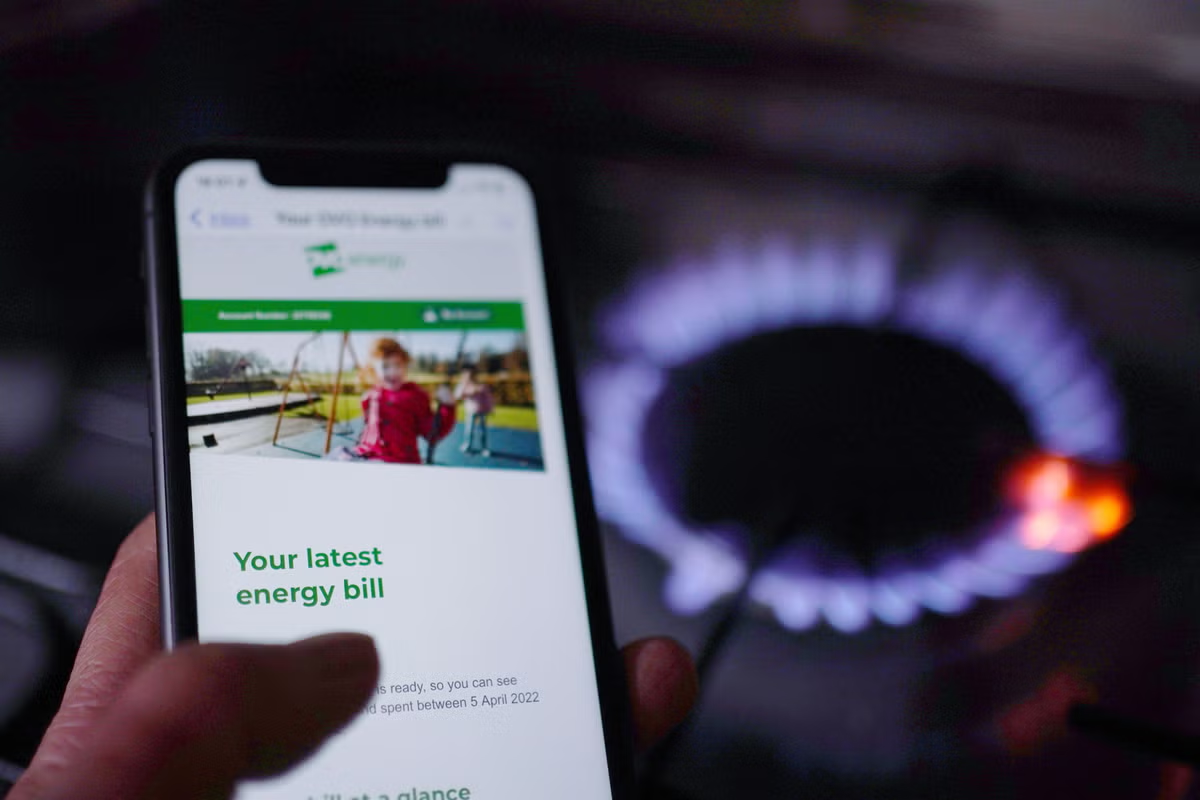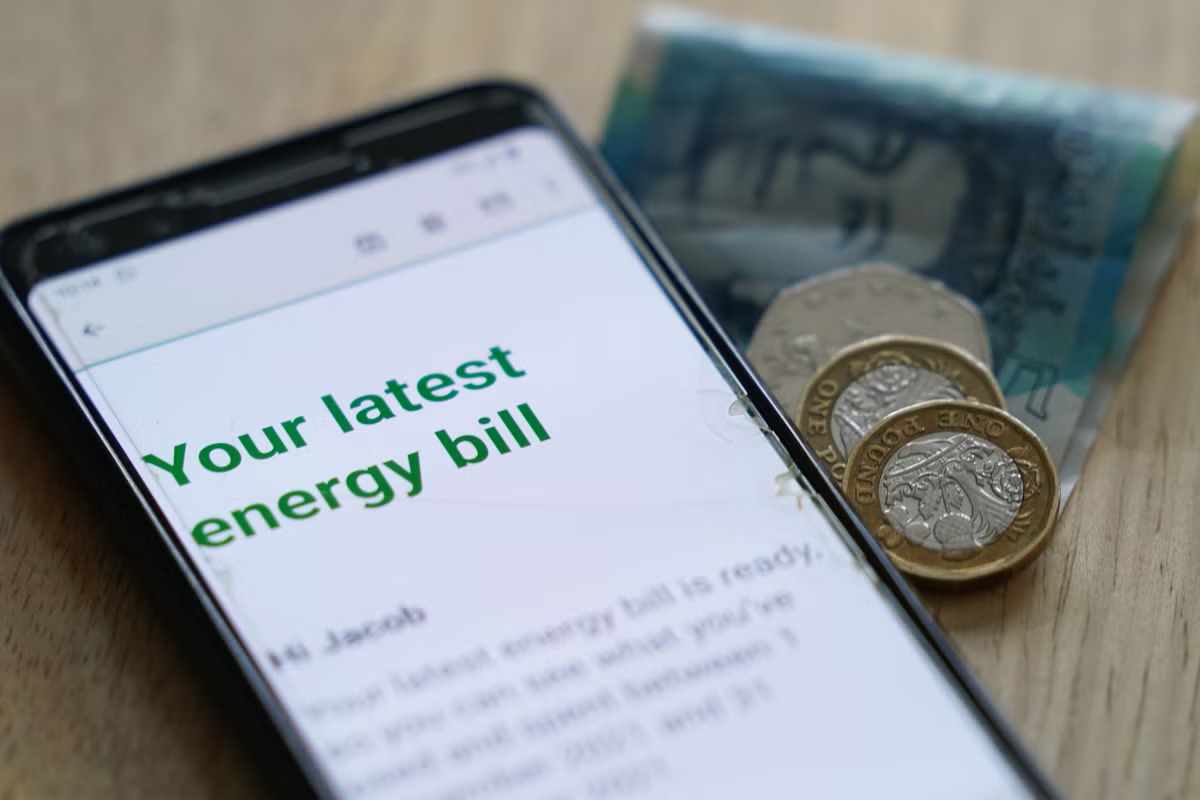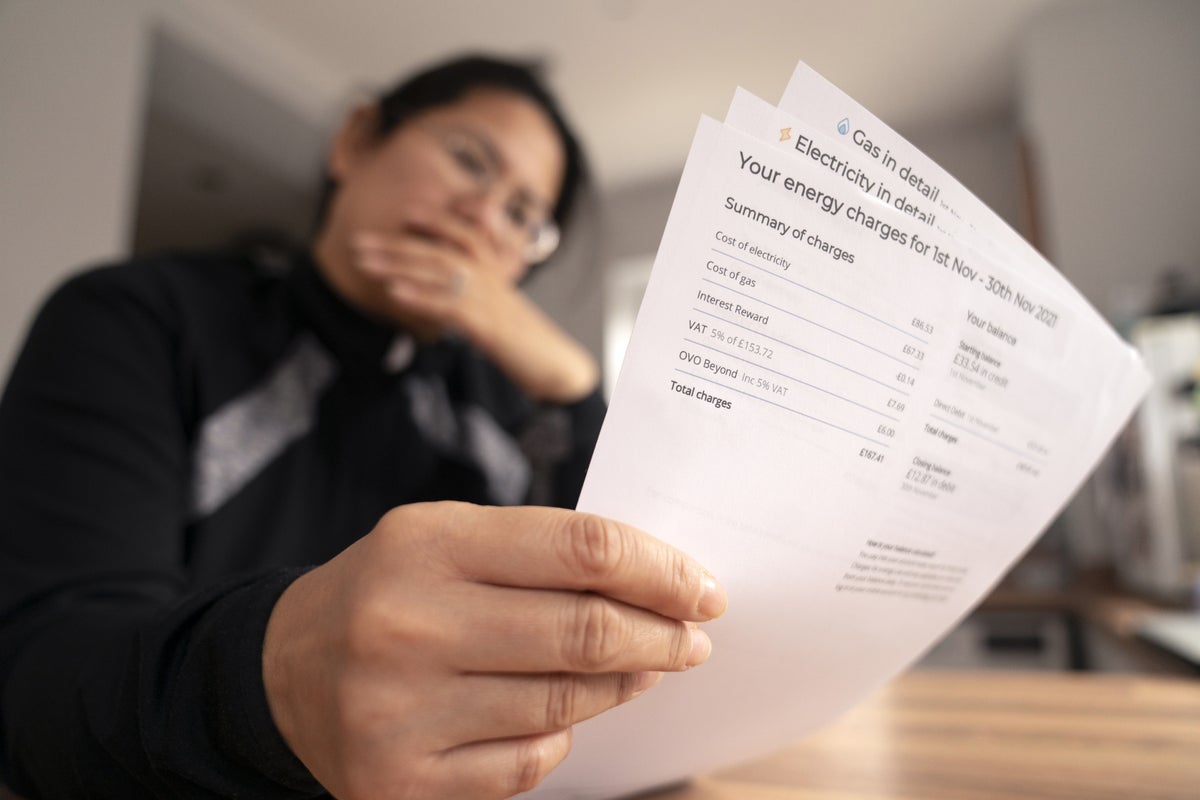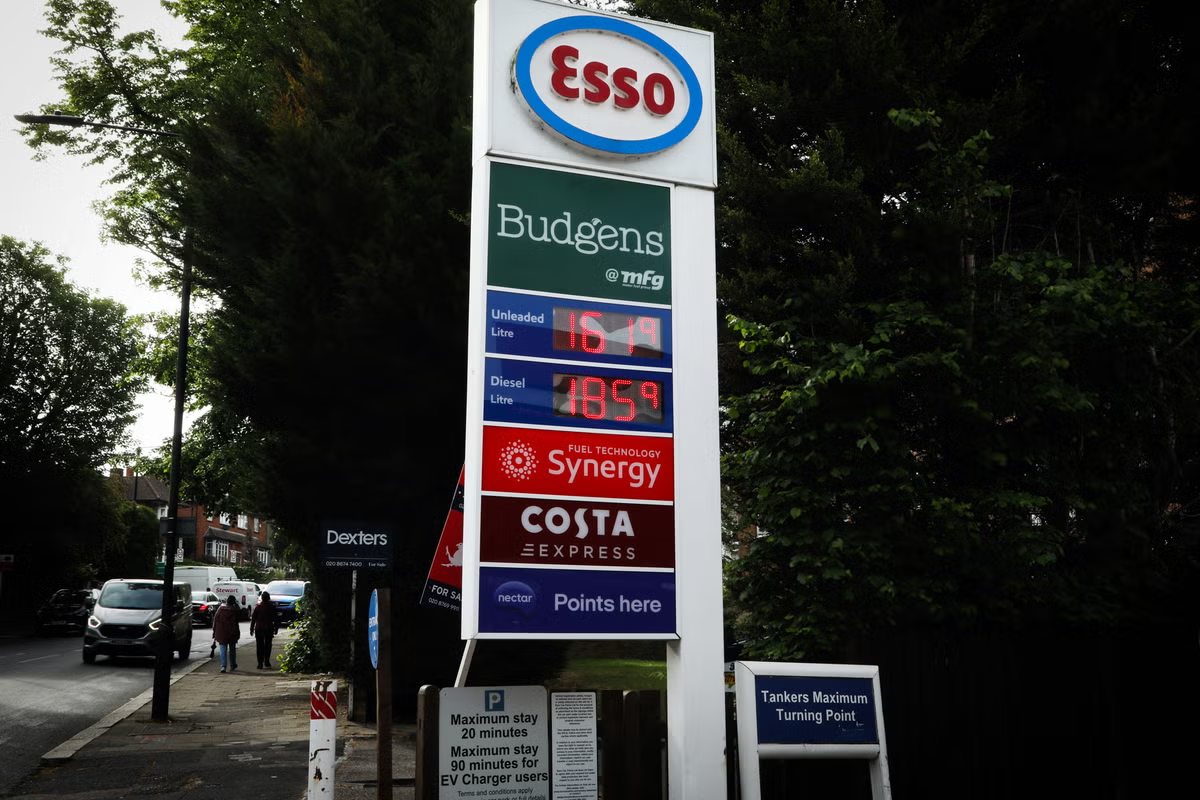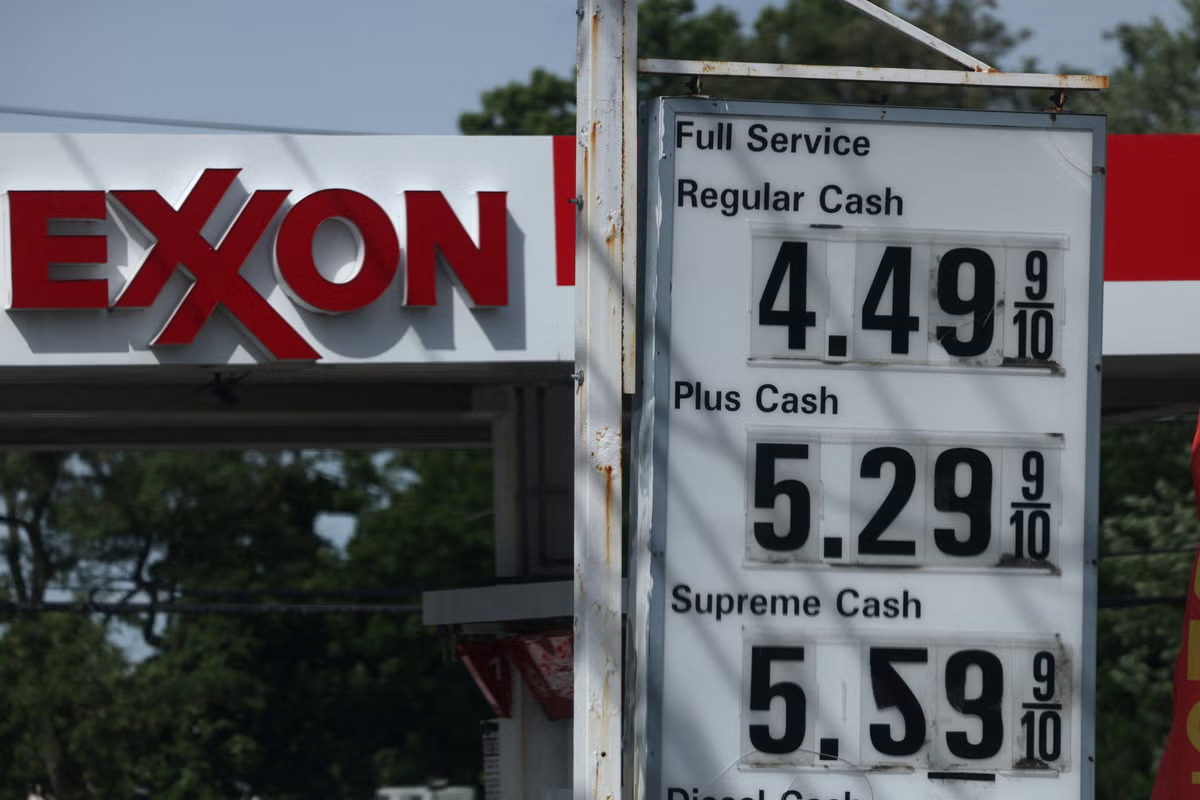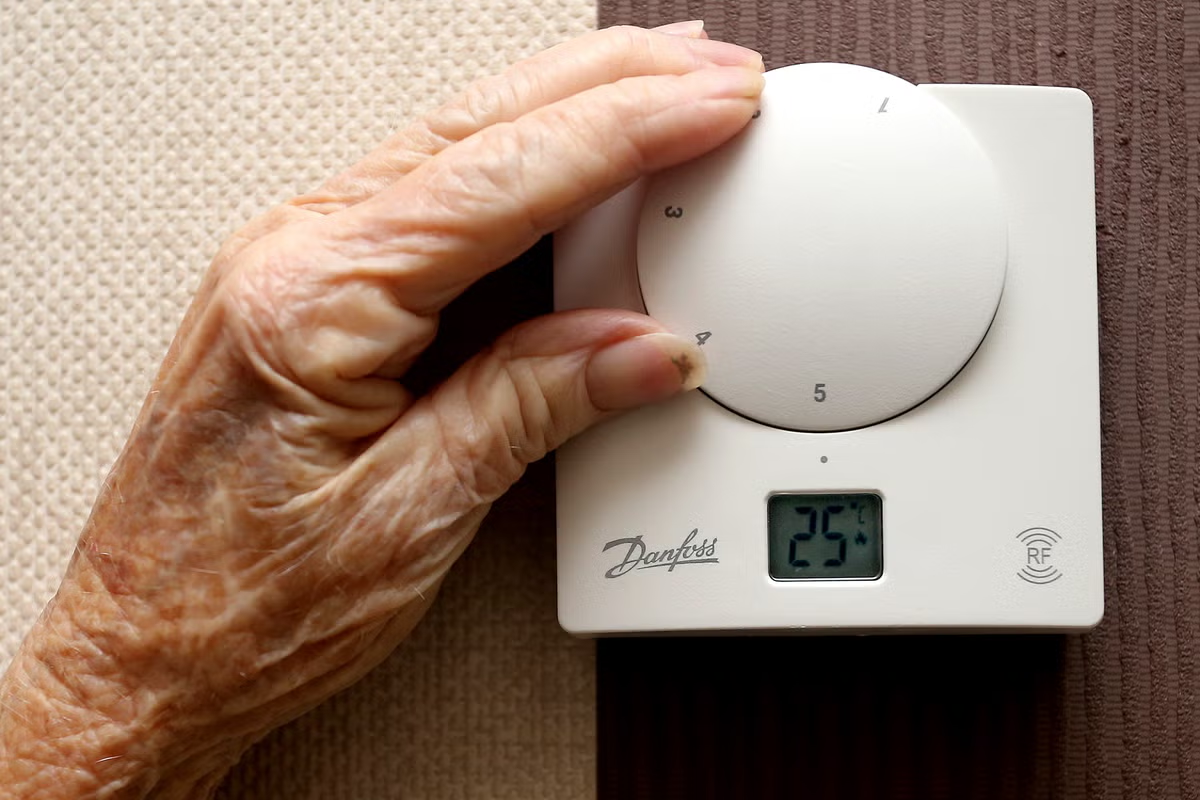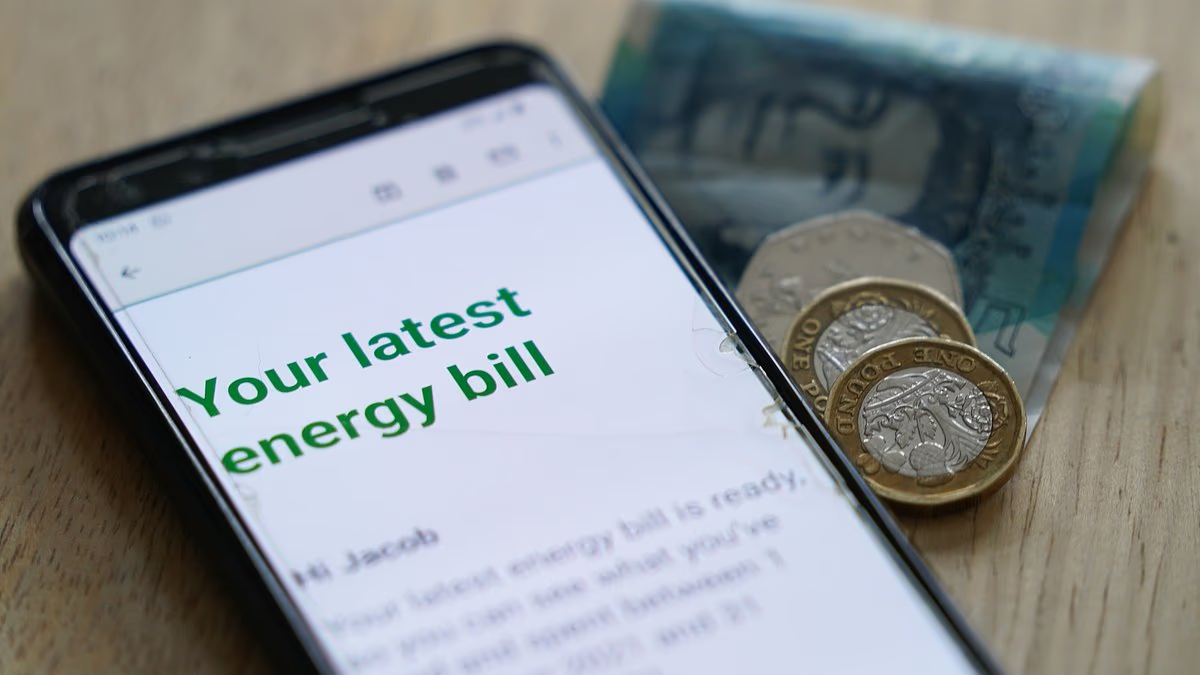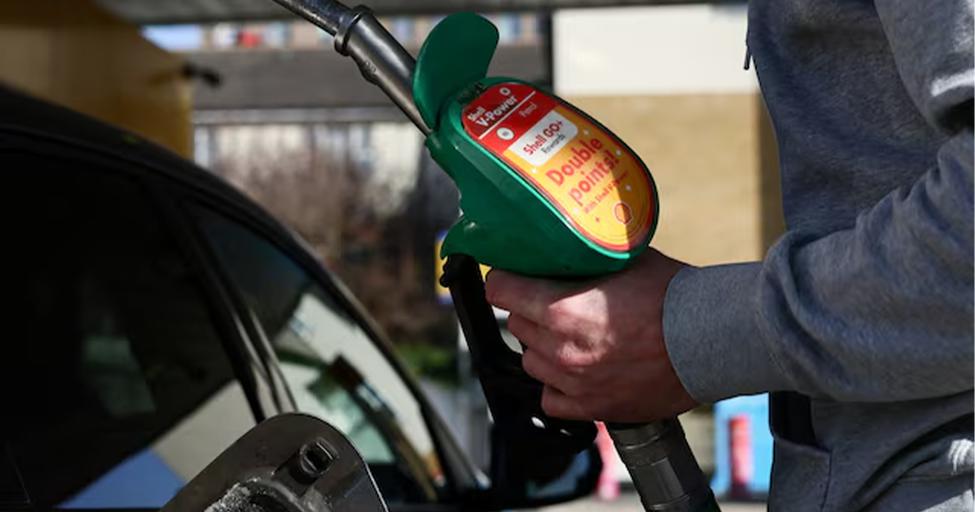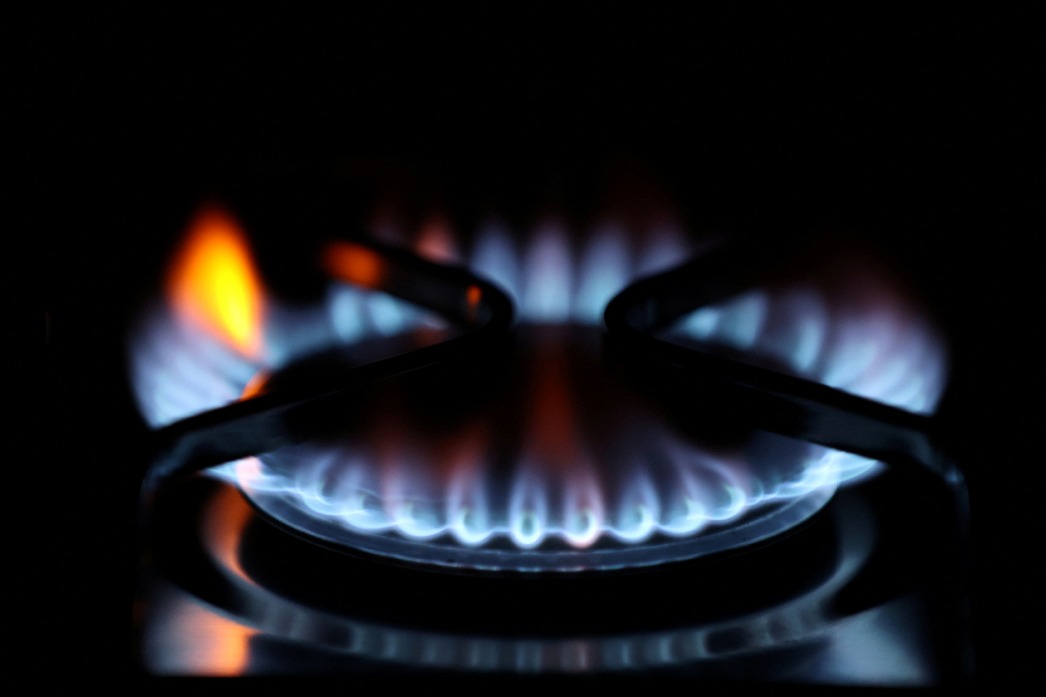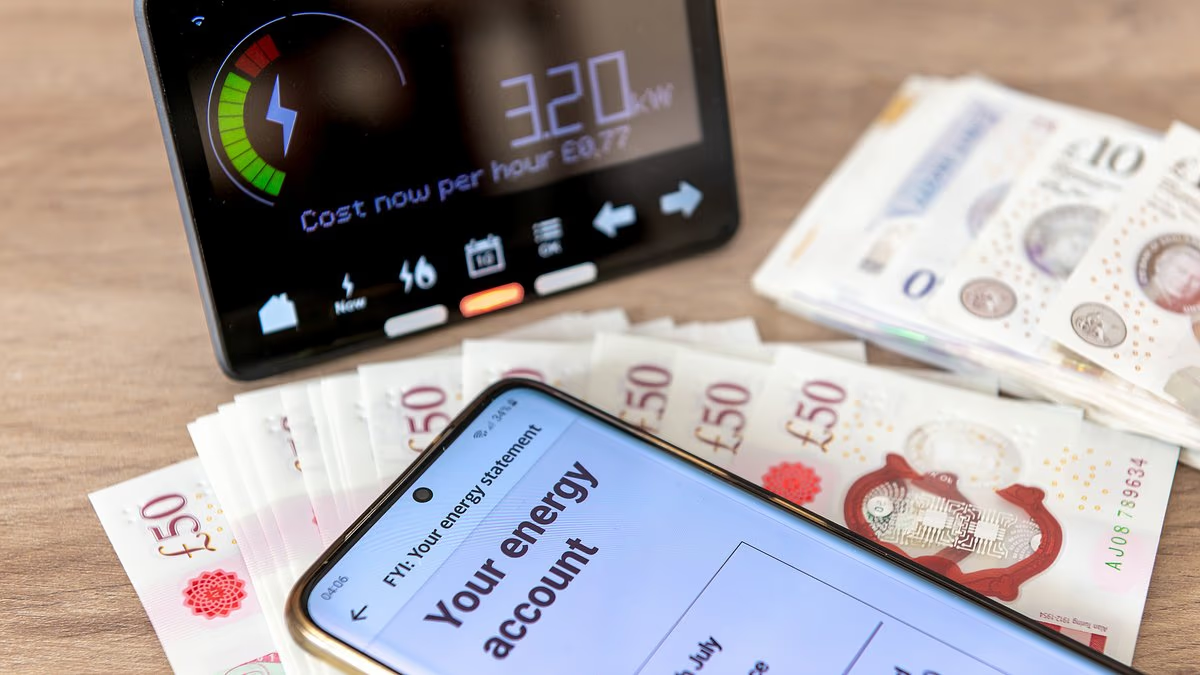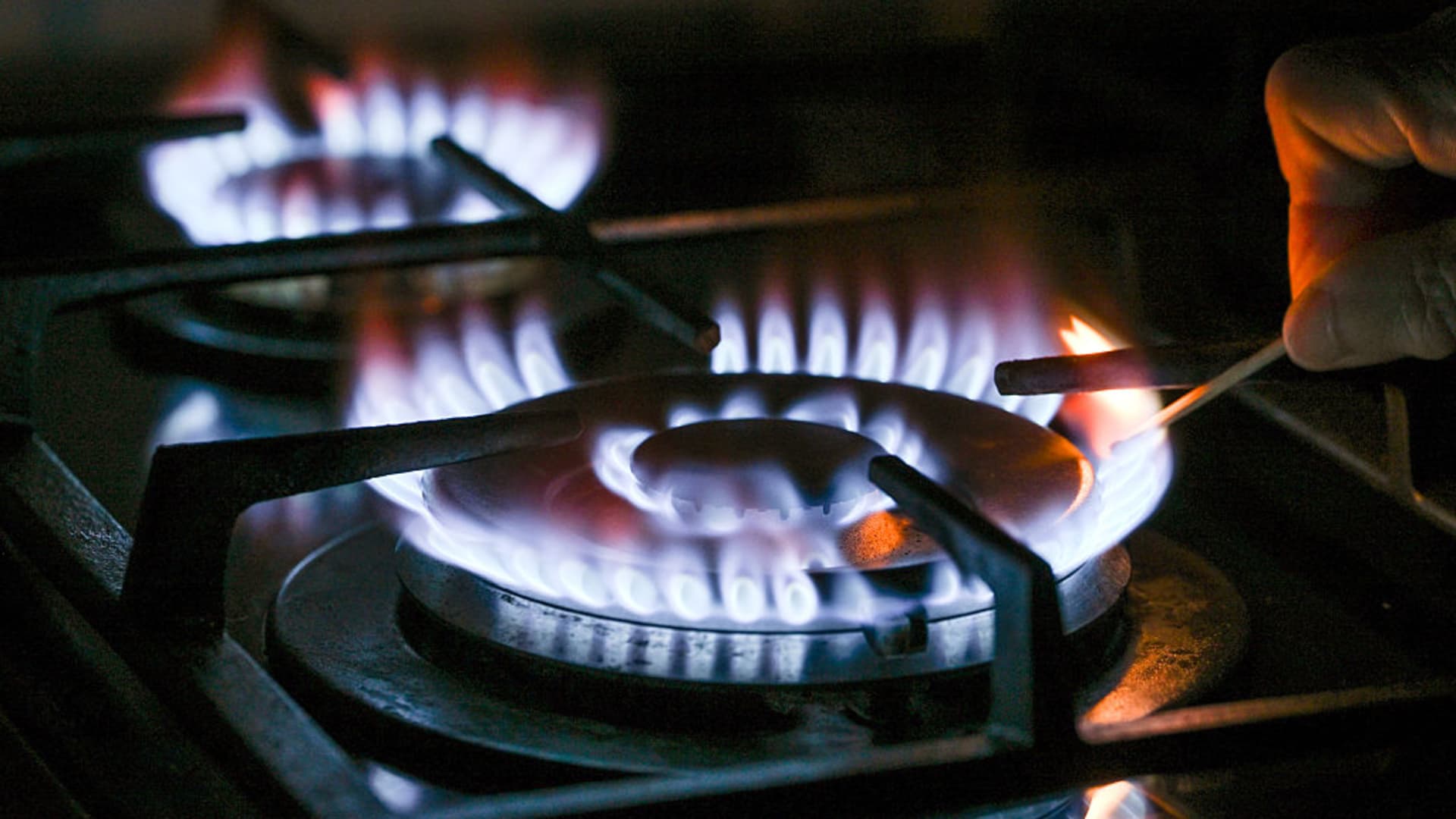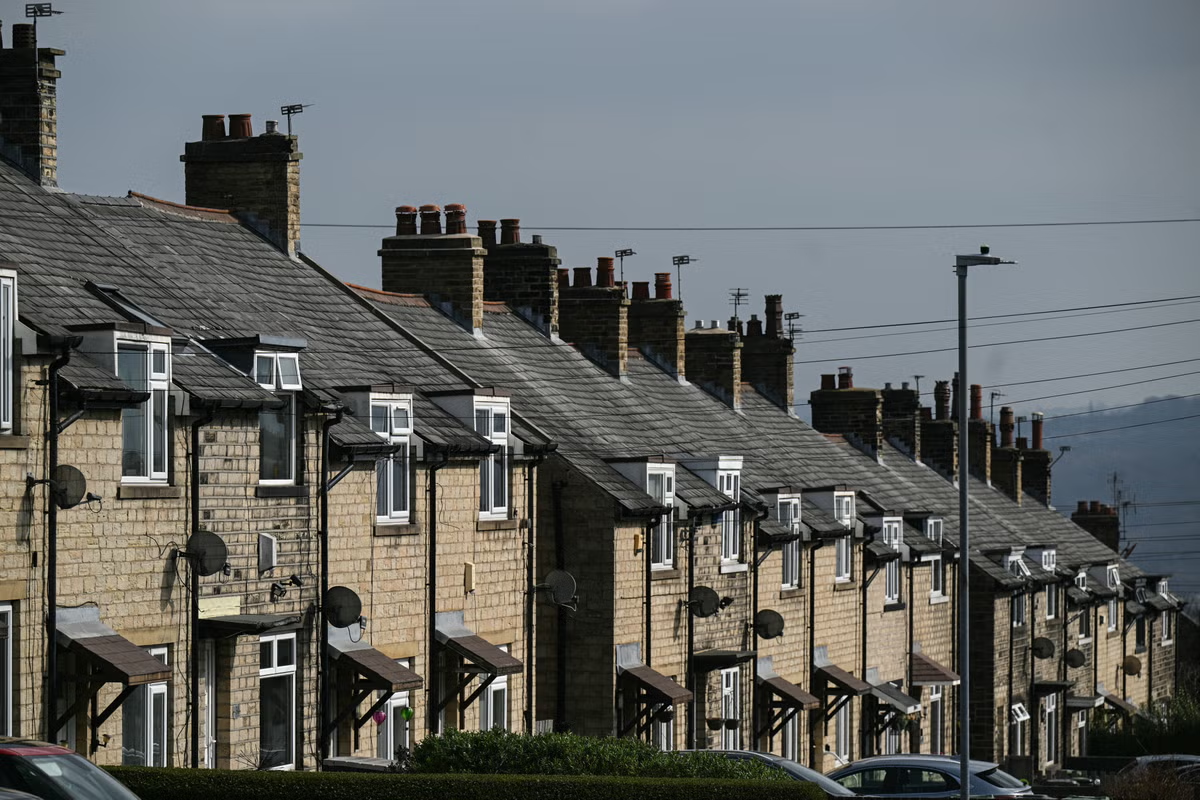
Stay up to date with notifications from The IndependentNotifications can be managed in browser preferences.AllNewsSportCultureLifestyleUK households face a significant financial squeeze, with energy bills set to rise by more than £221 a year from July, increasing the typical household cost to £1,862 due to a 13 per cent hike in Ofgem's price cap. This surge in energy costs, the largest since 2023, is attributed to global energy market instability following the US and Israel's invasion on 28 February. Motorists are paying significantly more for fuel, with petrol prices hitting a new high since the conflict began, adding approximately £14.63 to a 55-litre tank, a 20 per cent increase. Food costs are also projected to rise, with grocery bills potentially increasing by up to 10 per cent across 2026, adding an estimated £588 to a typical annual household shopping bill. Mortgage rates have climbed, with the average two-year residential fix up 0.89 percentage points to 5.73 per cent since 28 February, potentially increasing annual repayments by over £821 for an average mortgage. In fullHow UK households are paying the cost of Trump’s Iran war – with big energy bill increases on the horizonThank you for registeringPlease refresh the page or navigate to another page on the site to be automatically logged inPlease refresh your browser to be logged in
How Iran war is affecting UK households: From energy bills to petrol prices
Stay up to date with notifications from The IndependentNotifications can be managed in browser preferences.AllNewsSportCultureLifestyleUK households face a significant financial squeeze, with energy bills set to rise by more than £221 a year from July, increasing the typical household cost to £1,862 due to a 13 per cent hike in Ofgem's price cap. This surge in energy costs, the largest since 2023, is attributed to global energy market instability following the US and Israel's invasion on 28 February. Motorists are paying significantly more for fuel, with petrol prices hitting a new high since the conflict began, adding approximately £14.63 to a 55-litre tank, a 20 per cent increase. Food costs are also projected to rise, with grocery bills potentially increasing by up to 10 per cent across 2026, adding an estimated £588 to a typical annual household shopping bill. Mortgage rates have climbed, with the average two-year residential fix up 0.89 percentage points to 5.73 per cent since 28 February, potentially increasing annual repayments by over £821 for an average mortgage. In fullHow UK households are paying the cost of Trump’s Iran war – with big energy bill increases on the horizonThank you for registeringPlease refresh the page or navigate to another page on the site to be automatically logged inPlease refresh your browser to be logged in