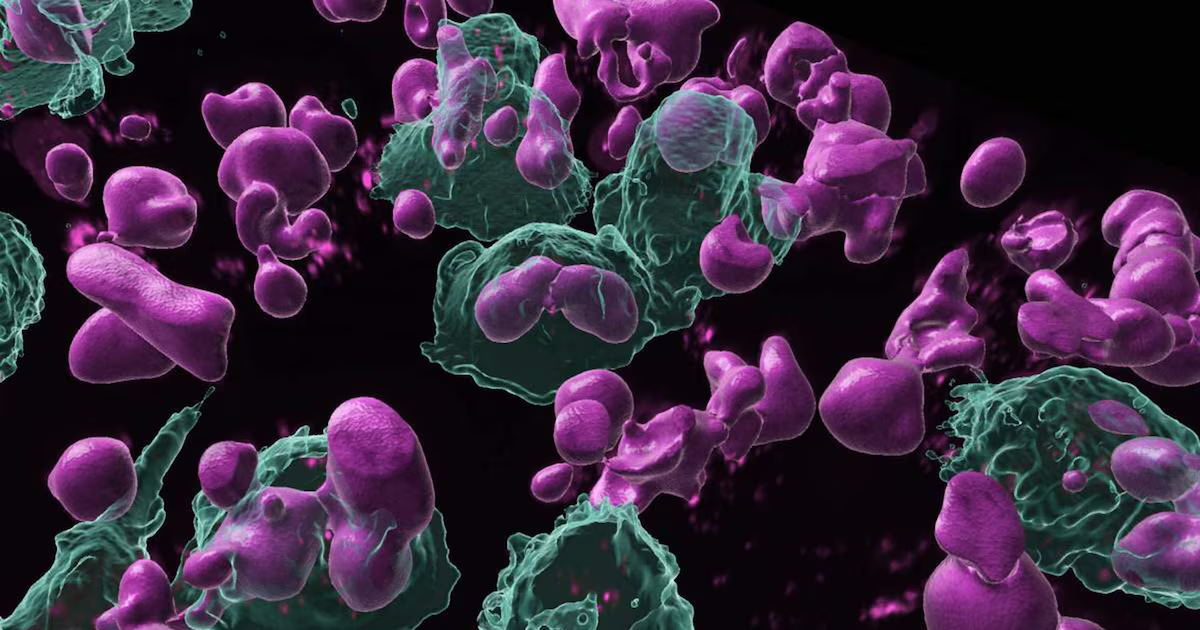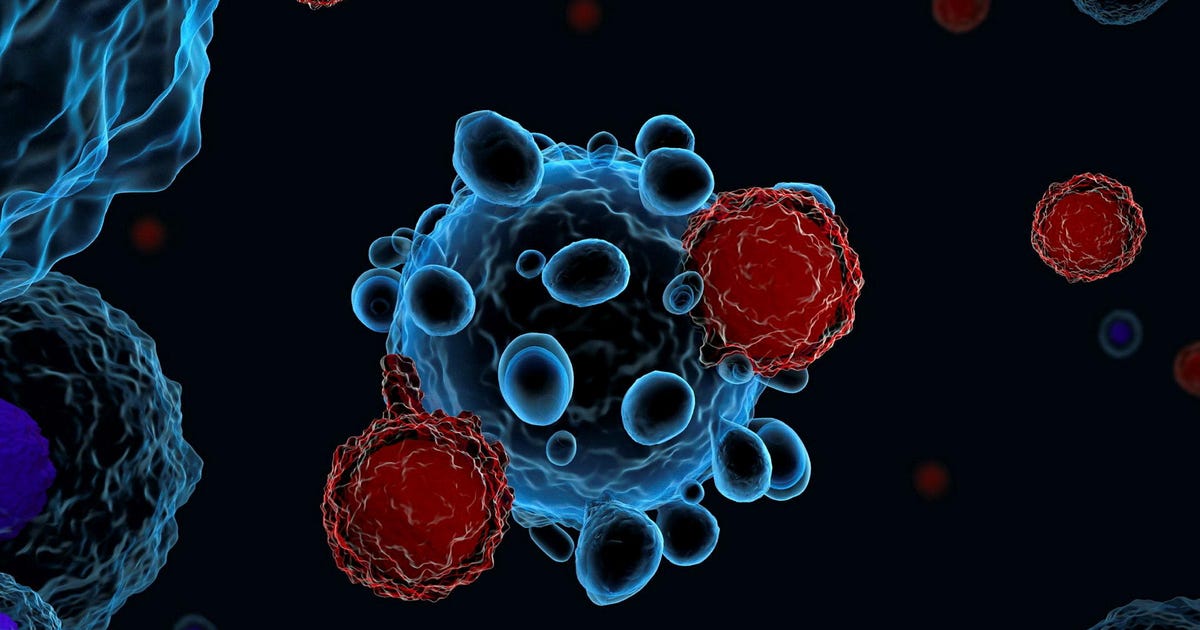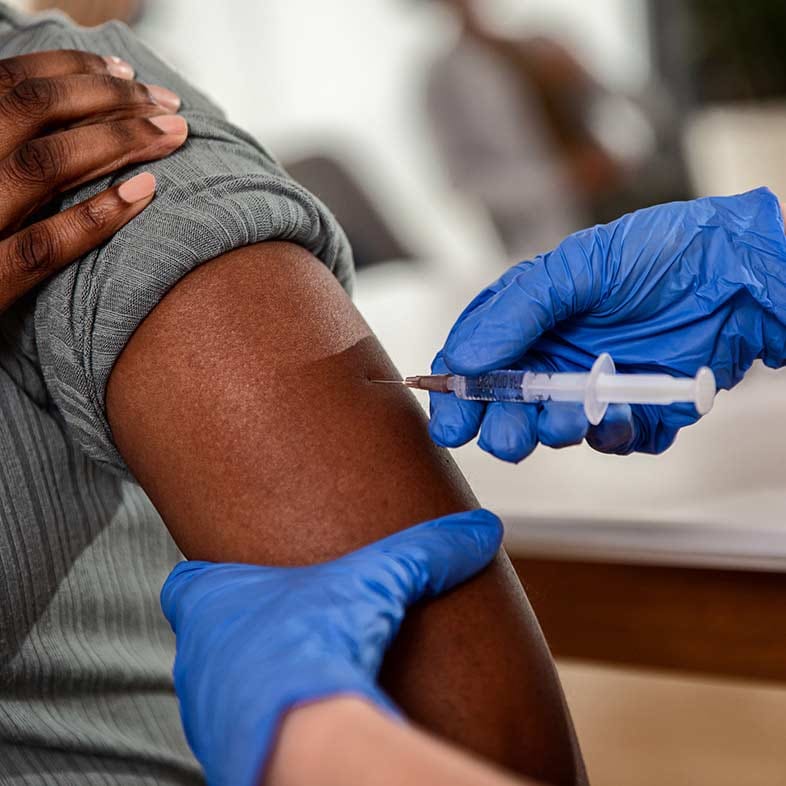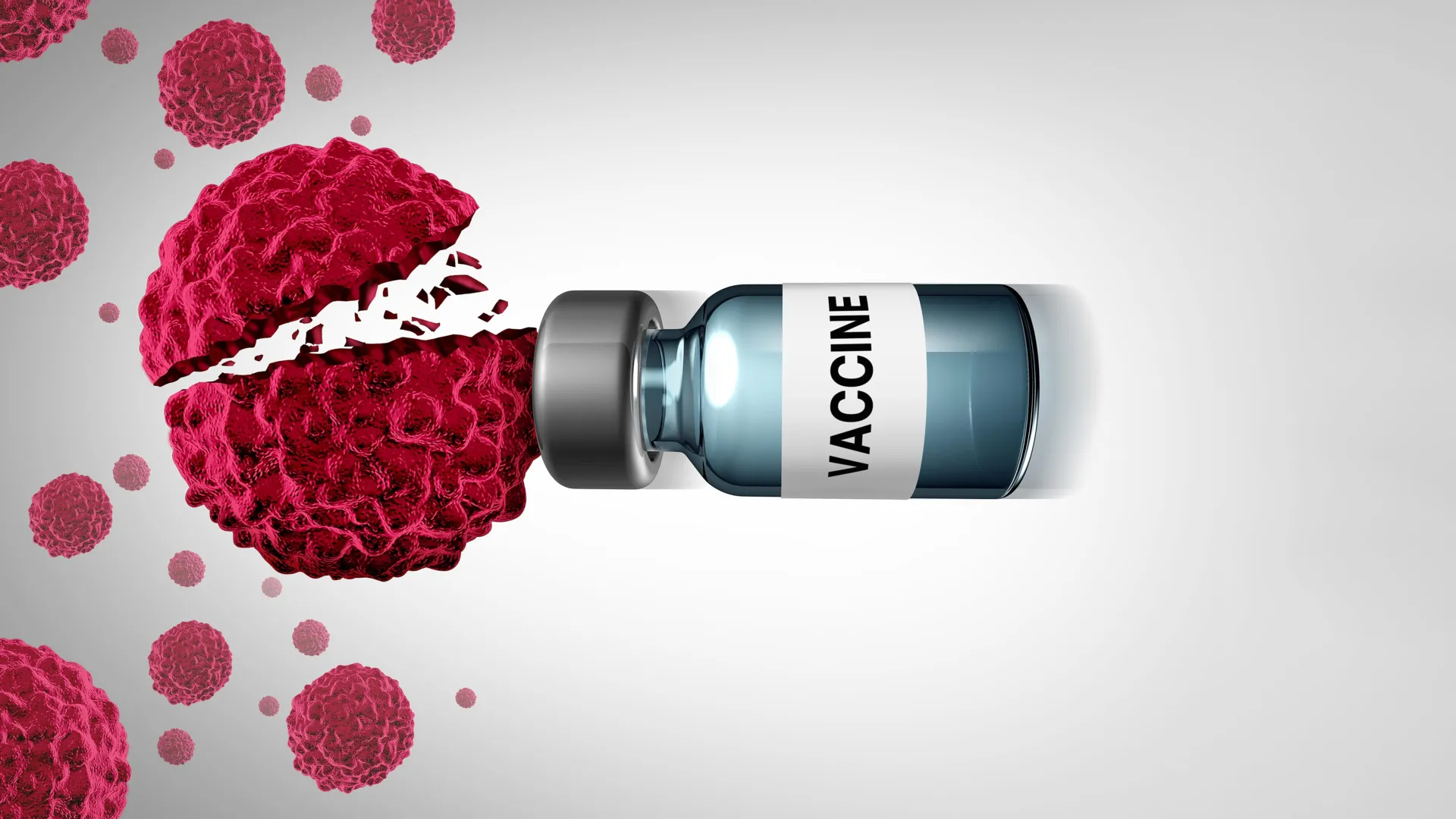
Researchers say memory B cells found in ovarian cancer patients can recognize tumors, migrate into cancer tissue and produce antibodies, opening a possible path toward new cancer vaccines and treatmentsWe tend to forget quickly that we were sick or vaccinated, but the immune system remembers well. For years, memory B cells — antibody-producing cells that have encountered disease in the past — remain stored in lymph nodes. They are trained to recognize and attack the same threat quickly and effectively if it returns. Now, scientists from Professor Ziv Shulman’s lab at the Weizmann Institute of Science reveal that memory B cells are also active against internal enemies: cancer cells.The researchers identified such cells in women with ovarian cancer that are capable of migrating into tumors, becoming activated and producing antibodies. The new study, published Tuesday in the scientific journal Immunity, advances the development of vaccines and treatments against cancer.4 View gallery Weizmann Institute Research Prof. Ziv Shulman and Dr. Nachi Nathan (Photo: Weizmann Institute)The immune system contains hundreds of millions of B-cell clones, each producing a unique antibody against a disease agent — a protein that recognizes a target and neutralizes it or activates other immune cells against it. When a B cell encounters its target for the first time, its antibody binds weakly and triggers a weak response. Therefore, some cells enter “training camps” known as germinal centers in lymph nodes, where they undergo genetic changes and strict selection. They then emerge with improved antibodies. Some of these trained cells immediately become active antibody producers, while others become memory B cells that remain inactive in lymph nodes and are rapidly reactivated upon re-exposure.For years, cancer immunology research has focused mainly on T cells, which can directly recognize and kill cancer cells. B cells, by contrast, have received less attention in the context of tumors. “Tumors are under control of the immune system or under lack of control of the immune system,” explained Professor Shulman from the Department of Systems Immunology at the Weizmann Institute, who led the study. “The immune system is supposed to enter and destroy them, and often that does not happen for various reasons. The barriers that are studied are mostly T cells that can actually kill cancer cells. Less attention has been given over the years to B cells and antibodies in the context of cancer. It has been less of a focus for a very long time.”In recent years, however, the picture has begun to change. Several studies, including one published by Shulman’s group in 2022 on ovarian cancer in collaboration with Professor Sagi and Professor Eitan and led by Dr. Roei Mazor, suggested that B cells may also play a role in the immune response against tumors. “We and other researchers found a correlation between the presence of B cells and antibodies in tumors and patient survival and response to immunotherapy,” he said.“In the previous study we looked at tumors in ovarian cancer patients and found that cells inside them can secrete antibodies against the tumor. If you think about antibodies, you usually think about vaccination, like COVID or hepatitis vaccines. That is a process in which antibodies are produced and improve over time, becoming more effective and providing immunity. What we showed there is that the same process happens in cancer: the improvement of weak antibodies also occurs there. So, similar to responses against pathogens, the immune system learns how to produce antibodies against cancer.”That discovery led to the central question of the new study: where do those B cells that produce antibodies against the tumor come from — are they formed inside the tumor itself or in nearby lymph nodes?4 View gallery The researchers wanted to know whether they truly “remember” the tumor (Photo: shutterstock)“After the previous study was published, this question came up many times,” Shulman confirmed. “In principle, antibody-mediated immune responses usually occur in lymph nodes. When a person is vaccinated or infected by a virus, lymph nodes swell and the process of antibody improvement happens there, through B cell division and differentiation into long-lived antibody-secreting cells that provide immunity.”To address this, Shulman and research student Nachi Nathan expanded the study and examined not only the tumor itself but also lymph nodes near it. “We continued the study and also examined lymph nodes from ovarian cancer patients to understand whether they participate in immune responses against the tumor,” Shulman said. The samples came from patients with the most common subtype of ovarian cancer (HGSOC), in collaboration with Professor Ram Eitan, Dr. Oded Rabin and Dr. Adva Levy-Barda from Rabin Medical Center.“It is quite rare to obtain lymph nodes from cancer patients because they are usually used to determine whether metastases are present and whether the tumor has spread,” Shulman explained. “In the lymph nodes we looked for the type of immune response you would expect to see after vaccination. To our great disappointment, we did not find active immune responses or antibody maturation in the lymph nodes. But what we did find were memory cells.”These memory cells form the long-term protective layer of the immune system. “When there is an immune response, one of its goals is to create long-term protection. That is what you want from a vaccine,” Shulman said. “There are two layers of this protection: one is antibody-secreting cells, which we studied in the first work. The second is memory cells. They do not secrete antibodies, but once memory cells encounter the pathogen again, they quickly differentiate into antibody-secreting cells. They are already trained to recognize it and can respond rapidly.”But the presence of memory cells alone was not enough. The researchers wanted to know whether they truly “remember” the tumor and whether their antibodies can recognize it. “Since there were no previous reports of antibody-mediated immune memory against cancer, we were skeptical about the importance of the cells we found, but we still gave them a chance,” Shulman said.“We sequenced the genetic ‘recipe’ of their antibodies and produced them artificially in the lab. We were astonished that more than a third of the antibodies strongly bound to ovarian cancer cells. Since cancer cells originate from healthy human cells, we were concerned the antibodies might attack normal human cells without distinction, but in practice they bound much less effectively to other cancer types and to healthy cells. In other words, memory cells turned out to be a targeted weapon against ovarian cancer.”4 View gallery 'We may be able to develop cancer vaccines' (Photo: shutterstock)According to Shulman, the existence of such tumor-specific immune memory was a concept that had barely existed in scientific discussion. “We introduced a new concept. There was no such thing as immune memory against tumors mediated by antibodies,” he said. “We defined a new concept: memory cells that know how to respond to tumors.”The researchers then tested whether memory cells found in lymph nodes were related to B cells inside the tumor. They compared samples from the same patient — lymph node and tumor — and searched for a shared “fingerprint.” “Each memory cell has a unique antibody, like a barcode,” Shulman explained. “If we find the same barcode in both places, it is very strong evidence that lymph nodes are supplying memory cells to the tumor.”This means memory cells are not just a passive reservoir in lymph nodes. Some of them, the findings suggest, are linked to B cells that appear inside tumors after being activated. “We found B cells in tumors that had just been activated and belonged to the same clones as memory cells in lymph nodes,” said Dr. Nathan. “The findings suggest that memory B cells against cancer can migrate from lymph nodes to tumors, enter training-like environments there or differentiate into antibody-producing cells and generate an effective immune response. In this way, they participate in a long-term immune battle against cancer — a discovery that may advance the development of new treatments for ovarian cancer and cancer in general.”In the past decade, cancer treatment has undergone a major shift with the development of immunotherapy, which harnesses the patient’s immune system to fight tumors. Some of these treatments are inspired by traditional vaccines, but unlike preventive vaccines, they are used after disease develops. Most known vaccines, such as COVID-19 or flu vaccines, work by exposing the immune system to a harmless version of a pathogen in order to generate memory B cells that will recognize it in the future. The realization that B cells can generate immune memory against cancer opens new possibilities for vaccine development against tumors.4 View gallery 'Memory cells turned out to be a targeted weapon against ovarian cancer' (Photo: shutterstock)This is also where the significance of the new study may lie: if lymph nodes already contain memory cells directed against tumors, it may be possible in the future to reactivate and strengthen them to boost the immune response. “Much work has been done to develop cancer vaccines, but they have focused mainly on activating T cells that directly kill tumors,” Shulman said. “Now, if we can activate memory B cells against tumors, we may be able to develop cancer vaccines based on their activity.”Another question that interested the researchers was why memory cells in lymph nodes are not activated there. After all, lymph nodes are where antibody-based immune responses are supposed to be generated: B cells enter training centers, improve and differentiate into antibody-producing cells. So why, in this case, do lymph nodes mainly serve as a reservoir of memory cells rather than activating them against the tumor?To address this, the team collaborated with Dr. Leeat Keren from the Weizmann Institute. Together they identified a population of phagocytic cells — macrophages — in lymph nodes that suppress the formation of germinal centers and prevent full activation of B cells. The researchers observed these macrophages in real time under the microscope as they selectively engulfed B cells in training stages.According to Shulman, this is likely a mechanism originally designed to protect the body quickly from foreign pathogens, but in the tumor environment it may disrupt the desired immune response. “What is happening is that the cancer created a situation where these cells arrive without a pathogen,” he said. “They are meant for immediate response, but they interfere with the immune system’s ability to function and produce antibodies.”In other words, these macrophages — whose original role is to quickly eliminate foreign invaders such as bacteria or viruses — may in the tumor environment block the next and crucial stage of the immune response: the formation of long-term B-cell and antibody-based immunity. “That is probably why we did not see an immune response in the lymph nodes,” Shulman said, “only immune cells generated from previous immune reactions.”According to him, the finding may also be relevant to other medical conditions in which immune responses are dysfunctional, not only cancer. “In inflammatory bowel disease we found that the more suppressive macrophages there are in lymph nodes, the fewer germinal centers form, and there may be dormant immune memory reservoirs across multiple diseases. In the future it may be possible to target these phagocytic cells to unleash the full power of immune memory. Alternatively, enhancing their activity may help suppress overactive immune responses, for example in autoimmune diseases where the immune system mistakenly attacks healthy cells.”The study included contributions from multiple researchers across the Weizmann Institute, Rabin Medical Center, the Israeli National Center for Personalized Medicine, Sheba Medical Center, Hadassah Medical Center and the University of Washington in St. Louis.
Israeli scientists find immune memory cells may help fight ovarian cancer
Researchers say memory B cells found in ovarian cancer patients can recognize tumors, migrate into cancer tissue and produce antibodies, opening a possible path toward new cancer vaccines and treatments
1,909 words~9 min read