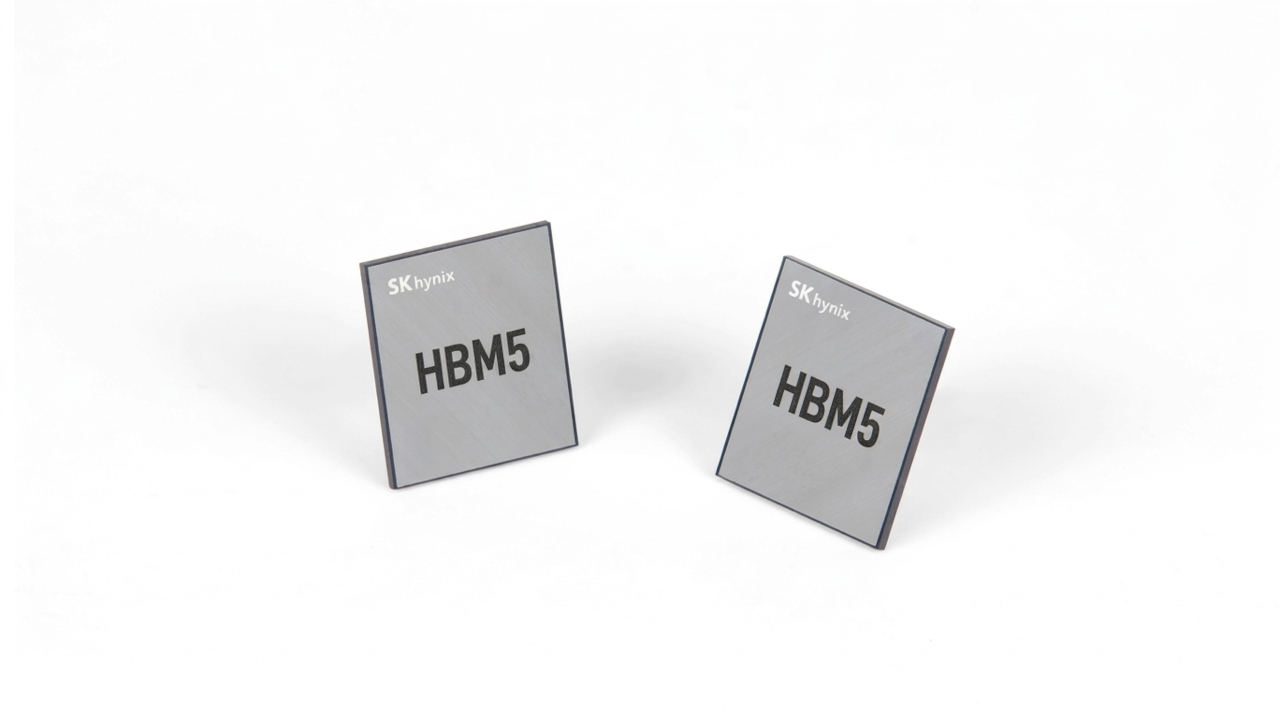
LOOKING AHEAD: As AI systems push deeper into high-density compute, the bottleneck is no longer just processing power – it is heat. SK Hynix is targeting that constraint with a new memory packaging approach designed to cool one of the hottest regions in the system.
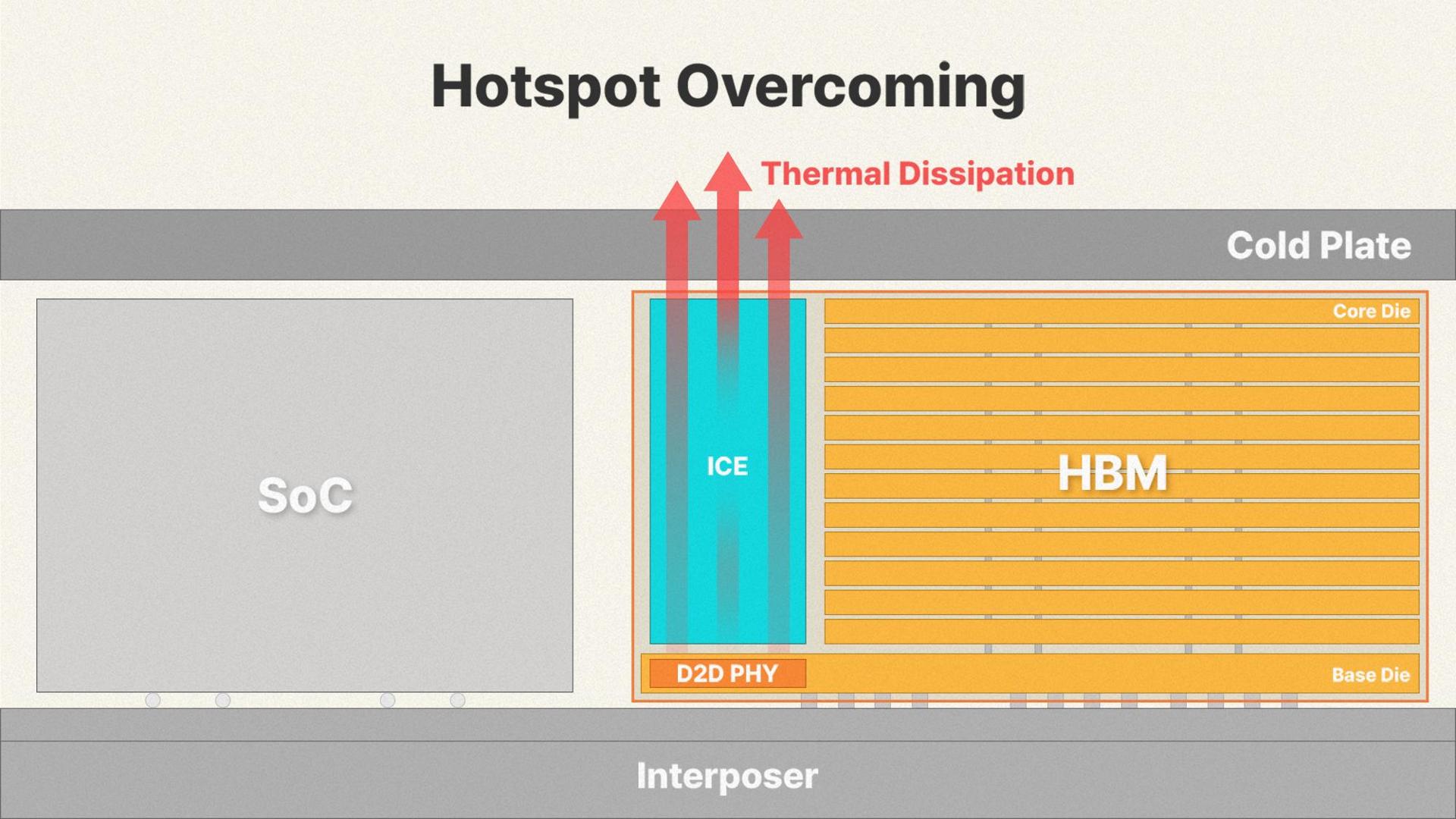
SK Hynix has introduced iHBM, a high-bandwidth memory packaging solution that changes how and where heat is managed inside the package. Rather than relying on conventional methods that pull heat away from the chip after it accumulates, SK Hynix is placing cooling structures directly at the source.
That source is the Die-to-Die Physical Layer, or D2D PHY – the high-speed link between the HBM stack and the AI processor. This interface moves enormous volumes of data, often reaching terabytes per second in high-bandwidth configurations, and generates significant heat in the process.
The combination of switching activity, leakage effects, electrical resistance, and constant data flow turns this layer into a persistent hotspot, especially under sustained AI workloads.
SK Hynix's solution is to embed what it calls Integrated Cooling Elements, or ICEs, directly into that interface. These are electrically isolated, thermally conductive silicon structures built into the D2D PHY itself, dissipating heat at the point of generation rather than after it has spread through the package. The company says the approach reduces thermal resistance by more than 30%.