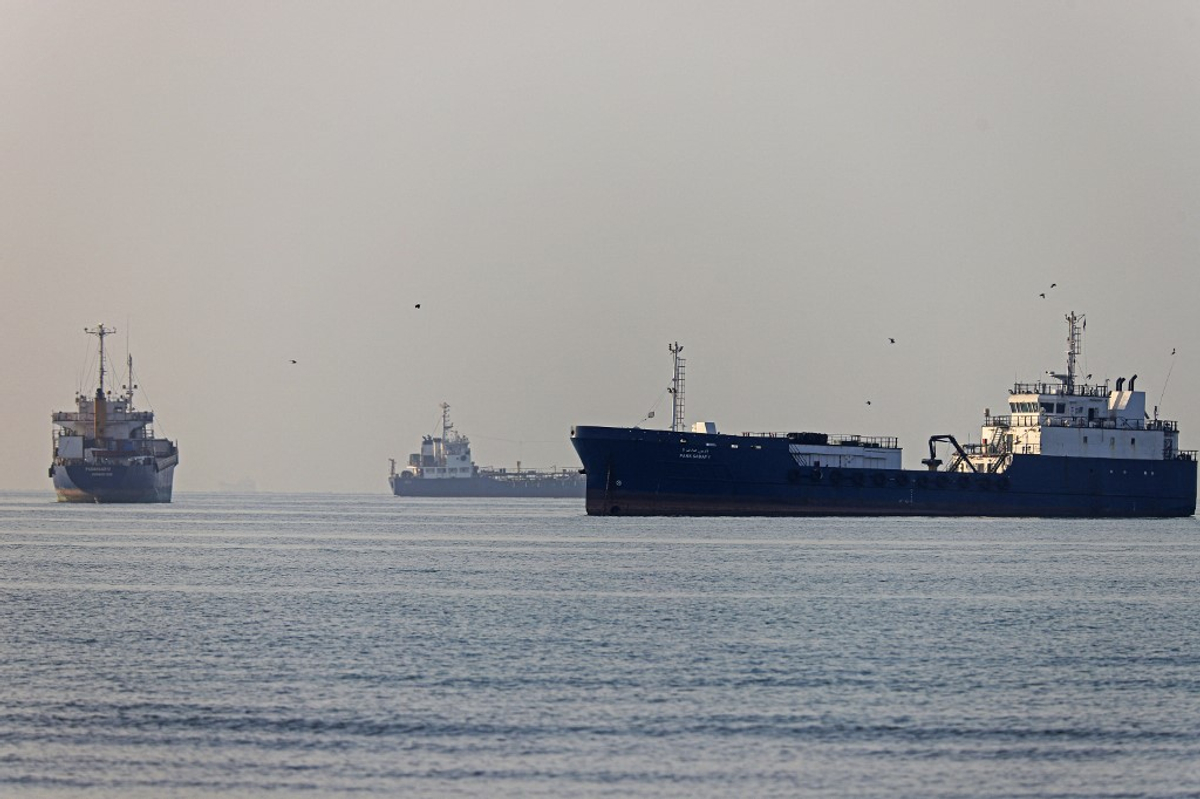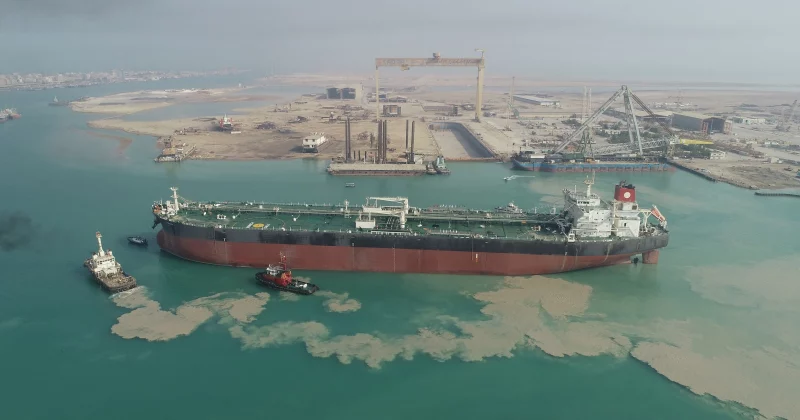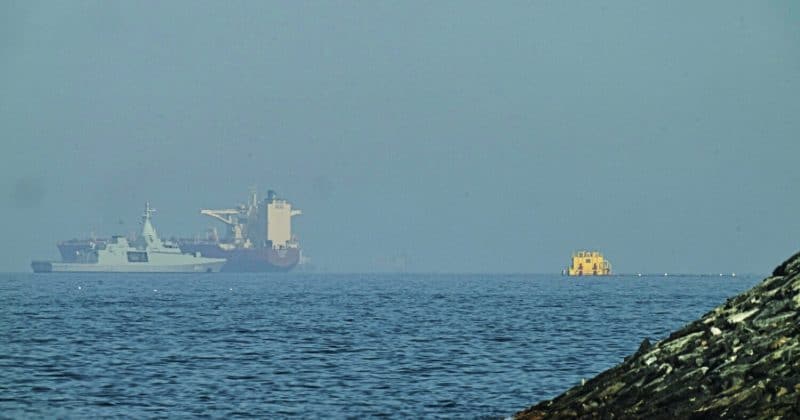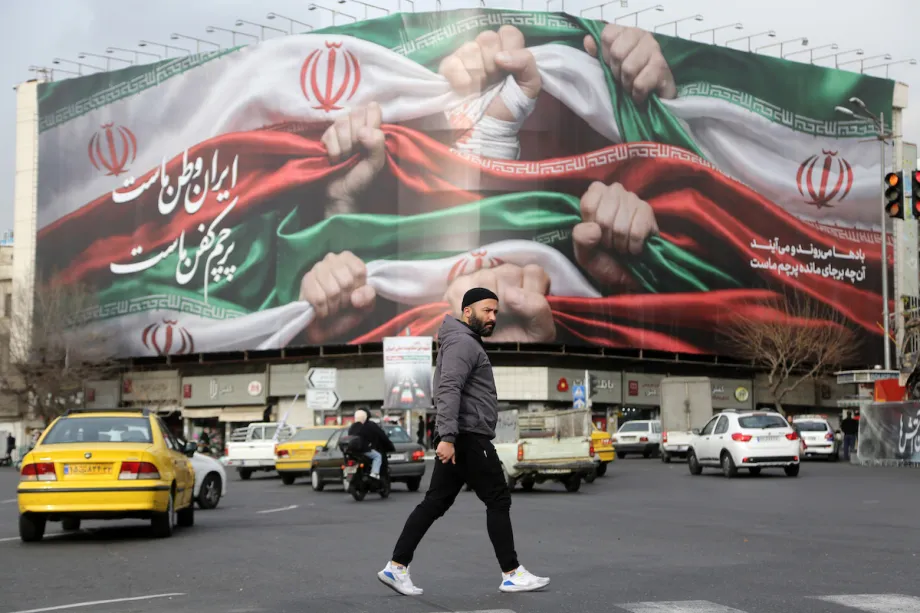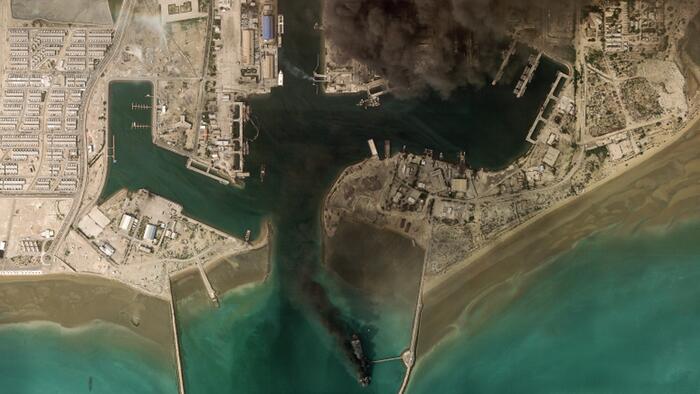
US Marines boarded the Iranian-flagged tanker M/T Celestial Sea in the Gulf of Oman on May 20, and Tehran is not treating it as a misunderstanding. Iran’s government has labeled the operation a direct violation of the ceasefire agreement, called it an act of piracy, and slammed the door on future negotiations until one very specific condition is met: the immediate release of $12 billion in frozen Iranian assets currently held in Qatar.
That’s not a starting offer. It’s a prerequisite. And the potential price tag for continued diplomacy could double, with an additional $12 billion reportedly on the table if the two sides reach a memorandum of understanding within 30 days.
A fragile ceasefire under new stress
The boarding came against the backdrop of what was already some of the most delicate post-conflict diplomacy the region has seen in years. A 12-day military conflict preceded the current ceasefire, and the negotiations surrounding it touch on a constellation of high-stakes issues: tolls for access to the Strait of Hormuz, the future of oil sanctions, and nuclear limitations.
US Secretary of State Marco Rubio has acknowledged “slight progress” on a framework for future discussions. Iranian officials, meanwhile, have responded to the boarding with what can only be described as intense criticism.