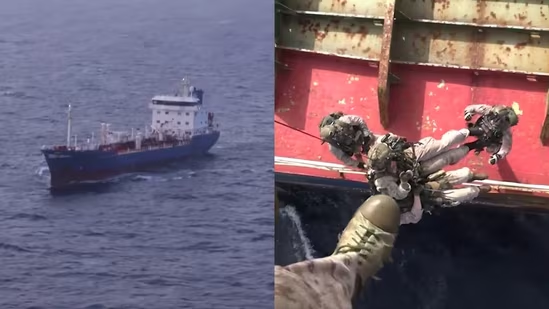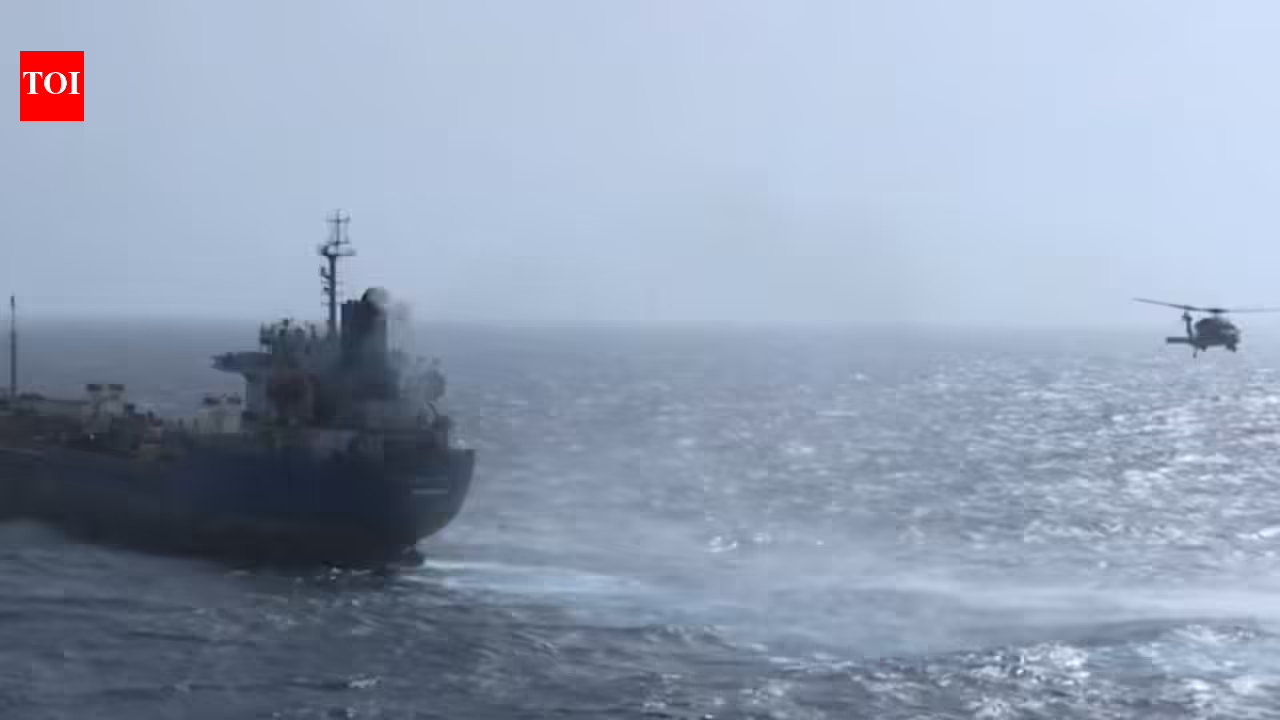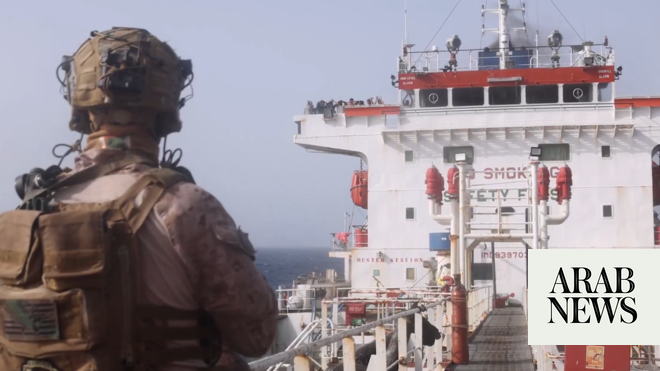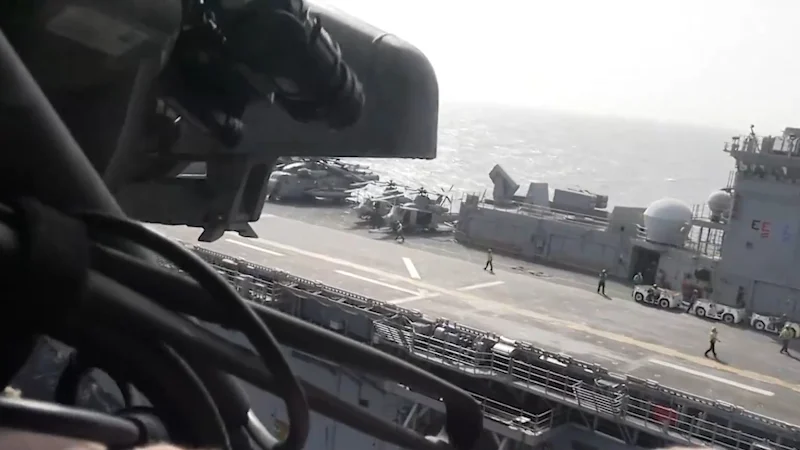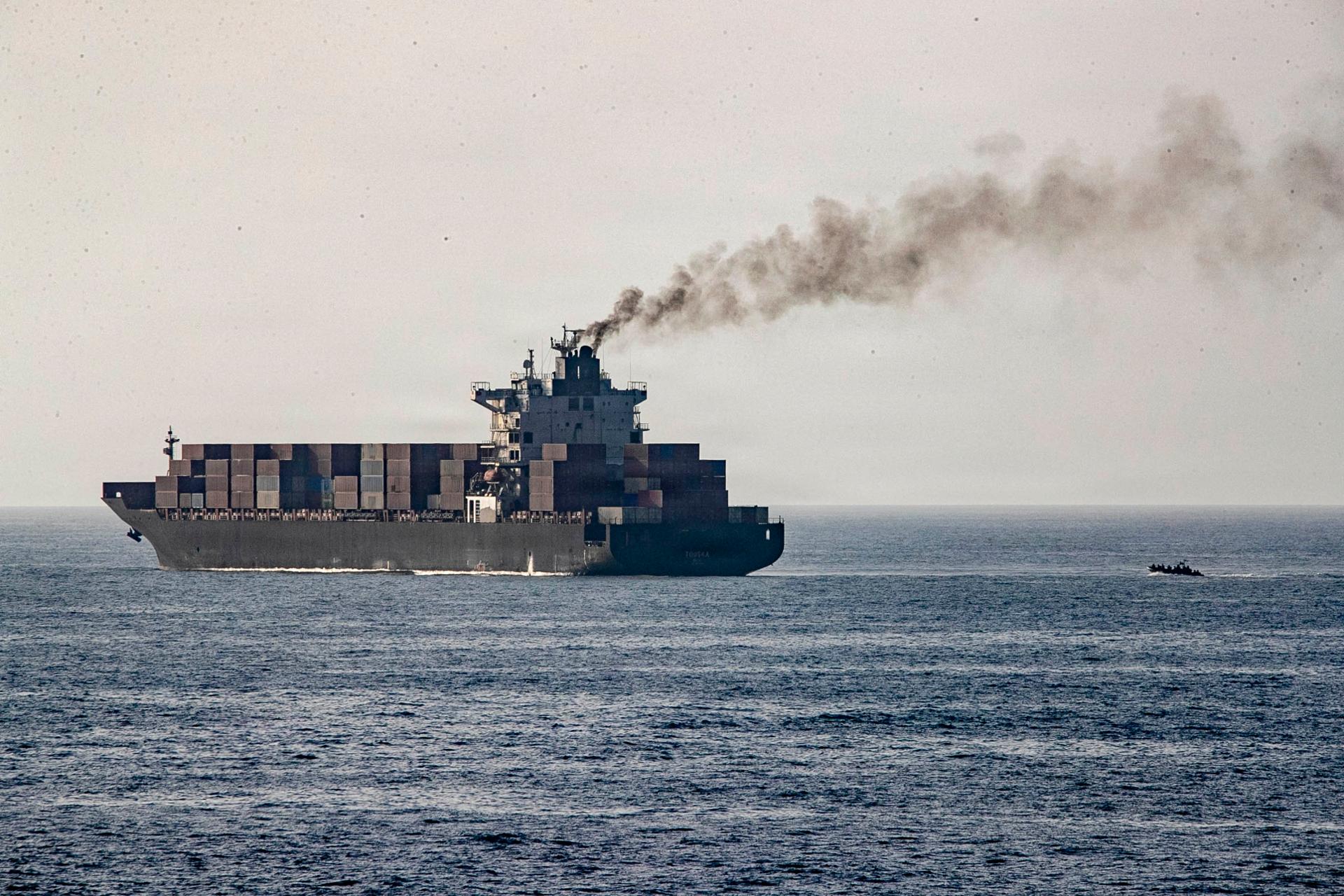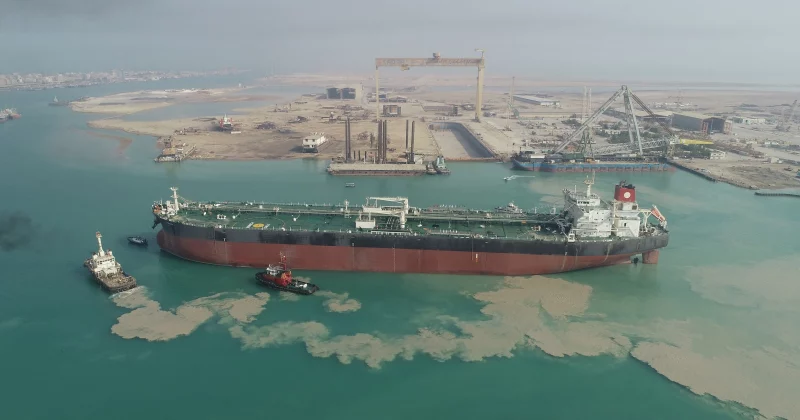
US Marines boarded an Iranian-flagged commercial oil tanker in the Gulf of Oman this week, suspecting the vessel of trying to breach the Trump administration’s blockade on Iranian ports. The ship, identified as the M/T Celestial Sea, was searched and then released after its crew was directed to change course away from Iran.
US Central Command confirmed the operation in a statement, noting that American forces “released the vessel after searching and directing the ship’s crew to alter course.” It was not an isolated event. CENTCOM also reported disabling a separate Iranian-flagged tanker, the M/T Hasna, on May 6, using 20mm cannon rounds to damage its rudder after it ignored repeated warnings.
A pattern, not an incident
Two Iranian-flagged tankers disabled or diverted in quick succession tells a clear story. The US is running coordinated enforcement operations in one of the world’s most strategically sensitive waterways, not just issuing warnings from the sidelines.
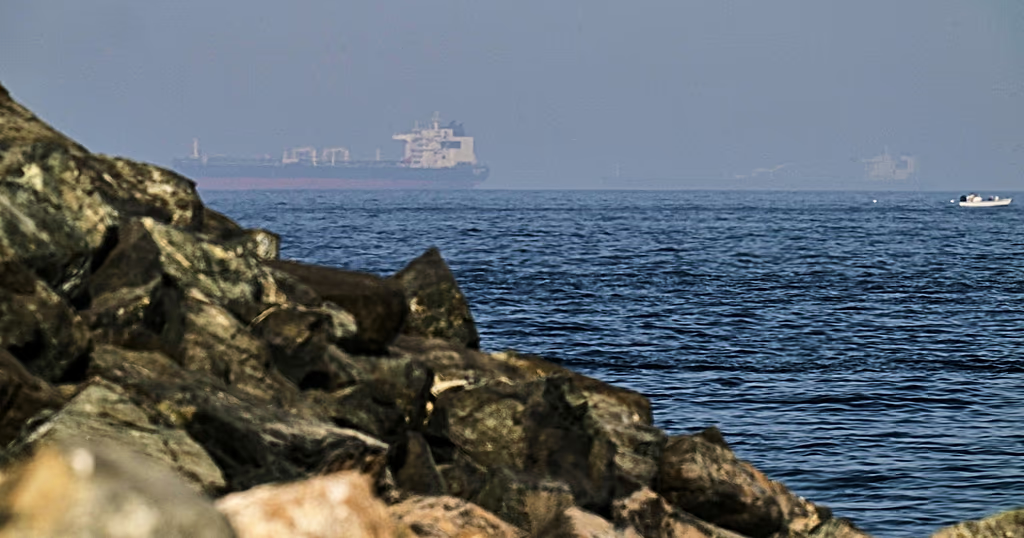
The Gulf of Oman sits at the mouth of the Strait of Hormuz, through which roughly a fifth of the world’s oil supply passes on any given day. When military activity picks up in this corridor, energy markets tend to notice immediately.