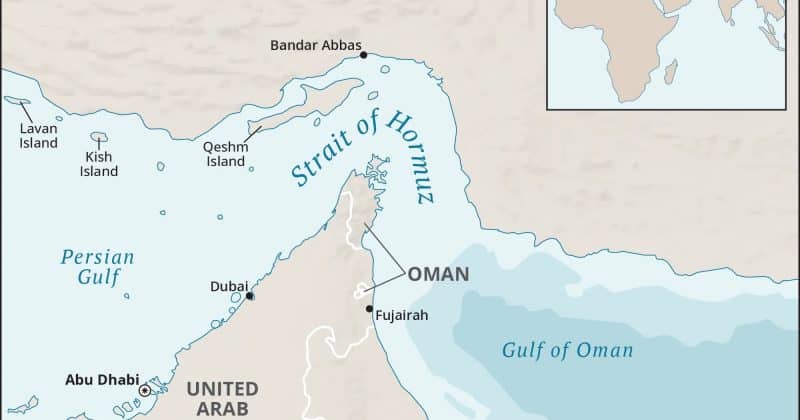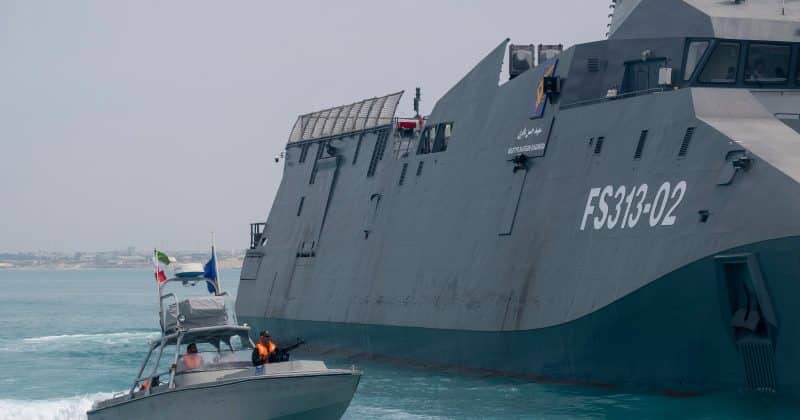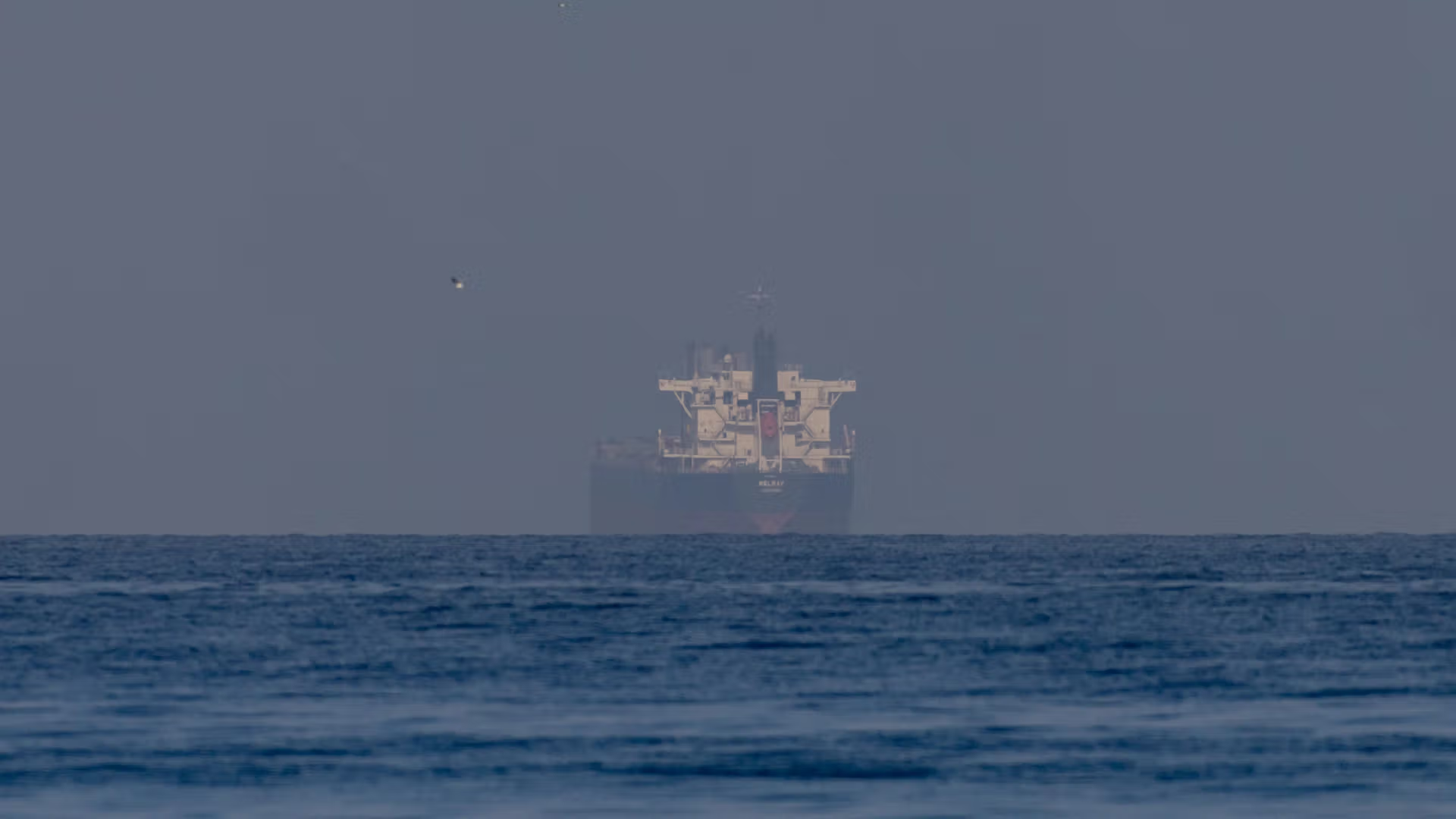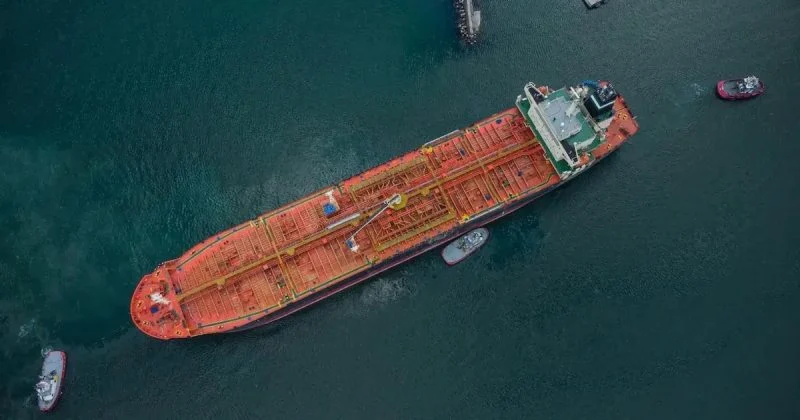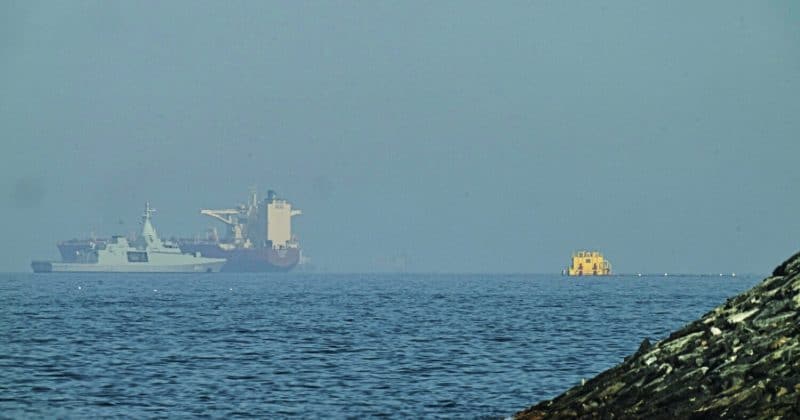
The Islamic Revolutionary Guard Corps attacked a containership in the Strait of Hormuz on April 22, 2026, damaging the vessel’s bridge in an unprovoked strike roughly 15 nautical miles northeast of Oman. The ship, which had already received transit permission, was hit by an IRGC gunboat without prior challenge.
That last detail matters. Transit permission offered no protection. For the hundreds of vessels that pass through the Strait of Hormuz daily, that’s a significant shift in the threat calculus.
A chokepoint on fire
The April 22 attack was not an isolated incident. It came during a stretch of escalating maritime confrontations in late April and early May 2026, with strikes also reported on the Mediterranean Shipping Company’s vessel Francesca and the Greek-owned Epaminondas. Combined with earlier incidents, the total count of maritime attacks tied to the ongoing conflict has surpassed two dozen.
Iran’s leverage over that bottleneck has taken a new form beyond gunboats. The country began mandating a $1-per-barrel Bitcoin toll for Hormuz transit, a mechanism designed to collect revenue while sidestepping US-led sanctions. According to reporting from the Wall Street Journal and others, actual payments under this scheme were made.