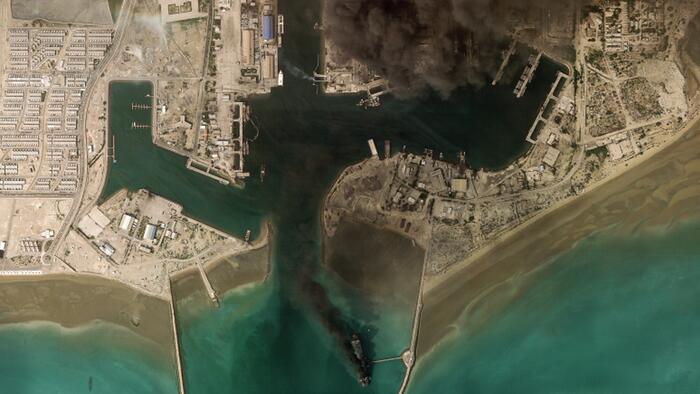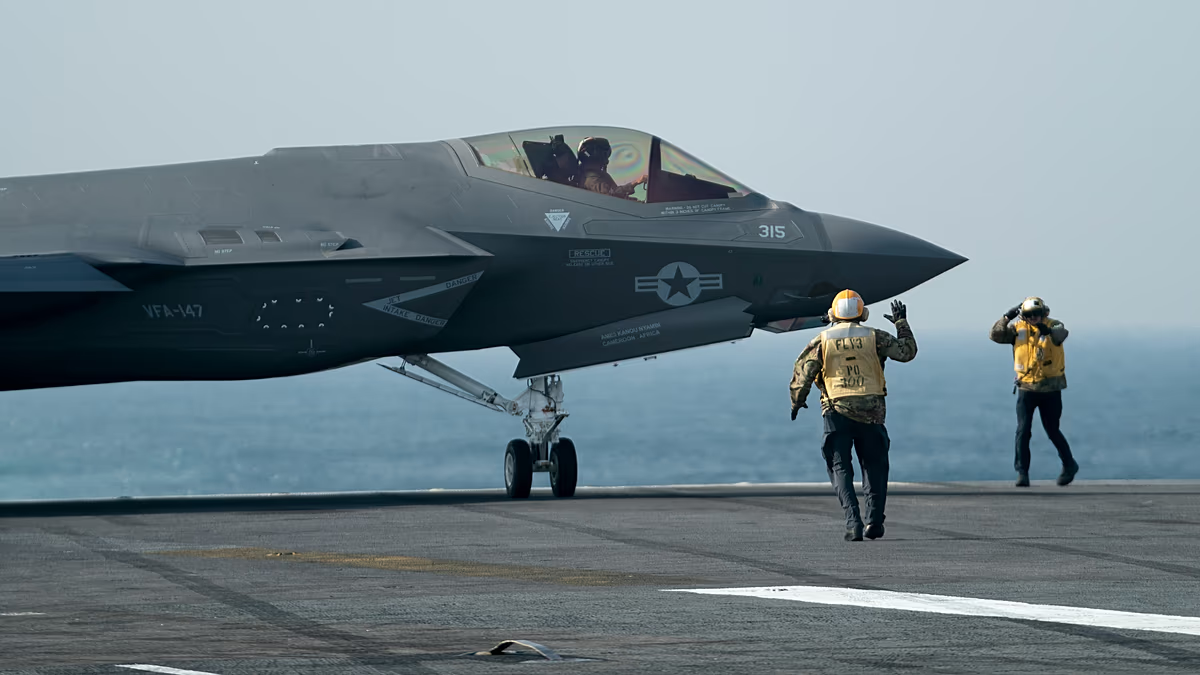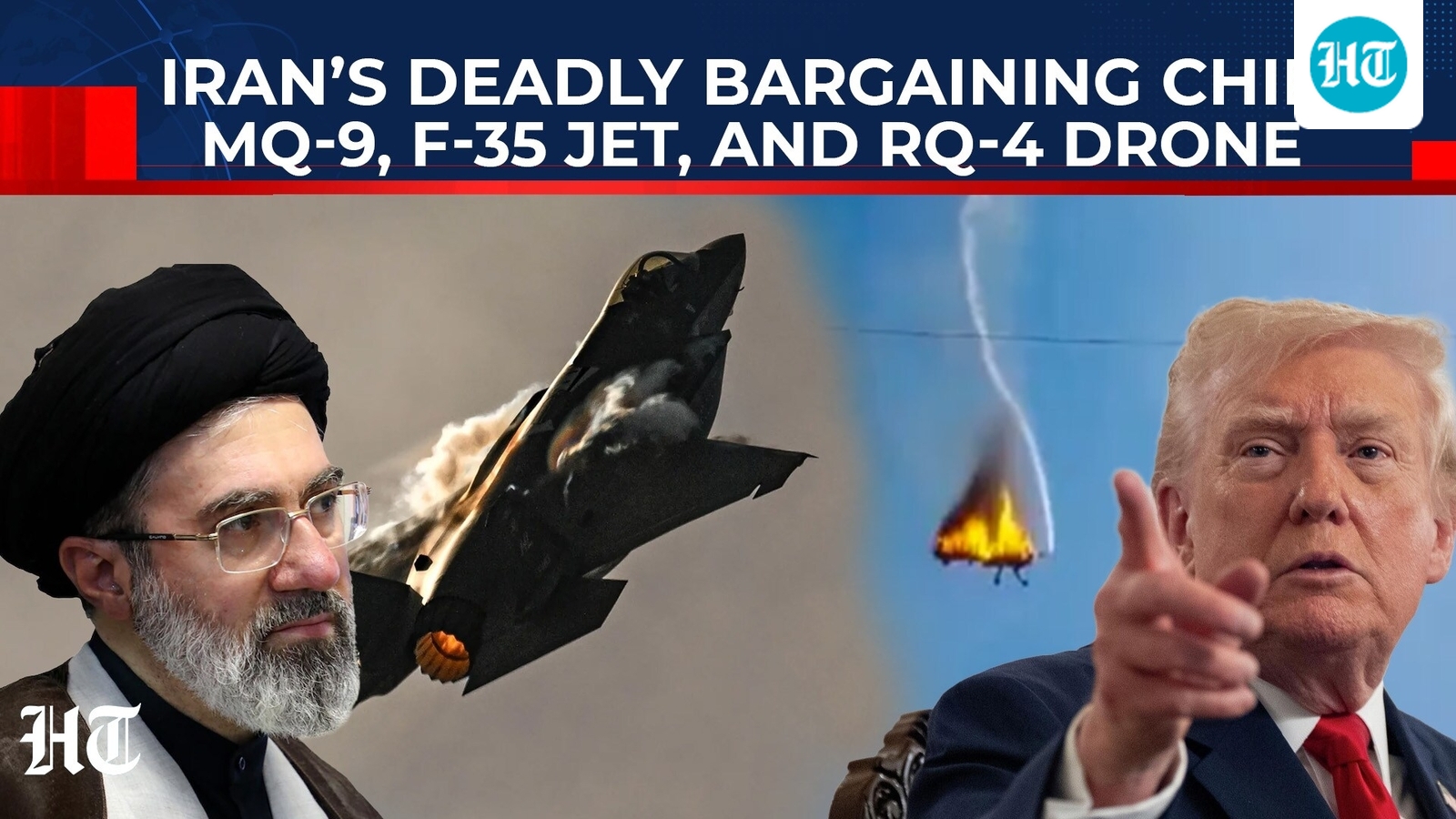
SummaryIRGC says its military shot down an MQ-9 drone and forced an F-35 jet out of Iranian airspace.Tehran formally accuses Washington of "ceasefire violation" while warning a final deal is not yet imminent, while Pentagon cites "self-defense" strikes in Hormuz overnight.Ayatollah Hajj message: US will "no longer have a safe haven for mischief & the establishment of military bases in the region."Teran is demanding "12 billion released now and 12 billion after MOU 30 days runs out to open Hormuz."Iran agrees to surrender enriched uranium stockpile by June 30, 2026?
Yes 24% · No 77%View full market & trade on Polymarket
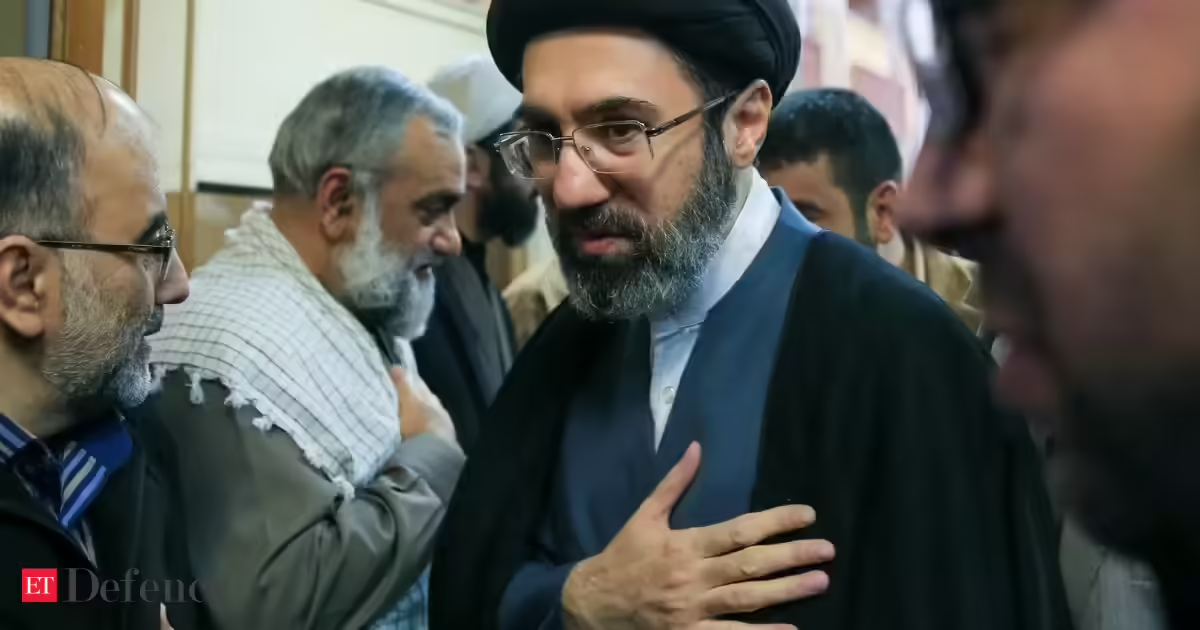
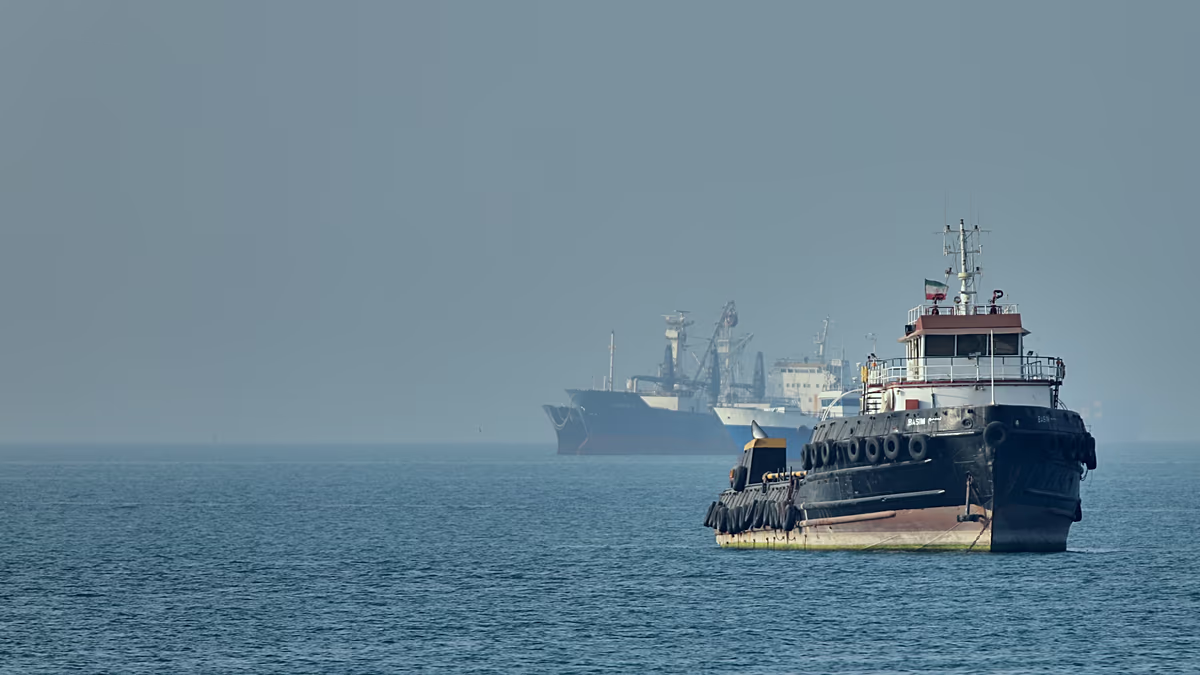
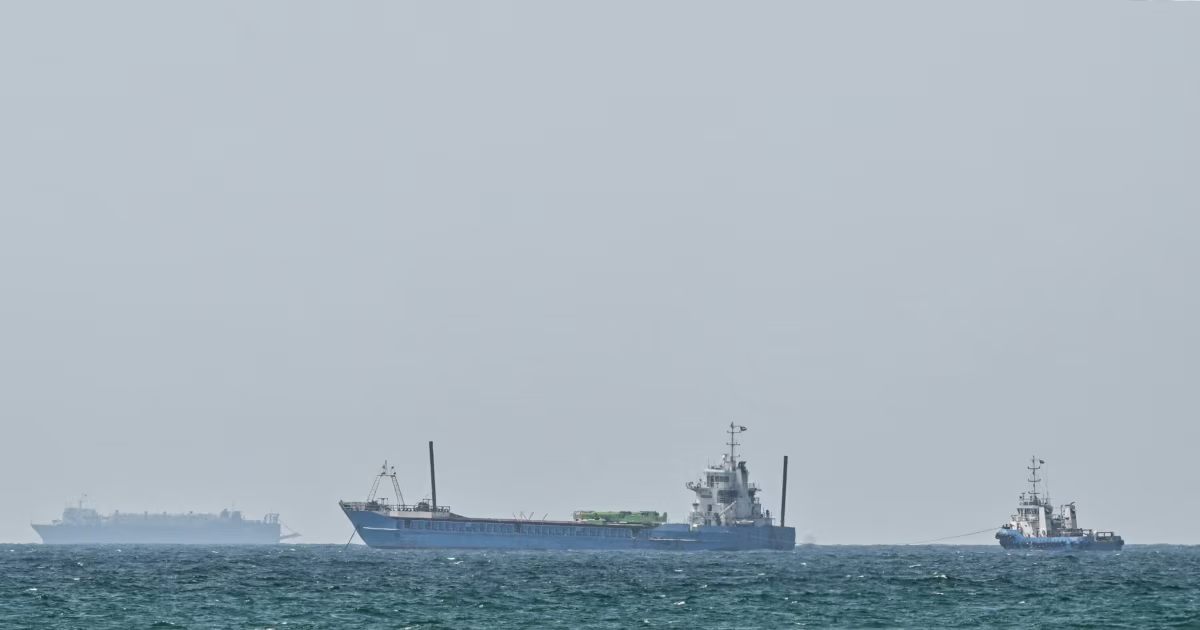
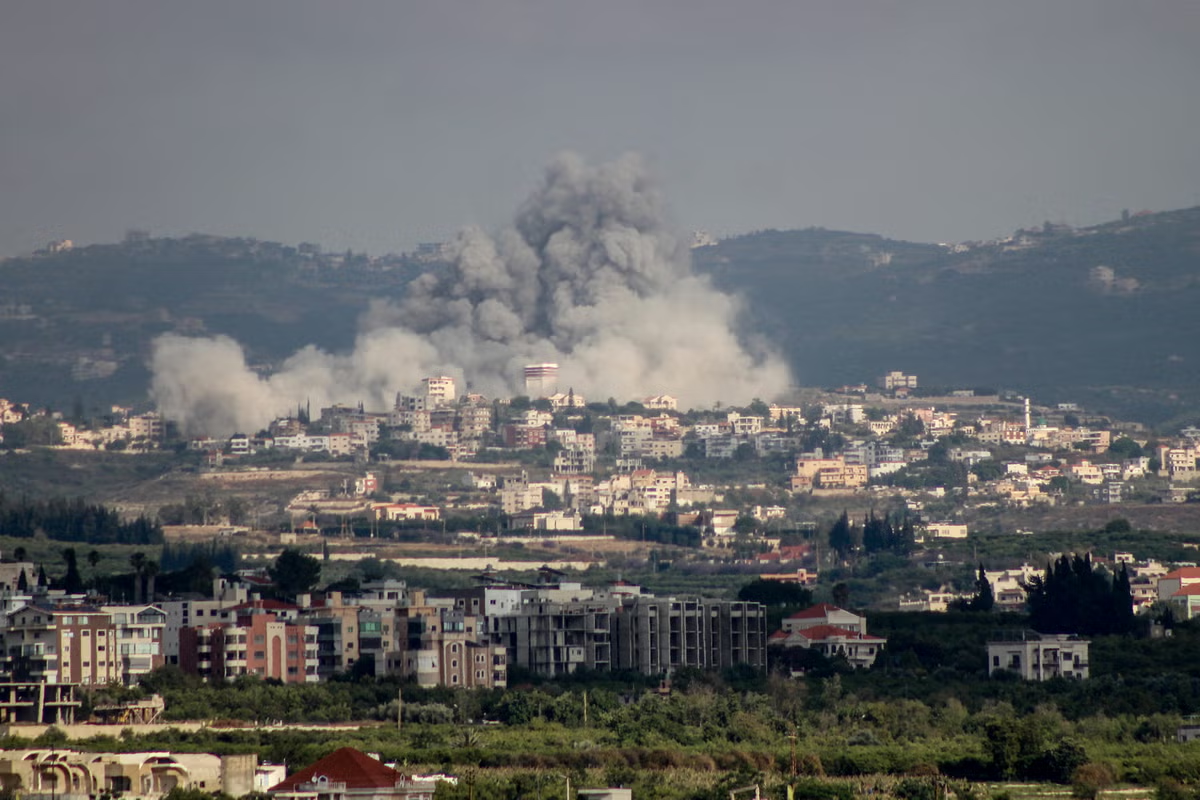
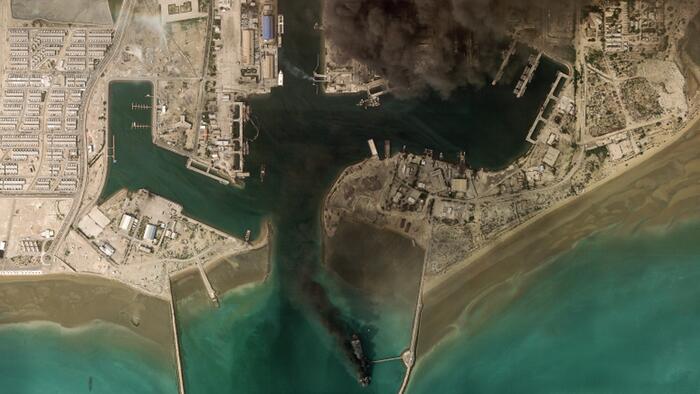
* * *F-35 Engagement, MQ-9 ShootdownWhile diplomats in Washington and Tehran exchange heavily caveated peace drafts and attempt a breakthrough, the actual conflict theater of the Persian Gulf is telling an entirely different story. The fragile reality of the current ceasefire is on full display, given that after late Monday's US-Israeli action against Iranian vessels at Bandar Abbas port, the IRGC says it opened fire on a US F-35 fighter jet and multiple unmanned aerial vehicles after they allegedly breached Iranian airspace. As part of the engagement, Iran says that it shot down a US MQ-9 drone (not for the first time of the war). The IRGC claims its air defense units successfully "shot down an MQ-9" Reaper drone during the encounter, while the remaining American "aircraft were forced to flee."This followed immediately on the heels of the United States saying carried out "self-defense" strikes in southern Iran overnight against various targets, including boats attempting to lay mines as well as even missile launch sites. "US forces conducted self-defense strikes in southern Iran today to protect our troops from threats posed by Iranian forces," US Central Command (CENTCOM) spokesperson Capt. Tim Hawkins said.Ceasefire ViolationTehran has warned that the the ceasefire with the US is in jeopardy, with the Foreign Ministry on Tuesday having condemned the latest US "attacks on vessels as a ceasefire violation".Iran's Foreign Ministry condemns "multiple instances of maritime piracy against Iranian commercial vessels" by the US in the Hormozgan region over the past 48 hours, according to statement. "Hormozgan is the Iranian province that incorporates Iranian ports and waters on the Strait of Hormuz," it said according to Bloomberg, citing state media, in reference to the province which has Bandar Abbas as its capital. Iran "will not leave any acts of wickedness unanswered and will not hesitate in the slightest to defend the sovereignty and territory of Iran," it said. Prior Planet Labs image of Destruction at Bandar-Abbas amid Operation Epic FurySome analysis of what may be behind this latest direct fire flare-up:"Given where the strikes actually targeted – this is right next to where Iran would want to exert control over the Strait of Hormuz," Puri told Al Jazeera. "One interpretation of these strikes … is that it is actually the US military demonstrating that Iran will not be able to mass forces exactly at the Strait of Hormuz itself if they want to institutionalize a toll collection and inspection regime and other things.""Both sides are signaling intent and capability and commitment during these negotiations, and they’re using actions as well as words. Sometimes they’re using actions in place of words," he added.Ayatollah's New Threat Against US BasesFollowing the engagement, an IRGC military spokesperson issued a blunt warning to Washington against future ceasefire violations, declaring that any new aggression against sovereign territory would be met with a "far more severe" response that would structurally extend "beyond the region."Supreme Leader Mojtaba Khamenei, who has been in hiding, released a fiery written address via his Telegram channel to mark the Islamic Hajj pilgrimage. In the message he put American bases scattered throughout neighboring Gulf nations on notice, declaring that the US will "no longer have a safe haven for mischief and the establishment of military bases in the region."Khamenei warned regional Arab capitals that playing host to the Pentagon carries with it certain risks. "The nations and lands of the region will no longer be a shield for American bases," Khamenei wrote in the message, even while extending an apparent olive branch of sorts immediate neighbors: "I sincerely and purely invite all Islamic countries and governments to friendship and cooperation."Meanwhile some latest from Rubio...JUST IN: Marco Rubio on Iran & The Strait of Hormuz: