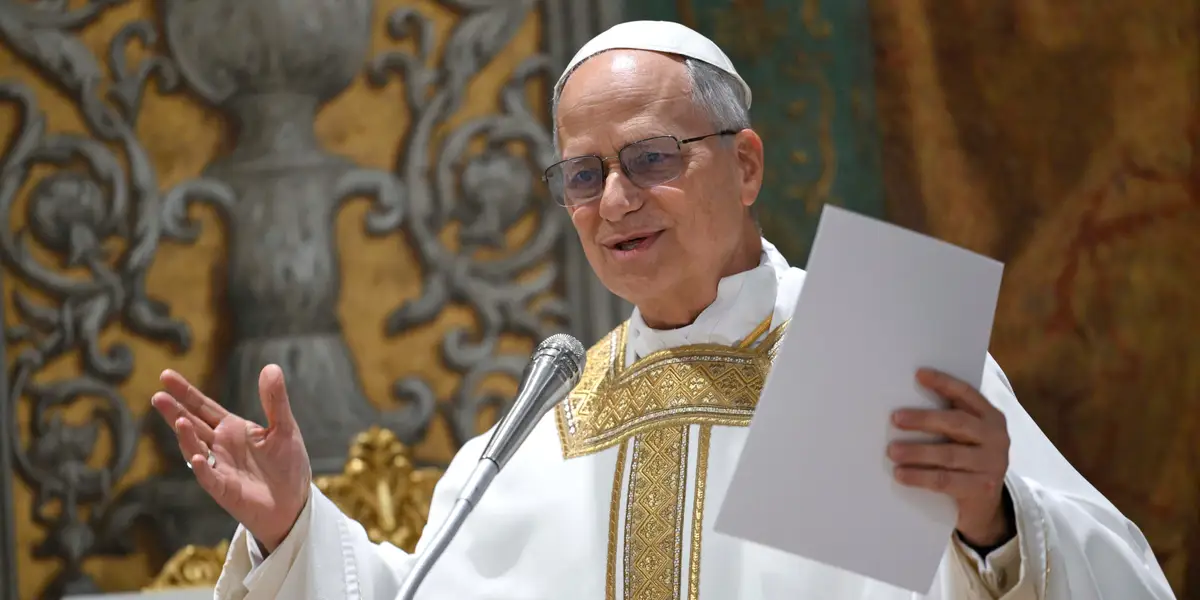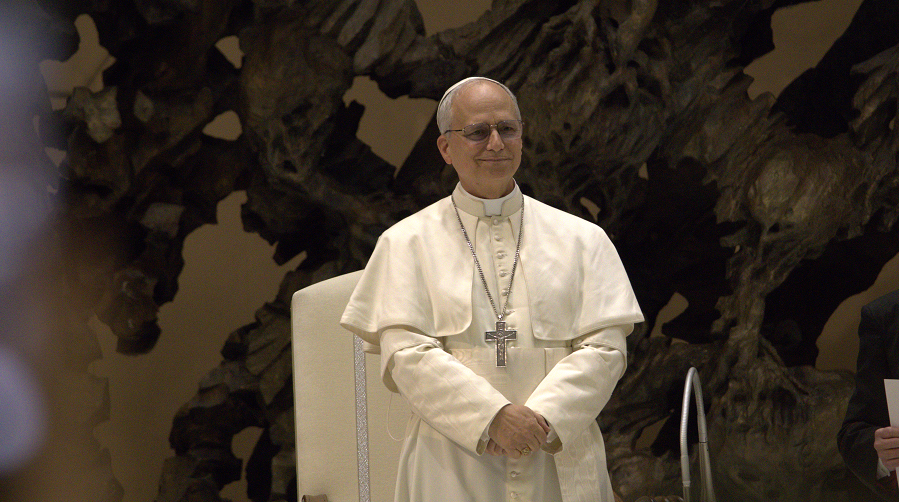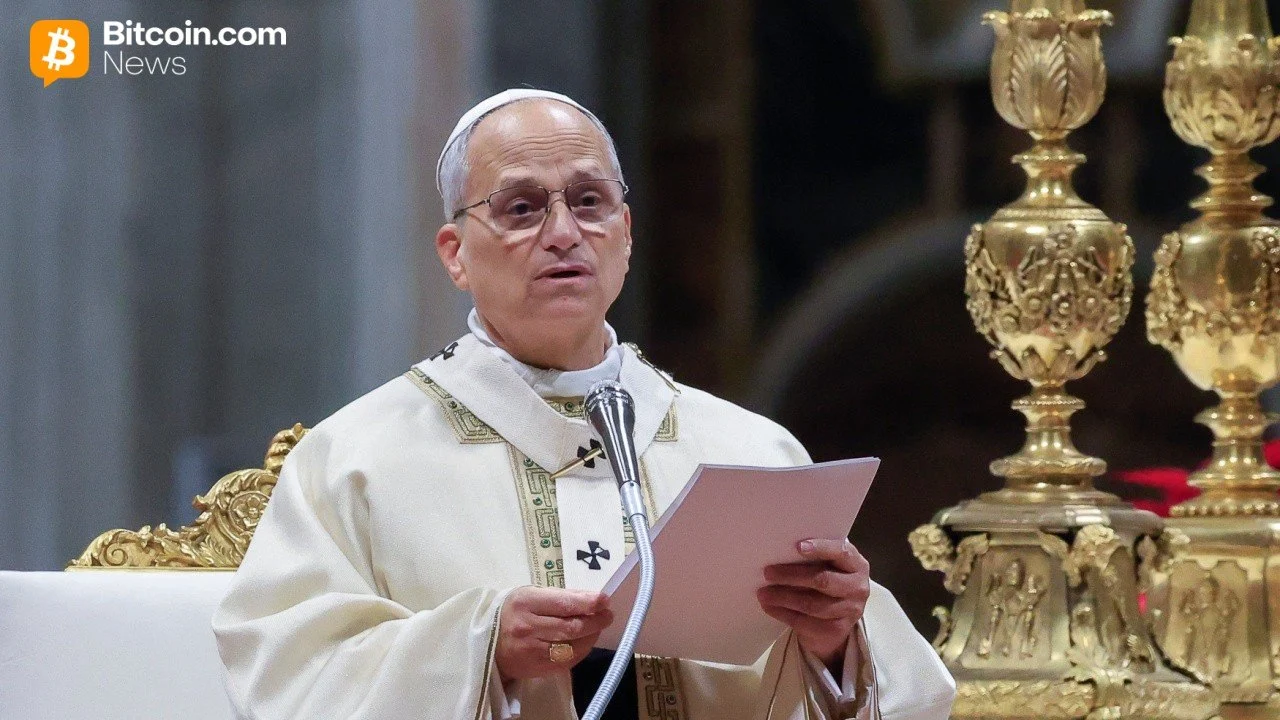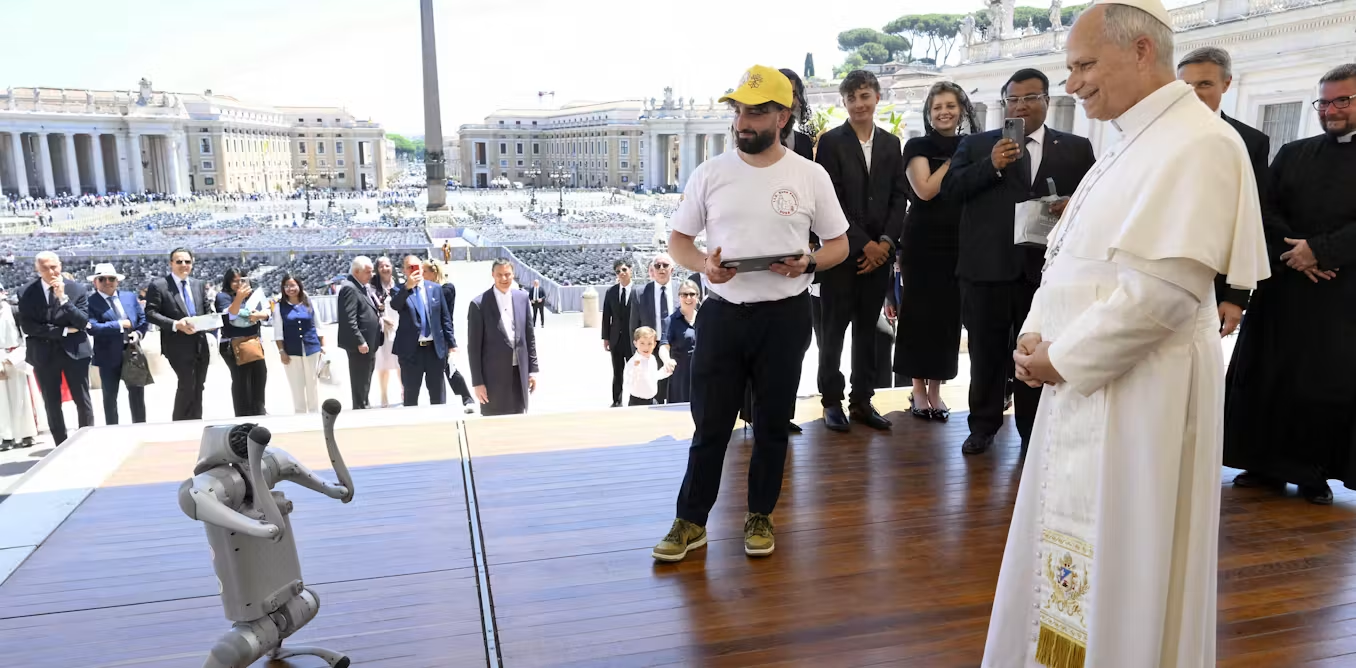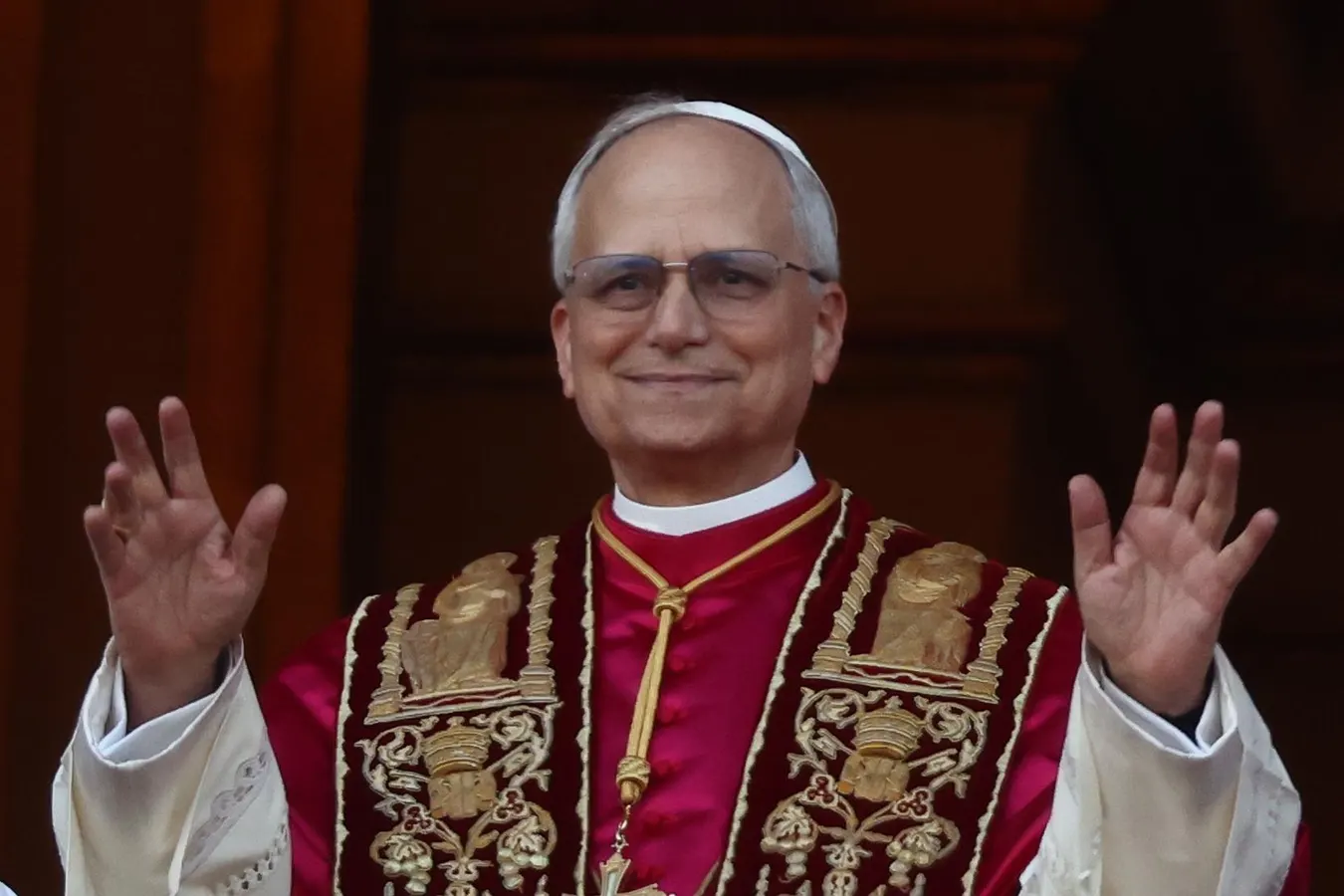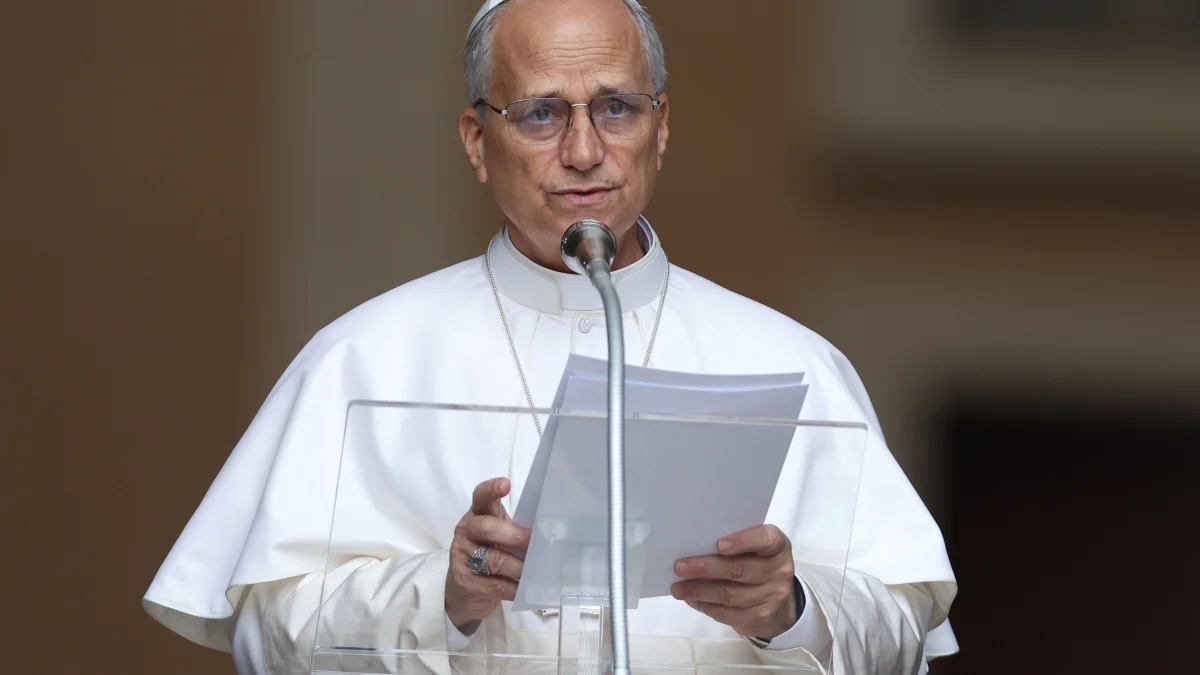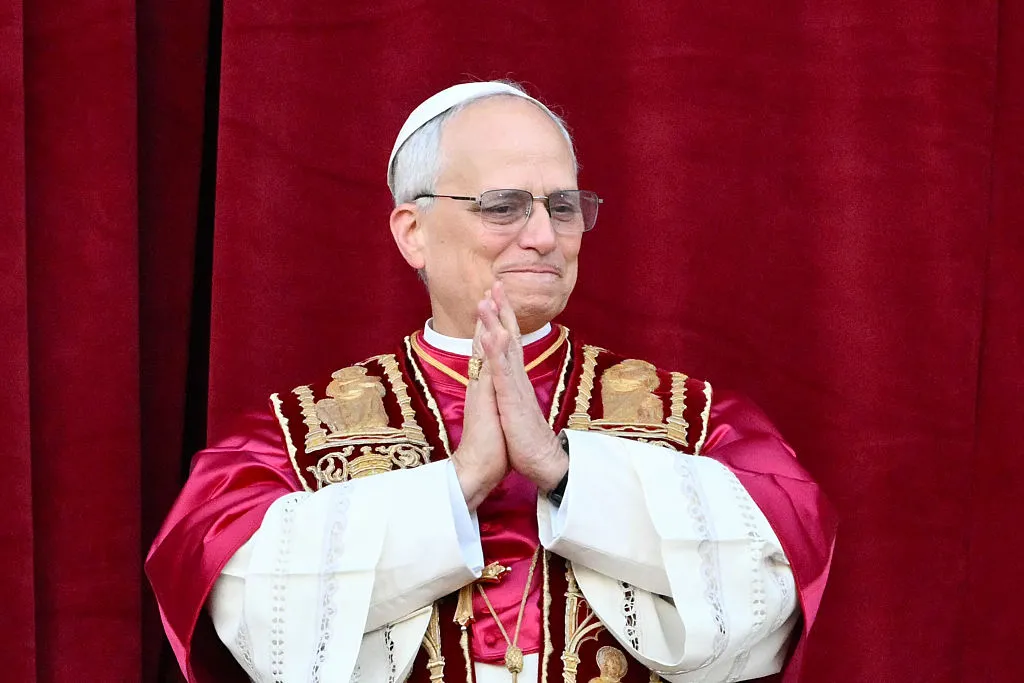
Pope Leo XIV has just passed the first great test of his pontificate. He has published a thoughtful encyclical on a controversial topic that (a) does not contain whole sections obviously farmed out to progressive lobbyists; (b) is not stuffed with semi-literate jargon; (c) does not display myopic hostility to capitalism; and (d) has been broadly welcomed by conservative Catholic commentators.
Or, to put it more simply, it could not have been published in the name of Pope Francis. (I’m wording that carefully: popes rarely write their own encyclicals, and cynics suggested that the Argentinian pontiff did not even bother to read his.)
He is frightened by the possibility of mass unemployment on a previously unimaginable scale, the development of ‘autonomous weapons systems’ and a futuristic vision of an ‘enhanced human being’
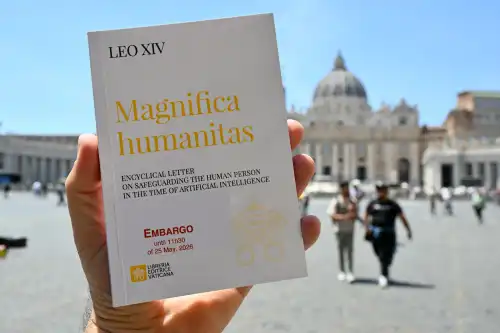
Magnifica Humanitas: On safeguarding the human person in the time of artificial Intelligence runs to 42,300 words, and if Leo did not write them all there is no doubt that he has scrutinised them carefully. Not since Paul VI’s Ecclesiam Suam in 1964 has a pope waited more than a year before issuing his first teaching document. The delay reflects not only Pope Leo’s natural meticulousness but also the intimidating nature of his central question: how should the Church respond to the disorientating challenge of AI?