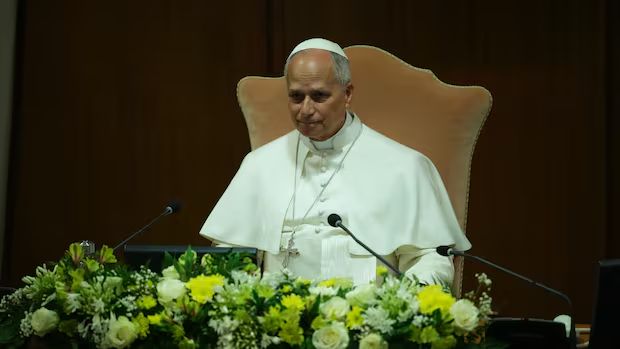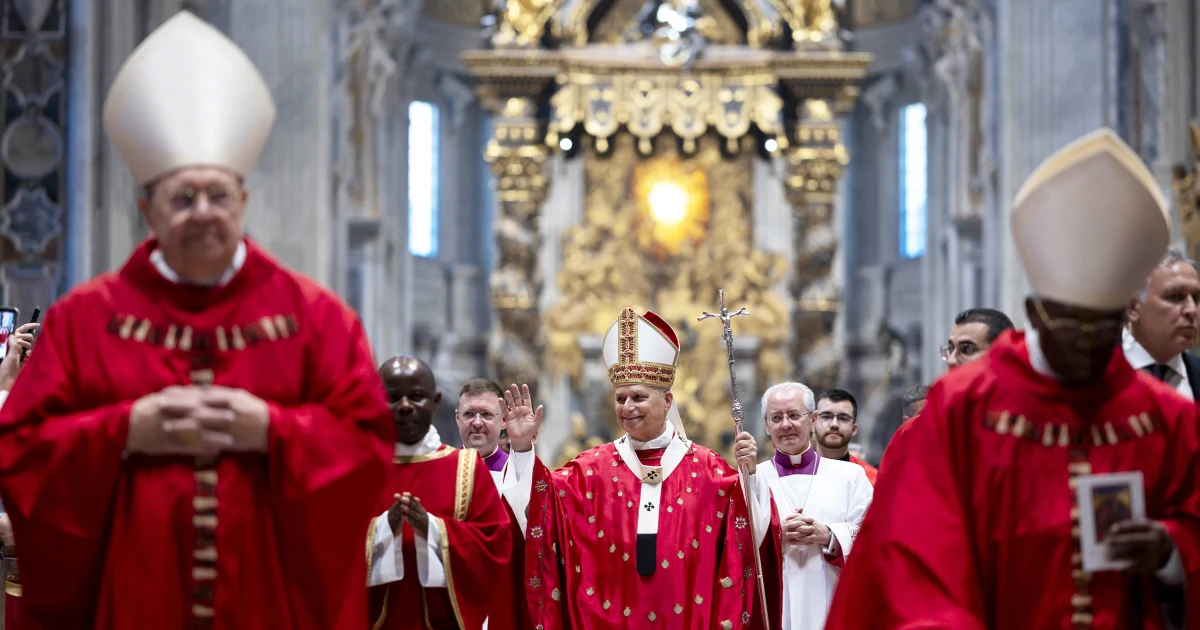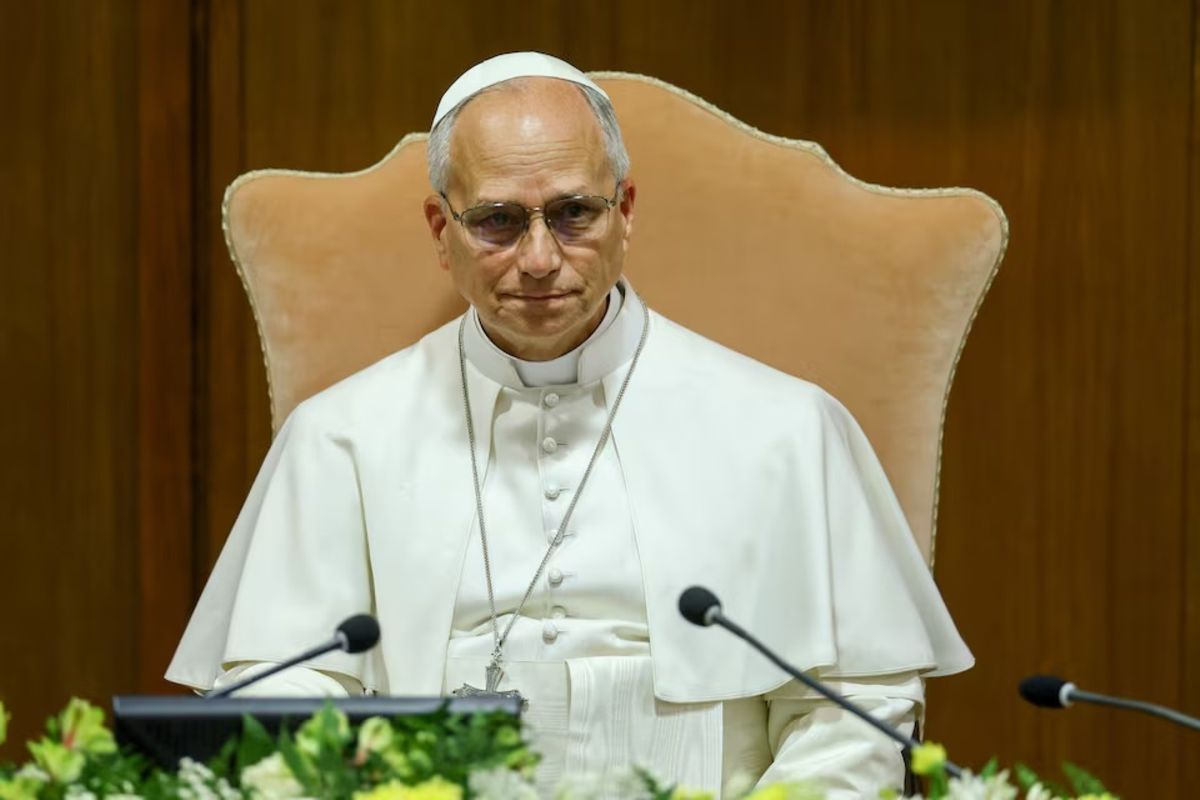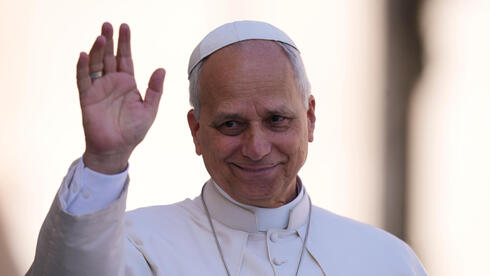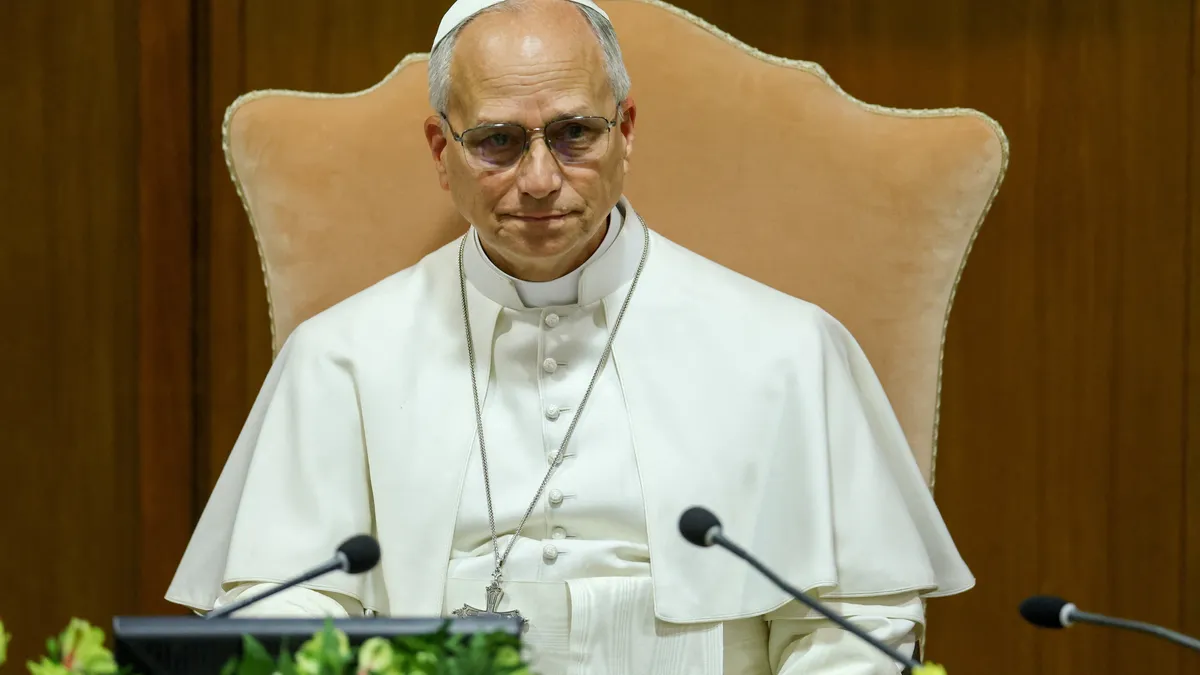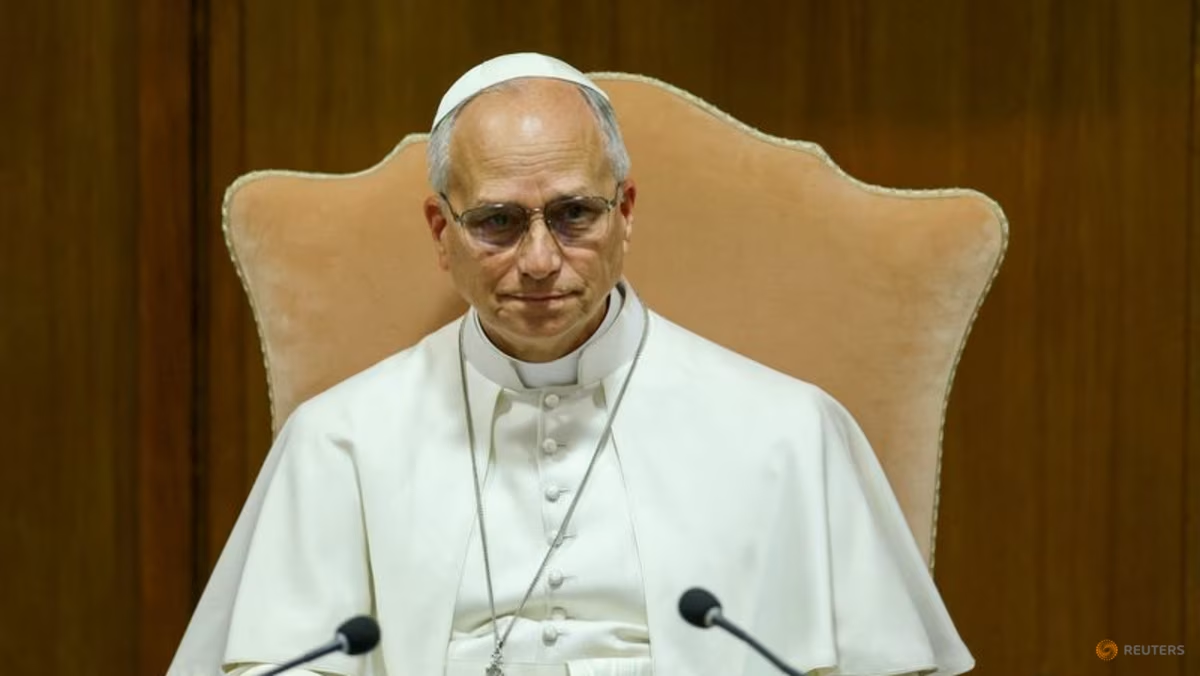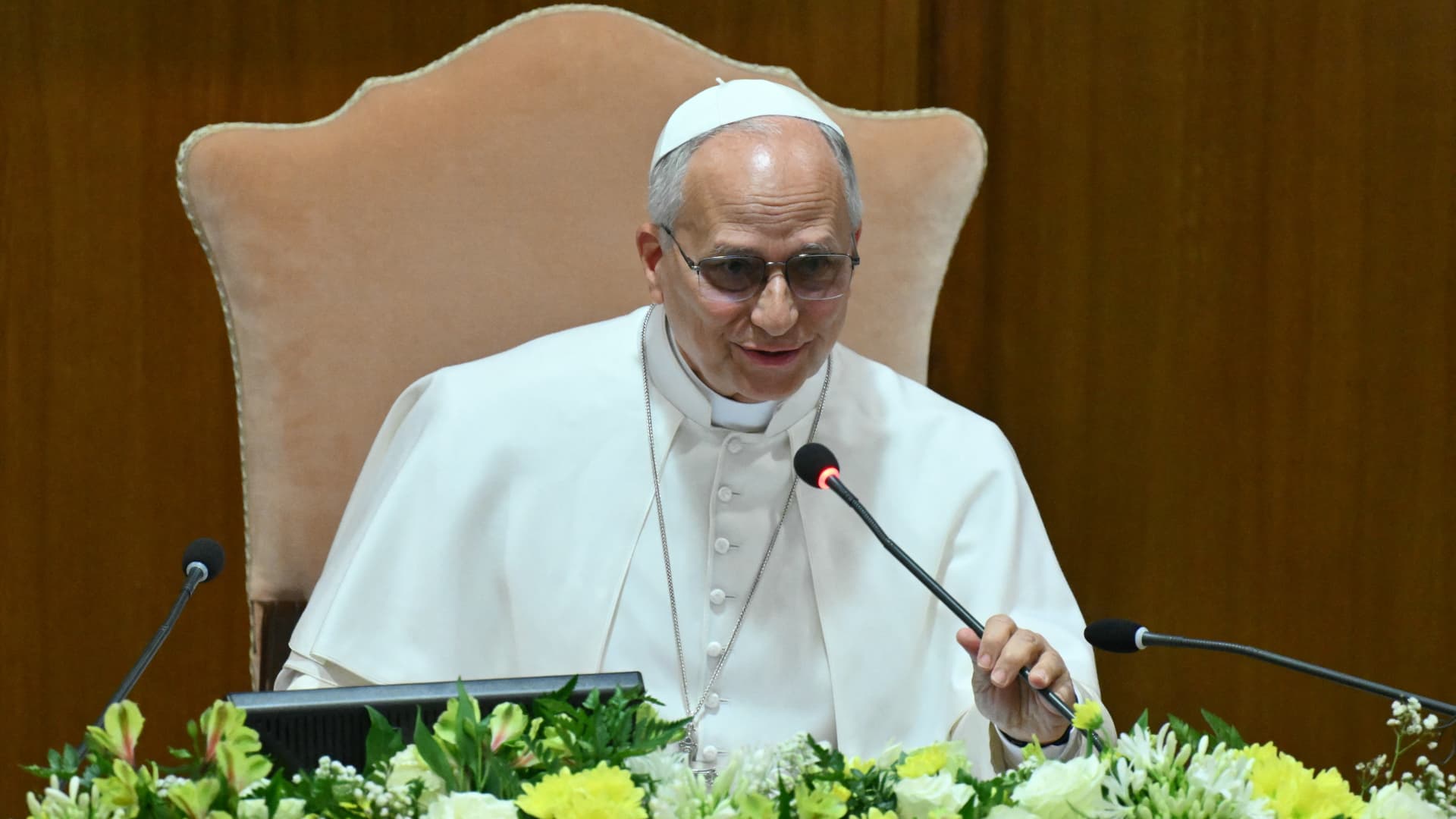
Pope Leo has urged governments to slow down the development of artificial intelligence in his first major document on the technology. He warned that AI systems spread misinformation, prioritise conflict and risk leading the world down a path of unending war.
In a lengthy text, known as an encyclical. Pope Leo called for ownership of AI data not to be left solely in private hands, for developers and policy-makers not to use it for war, and to protect the rights of workers and keep children safe. "What is needed is a more active political involvement that is capable of slowing things down when everything is accelerating," Leo wrote in the text entitled "Magnifica Humanitas" (Magnificent Humanity), urging the cooling of competition between AI companies and more oversight and legal frameworks regulating the technology. Impact of the encyclical The release of “Magnifica Humanitas” follows several years of study by the Church of AI-related technologies. Leo’s predecessor Pope Francis spoke extensively on the subject, calling for AI to be regulated and warning that it could exacerbate inequalities. The encyclical "is a text that speaks to believers and non-believers alike, as it restores the technological debate to its fundamental direction," said Antonio Spadaro, Under-Secretary of the Vatican's Dicastery for Culture and Education. "Not what the machine can do, but what we humans must remain." "The voice of the Church is very much sought after in the world of technology," Éric Salobir, a French Catholic priest who has specialised in new technology, told RFI. "Its experience with ethical questions, the equal footing confrontation between tech and the humanities, and then the Church is also the voice of the most vulnerable, the voice of the Global South, the voice of users who are not heard in Silicon Valley or in the tech world." Much like like Pope Francis’s 2015 “Laudato Si” climate manifesto, which sparked political and civic reactions, "Magnifica Humanitas" could become a key point in the debate over AI. No new ‘Tower of Babel’ Invoking the biblical story of the Tower of Babel, where a human tribe is driven by pride to try to create a tower tall enough to reach Heaven, angering God, the pope in the document said the story shows the risk of any enterprise that "aspires to reach heaven without God's blessing." Creation must remain ‘fundamentally human’, says expert ahead of Paris AI summit "With the heart of a shepherd and a father, I ask everyone to abandon the construction of yet another Tower of Babel and to join forces in building up the common good," he said. Leo repeatedly blasted the concentration of power and data in the hands of so few people in the private sector. “It is not enough to invoke ethics in the abstract; robust legal frameworks, independent oversight, informed users and a political system that does not abdicate its responsibility are required,” he wrote. “A more moral AI is not enough if that morality is determined by a few.” He urged AI developers and political leaders to use ethical and spiritual guidelines to make the choice to work not for their own profit or power, but the betterment of humanity. No AI for war The document, addressed AI as its main theme, but also decried the number of wars roiling the world, lamented the weakening of multilateral organisations and warned that arms industry profits were a driving force behind conflicts. "Humanity is slipping into a violent culture of power, where peace no longer appears as a responsibility to be taken on, but as a fragile interval between conflicts," he said. Leo has denounced the race for AI in warfare, and he wrote that it "must be subject to the most rigorous ethical constraints" and called it "not permissible" to entrust AI systems with lethal decisions. This comes as the AI company Anthropic is in a legal battle with the US military after refusing to change its internal policy prohibiting the use of its Claude model for lethal autonomous warfare or mass surveillance. Pope Leo XIV appeals for no more war in first Sunday blessing No ‘just war’ In the encyclical he made one of the clearest statements yet from a pope repudiating the just war theory, a doctrine the Church has used since at least the fifth century to evaluate global conflicts. The doctrine, which generally says that wars should only be waged in order to defend against aggression, has also been invoked by Trump administration officials, including Vice President JD Vance, a Catholic, to defend the Iran war. "The 'just war' theory which has all too often been used to justify any kind of war, is now outdated," wrote Leo. "The use of force, violence and weapons reflects a relational poverty that always has disastrous consequences for civilian populations." Apology for slavery Leo cited centuries of prior papal teachings on social justice issues before addressing the ethics of AI systems. He specifically invoked his predecessor Leo XIII, who published an encyclical in 1891 that called for better pay and conditions for labourers during the Industrial Revolution. In his encyclical, the current pope decried what he called "new forms of slavery" imposed on people tending AI systems and factory workers who produce the computers and smartphones that make the technology possible. "In some regions of the world, children and adolescents work in dangerous conditions, crushing the materials from which rare earth elements are extracted," wrote the pope. "This reality deeply challenges the moral conscience of our time." The pope also acknowledged that the Catholic Church did not forcefully condemn transatlantic slavery until the 19th century, which he called “a wound in Christian memory". "For this, in the name of the Church, I sincerely ask for pardon,” he wrote. (with newswires)