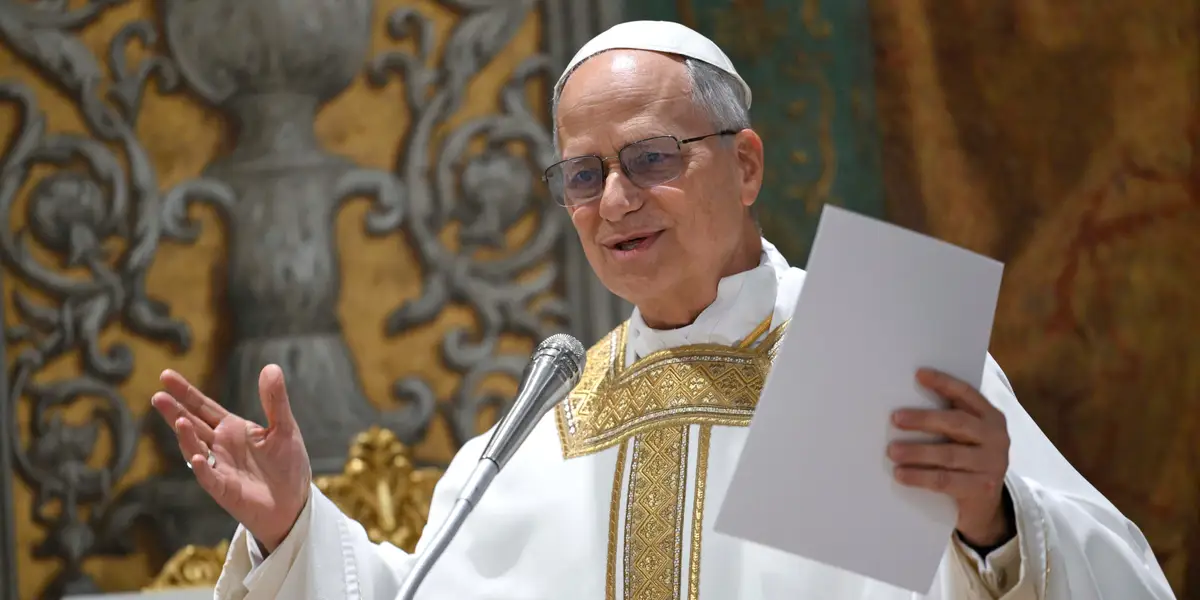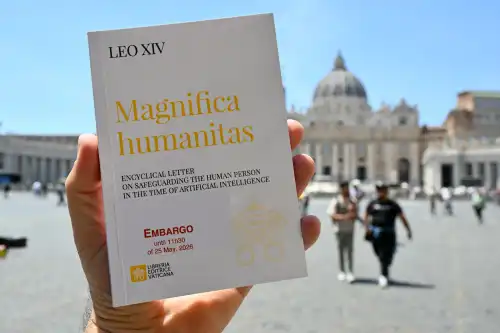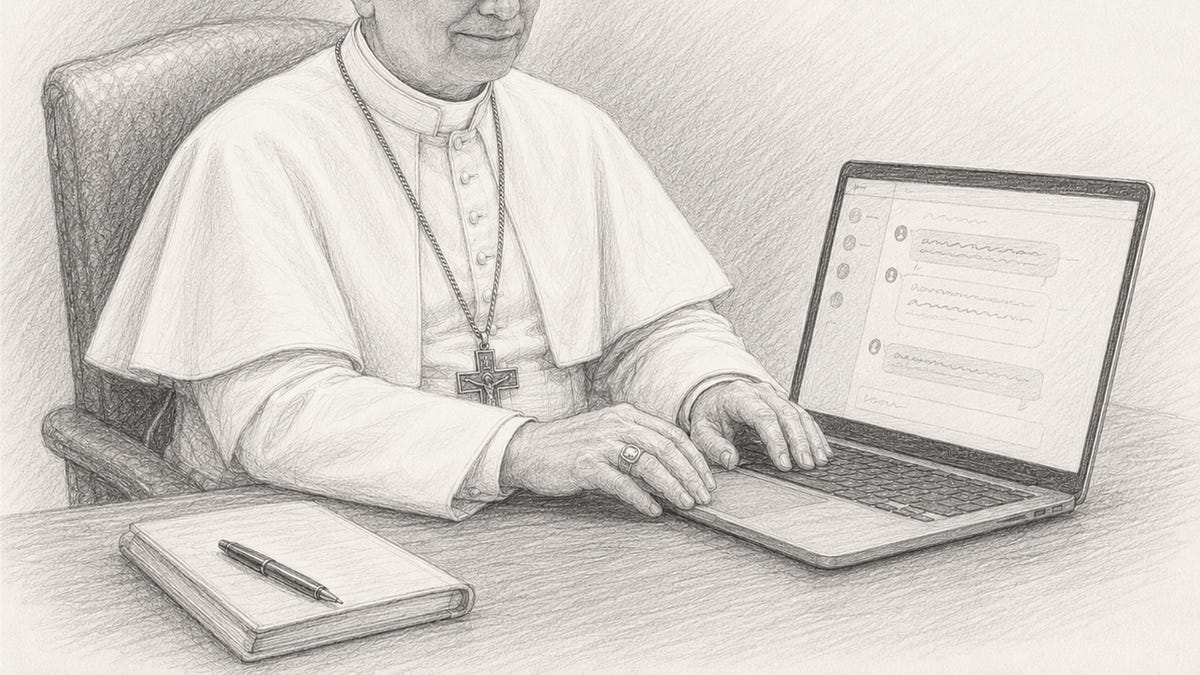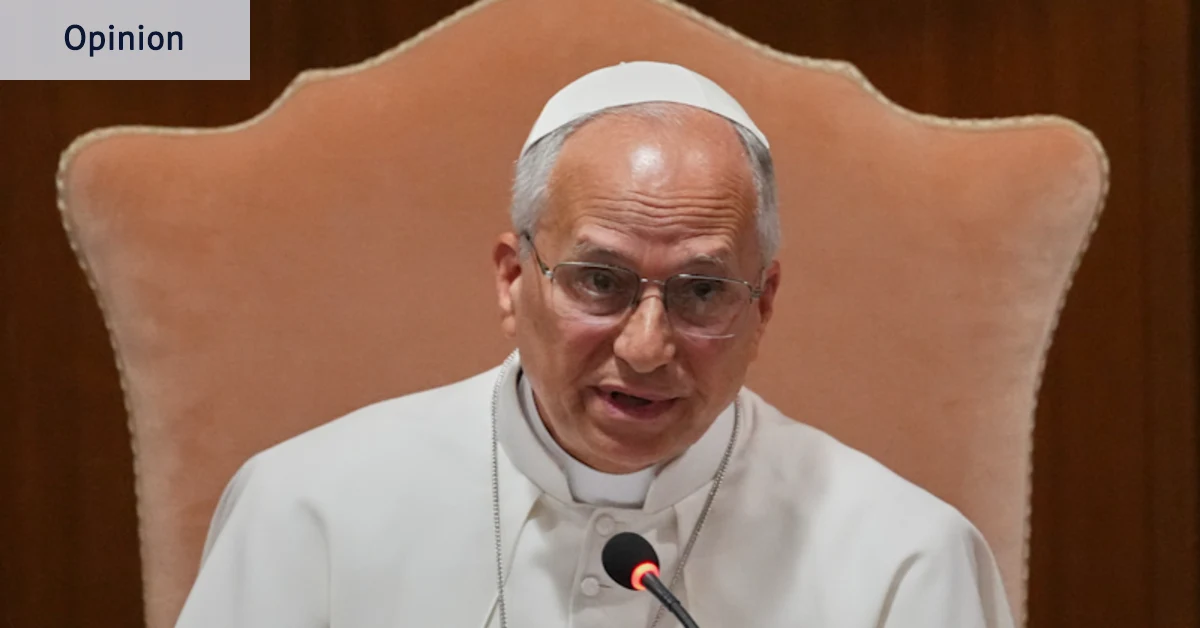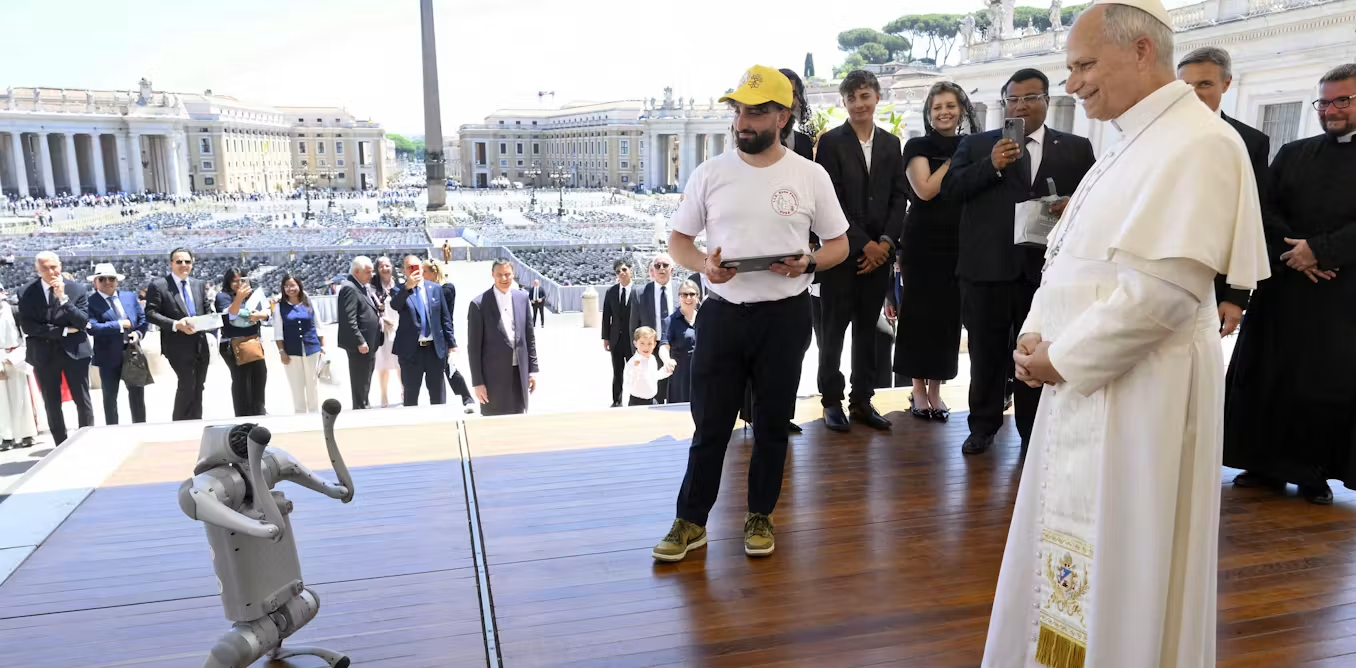
For the last few years, I’ve been seconded to assist the Catholic Church’s unprecedented global grassroots listening initiative. Just as that process drew to a close, I received a surprise request: would I help Pope Leo XIV launch his first social encyclical, focused on what it means to be human in a time of artificial intelligence?
It is difficult to think of a more important theme right now than the impact of digital technologies, AI and robotics – on every level of our social interactions and structures.
The Vatican has addressed technological questions before. My research includes the social teaching of popes since 1891, starting with Pope Leo XIII’s influential text “Rerum Novarum”, which addressed the impact of the industrial revolution on working people (and which this new text commemorates). A range of previous letters have addressed both the opportunities and dangers of technology.
Of course, the Vatican does have a chequered history with regard to theological reflection on scientific and medical developments. Over the past decade, it has been pursuing focused and, in my view, productive conversations with the AI tech sector through initiatives such as the Minerva Dialogues – a series of closed-door conferences with leading figures from both worlds. In this sense, the concern with AI does not spring from nowhere.