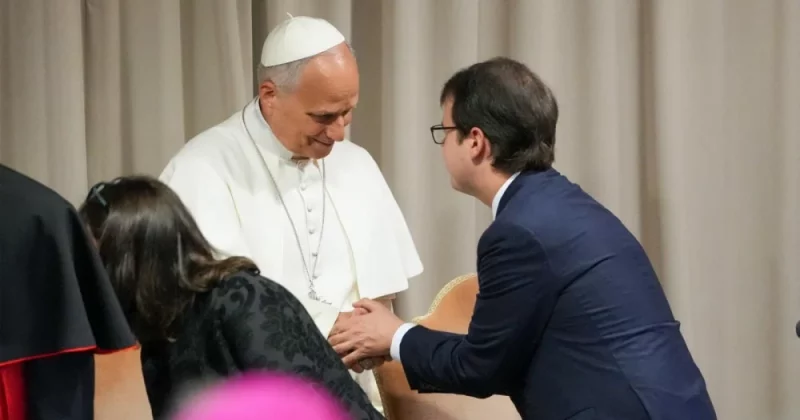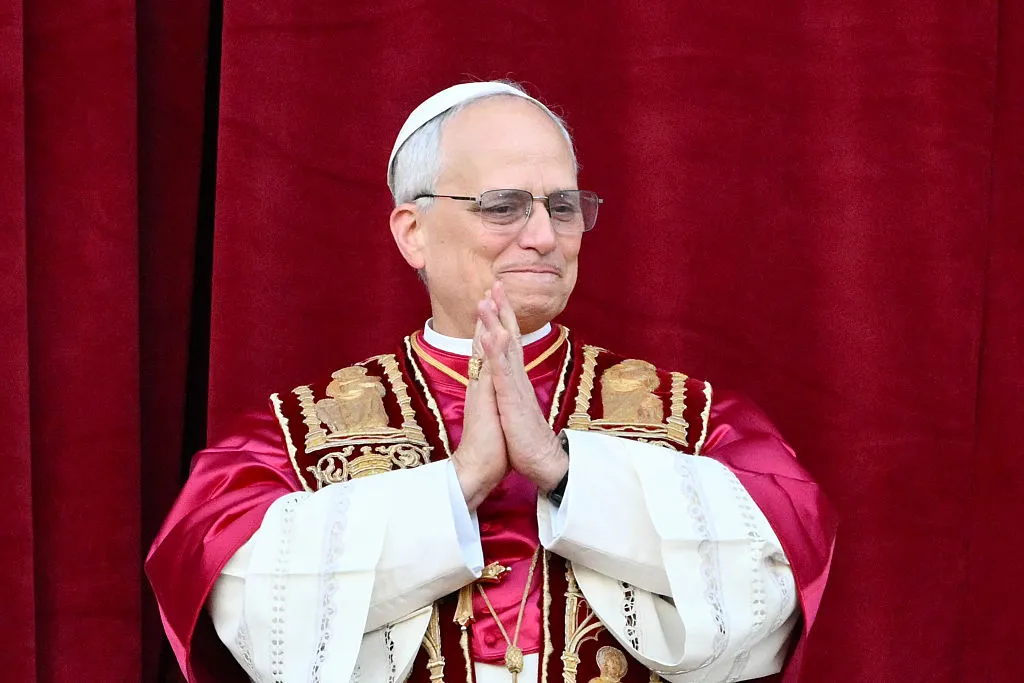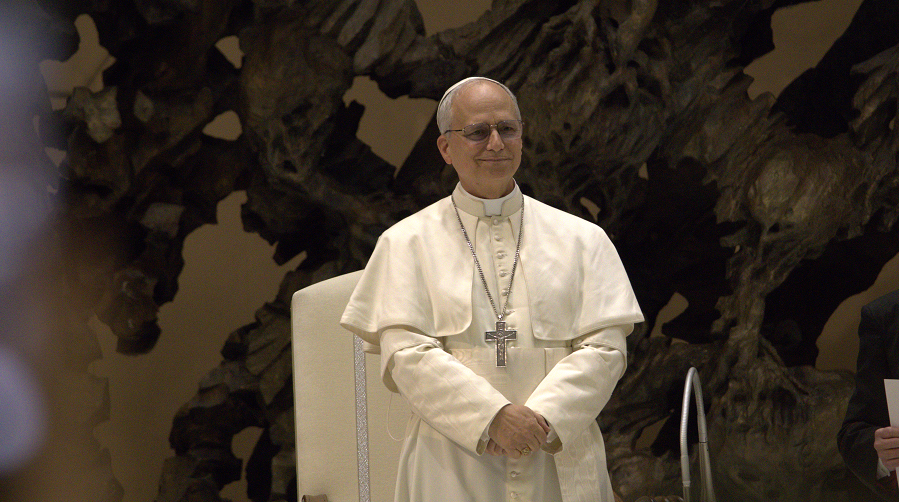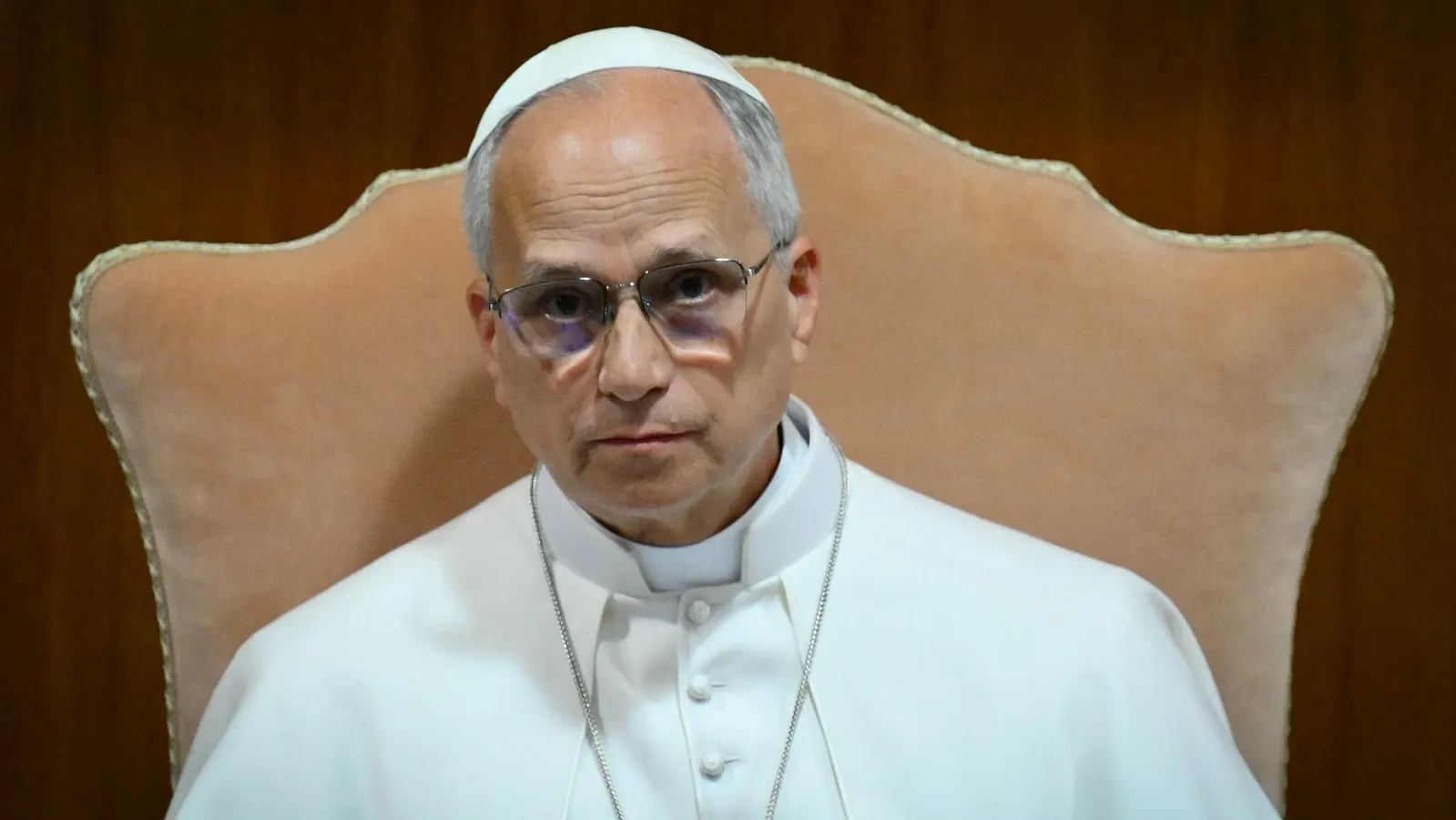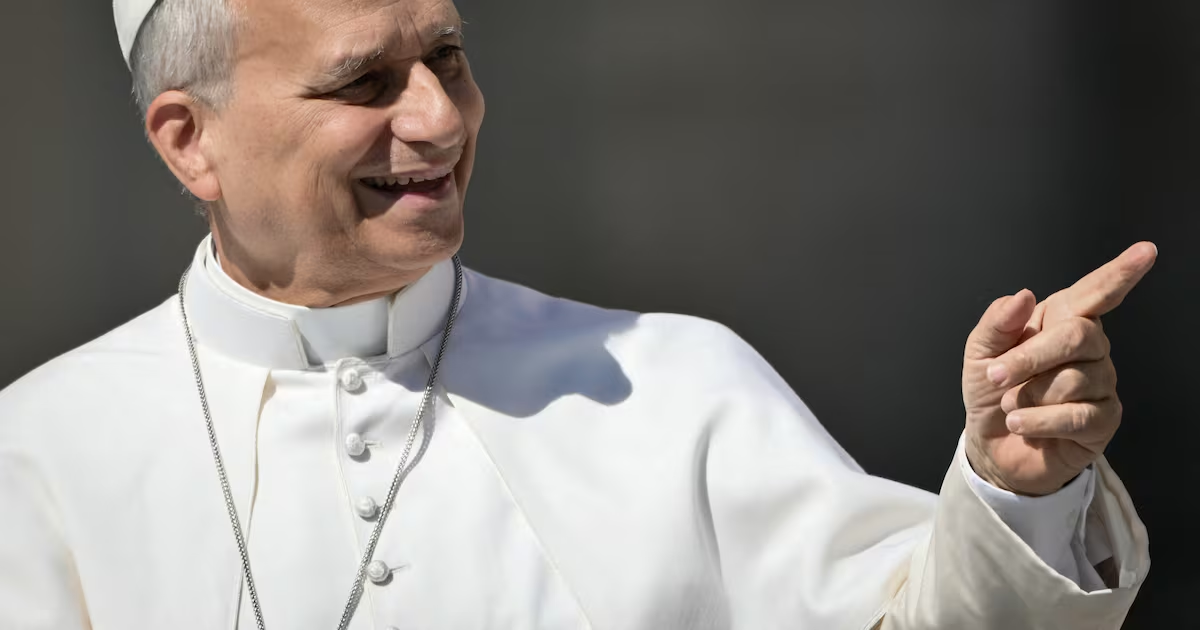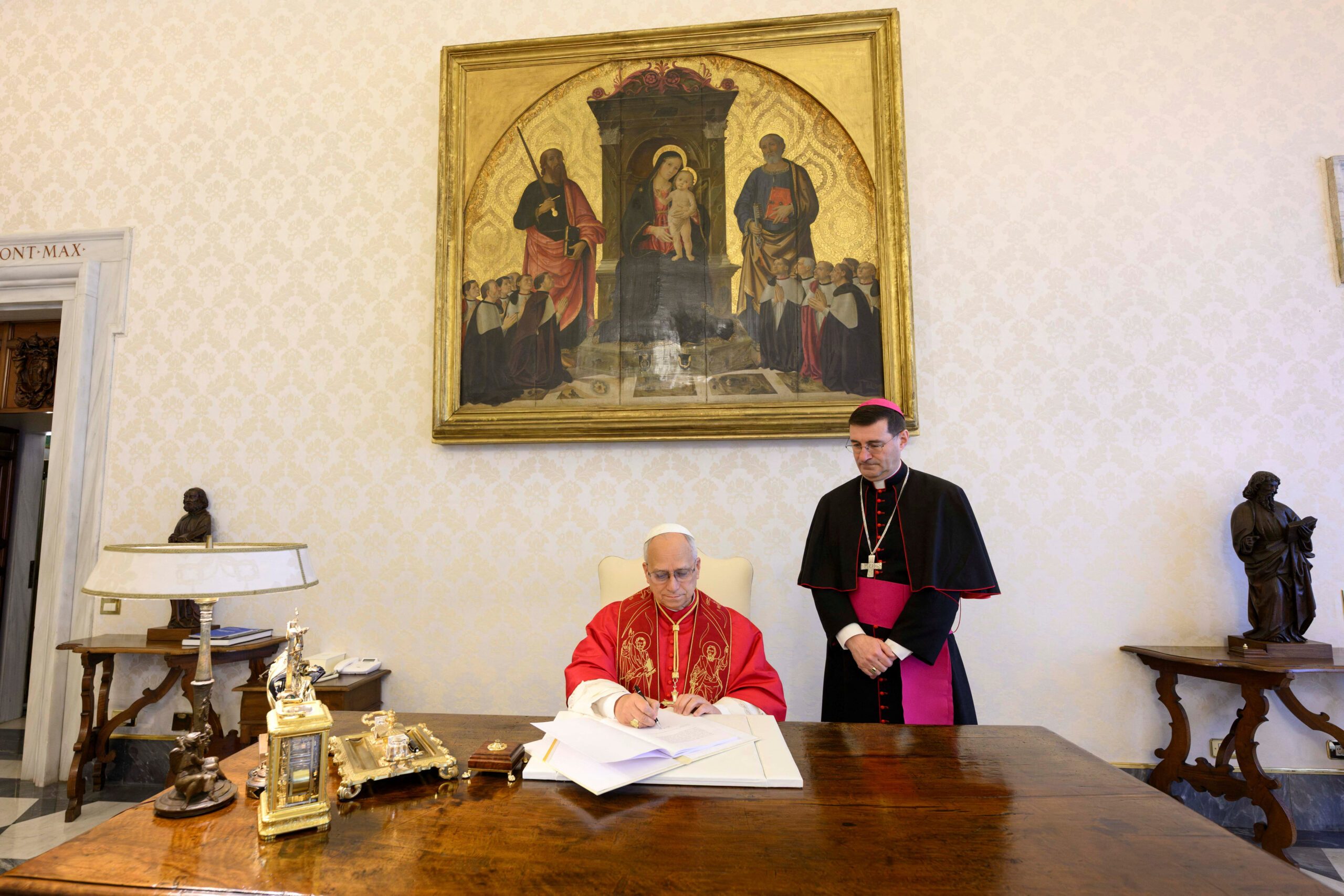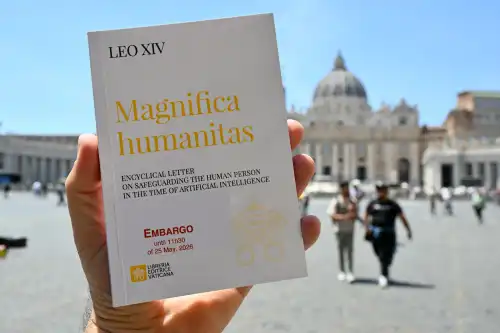
Pope Leo XIV’s first encyclical is a 42,000-word Vatican treatise that elevates “the protection of the human person in the age of artificial intelligence.” Nicol Turner Lee, senior fellow and director for the Center for Technology Innovation, and Elham Tabassi, senior fellow and director for the AI and Emerging Tech Initiative, spoke to Valerie Wirtschafter, fellow in Foreign Policy, about the implications of this groundbreaking document.
TURNER LEE: People have to realize that AI is a very extractive technology. A common analogy that I use, which is something John Lewis actually coined: “When you’re not in the kitchen, you’re on the menu.”
TABASSI: It’s not the perfect that we are aiming for. It’s the struggle to be better that makes us human. And think about how we use AI to makes us more human, rather than gives us that perfect solution answer in a record time.
[music]
WIRTSCHAFTER: Hi, this is The Brookings Current from the Brookings Podcast Network. I’m Valerie Wirtschafter, a fellow in Foreign Policy in the AI and Emerging Technology Initiative here at Brookings. I’m joined by my Brookings colleagues, Nicol Turner Lee, a senior fellow and director for the Center for Technology Innovation, and Elham Tabassi, a senior fellow and director for the AI and Emerging Tech Initiative.