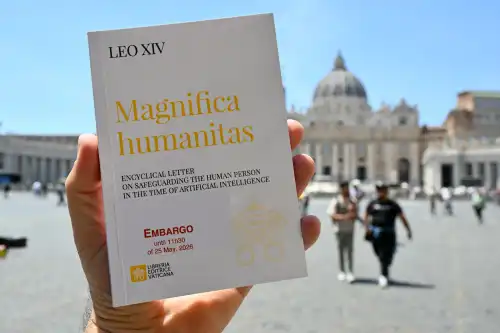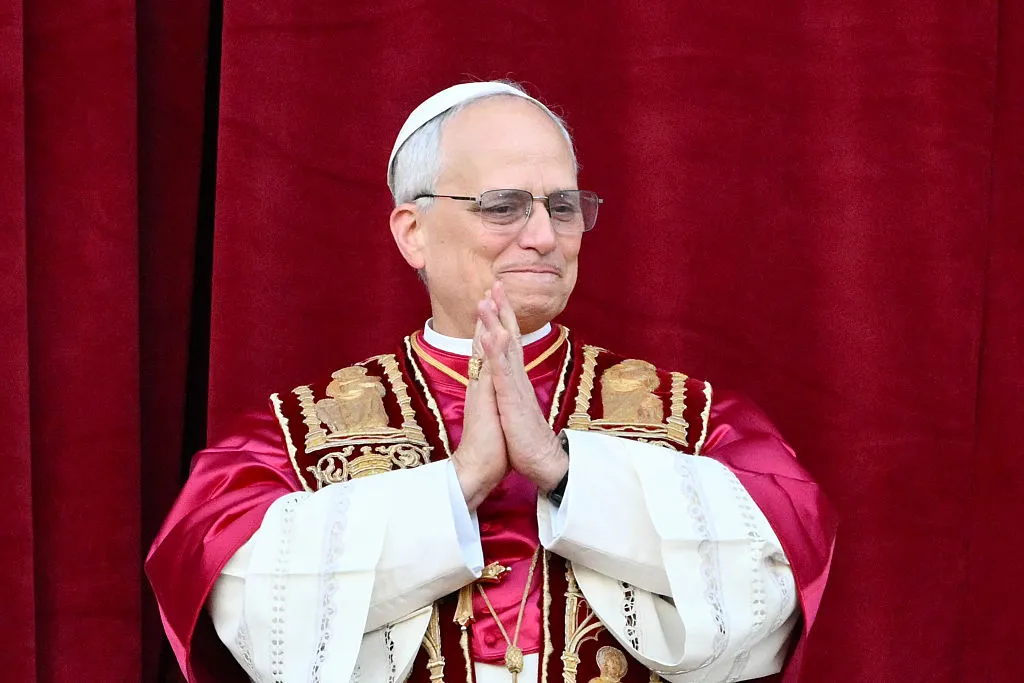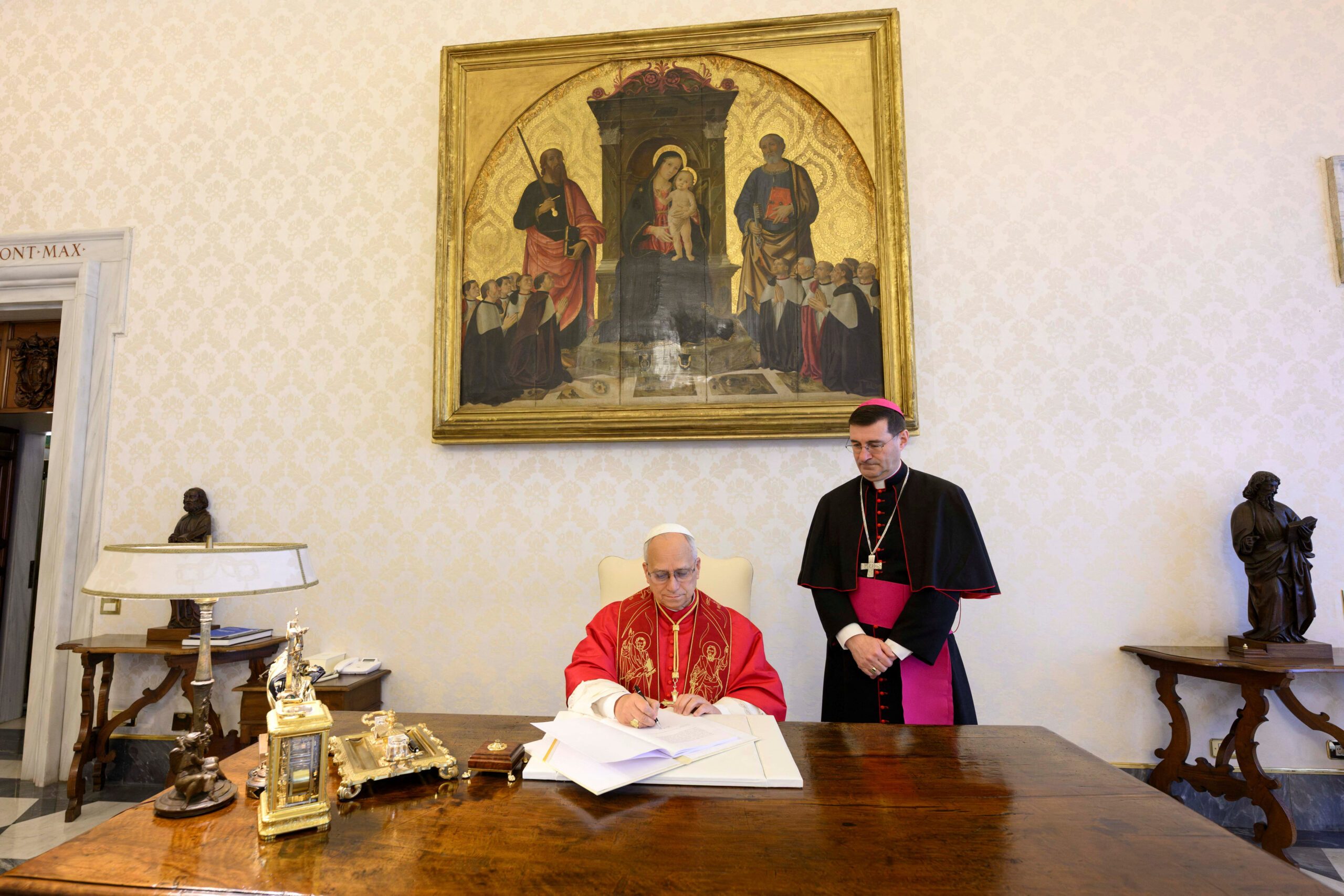
Pope Leo XIV’s first encyclical, Magnifica Humanitas, did not disappoint.
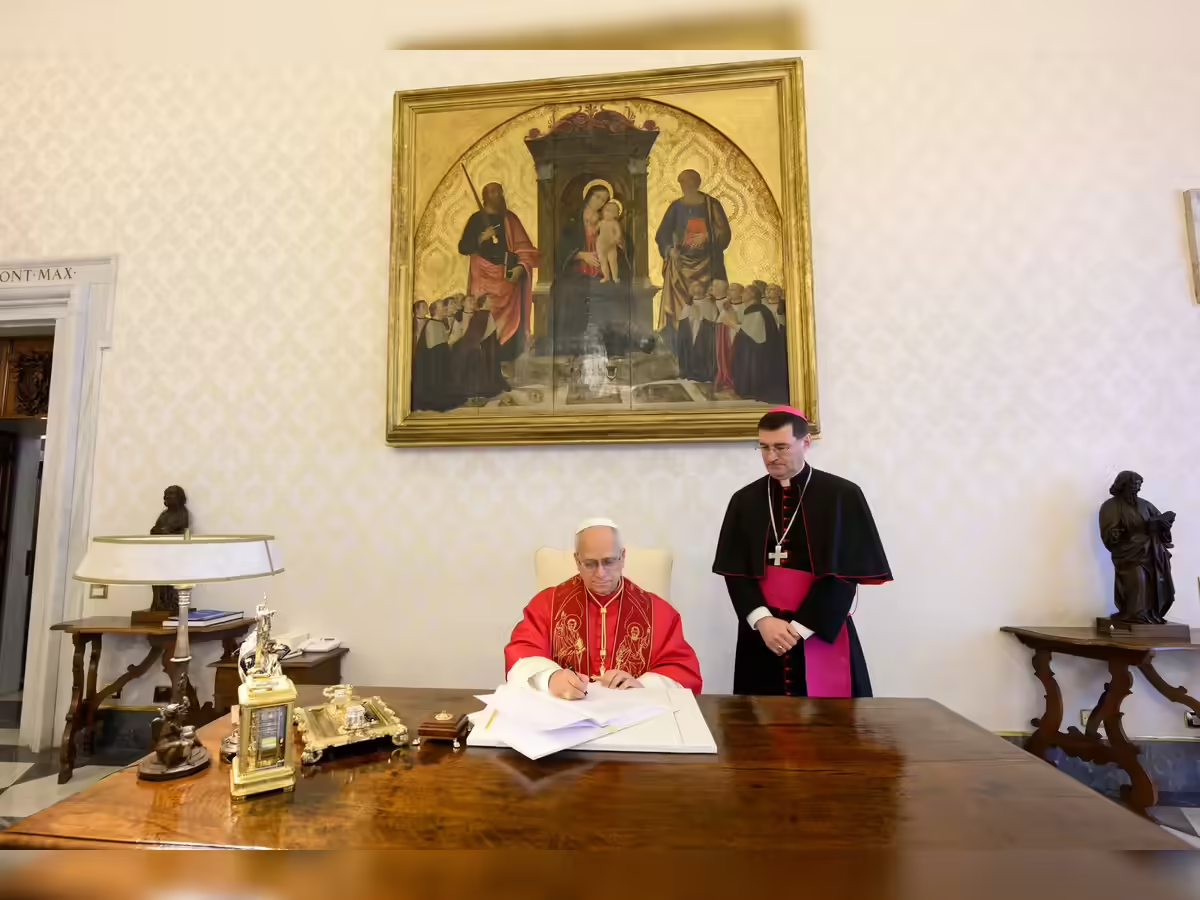
The document has been a year in the making; the Pope hinted at it just two days after his election. The drafting has involved not only theologians but also tech experts, and now the secular press treats the outcome as one of the most significant institutional interventions in the global debate on artificial intelligence (AI) to date.
Yet the encyclical is not merely a moral treatise on advanced technologies. It is a Catholic attempt to take humanism itself from the Enlightenment movement and back to its Christian roots. For the Philippines, whose political tradition reflects an encounter between these two traditions, this intervention carries particular significance.
The Enlightenment was of course deeply critical of Catholicism’s claims to intellectual and moral authority, but both converge on a profound conviction: that human dignity is inviolable, and that the conscience and the will must remain free.
This humanism anchors the predominantly liberal grammar through which contemporary secular institutions speak. The modern world order, for instance, is underpinned by humanist instruments like the United Nations Charter and the Universal Declaration of Human Rights.