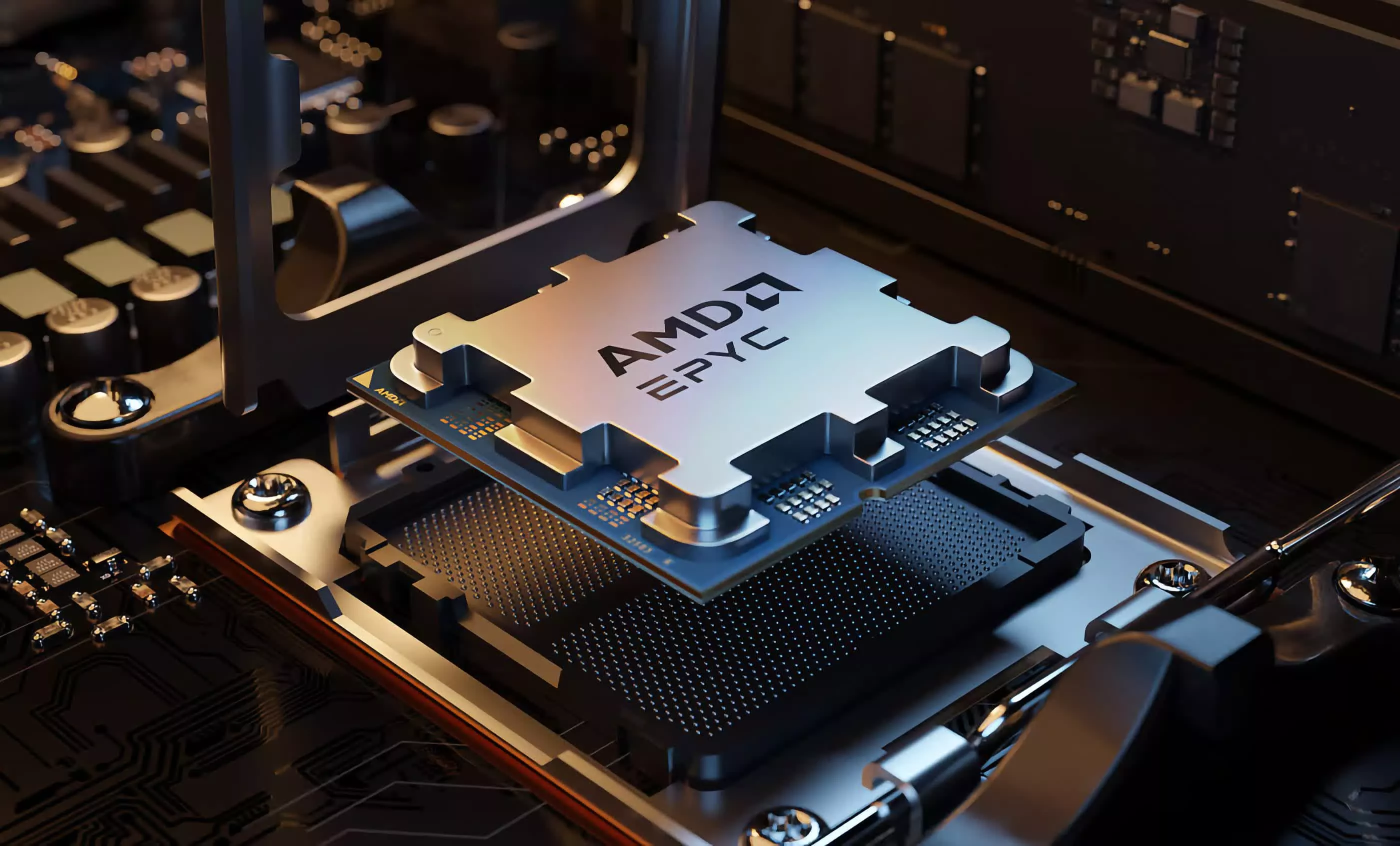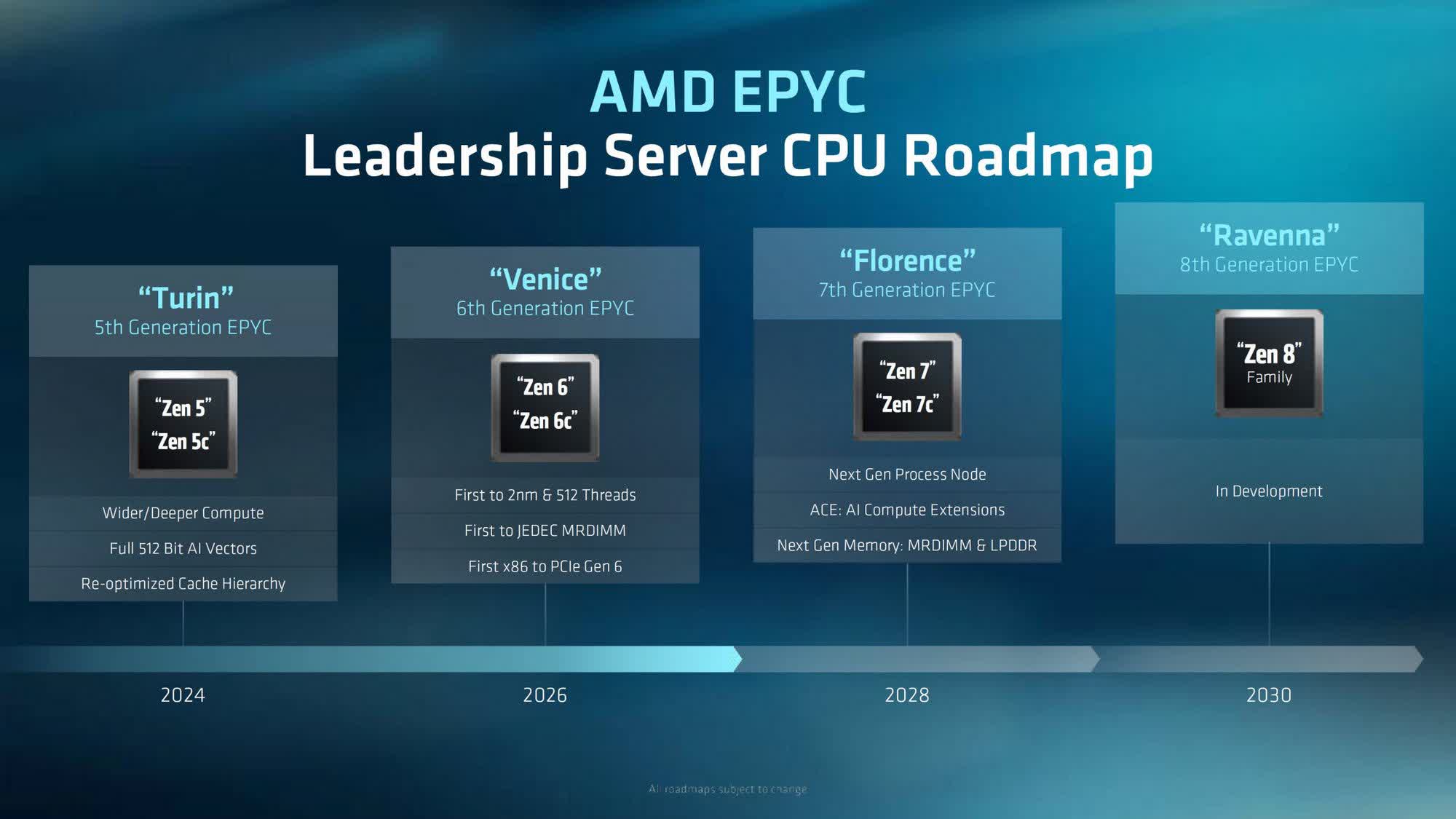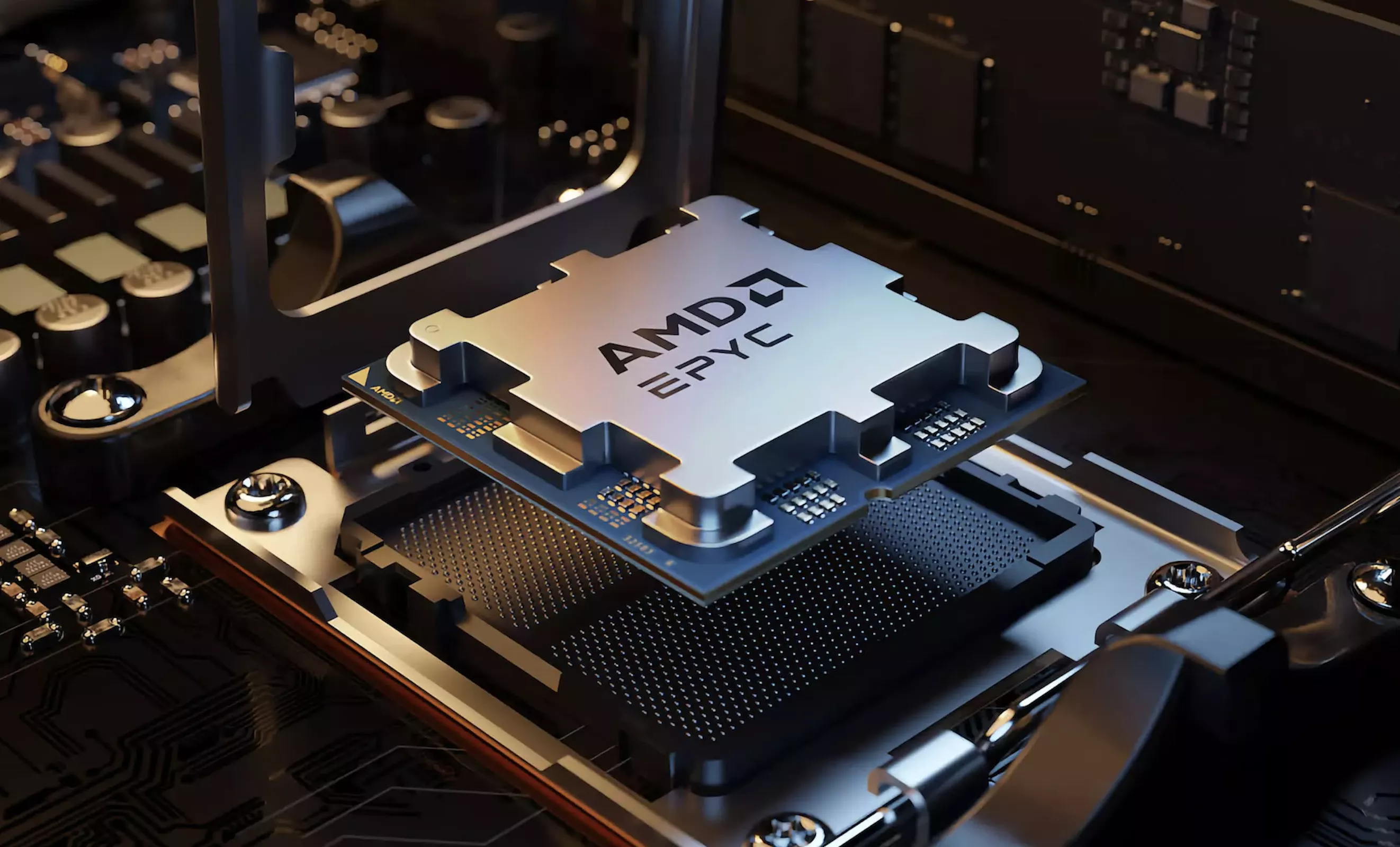
LOOKING AHEAD: AMD's next wave of server processors is beginning to come into focus, and the company appears poised to deliver more than a typical generational refresh. While its upcoming Epyc Venice chips, based on the Zen 6 architecture, are already entering production on TSMC's 2-nanometer process, attention is increasingly shifting toward what comes next – and how far AMD plans to push both chip manufacturing and CPU architecture.
According to a report from Taiwan's Commercial Times, AMD is considering TSMC's A14 process node for its Zen 7 generation. Such a move would push AMD into the angstrom-era of semiconductor manufacturing for the first time, taking the company beyond the traditional cadence of incremental node shrinks and into a new scale of transistor design.
If AMD does transition Zen 7 to A14, the shift could influence not only peak performance, but also how efficiently the chips handle demanding data center workloads.
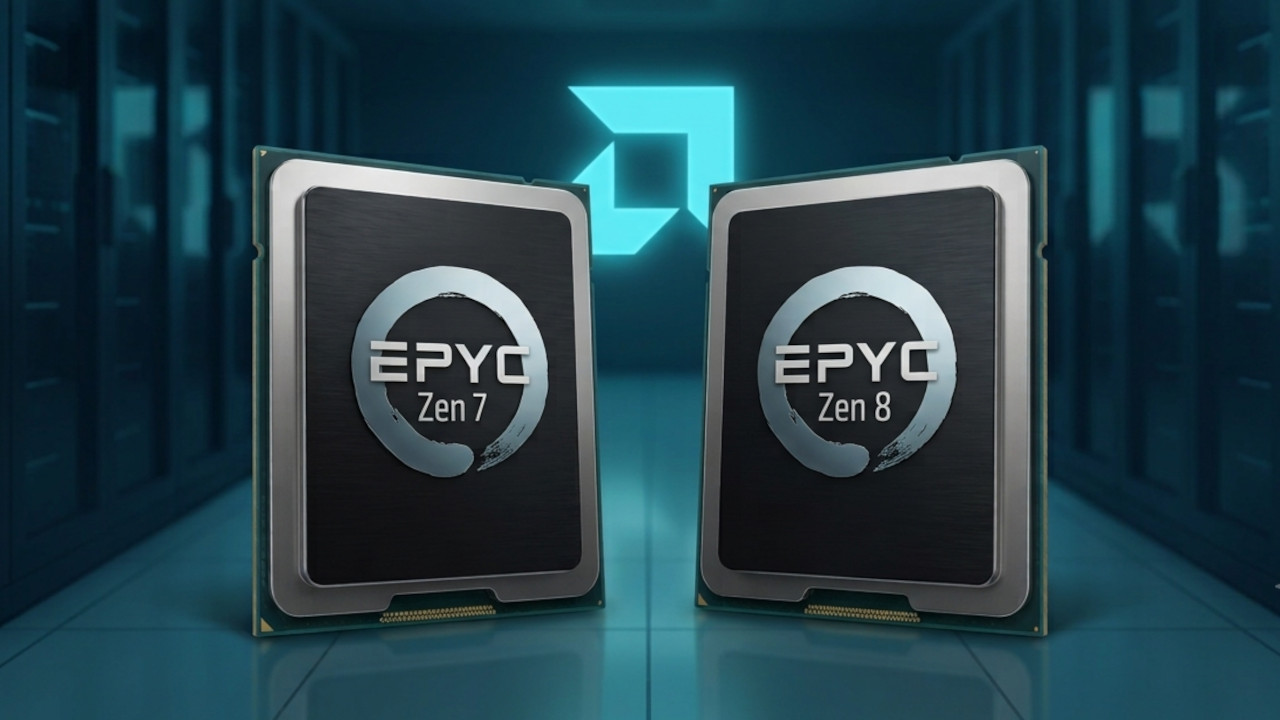
Zen 7 itself, tied to a core complex design codenamed "Grimlock," is expected to reflect a broader shift toward AI-focused computing. Rather than simply pursuing higher core counts or clock speeds, AMD appears to be optimizing Zen 7 for the types of workloads driving modern enterprise and cloud infrastructure.