Robert Alexander / Getty Images
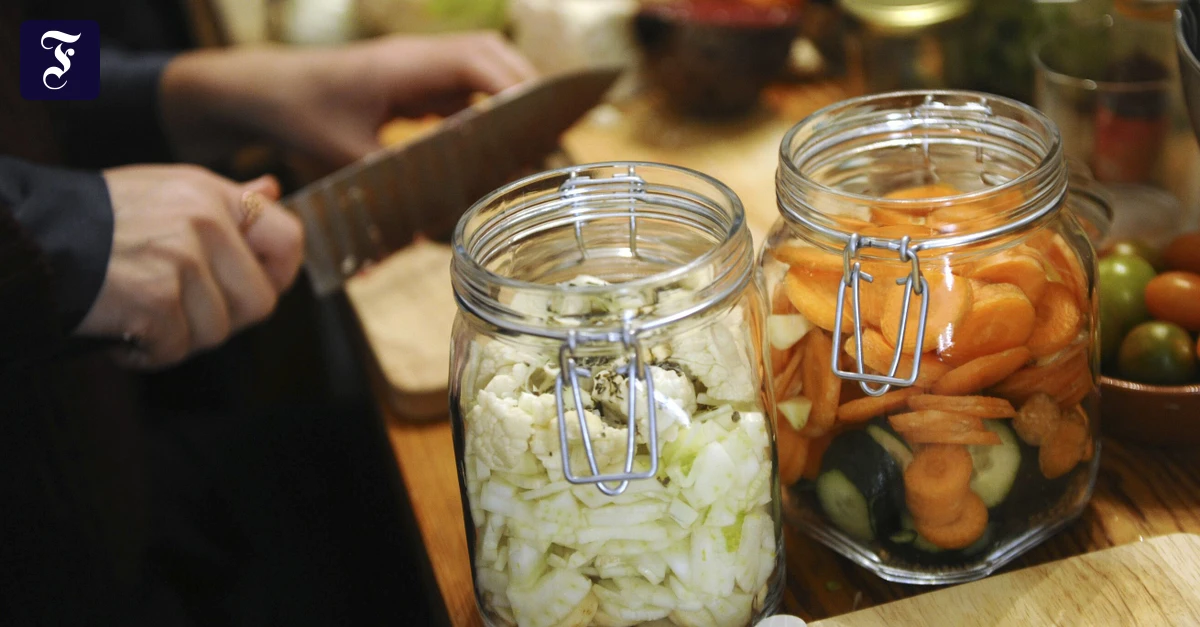
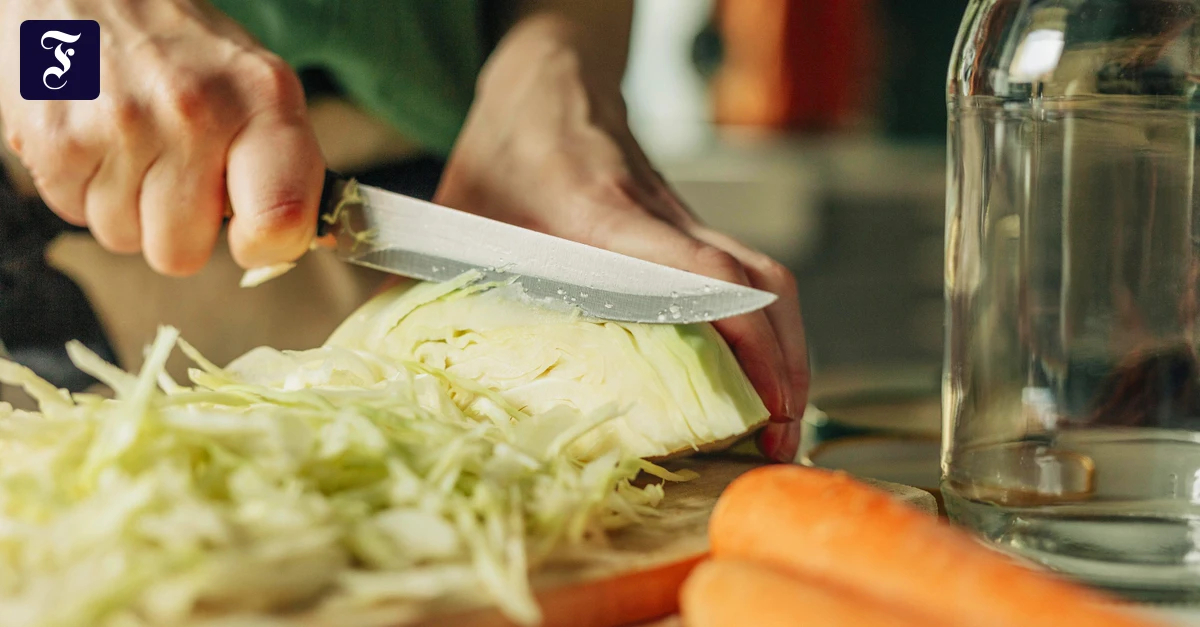
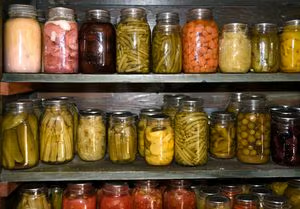
Fermentation has a reputation it does not entirely deserve. The word conjures images of laboratory equipment, precise temperature control, and the kind of specialist knowledge that takes years to acquire. The reality is considerably more accessible. Humans have been fermenting food since before recorded history — since long before anyone understood what fermentation was — using nothing more than salt, water, time, and the microorganisms that exist naturally on vegetables, in milk, and in the air. The technique is not a modern wellness trend. It is the oldest form of food preservation in the world, and it is substantially easier than most people who have not tried it assume.
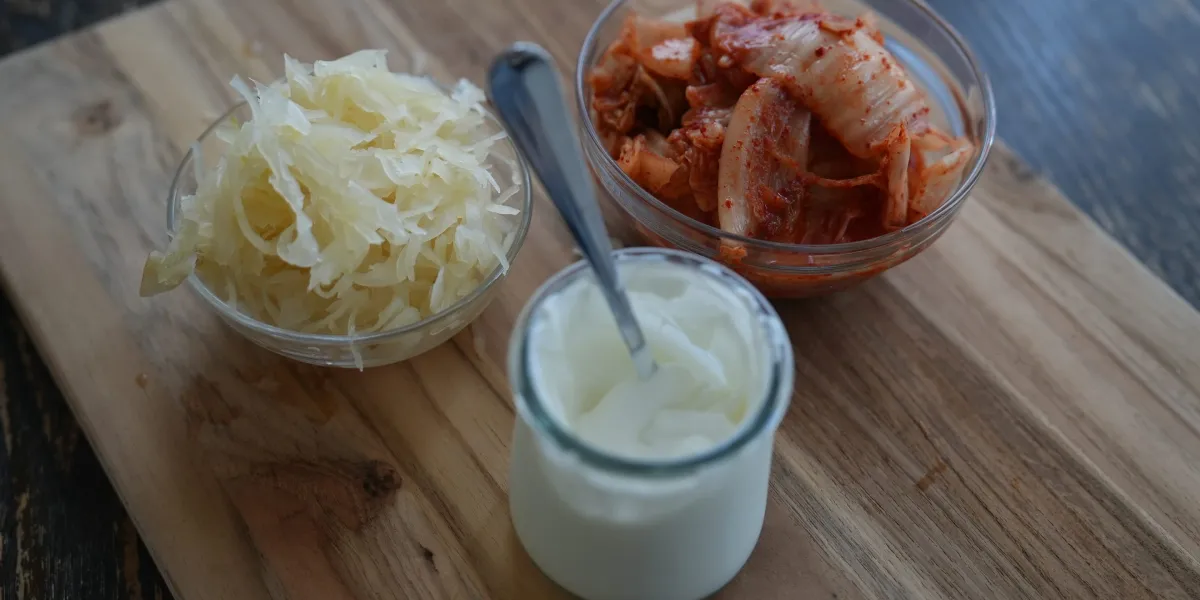
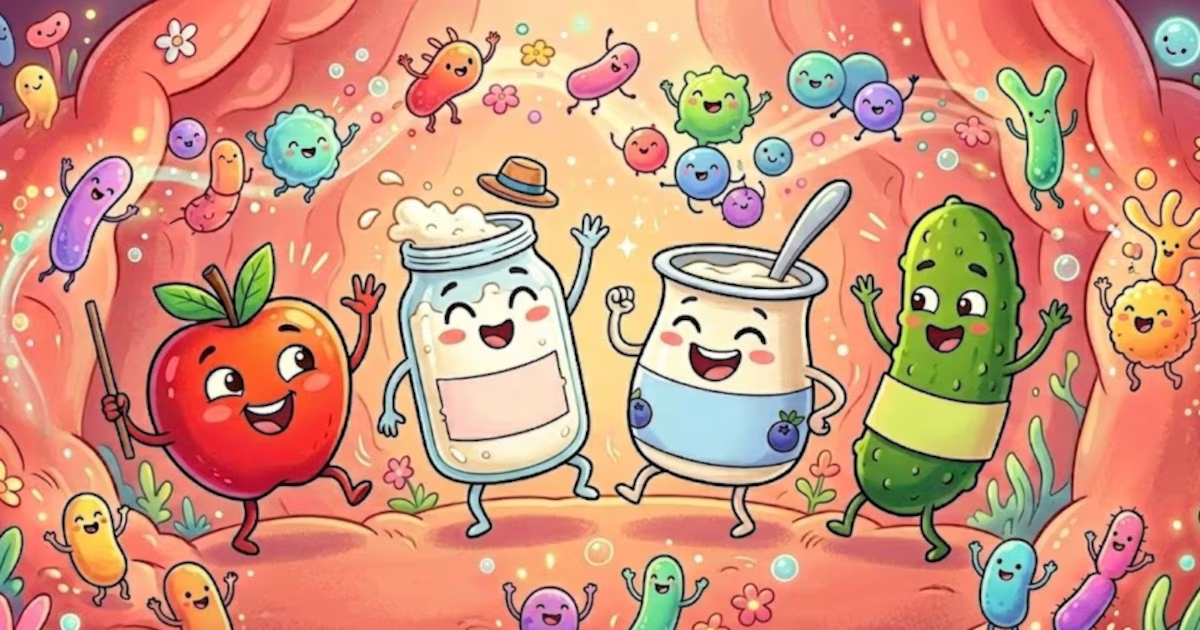
What fermentation does, at the most basic level, is allow microorganisms — bacteria, yeasts, or molds — to transform the sugars and starches in a food into something else: acids, alcohols, gases, or new flavor compounds. The transformation preserves the food, in many cases improves its flavor significantly, and in others produces nutritional changes — increased bioavailability of certain nutrients, the development of beneficial bacterial cultures — that make fermented versions of foods meaningfully different from their raw equivalents. A fermented cabbage is not simply a preserved cabbage. It is a different food, with different flavors, different chemistry, and a different relationship to your digestive system.