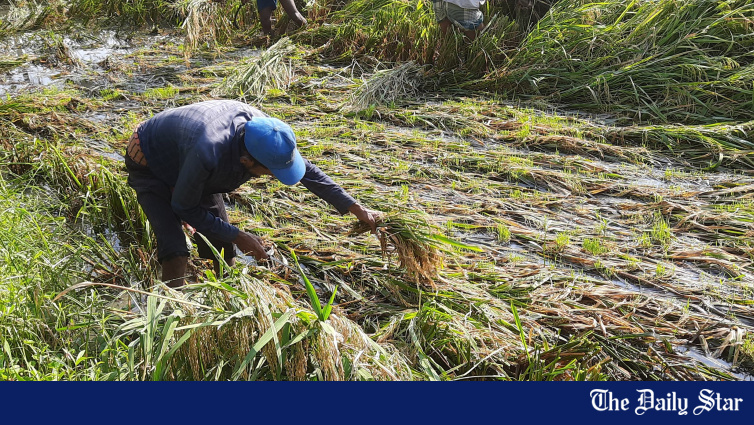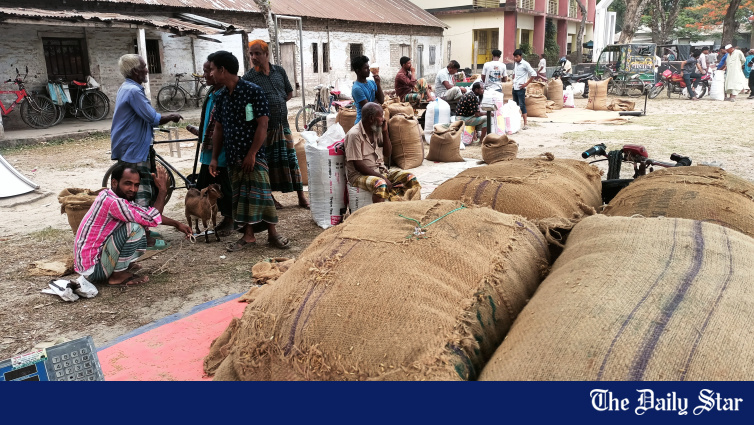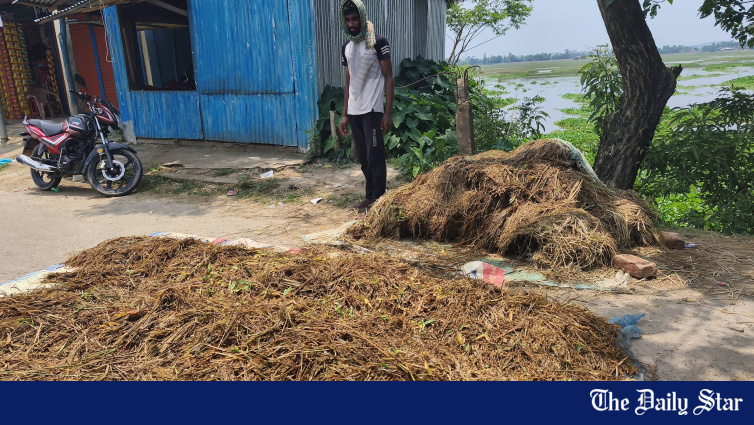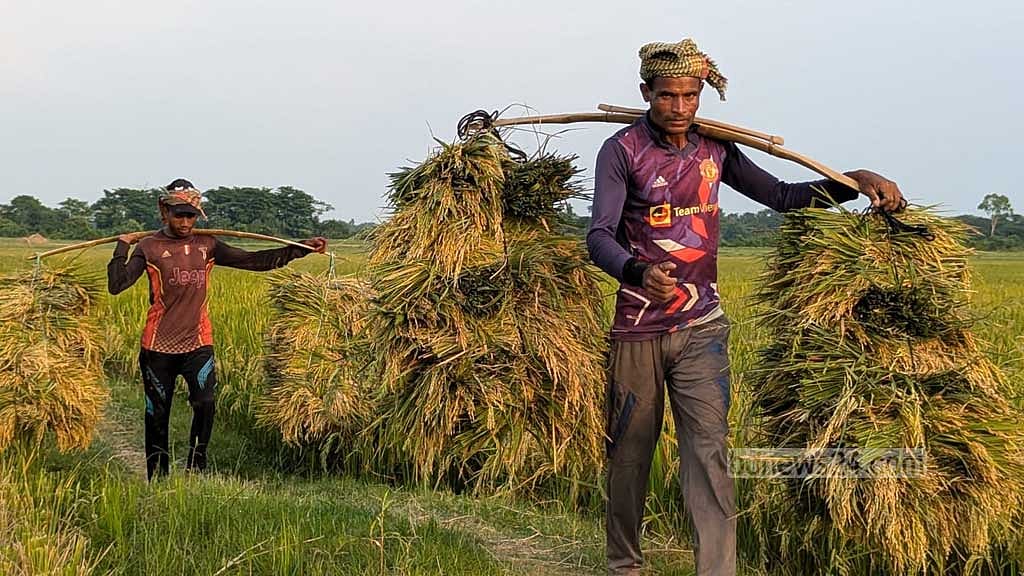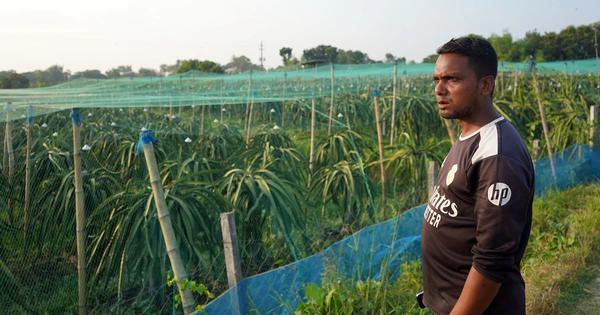
The 8,000 sq km Barind Tract in north-western Bangladesh was once synonymous with paddy cultivation. These days, parts of the region are home to high-value crops that do not form the local staple diet. In some places, crops are being cultivated that were virtually unknown until a decade ago.
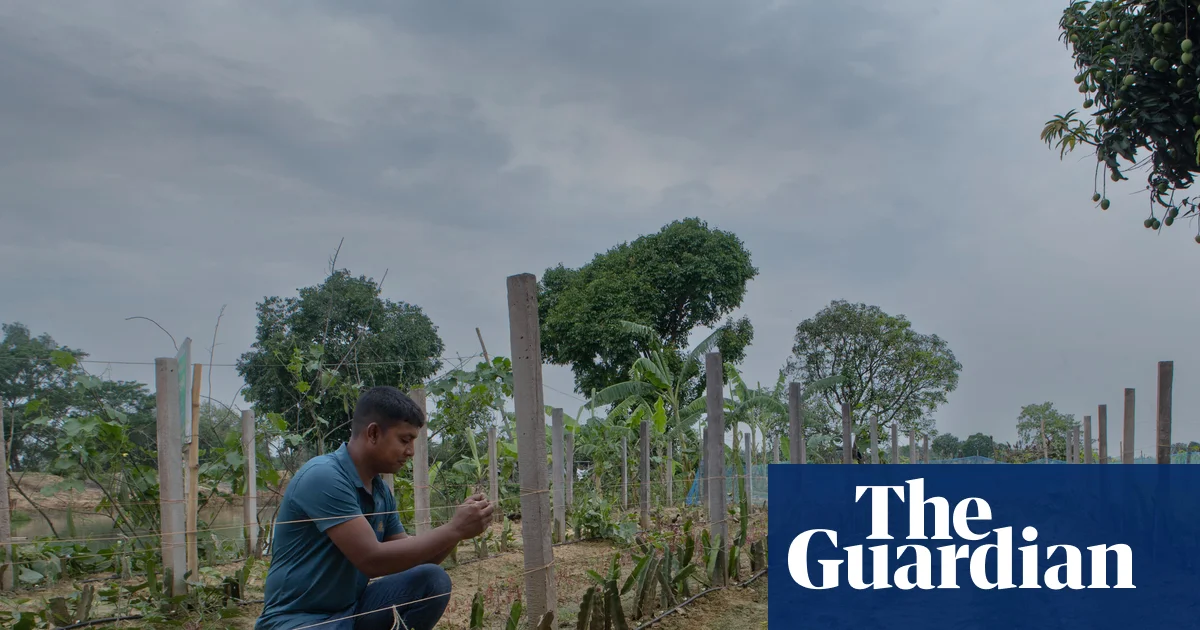
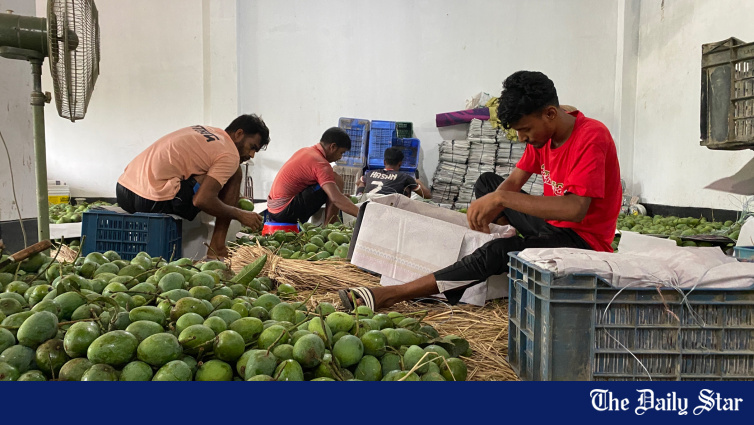
The region’s higher, undulated area, the High Barind Tract, incorporates Rajshahi, Chapainawabganj and Naogaon. In parts of these three districts, farmers are switching from paddy cultivation to crops like dragon fruit, sweet orange and mango. They are also increasingly growing crops that require less water, like maize, lentils, tomatoes and chillies.
The tract’s farmers are making this switch in response to a growing water crisis in the region: Barind has been experiencing erratic rainfall, and its groundwater has been gradually reducing.
“Farmers are responding to water stress in real time,” says Mariam Ahmed, a government agriculture officer in Godagari, an upazila (subdistrict) of Rajshahi. “Over the past few years, we have seen a significant expansion of dragon fruit cultivation across three unions in Godagari [Pakri, Matikata and Gogram], particularly in Matikata, where many highlands and even some former paddy fields are now being converted into dragon fruit orchards.”