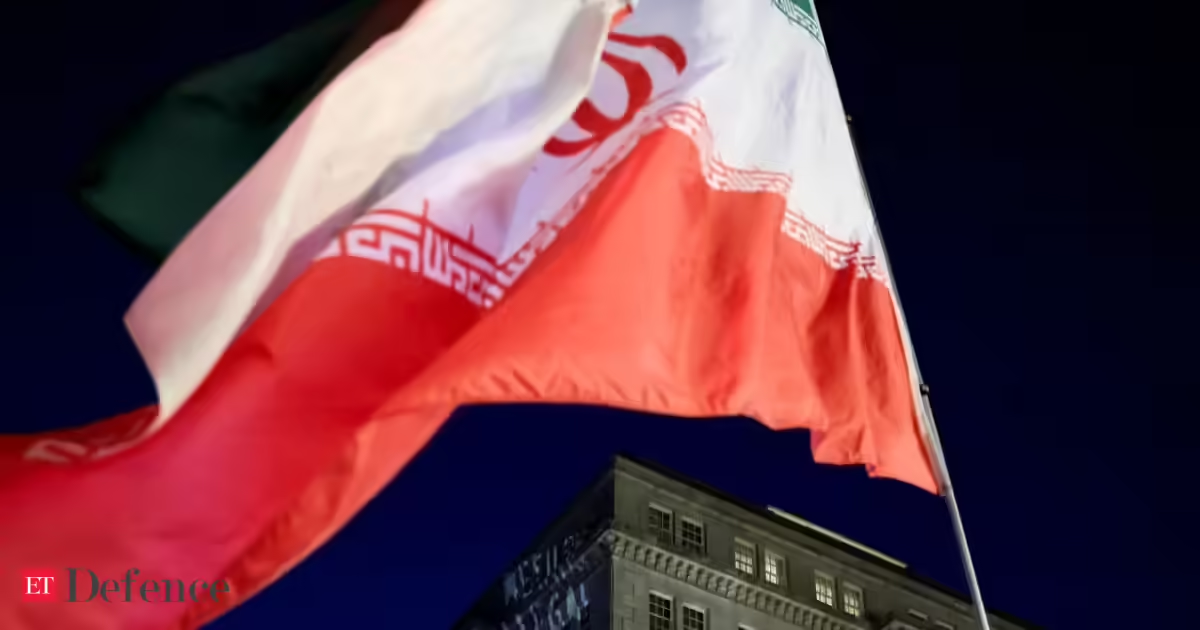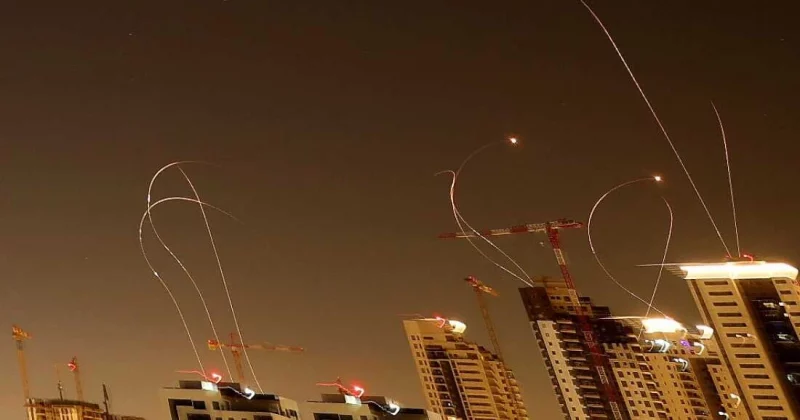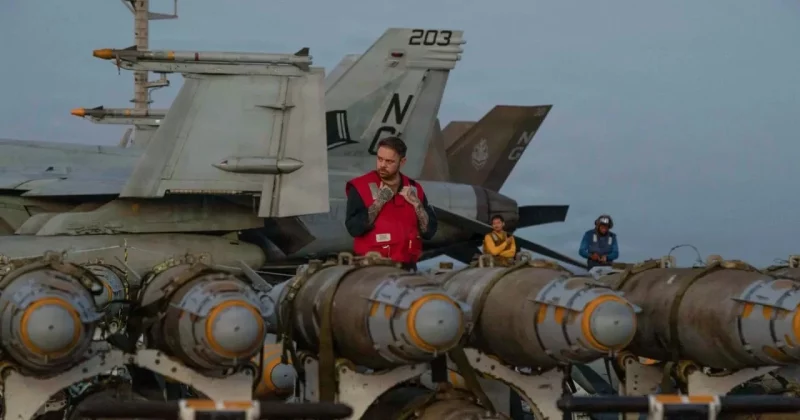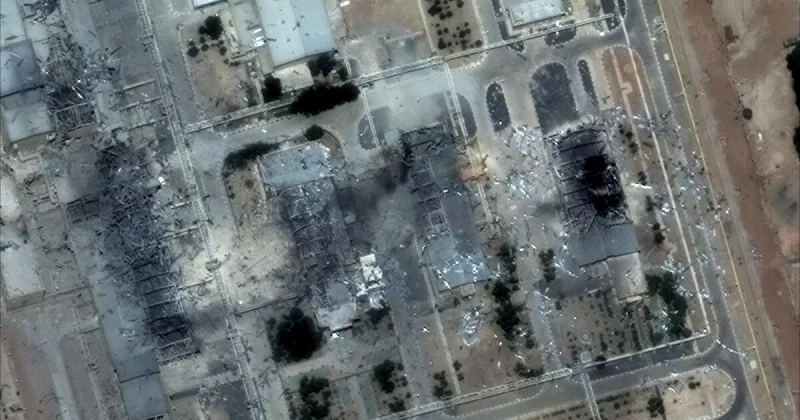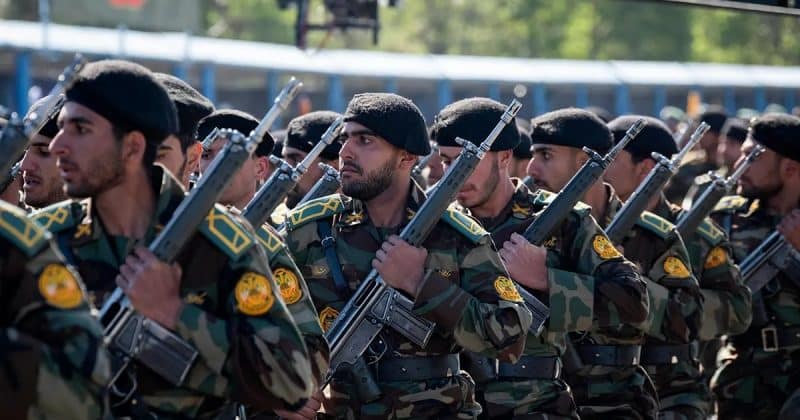
The fragile ceasefire between the US and Iran lasted about seven weeks before things got complicated again. On May 26, US forces struck Iranian missile launch sites and mine-laying vessels near the strategic port city of Bandar Abbas, prompting Iran’s Foreign Ministry to condemn the action as a direct violation of the April 8 ceasefire agreement.
What happened and why it matters
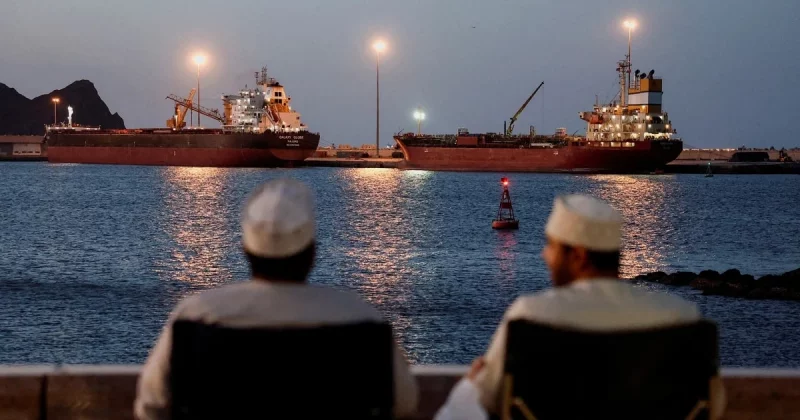
US Central Command characterized the strikes as acts of self-defense, targeting what it described as active threats: missile launch sites and boats engaged in mining operations near Bandar Abbas. That city sits along the Strait of Hormuz, one of the most consequential chokepoints in global energy logistics. Roughly a fifth of the world’s oil passes through it on any given day.
Iran sees it differently. The Foreign Ministry labeled the strikes a breach of the two-week ceasefire framework that was agreed upon in April 2026. That framework was itself the product of escalating hostilities involving Iran, the US, and Israel earlier this year, with maritime disruptions near the Strait serving as the primary flashpoint.
Prediction markets and Bitcoin react in real time