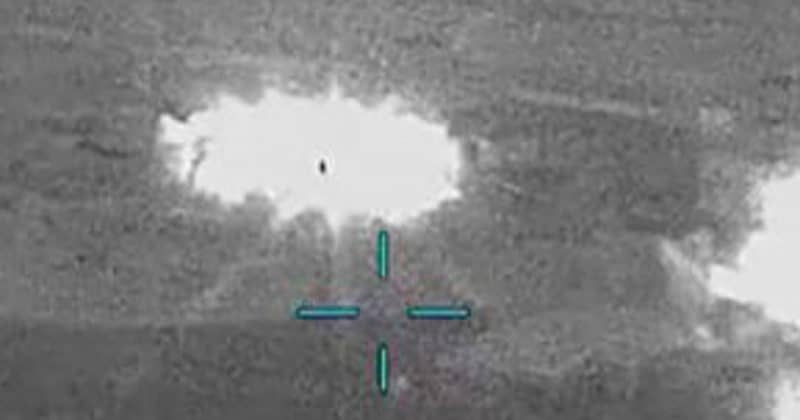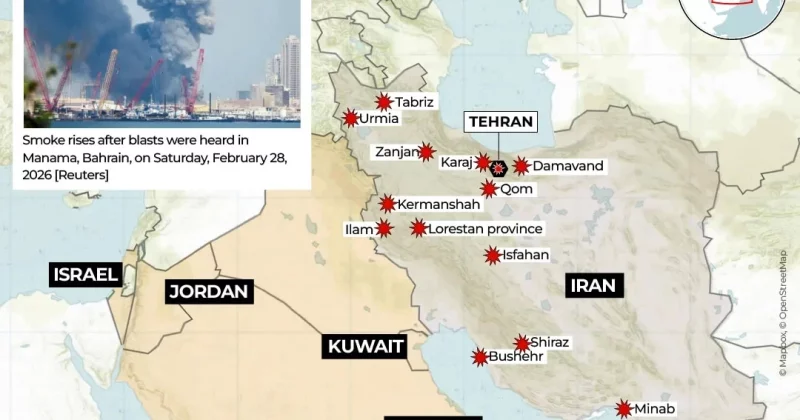
The US Central Command carried out strikes against missile launch sites and Iranian boats near Bandar Abbas on May 25, marking the most significant military escalation since a ceasefire took effect on April 8. Hours before the strikes landed, Tehran publicly stated that a comprehensive deal with Washington was not imminent.
Bitcoin, already jittery from weeks of geopolitical noise, has been trading in a volatile $63,000 to $72,000 range. Brent crude surged over 2% to roughly $102 in the immediate aftermath, dragging risk assets into familiar territory: sell first, ask questions later.
What happened and why it matters
CENTCOM described the operation as “limited self-defense strikes,” targeting missile sites and naval vessels in southern Iran. The action came while diplomatic negotiations were actively underway in Qatar on May 25-26, with discussions centered on extending the existing ceasefire and addressing flashpoint issues like the Strait of Hormuz and Iran’s nuclear program.
Tehran’s pre-strike assertion that a deal was “not imminent” adds another layer. It suggests the diplomatic track was already losing momentum before bombs started falling, which means the path back to de-escalation just got longer and more complicated.