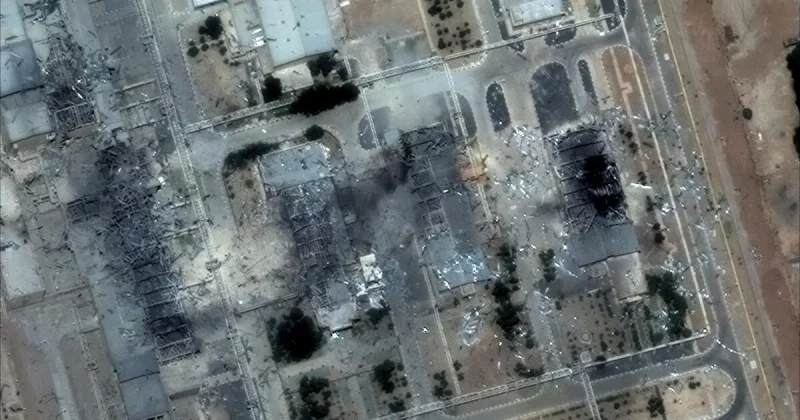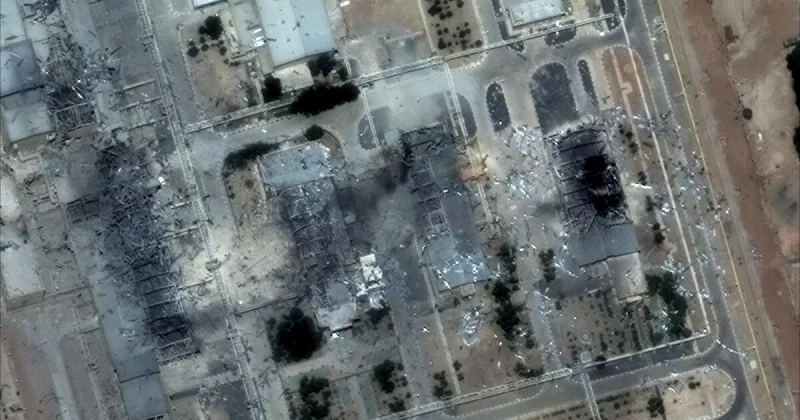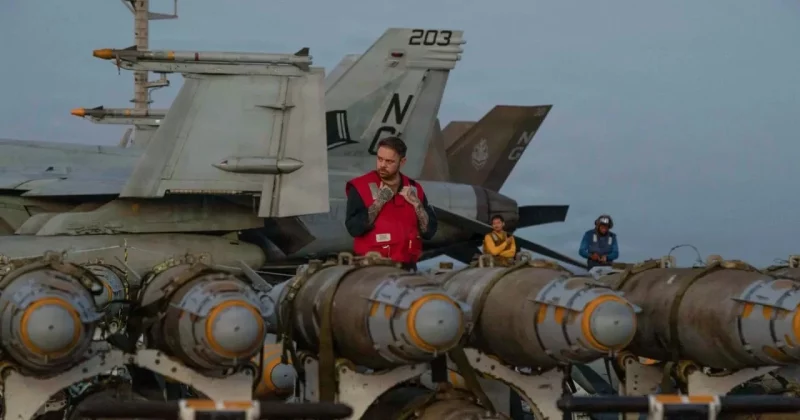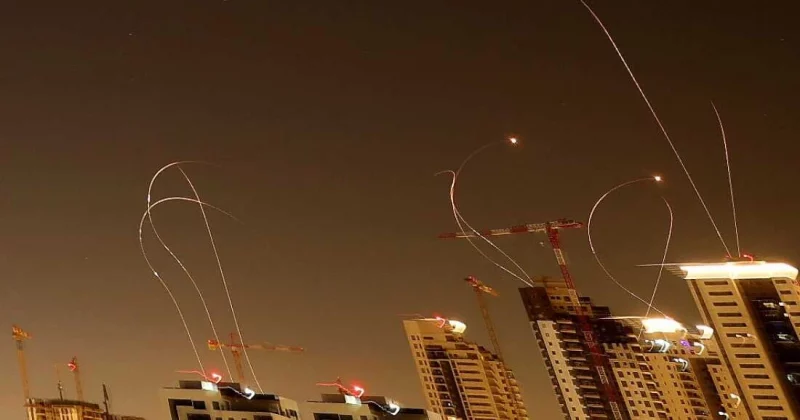
US Central Command executed what it described as self-defense strikes around May 7-8, targeting launch sites, drone facilities, and command infrastructure near Bandar Abbas and Qeshm. The action came after reported attacks on three US Navy destroyers operating in the Strait of Hormuz: the USS Truxtun, USS Rafael Peralta, and USS Mason.
The strikes landed during what was already a tenuous ceasefire period. President Trump signaled openness to future diplomatic deals with Iran while simultaneously warning that additional military responses would follow if threats continued.
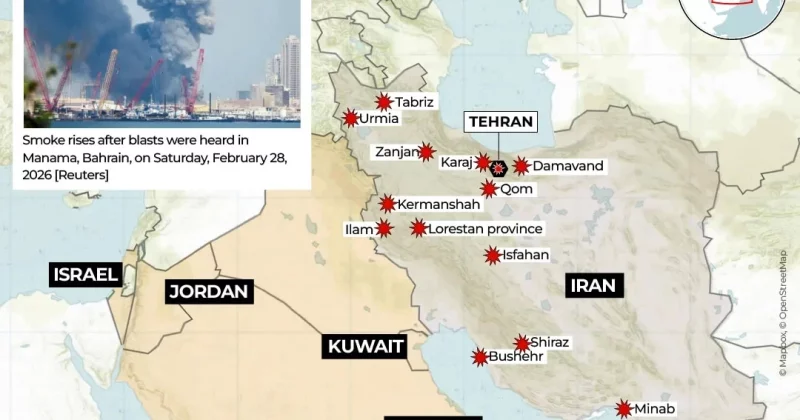
This latest chapter is part of a broader conflict that escalated significantly beginning February 28, 2026. Prior US and Israeli military operations had already targeted Iranian military and nuclear sites dating back to 2025, making the current strikes less a surprise and more a continuation of a pattern that markets have been nervously watching for months.
Additional US strikes on missile launch sites and boats were reported as recently as May 25, 2026, in southern Iran.
Roughly a fifth of the world’s oil passes through the Strait of Hormuz. When warships start getting shot at there, it doesn’t just rattle defense analysts. It rattles everything, from crude oil futures to risk assets like crypto.