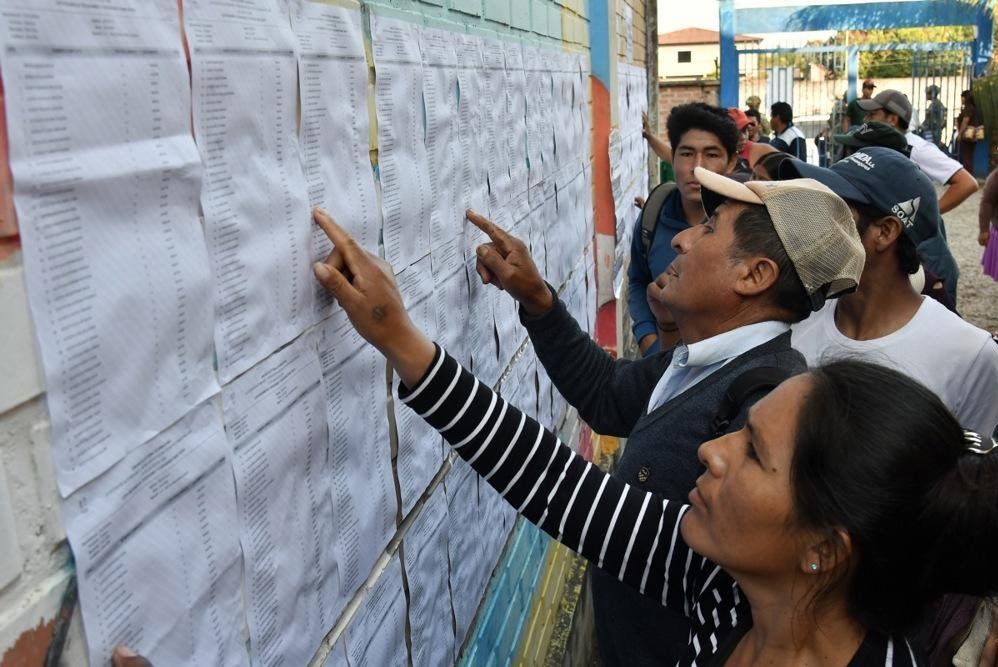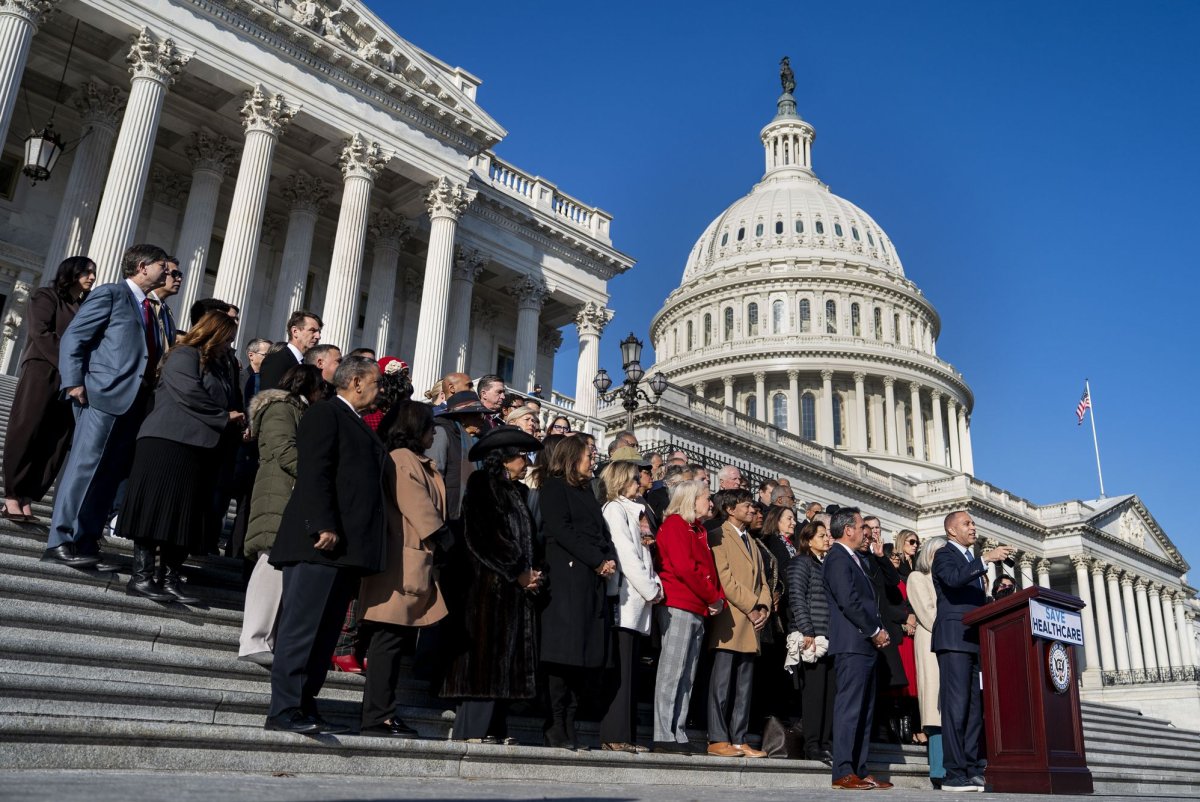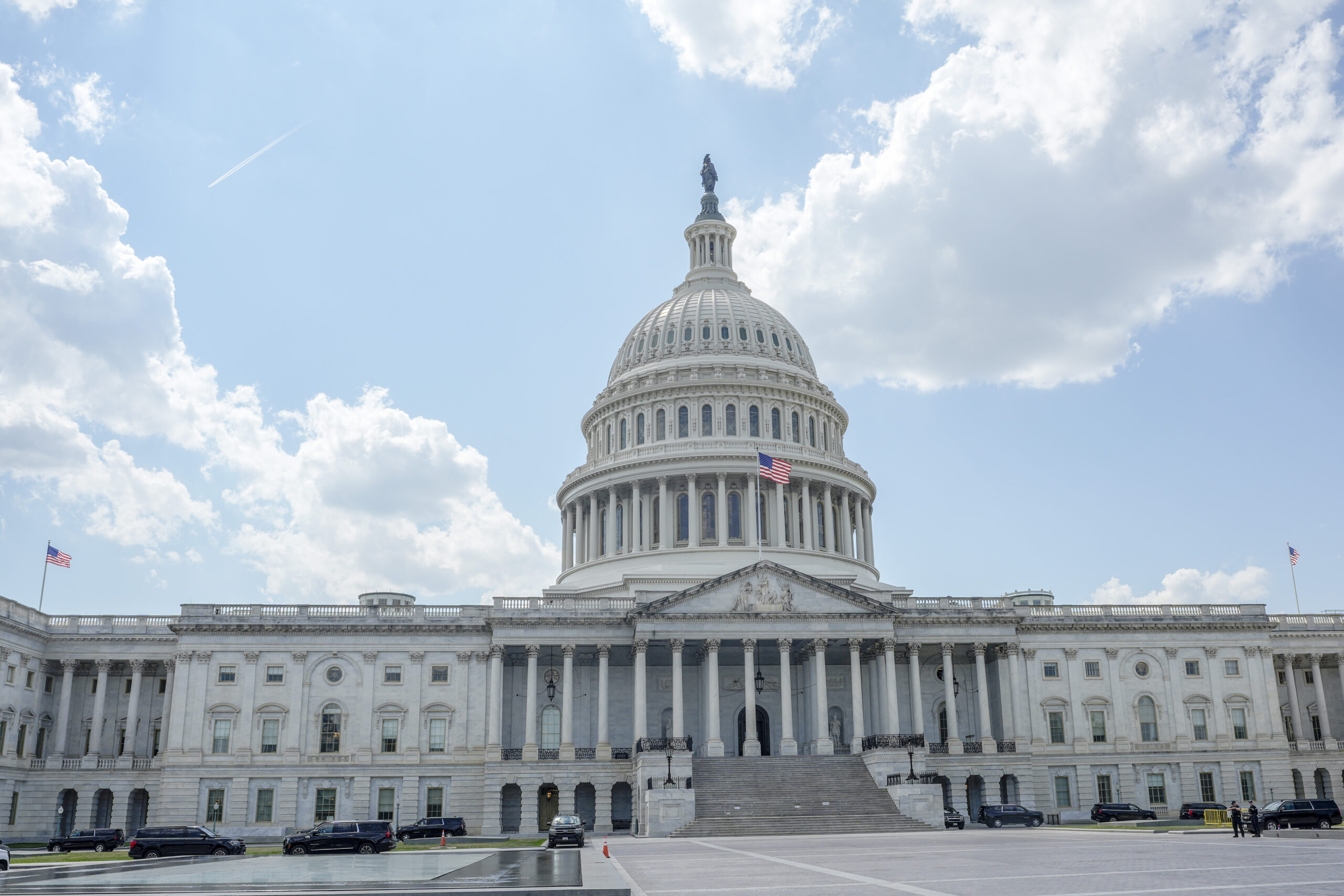
Reading Time: 5 minutesMidterm elections in the U.S. are six months away, and while they rarely hinge on foreign policy, let alone U.S. policy toward Latin America, the region will nonetheless feel the consequences of the critical vote in November. With all 435 seats in the House of Representatives and 34 Senate seats on the ballot, the contest could upend Republican control of Congress and restore a check on the Trump Administration’s approach to the Americas: an agenda characterized by immigration enforcement, tariffs, airstrikes, and an aggressive military posture that has reshaped Washington’s relationship to the region.
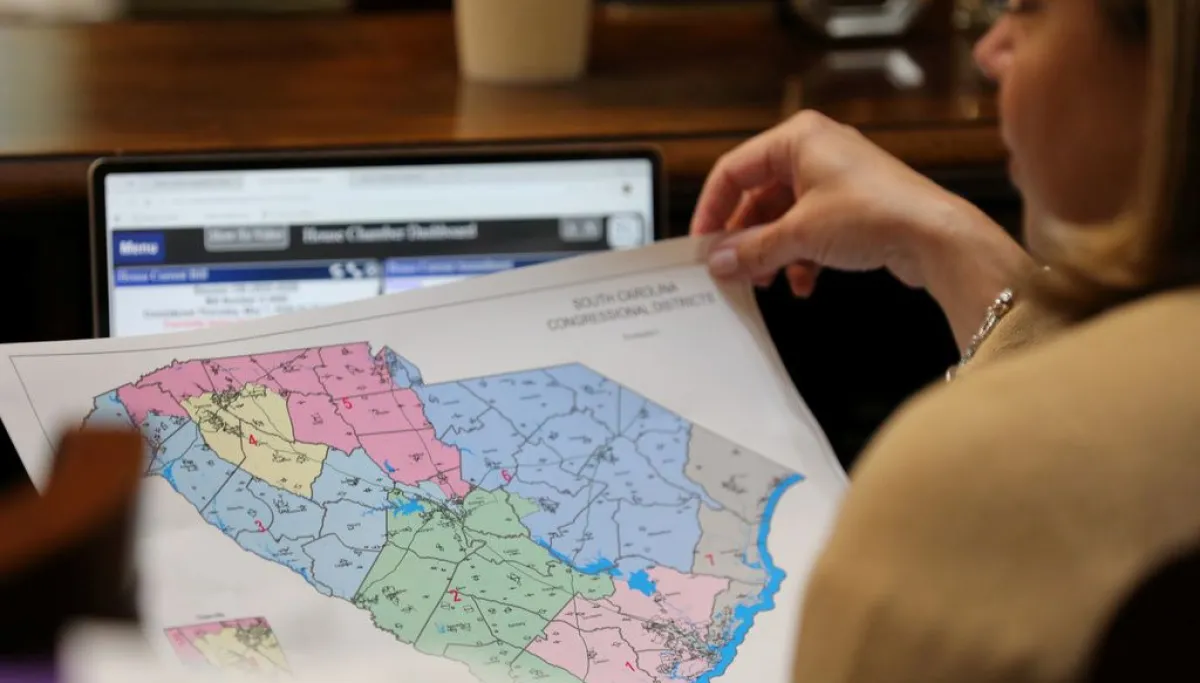
Most U.S. midterm cycles follow a pattern: The party out of power typically gains congressional seats. Although efforts to redraw congressional districts across many states are shifting the playing field in real-time, early polling still shows Democrats with an advantage six months out. Control of one or both chambers would unlock key tools for the Democratic party and end President Trump’s use of the reconciliation process—which requires only 51 votes in the Senate—to push through partisan budget and policy priorities.
In the most likely scenario, Democrats will win control of the House of Representatives but not the Senate. This would mean more hearings and investigations, and a check on some of the executive’s overreach. Latin America watchers should expect to see several notable shifts, tempered by the reality that the executive branch would still hold the reins on foreign policy. Even if Republicans hold onto both the House and Senate—which seems unlikely at this point—Republican infighting in Congress ahead of the 2028 presidential election would probably obstruct some of President Trump’s agenda during his last two years in office.