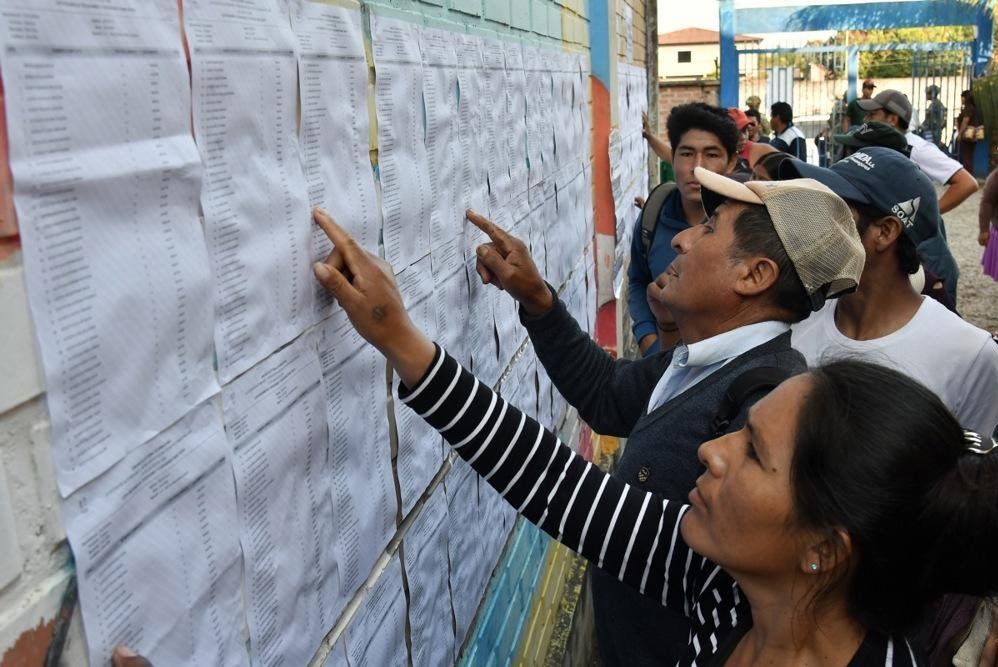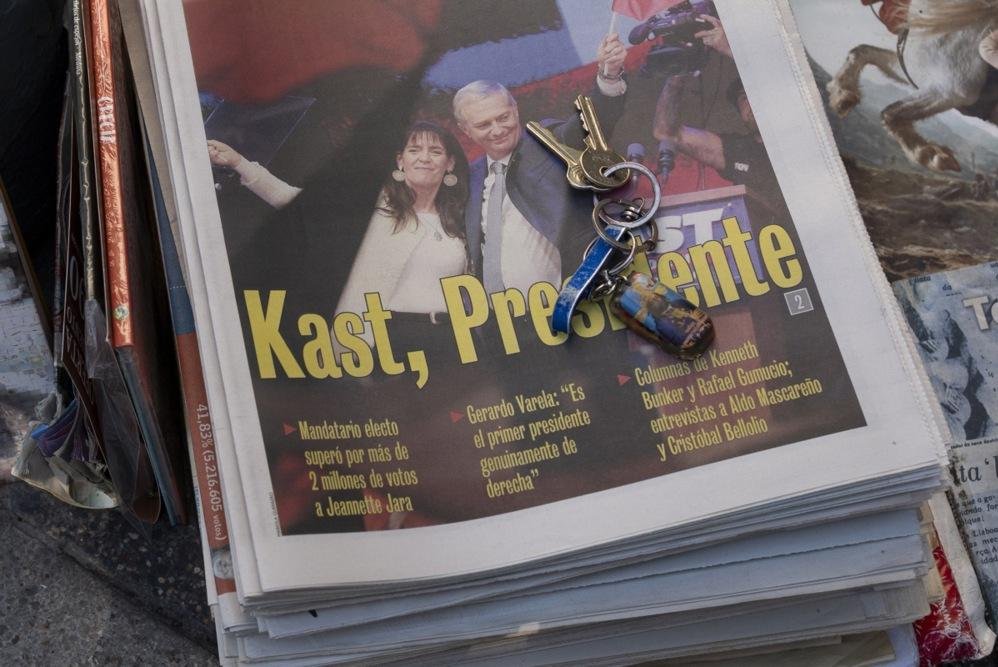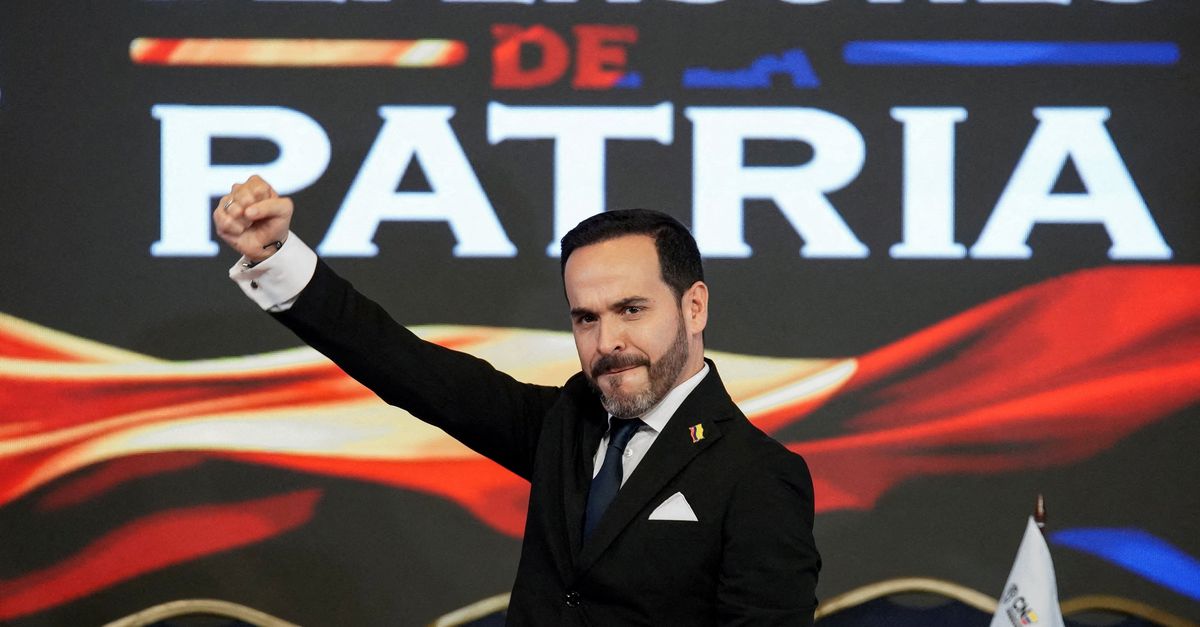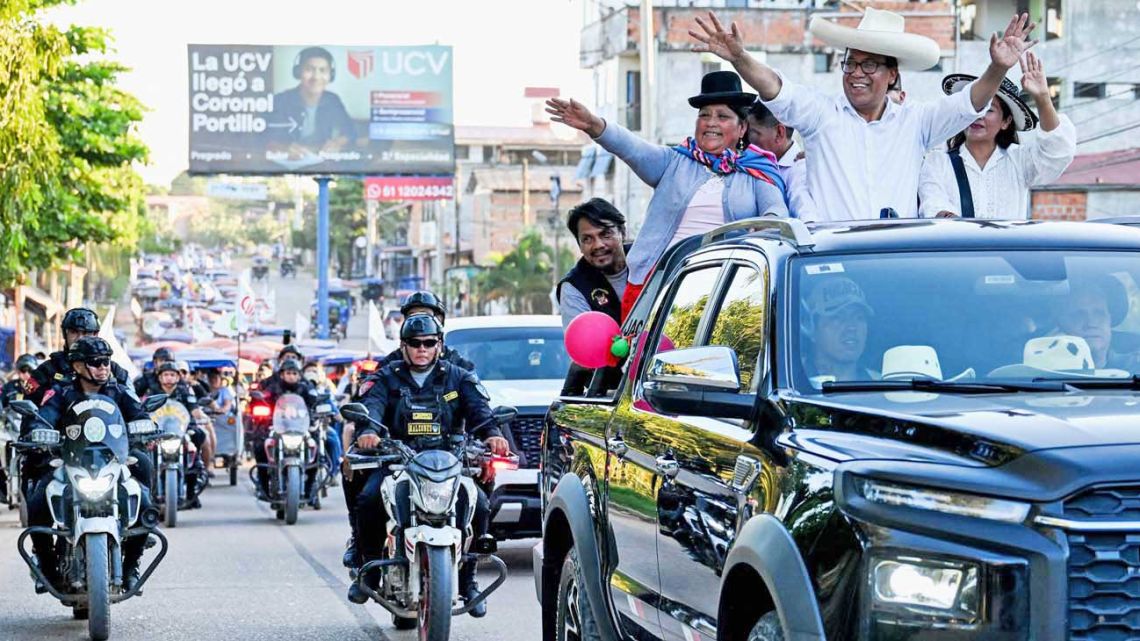
April 22 (UPI) -- Latin America is moving through an intense electoral cycle, with major presidential contests underway or still ahead in 2026. That alone would make this a consequential year for the region. More troubling is the atmosphere in which those choices are being made.
Across much of the democratic world, and especially in Latin America, politics has grown harsher and more tribal. According to the United Nations Development Program, the region has experienced one of the sharpest rises in political polarization anywhere in the world over the past two decades. A regional survey found that trust in public institutions has fallen to roughly 20 percent, meaning only one in five citizens now expresses confidence in their government. Together, those trends make sound democratic judgment harder precisely when it is needed most.
Political tribalism begins when citizens stop asking whether a proposal is sound or workable and start asking only who proposed it. Opponents are no longer treated as fellow citizens with competing ideas. They become enemies whose arguments can be dismissed before they are heard. Political scientists call part of this pattern "affective polarization," but most voters recognize it without the label.