The conventional wisdom of midterm elections rests on a basic premise: the political environment determines the outcome. When voters are unhappy with the economy or frustrated with the party in power, they punish the president’s party at the ballot box.That logic still matters in 2026. President Donald Trump enters the midterm cycle facing real political headwinds. Recent Fox News polling found his approval rating at 41%, with only 34% approving of his handling of the economy and 28% approving of his handling of inflation.Under ordinary circumstances, those numbers would point toward a looming GOP wipeout.
DEMOCRATS WORRY LEFT-LEANING NOMINEES COULD UNDERCUT FAVORABLE MIDTERM MAP AFTER MILLS EXIT IN MAINE
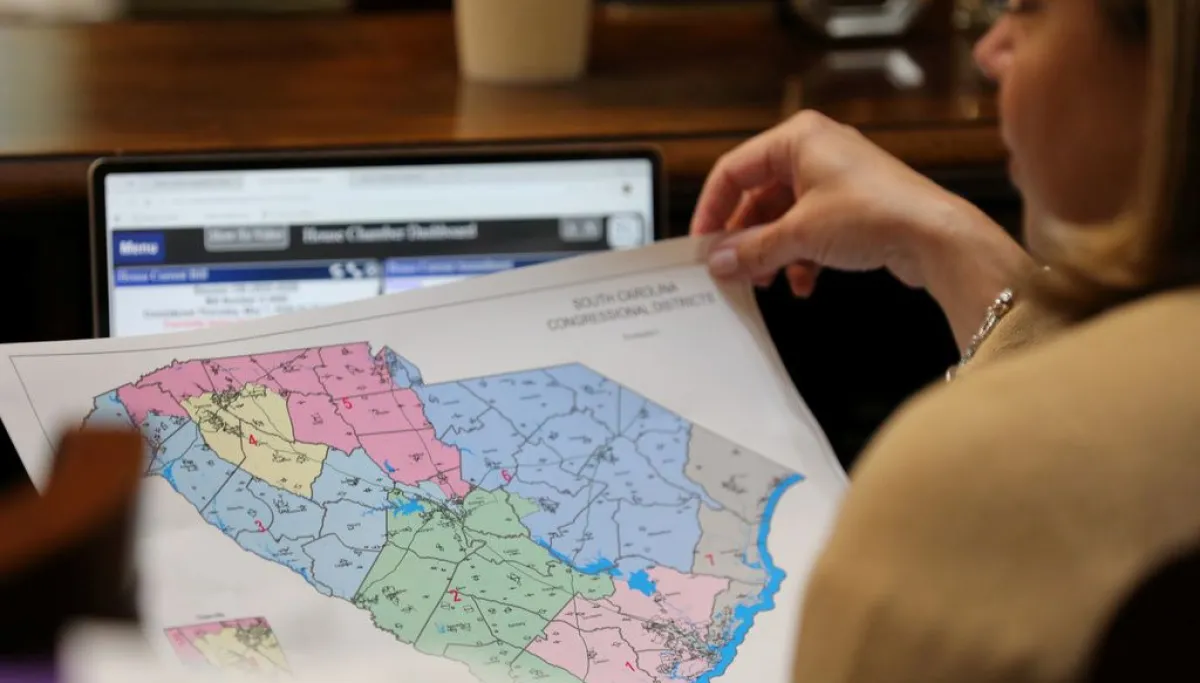
But 2026 may not be an ordinary midterm election. This time, the map itself may matter more than the mood — and Republicans have spent the last year reshaping that map in their favor.
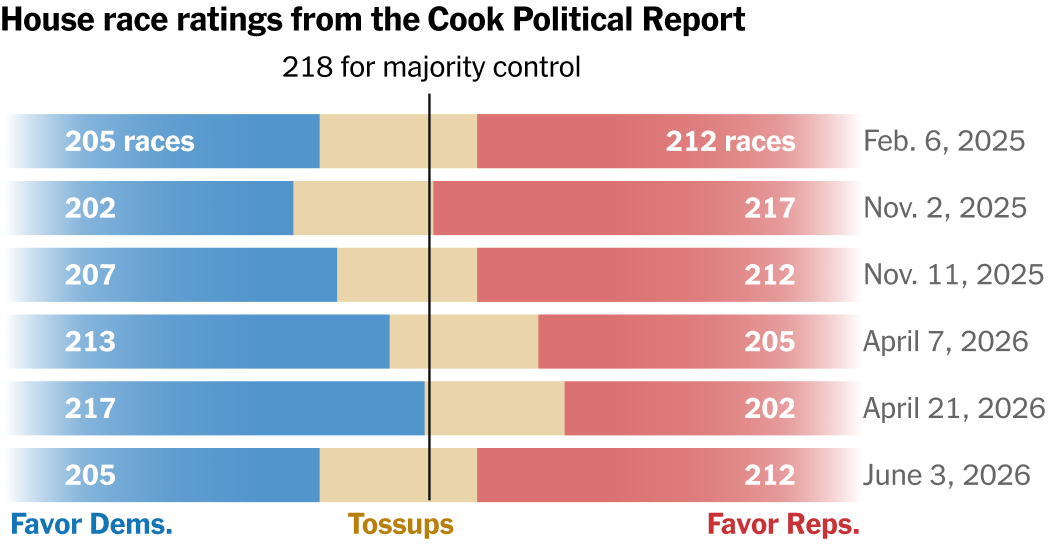
The structural advantage Republicans have built through aggressive mid-cycle redistricting is historically unusual. Across multiple states, Republicans believe newly drawn congressional maps could yield as many as 14 additional favorable House seats, while Democrats may gain only six. That creates a possible net GOP advantage of eight seats before a single vote is cast.